 Skip to content
When people search for what to do after Dental Removal, they are rarely looking for a dry list of rules. They want clarity, comfort, and a realistic sense of what the next hours and days may look like. That is exactly where thoughtful aftercare matters. The period following Dental Removal is often less dramatic than many fear, yet it is still important enough to deserve careful attention. Small choices how you rest, what you eat, how you clean your mouth, and when you return to your routine can shape your overall experience.
At WellDemir, we believe good information should feel both reliable and readable. So this guide explores the common precautions people often consider after Dental Removal, using a scientific but approachable tone. Rather than offering rigid medical instructions, this article aims to answer the practical questions many people naturally ask. It also examines the logic behind common recommendations, highlights patterns frequently discussed in dental literature, and helps readers understand why post-extraction habits can matter.
Table of Contents
Why Dental Removal Aftercare Matters More Than People Think
The first thing to understand is that the mouth is a remarkably active environment. It is warm, moist, full of bacteria, and constantly involved in speaking, chewing, and swallowing. After Dental Removal, the extraction area becomes a temporary healing site. Because this area is not isolated from daily activity, many dentists and oral health sources emphasize that simple precautions may support a smoother recovery experience.
Get Free Consultation
Have any questions? Leave your details and we'll get back to you shortly.
Research in oral surgery and post-extraction care often points to one basic principle: early healing depends on stability. The body starts building a protective blood clot in the socket, and that clot plays a central role in the first phase of healing. This is one reason post-Dental Removal advice frequently focuses on avoiding habits that may disturb the area. Even though recovery varies from person to person, the concept remains the same: a calm healing environment is usually preferable to a chaotic one.
Rest and Routine After Dental Removal
One of the most commonly discussed precautions after Dental Removal is rest. This does not mean complete stillness or turning into a museum statue for three days. It usually means giving the body a quieter window to begin recovery. In many cases, people are advised to take it easy on the day of the procedure and avoid intense physical activity for a short period.
There is a practical reason for this. Strenuous exercise may increase blood flow and pressure, which some sources associate with a higher chance of renewed bleeding or discomfort in the early phase after tooth extraction (exodontia). Lighter movement is often easier for the body to tolerate than heavy lifting, fast running, or intense training. While every situation differs, many people find it helpful to plan a gentler schedule after Dental Removal, especially in the first 24 hours.
Rest also has a psychological benefit. A calmer routine often reduces the urge to poke the area with the tongue, inspect it in the mirror every ten minutes, or perform unnecessary experiments involving crunchy snacks. Healing, in many cases, is helped by patience more than by curiosity.
Eating and Drinking Wisely Following Dental Removal
Food is one of the first real-life questions people ask after Dental Removal. What can be eaten? What should be avoided? Why do soft foods appear in almost every post-extraction conversation? The answer is partly mechanical and partly thermal. Hard, sharp, sticky, or very hot foods may irritate the extraction site or make the early healing phase less comfortable.
Soft options are commonly favored because they are easier to manage without vigorous chewing. Foods such as yogurt, soup at a moderate temperature, mashed vegetables, soft eggs, oatmeal, or smoothies eaten carefully are often discussed as more convenient choices. The idea is not culinary tragedy; it is simply to avoid adding unnecessary friction to a sensitive area after Dental Removal.
Below is a simple overview:
| Category | Often Considered More Suitable | Often Considered Less Suitable |
| Texture | Soft, smooth, easy-to-chew foods | Hard, crunchy, sharp-edged foods |
| Temperature | Lukewarm or cool items | Very hot food or drinks |
| Drinking Style | Gentle sipping from a cup | Forceful sucking through a straw |
| Meal Style | Small, manageable portions | Large, rushed meals |
The issue of straws deserves special attention. Many dental aftercare discussions advise caution with sucking motions after Dental Removal, because pressure changes in the mouth may disturb the healing clot. This is one of those recommendations that may seem oddly specific until the physiology makes it sensible. Sometimes the strange-sounding rule is the one with the clearest logic.
Oral Hygiene and Cleaning the Mouth After Dental Removal
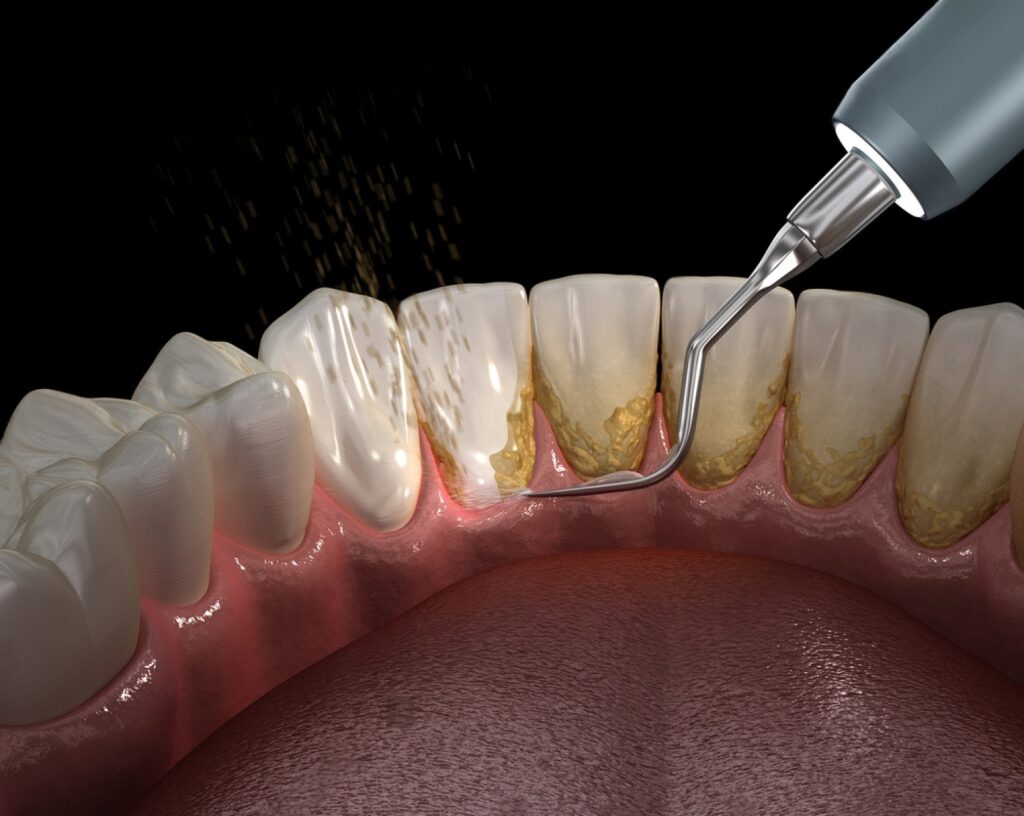
People often worry that cleaning the mouth after Dental Removal might either be too aggressive or not aggressive enough. This is understandable. The mouth still needs hygiene, but the extraction area may need gentleness. Many aftercare approaches suggest maintaining regular oral cleanliness while being cautious around the site itself.
This balancing act matters because poor oral hygiene can create an unfavorable environment, yet excessive rinsing or forceful brushing may irritate healing tissue. In many cases, people are encouraged to keep the rest of the mouth reasonably clean while treating the affected area with extra care. That means normal oral health habits may continue in a modified way rather than stopping entirely after Dental Removal.
Some individuals also notice that their breath or mouth taste feels unusual during healing. This can be unsettling, but it is often discussed as part of the temporary healing process. A mouth recovering from a tooth extraction (exodontia) is not always elegant. It is busy. Tissue is reorganizing, blood is clotting, and the body is doing backstage work that rarely looks glamorous from the audience.
Bleeding, Swelling, and the Normal Questions After Dental Removal
Few things create anxiety faster than seeing even a small amount of blood after Dental Removal. Yet a key point often noted in dental literature is that light oozing can be different from heavy bleeding. People may see pink saliva, a trace of blood, or minor seepage, especially in the early period. Context matters, and interpretation matters even more.
Swelling also tends to be one of the most discussed post-Dental Removal experiences. Inflammatory responses are part of how the body reacts to tissue disruption. That does not automatically mean something is wrong. The body often responds to a procedure with temporary puffiness or tenderness. In many cases, this becomes more noticeable before it gradually settles. This “rise before improvement” pattern is one reason people can feel alarmed too early.
A useful way to think about the first days is this:
- The area may feel different before it feels normal.
- Mild swelling may appear before it fades.
- Sensitivity may fluctuate rather than move in a perfect straight line.
- Healing is often gradual, not theatrical.
These patterns are not universal, but they are common enough to explain why many people have questions after Dental Removal. Understanding the rhythm of healing can reduce unnecessary fear.
Smoking, Alcohol, and Lifestyle Choices Related to Dental Removal
Lifestyle choices often enter the conversation quickly after Dental Removal, especially smoking and alcohol. These topics come up not because professionals enjoy spoiling anyone’s routine, but because both habits are often discussed in relation to healing quality. Smoking, in particular, is frequently mentioned in oral health research due to its potential effects on circulation, tissue recovery, and the extraction site environment.
From a practical perspective, the physical act of inhaling and the chemical exposure associated with smoking may create less-than-ideal conditions in the mouth during early recovery. Alcohol is also commonly discussed because it may irritate tissues or interact poorly with certain medications some patients may be using. While individual advice varies, many people are encouraged to consider how these habits could influence comfort and healing after Dental Removal.
This is also the stage where people often ask about coffee, spicy food, and returning to social life. The broader idea is not to remove all joy from existence. It is simply to recognize that healing tissue may appreciate a little diplomacy. A recovering extraction site is not always enthusiastic about extremes.
Sleep Position and Daily Comfort After Dental Removal
Sleep can be surprisingly important after Dental Removal. Many people focus on the procedure itself but forget that the first night can shape how comfortable they feel the next morning. A slightly elevated head position is often mentioned in post-extraction guidance because it may help some individuals feel more comfortable and may reduce the sense of throbbing or pressure.
Comfort also includes small practical habits. People may prefer to prepare their resting area in advance, keep water nearby, choose softer meals before the procedure, and avoid creating a schedule that demands too much energy too soon. These details can sound minor, but they help transform the experience of Dental Removal from a disruption into a manageable event.
There is also an emotional side to comfort. Uncertainty tends to magnify normal symptoms. If someone expects every sensation to feel strange, each twinge may seem alarming. If they understand that some fluctuation is often part of healing, the same sensation may feel easier to interpret. Knowledge does not eliminate discomfort, but it often reduces panic.
Warning Signs People Commonly Watch for After Dental Removal
Although most conversations about Dental Removal focus on routine healing, people naturally want to know when a situation may deserve closer attention. This is where observation matters. Rather than obsessing over every detail, it may be more helpful to notice broader patterns: is the area improving, worsening, or staying unusually intense?
Persistent heavy bleeding, escalating swelling, increasing pain after initial improvement, foul taste that becomes more pronounced, or difficulty opening the mouth comfortably are examples often discussed in broader post-extraction contexts. These are not automatic conclusions, but they are the kinds of developments that make people more likely to seek professional clarification after Dental Removal.
The key point is not to self-diagnose dramatically at 2:13 a.m. after reading random forums. It is to understand that healing tends to have a direction. If the overall trend seems inconsistent with recovery, asking a qualified dental professional for guidance is often the most sensible next step.
The Emotional Side of Dental Removal Recovery
It may sound unusual, but Dental Removal is not only a physical experience. It can also be emotional. Some people feel relief, others feel nervous, and many feel both at once. Even when the procedure is routine, recovery can create a temporary sense of vulnerability. Eating changes, speech may feel awkward, and normal habits suddenly require planning.
There is also the strange mental habit of checking the area repeatedly with the tongue. Almost everyone seems to do it, even though it rarely helps. The mind becomes fascinated by whatever it has been told not to disturb. This is a deeply human response. If nothing else, Dental Removal proves that people can become irrationally curious about one tiny part of their own mouth.
A more productive approach is to think of recovery as a short, structured pause. It is not permanent, and in many cases it becomes easier day by day. When people understand the logic behind the usual precautions, they often feel more in control and less intimidated by the process.
A Smarter Way to Think About Dental Removal Precautions
The most sensible precautions after Dental Removal often come down to a few simple themes: protect the healing site, avoid unnecessary irritation, maintain a clean environment carefully, eat in a way that is kind to the mouth, and pay attention to how recovery progresses. None of this is about fear. It is about giving the body a reasonable chance to do what it is already trying to do.
At WellDemir, we see informed content as part of modern patient-centered communication. People do not just want instructions; they want understanding. And when it comes to Dental Removal, understanding can make the experience feel calmer, clearer, and much less mysterious. A well-informed reader is not just more prepared they are also more confident, and confidence is often one of the most underrated parts of recovery.

 |
|
Thank you for explaining the options so clearly. I was confused about the different approaches before reading this.
Thank you for your kind words! We’re glad you found the article helpful. Feel free to reach out for a free consultation if you’d like to discuss your options.
I appreciate how transparent this article is about the procedure. It’s hard to find such comprehensive dental information elsewhere.
The information about recovery and aftercare is really useful. Knowing what to expect makes the whole process less stressful.