 Skip to content
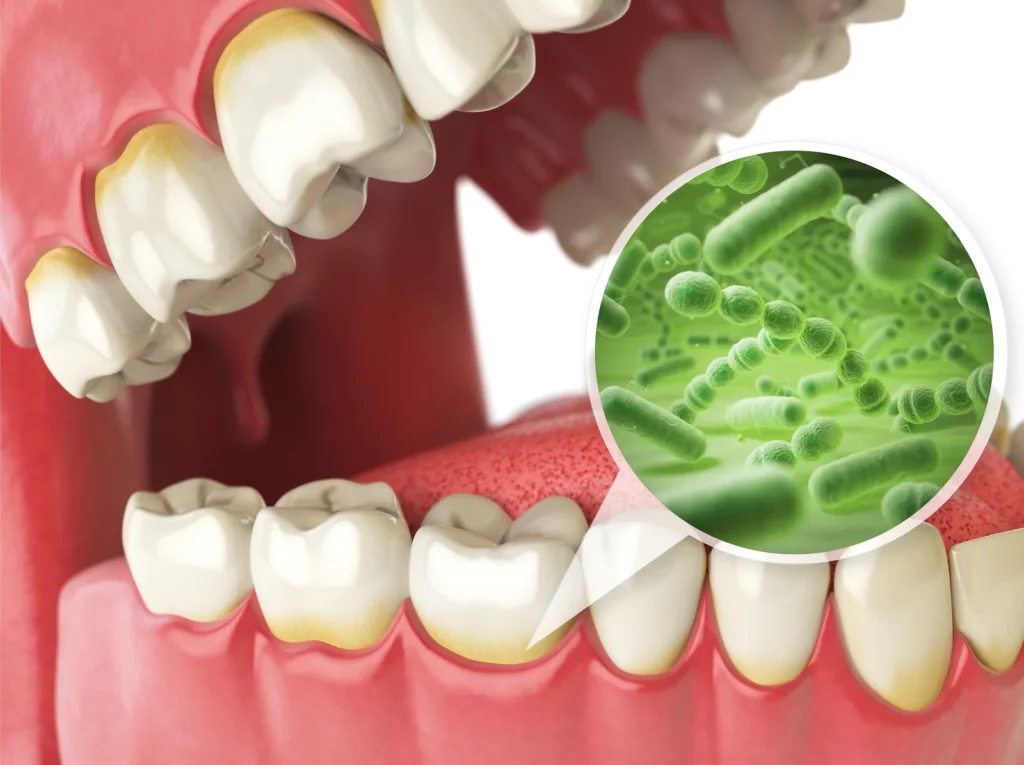
When it comes to oral health, one of the first things that comes to mind is the diversity of bacteria. Thousands of different bacteria species live in the mouth, and some of them can cause tooth decay, gum problems, and bad breath. So how can these bacteria be controlled or eliminated? Here, based on scientific research and current studies, are the ways to reduce oral bacteria and important points to consider.
Table of Contents
The Role of Bacteria in the Mouth
Not all bacteria in the mouth are harmful. In fact, some aid digestion and maintain the balance of the oral ecosystem. For example, Streptococcus species can have both beneficial and harmful effects. However, when the balance is disrupted, excess bacteria in the oral flora can lead to tooth decay and gum disease (periodontal disease).
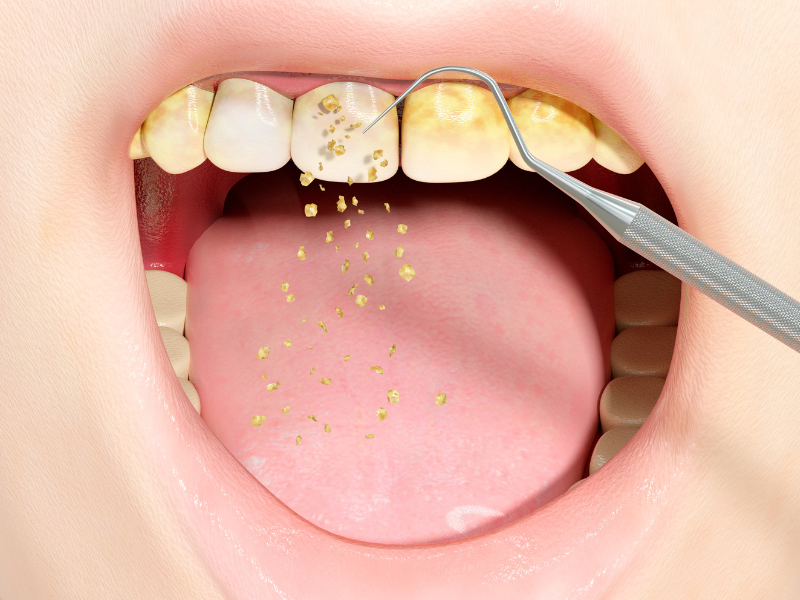
Scientific studies show that most oral bacteria are linked to dental plaque and tartar. In areas where plaque accumulates, anaerobic bacteria multiply, increasing the risk of gum inflammation. Therefore, maintaining a healthy balance of bacteria is critical for oral health.
Get Free Consultation
Have any questions? Leave your details and we'll get back to you shortly.
Mechanical Cleaning Methods to Control Bacteria
Brushing and flossing remove bacteria physically from the mouth. The bristles of a toothbrush mechanically remove plaque and bacteria from the teeth. Brushing before bed, in particular, helps prevent the proliferation of bacteria.
Floss or interdental brushes clean the spaces between teeth where bacteria tend to accumulate. Research shows that regular flossing improves gum health by 30–40%, effectively controlling harmful bacteria.
The Effect of Antiseptic Mouthwashes
Antiseptic mouthwashes can quickly reduce oral bacteria. For instance, chlorhexidine-containing rinses effectively control plaque and bacteria in the short term.
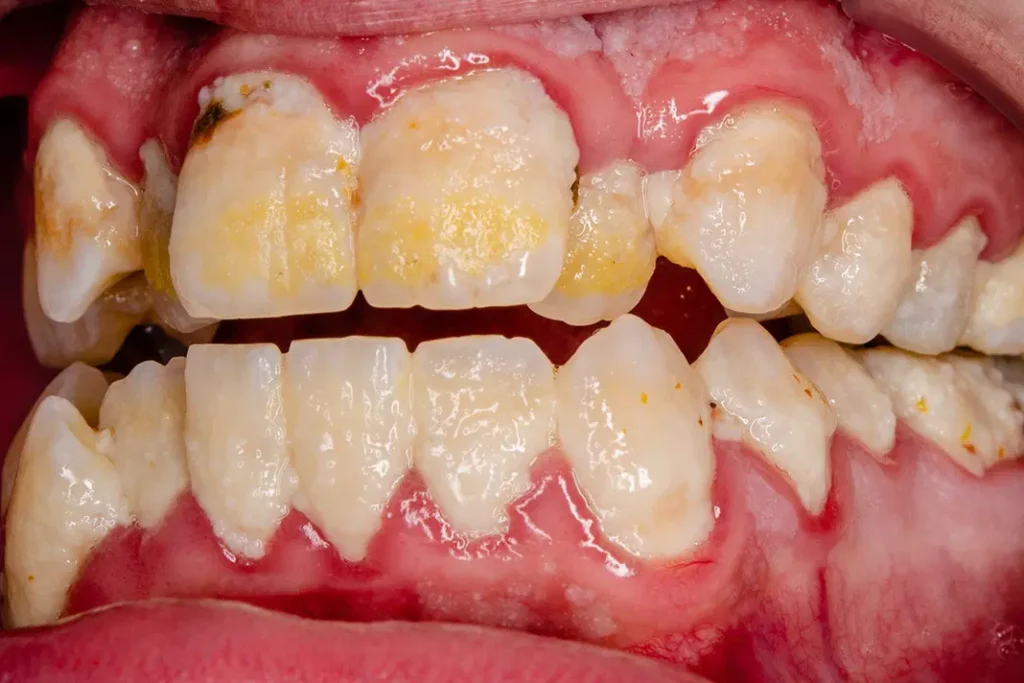
However, long-term use of some mouthwashes may cause tooth discoloration and disrupt the natural oral flora. Thus, antiseptic rinses should be used with proper dosage and timing. Controlling bacteria is important, but maintaining the natural balance of the mouth is equally essential.
Nutrition and Its Effect on Bacteria
One of the most important factors affecting oral bacteria growth is diet. Sugary and processed foods accelerate the growth of cavity-causing bacteria like Streptococcus mutans.
Studies show that high-fiber and probiotic-rich foods positively influence oral bacteria balance. Yogurt, kefir, and certain vegetables promote the growth of beneficial bacteria while reducing harmful types.
Water, Saliva, and Bacteria Control
Saliva acts as a natural defense against bacteria. Its enzymes and antimicrobial proteins limit harmful bacteria. Drinking enough water boosts saliva production, reducing oral bacteria levels.
Regular water intake, especially after meals, helps neutralize acids in the mouth and prevents bacteria from adhering to tooth surfaces. This acts as a natural cleaning mechanism for the oral cavity.
Natural and Alternative Bacteria Preventive Methods
Herbal products and natural extracts can also help reduce bacteria in the mouth. For example, green tea and sage contain polyphenols with antibacterial properties that inhibit the growth of plaque-forming bacteria.
Additionally, oil pulling with coconut oil may reduce oral bacteria, according to some studies. When combined with traditional oral care, these methods strengthen overall oral health.
Oral bacteria play both beneficial and harmful roles. Mechanical cleaning, antiseptic mouthwashes, a balanced diet, sufficient water intake, and natural antibacterial methods are essential to maintaining a healthy bacteria balance. Regular care and mindful habits protect oral health and prevent dental issues in the long term.

 |
|
Thank you for explaining the options so clearly. I was confused about the different approaches before reading this.
I appreciate how transparent this article is about the procedure. It’s hard to find such comprehensive dental information elsewhere.
Thank you for your kind words! We’re glad you found the article helpful. Feel free to reach out for a free consultation if you’d like to discuss your options.