 Skip to content
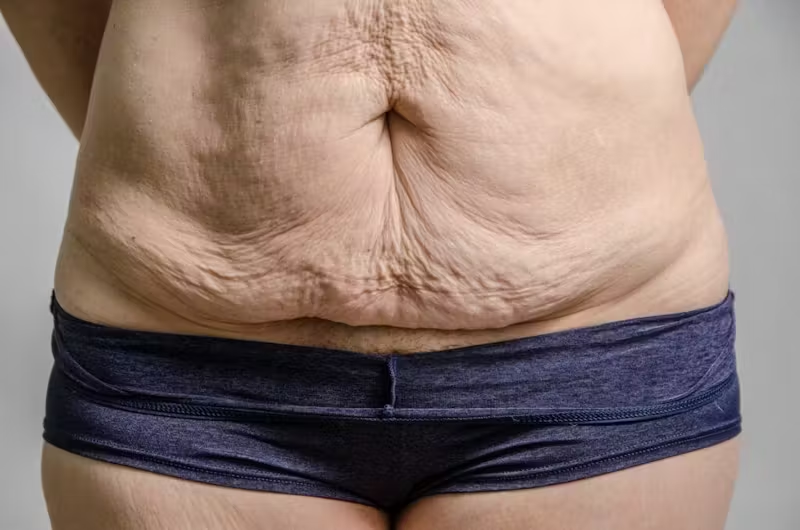
Bariatric Surgery is often described as a life-changing step, but the story rarely ends when the scale shows a lower number. For many people, major weight loss brings a new question into focus: what happens to the skin that once stretched to accommodate a larger body? Loose skin after dramatic weight loss is common, complex, and deeply personal. For some, it is a minor cosmetic concern. For others, it may affect comfort, clothing choices, movement, body image, and daily confidence.
Weight-loss surgery can reshape health expectations, but skin elasticity does not always keep pace with a changing body. Age, genetics, starting weight, nutrition, smoking history, and the amount of weight lost may all influence how the skin responds. That is why two people with similar results after Bariatric Surgery can have very different experiences with excess skin. Rather than presenting one-size-fits-all answers, this article offers a balanced, science-informed view of what people often want to know.
Table of Contents
Understanding Why Loose Skin Happens After Bariatric Surgery
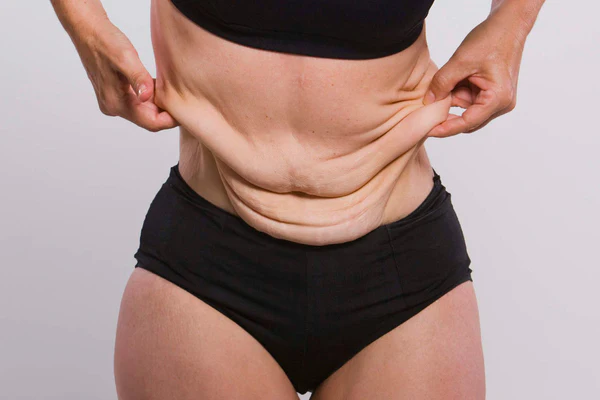
After significant weight loss, the skin may not fully retract because it has been stretched for a long period. Skin is a living organ built from collagen and elastin, two proteins that help it stay firm and spring back. If the body has carried excess weight for years, those support structures may become less resilient. Following Bariatric Surgery, the body changes rapidly, but the skin may lag behind.
Get Free Consultation
Have any questions? Leave your details and we'll get back to you shortly.
This does not mean the body is failing. In fact, loose skin can appear precisely because substantial weight reduction has occurred. In many cases, excess skin is simply evidence of a major physical transformation. The abdomen, upper arms, thighs, breasts, buttocks, and lower face are among the most commonly affected areas after Bariatric Surgery.
Research in post-weight-loss body contouring (post-bariatric body sculpting) has often suggested that the extent of skin laxity may be linked to the amount of weight lost and the speed of change. Yet biology is never perfectly predictable. Some people notice modest sagging, while others experience folds that are more pronounced. The same procedure can lead to very different visible outcomes, which is why expectations after bariatric procedures should always include the possibility of skin redundancy.
How Bariatric Surgery Changes the Body Beyond Weight
The public conversation around Bariatric Surgery tends to focus on kilograms, body mass index, or before-and-after photographs. But major weight loss influences much more than appearance. It can shift posture, muscle distribution, energy use, clothing fit, and even the way a person perceives personal space. Excess skin is part of that larger adaptation process.
After Bariatric Surgery, some people report feeling lighter yet still physically “held back” by hanging skin in specific areas. This may be especially noticeable during exercise, sleep, intimate life, or in warm weather. A body can become metabolically healthier while still presenting practical challenges linked to skin folds. That contrast is one reason why discussions around body contouring (post-bariatric body sculpting) have become more visible in long-term post-bariatric care.
There is also an emotional dimension. A person may reach a target weight and still feel disconnected from the image in the mirror. This can be surprising. Weight-loss surgery may change the body dramatically, but psychological adjustment often moves at a different speed. For some individuals, loose skin becomes a symbol of resilience. For others, it feels like an unfinished chapter after Bariatric Surgery.
When Loose Skin Becomes More Than a Cosmetic Concern After Bariatric Surgery
Loose skin is often discussed as an aesthetic issue, but the reality can be broader. In some cases, skin folds may trap moisture, increase friction, or create areas where irritation develops more easily. This does not happen to everyone, and not every fold causes symptoms. Still, after Bariatric Surgery, some people begin to evaluate excess skin in practical rather than purely visual terms.
Clothing can become another issue. Tailored fashion is generally designed for standardized body proportions, while post-weight-loss bodies may be beautifully non-standard. Trousers may fit the waist but not the lower abdomen. Shirts may sit well at the shoulders but pull awkwardly over arm laxity. This may sound superficial at first glance, yet clothing influences comfort, confidence, and day-to-day ease more than most people realize.
Mobility can also enter the conversation. During walking, running, or strength training, excess tissue in the abdomen or thighs may create discomfort. For highly active individuals after Bariatric Surgery, skin movement itself can become distracting or limiting. This is one reason skin removal is often considered within a quality-of-life framework, not only a cosmetic one.
When to Consider Skin Removal After Bariatric Surgery
Timing matters. One of the most frequently discussed points after Bariatric Surgery is whether it is “too early” to think about skin removal. In many cases, body contouring (post-bariatric body sculpting) conversations become more relevant after weight has stabilized for a meaningful period. Why? Because the body may continue changing for months after surgery, and operating too early can make planning less precise.
A stable weight often gives surgeons and patients a clearer picture of what tissue remains, what the body shape is likely to be, and which areas matter most. This does not mean there is one universal timeline. The ideal moment may depend on nutritional status, lifestyle, healing capacity, personal goals, and the type of bariatric procedure involved. Still, many specialists in post-weight-loss contouring emphasize that Bariatric Surgery is not the final act, but one stage in a longer transformation.
Here are several signs that the topic of skin removal may be worth exploring after Bariatric Surgery:
- Weight appears relatively stable over time.
- Loose skin causes repeated discomfort or friction.
- Exercise is limited by excess tissue.
- Clothing fit creates daily frustration.
- Body image concerns remain strong despite successful weight loss.
- The person feels ready to discuss realistic surgical trade-offs, including scars.
The keyword here is “consider,” not “rush.” Skin removal is elective in many cases, and there is no prize for doing it quickly. A thoughtful decision usually involves patience, planning, and a good understanding of both benefits and limitations.
Common Types of Skin Removal Procedures After Bariatric Surgery
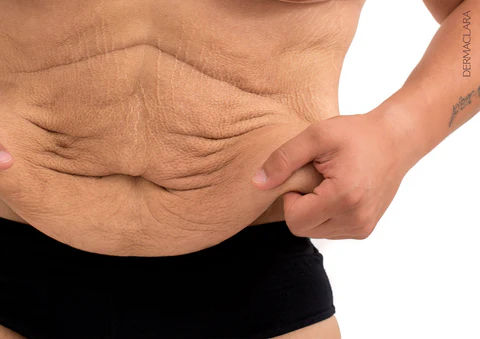
There is no single operation for every body after Bariatric Surgery. Instead, body contouring (post-bariatric body sculpting) is usually tailored to the area of concern. Different procedures may address different regions, sometimes in stages rather than all at once. This is one reason consultations tend to focus on priorities: what bothers the person most, what can be improved, and what trade-offs feel acceptable.
Below is a simple overview of commonly discussed procedures after Bariatric Surgery:
| Procedure | Common Area | Main Goal |
| Abdominoplasty (tummy tuck (abdominoplasty)) | Abdomen | Reduce excess abdominal skin and improve contour |
| Panniculectomy | Lower abdomen | Remove hanging apron-like skin |
| Brachioplasty | Upper arms | Address loose arm skin |
| Thigh lift | Inner or outer thighs | Improve thigh contour |
| Mastopexy/body breast contouring | Chest/breast area | Lift or reshape tissue after volume loss |
| Lower body lift | Abdomen, flanks, buttocks, outer thighs | Treat circumferential laxity |
Each procedure has a different purpose, scar pattern, recovery profile, and planning process. Some focus on function, such as removing a heavy abdominal overhang. Others are more contour-driven. After Bariatric Surgery, many patients are surprised to learn that body contouring (post-bariatric body sculpting) is less about “perfection” and more about proportional improvement.
It is also common for people to choose one area first rather than treating every region. The abdomen often becomes the top priority because it affects both silhouette and comfort. For others, the arms or thighs are more emotionally significant. There is no universally correct sequence after Bariatric Surgery.
Factors That Influence the Decision-Making Process
The choice to pursue skin removal after Bariatric Surgery is rarely based on one factor alone. It usually sits at the intersection of physical comfort, emotional readiness, financial considerations, recovery time, and personal expectations. For some, the answer becomes clear quickly. For others, it takes time to decide whether surgery feels worthwhile.
Several elements may shape the decision:
- Weight stability: Ongoing fluctuations may affect results.
- Nutritional condition: Healing depends on the body’s resources.
- Smoking status: Tissue circulation matters in surgery and recovery.
- Scar acceptance: Removal of skin usually means visible scars.
- Lifestyle demands: Work, family routines, and exercise plans all matter.
- Personal goals: Function, shape, confidence, or clothing fit may rank differently.
Another important point is expectation management. Skin removal can improve contour, but it does not create an abstract “perfect body.” Bodies after Bariatric Surgery often remain unique, and that is not a flaw. The most satisfying outcomes are usually linked to realistic goals rather than fantasy images.
This is where a careful consultation can be valuable. A skilled discussion should not simply promise transformation; it should clarify limits, healing realities, and likely trade-offs. In that sense, the decision is not just medical. It is philosophical too: what level of change feels meaningful, and what costs physical, emotional, and practical feel acceptable?
What Research Suggests About Quality of Life After Bariatric Surgery and Body Contouring
Scientific literature has increasingly explored how body contouring (post-bariatric body sculpting) may affect life after Bariatric Surgery. While studies vary in design and sample size, many suggest that selected patients report improved satisfaction with body image and comfort after skin removal procedures. This does not prove a universal benefit for everyone, but it shows why the subject deserves serious attention rather than dismissal as mere vanity.
Some analyses in post-massive-weight-loss populations have noted that body contouring (post-bariatric body sculpting) may influence self-esteem, mobility, and the sense of closure after a long weight-loss journey. In simple terms, people may feel that Bariatric Surgery changed their health, while skin removal helped them feel more at home in their new body. That distinction is subtle but powerful.
At the same time, surgery has limitations. Recovery requires patience. Scars can be extensive. Swelling may last for a while. Outcomes can be positive without being magical. This is why the smartest conversations around post-bariatric contouring tend to be nuanced. They recognize genuine benefits without romanticizing the process.
Emotional Readiness, Body Image, and the Post-Bariatric Identity Shift
One of the least discussed aspects of Bariatric Surgery is identity. When the body changes quickly, self-perception does not always update on schedule. A person may still think, shop, move, or hide as though they occupy their previous size. Loose skin can intensify that mismatch by making the body look different from what someone expected after major weight loss.
This emotional terrain is not trivial. Some people feel proud of their loose skin because it reflects survival, discipline, and a reclaimed future. Others feel frustrated that after all the work, their body still does not look the way they imagined. Both reactions are understandable. The aftermath of Bariatric Surgery often includes both gratitude and disappointment, sometimes at the same time.
Considering skin removal may therefore be less about chasing an ideal and more about aligning the outside with the internal progress already achieved. For some, choosing not to have surgery is empowering. For others, pursuing contouring feels like finishing a sentence that started with Bariatric Surgery. Neither path is inherently superior. The key is whether the decision reflects personal agency rather than pressure.
Final Thoughts on Bariatric Surgery and When Skin Removal May Make Sense
Bariatric Surgery can open the door to dramatic physical change, but loose skin is a common companion on that journey. Whether excess skin becomes a minor detail or a major issue depends on many variables, from biology to lifestyle to body image. Skin removal is not automatically necessary, and it is not a universal next step. Yet for some people, it becomes a meaningful option worth discussing.
The most balanced way to think about the issue is this: Bariatric Surgery changes weight, but body contouring (post-bariatric body sculpting) may change how that weight loss is experienced in everyday life. If loose skin affects comfort, movement, confidence, or the sense of completion after weight loss, the conversation around skin removal may become relevant. If it does not, there is no reason to force the question.
At WellDemir, we believe the best health content respects complexity. Bodies are not assembly lines, and transformation is rarely linear. The topic of Bariatric Surgery and loose skin deserves honesty, science, and empathy in equal measure. And perhaps that is the clearest conclusion of all: after major weight loss, the next step is not determined by trends or pressure, but by what feels informed, realistic, and personally meaningful.

 |
|
Thank you for this comprehensive guide. The section about long-term results and lifestyle changes was especially helpful.
We appreciate your feedback! Our medical team would be happy to answer any additional questions during a complimentary consultation.
The recovery timeline information is really useful. Knowing what to expect week by week makes planning so much easier.