 Skip to content

Recovering well after Bariatric Surgery is often discussed in terms of protein, portion size, and weight loss milestones. Yet hydration deserves just as much attention. Water does not usually get the spotlight, but after a metabolic procedure, fluid intake can feel surprisingly complicated. Smaller stomach capacity, slower sipping, food texture changes, nausea sensitivity, and shifting routines can all make hydration feel like a daily puzzle.
For many people, staying hydrated after Bariatric Surgery is less about “just drink more water” and more about learning a new body language. Thirst may feel different. Fullness may arrive faster. Certain drinks may suddenly become unpleasant. That is why hydration after weight-loss surgery is not only a practical issue but also a behavioral one. Understanding why it matters, what can interfere with it, and how daily habits can support it can make the post-operative journey smoother and more manageable.

Why Hydration Matters So Much After Bariatric Surgery
After Bariatric Surgery, the body enters a period of adjustment. Fluid balance becomes especially important because the stomach’s reduced capacity can limit how much a person drinks at one time. At the same moment, healing tissues, changing digestion, and a modified eating pattern may increase the need for thoughtful hydration habits. This is one reason hydration is often described as a cornerstone of recovery after gastric sleeve (laparoscopic sleeve gastrectomy), gastric bypass (Roux-en-Y gastric bypass), and similar procedures.
Get Free Consultation
Have any questions? Leave your details and we'll get back to you shortly.
Research in obesity (morbid obesity, BMI >40) and metabolic surgery (diabetes remission surgery) care often highlights dehydration as one of the more common reasons for discomfort and even early readmission after surgery. This does not mean every patient will struggle in the same way, but it helps explain why post-op teams tend to emphasize fluid goals so strongly. Water supports circulation, temperature regulation, digestion, and the transport of nutrients. In a body adapting to bariatric procedures, these functions matter even more.
Hydration may also affect how a person feels throughout the day. Low fluid intake can sometimes be associated with fatigue, headaches, dizziness, dry mouth, darker urine, and difficulty concentrating. These signs are not exclusive to post-op patients, of course, but after Bariatric Surgery, they may become more noticeable because eating and drinking patterns are already changing. When hydration slips, recovery can feel harder than it needs to.
There is also a quality-of-life angle. People often expect life after weight-loss surgery to be all about food choices, but many discover that drinking becomes its own skill. Learning to sip consistently, separate fluids from meals, and tolerate different temperatures or textures takes patience. Hydration, in that sense, becomes part science and part daily rhythm.
Common Reasons People Struggle to Drink Enough After Weight-Loss Surgery
One of the biggest challenges after Bariatric Surgery is that the old way of drinking no longer works. Taking large gulps, drinking quickly, or relying on thirst alone may feel uncomfortable. Many patients report that they feel full after only a few sips, especially in the early weeks. This can create a gap between what the body needs and what feels easy.
Another common issue is taste change. Drinks that once felt refreshing may seem too sweet, too acidic, too cold, or simply “off” after surgery. Even plain water can become difficult for some individuals for a period of time. This is not unusual in the broader conversation around bariatric recovery. Taste preferences can shift temporarily, and that can make hydration more complicated than expected.
Nausea can also interfere with fluid intake. While nausea can have many causes and should always be interpreted carefully in context, it often creates a cycle: drinking feels difficult, so fluid intake drops, and the person feels worse. In some cases, this may be linked to the speed of drinking, beverage choice, or the stage of recovery. In other cases, it may simply reflect how sensitive the post-operative system can be.
Daily routine matters too. Returning to work, traveling, caring for children, or simply adjusting to a new meal schedule can make hydration easy to forget. Before surgery, people might have consumed fluids passively throughout the day. After bariatric procedures, passive drinking is often not enough. Intentional drinking habits usually become much more important.
Smart Fluid Strategies After Bariatric Surgery
The most practical hydration approach after Bariatric Surgery is usually consistency over volume. Rather than trying to drink large amounts at once, many people find it easier to sip small amounts steadily across the day. This slow-and-steady pattern fits the physical changes of bariatric recovery far better than the “catch up later” method.
Timing can make a meaningful difference. Since many post-op care plans suggest separating food and fluids, hydration often works best when it is built into dedicated windows during the day. That creates a predictable rhythm and may reduce the discomfort that can happen when eating and drinking overlap too closely. The exact approach varies, but the general idea is simple: hydration becomes a schedule, not an afterthought.
Temperature and flavor can also influence success. Some people tolerate room-temperature drinks better than icy ones. Others prefer lightly infused water, diluted options, or clear non-carbonated beverages that do not feel heavy. These preferences are individual, and they may change over time. Exploring tolerable options carefully can make fluid intake less frustrating.
The psychology of hydration matters as well. Bottles with measurement markers, phone reminders, visual trackers, or habit pairing can support consistency. For example, sipping after certain daily tasks may be easier than relying on memory alone. In the world of Bariatric Surgery, small systems often outperform willpower.
Hydration Habit Ideas at a Glance
| Strategy | Why It May Help | Practical Example |
| Small frequent sips | Better tolerated than large gulps | Sip every 10–15 minutes |
| Measured bottle | Makes intake visible | Use a marked 500 ml bottle |
| Flavor variation | Reduces taste fatigue | Rotate plain, infused, and mild herbal options |
| Routine pairing | Builds consistency | Sip after emails, walks, or breaks |
| Drink planning | Prevents long dry periods | Fill bottles in advance each morning |
Which Drinks May Be Better Tolerated in the Bariatric Surgery Recovery Phase
Not every beverage feels the same after Bariatric Surgery. Plain water is often considered the standard hydration choice, yet many patients find that it becomes easier only with time. For some, diluted flavored water or mild herbal infusions may feel gentler. Others prefer electrolyte-containing beverages in moderation, especially when plain fluids feel unappealing. Tolerance can differ widely.
Carbonated drinks are frequently discussed in post-op communities because bubbles may create pressure and discomfort. Sugary beverages can also be challenging, not only because of nutritional concerns but because sweetness may feel intense after surgery. Caffeinated drinks are another point of discussion, especially early on, as individual tolerance and hydration balance may vary. The key theme is not strict universality but careful observation of what the body seems to handle comfortably.
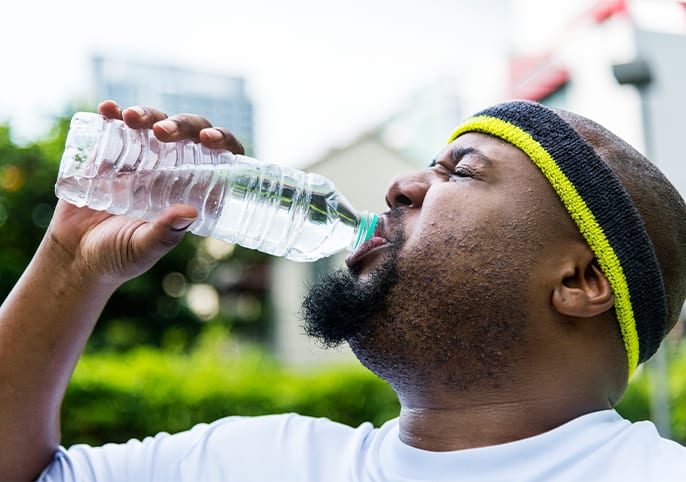
Protein drinks can play a role in nutrition, but they are not always the same thing as hydration. Some people assume all liquids contribute equally to fluid goals, yet satiety, viscosity, sweetness, and digestive response can differ dramatically. A shake may be useful in one context and less effective in another if the goal is easy, frequent sipping. This distinction often becomes clearer as recovery progresses.
Beverage tolerance after weight-loss surgery is often dynamic. What feels unpleasant in one month may be perfectly acceptable later. That is why flexibility matters. The post-op body is not static, and hydration strategies may evolve as healing and routine continue.
Signs That Hydration May Be Falling Behind After Bariatric Surgery
The signs of low fluid intake after Bariatric Surgery are not always dramatic. Sometimes the earliest clues are subtle: tiredness that seems out of proportion, a dry or sticky mouth, or the sense that drinking has simply “slipped” over several busy days. Because post-op life already includes many adjustments, these signs can be easy to overlook.
Urine color is often mentioned in hydration discussions because it offers a simple daily clue. Darker urine can sometimes suggest lower fluid intake, while lighter shades may suggest better hydration status. This is not a perfect measure, and many factors can influence it, but it remains one of the more practical observations people use in everyday life. Headaches, dizziness, and reduced energy may also raise concern when they appear alongside low drinking patterns.
After bariatric procedures, hydration challenges may build gradually. A person may feel slightly uncomfortable one day, then more sluggish the next, then find that drinking feels even harder because they are already behind. This compounding effect is one reason hydration is often treated as a prevention issue rather than something to “fix later.”
It is also worth noting that fluid balance may be influenced by weather, exercise, vomiting, diarrhea, and individual metabolism. Warm climates, travel, and increased physical activity may all make hydration more demanding. In the context of Bariatric Surgery, these everyday variables can have a stronger impact than people expect.
How Food, Routine, and Recovery Stages Affect Bariatric Surgery Hydration
Hydration does not exist in isolation. After Bariatric Surgery, it is closely linked to meal timing, food texture progression, and overall daily structure. In the earliest stages, when the diet may be limited to liquids or very soft textures, the line between eating and drinking can feel blurred. Later, as meals become more structured, separating fluids from food may require more planning.
Texture progression matters because denser foods may create a longer feeling of fullness. If someone eats slowly and reaches fullness quickly, they may unintentionally reduce the time available for comfortable fluid intake during the day. That is why hydration often works best when it is built around meals rather than squeezed in randomly between them.
Routine is another major factor. A person working from home may find sipping easier than someone in meetings all day. A traveler may forget fluids simply because their normal cues disappear. Parents often prioritize everyone else first and realize later that they hardly drank at all. These ordinary lifestyle realities shape hydration more than motivation alone.
Recovery stage also matters. In early healing, sensitivity may be higher and tolerance lower. Over time, many patients find that hydration becomes easier as habits settle and the body adapts. The important point is that fluid intake after bariatric surgery is rarely a one-time lesson. It changes across weeks and months.
Building a Sustainable Daily Hydration Routine After Bariatric Surgery
A sustainable hydration routine after Bariatric Surgery usually starts with realism. Grand plans are less useful than repeatable behaviors. A person who struggles to finish one bottle each day may do better with multiple smaller containers, familiar drinking times, and beverages they genuinely tolerate. The best routine is often the one that feels ordinary enough to continue.
One effective mindset shift is to think of hydration as part of recovery infrastructure. Just as people plan supplements, meals, and follow-up visits, fluids deserve a place on that list. This approach can reduce the emotional load. Instead of viewing hydration as a personal failure when it is difficult, it becomes what it really is: a new skill that takes practice.
The most durable routines often include a few anchors:
- A drink ready within reach at all times
- Visible intake tracking
- Specific sipping windows
- Backup beverage options
- Awareness of situations that disrupt the routine
These anchors turn hydration from a vague intention into a practical system. That can be especially valuable in the long-term Bariatric Surgery journey, where consistency matters far more than perfection. Missing a good day of hydration does not define the whole process. What matters is the ability to notice patterns and return to supportive habits.
What Current Research Suggests About Post-Op Fluid Challenges
Clinical literature around Bariatric Surgery frequently points to dehydration as a relevant post-operative concern, particularly in the early phase after surgery. Studies and care pathway reviews often note that reduced gastric capacity, difficulty tolerating fluids, nausea, and behavioral adjustment all contribute. While exact rates vary across settings and procedures, the broader pattern is clear: hydration is not a trivial detail in bariatric recovery.
Observational findings in metabolic surgery (diabetes remission surgery) populations also suggest that patient education and structured follow-up may improve confidence around fluid intake. This does not mean there is one universal formula. Instead, it reinforces the idea that successful hydration often depends on practical guidance, routine monitoring, and adaptation over time. People tend to do better when they understand not just what to drink, but why drinking feels different now.
Another interesting theme in the research is that barriers to hydration are often multifactorial. They are not only physical. They may include sensory changes, emotional fatigue, schedule disruption, and confusion around diet stages. This broader understanding matters because it makes the conversation more humane. Struggling with hydration after weight-loss surgery is not necessarily a sign of carelessness. Often, it reflects the complexity of recovery itself.
For a provider such as WellDemir, this perspective is essential. Thoughtful bariatric content should not reduce hydration to simplistic slogans. It should reflect the lived reality of patients: a smaller stomach, a changing routine, a healing body, and a learning curve that deserves respect.
Hydration after Bariatric Surgery sounds simple from a distance, but in real life it is one of the most nuanced parts of recovery. Physical changes, taste shifts, meal timing, sensitivity, and daily routine all shape how easy or difficult drinking becomes. That is why the best hydration approach is rarely dramatic. It is structured, flexible, and built around small, repeatable habits.
The journey after bariatric procedures is often described through weight loss and nutrition, yet fluid intake deserves equal attention. Understanding the patterns behind hydration challenges can make the process feel less confusing and more manageable. For many people, learning how to stay hydrated after Bariatric Surgery is not just a practical adjustment. It is one of the clearest examples of how recovery turns everyday acts into intentional care.

 |
|
Thank you for this comprehensive guide. The section about long-term results and lifestyle changes was especially helpful.
I appreciate how transparent this article is. Finding reliable information about bariatric surgery can be challenging.
Thank you! We strive to provide the most comprehensive information possible. Feel free to reach out anytime for a no-obligation consultation.
The information about pre-surgery preparation is something I haven’t seen covered this well anywhere else.