Skip to content
When it comes to restoring oral health and rebuilding lost bone structure, Dental Bone Grafts play a crucial role in modern dentistry. Whether due to tooth loss, trauma, or long-term gum issues, bone deterioration can significantly impact both function and aesthetics. This is where Dental Bone Grafts step in as a scientifically grounded and increasingly common solution that supports long-term dental restoration.
At WellDemir, understanding the biological foundations and clinical nuances of this procedure helps patients make more informed decisions.
Table of Contents
What Are Dental Bone Grafts and Why Are They Needed?
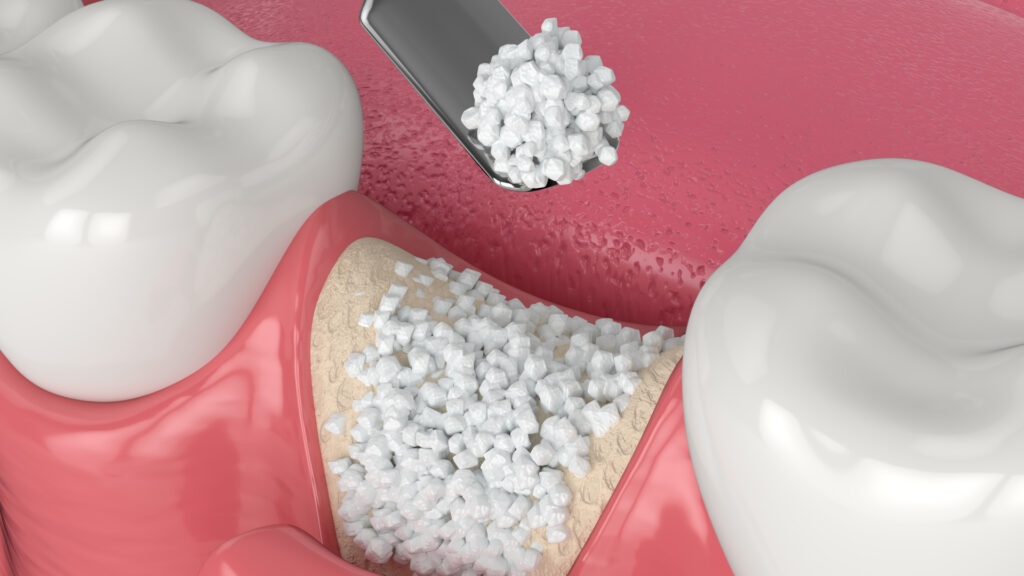
Dental Bone Grafts refer to procedures designed to rebuild or augment jawbone tissue that has been lost or weakened. Bone loss often occurs after tooth extraction, periodontal conditions, or prolonged absence of stimulation in the jaw.
Get Free Consultation
Have any questions? Leave your details and we'll get back to you shortly.
From a biological perspective, bone is a dynamic tissue that responds to pressure and stimulation. When a tooth is lost, the surrounding bone no longer receives signals to maintain its density. Over time, this leads to resorption. Dental Bone Grafts aim to reverse or slow this process by introducing grafting material that acts as a scaffold for new bone growth.
Interestingly, studies in oral biology suggest that bone regeneration follows predictable patterns when the right environment is provided. This makes Dental Bone Grafts not just a structural solution but also a biologically guided process.
Types of Dental Bone Grafts Used in Modern Dentistry
Not all Dental Bone Grafts are the same. The material used can vary depending on the clinical situation, patient preference, and practitioner expertise.
Here is a simplified overview:
| Graft Type | Source | Key Feature |
| Autograft | Patient’s own body | High compatibility |
| Allograft | Human donor | No second surgery needed |
| Xenograft | Animal source | Widely available |
| Synthetic graft | Lab-made materials | Controlled composition |
Each type of Dental Bone Grafts material has unique biological properties. For example, autografts are often considered highly effective due to their natural compatibility, while synthetic materials offer consistency and reduced surgical complexity.
The choice of graft type often reflects a balance between biological performance and practical considerations.
How the Dental Bone Grafts Procedure Works
The process behind Dental Bone Grafts involves more than simply placing material into the jaw. It is a carefully planned biological intervention.
Typically, the procedure includes the following steps:
- Assessment through imaging techniques
- Preparation of the grafting site
- Placement of graft material
- Stabilization and protection of the area
- Healing phase with gradual bone integration
During the healing period, the body begins to replace the graft material with natural bone tissue. This process, known as osseointegration, is central to the success of Dental Bone Grafts.
What makes this fascinating is that the graft does not simply “fill” space. Instead, it actively participates in a regenerative process that mirrors natural bone development.
Benefits and Limitations of Dental Bone Grafts
Like any medical or dental procedure, Dental Bone Grafts come with both advantages and considerations.
Potential Benefits
- Supports dental implant placement
- Helps restore facial structure
- Encourages natural bone regeneration
- May improve long-term oral stability
Possible Limitations
- Healing time can vary
- Results may depend on individual biology
- Additional procedures may sometimes be required
It is important to understand that Dental Bone Grafts are not a one-size-fits-all solution. Outcomes can differ based on factors such as age, bone condition, and overall health.
Research published in sources like NCBI highlights how patient-specific variables influence bone regeneration outcomes.
Who Might Be a Candidate for Dental Bone Grafts?
Candidates for Dental Bone Grafts are typically individuals who have experienced some level of jawbone loss. However, candidacy is not limited to a single group.
Common scenarios include:
- Tooth loss over an extended period
- Preparation for dental implants
- Bone defects caused by trauma
- Structural support for advanced restorative work
Interestingly, not all bone loss is immediately visible. In some cases, imaging reveals underlying deficiencies that may benefit from Dental Bone Grafts even before symptoms appear.
This highlights the importance of early assessment and personalized planning.
Healing Process and What to Expect After Dental Bone Grafts
The recovery phase following Dental Bone Grafts is where much of the biological activity occurs. While the surgical part may be relatively short, healing can take several months.
During this time:
- The graft integrates with existing bone
- Blood vessels form within the new structure
- Bone cells gradually replace the graft material
The timeline varies depending on the type of Dental Bone Grafts used and the size of the graft. Some cases may show integration within a few months, while others require a longer period before further procedures can be considered.
From a scientific standpoint, this phase is a remarkable example of the body’s regenerative capabilities.
Advances in Dental Bone Grafts Technology and Research
Modern developments have significantly expanded the possibilities of Dental Bone Grafts. Innovations in biomaterials and imaging technologies have made procedures more predictable and efficient.
Some notable trends include:
- Use of growth factors to enhance regeneration
- 3D imaging for precise planning
- Customized graft materials
- Minimally invasive techniques
Research continues to explore how Dental Bone Grafts can be optimized for faster healing and improved outcomes. Emerging data suggests that combining biological signals with advanced materials may further improve success rates.
This ongoing evolution reflects a broader shift toward more personalized and science-driven dental care.
Understanding the Role of Dental Bone Grafts
In the landscape of modern dentistry, Dental Bone Grafts represent a bridge between biology and technology. They offer a way to restore not just bone structure but also confidence and function.
While the concept may seem complex, the underlying principle is straightforward: support the body’s natural ability to regenerate. By doing so, Dental Bone Grafts contribute to long-term oral health in ways that go beyond immediate treatment.
At WellDemir, the focus remains on combining scientific insight with patient-centered understanding. As research continues to evolve, Dental Bone Grafts will likely remain a cornerstone of advanced dental restoration.

 |
|