Skip to content
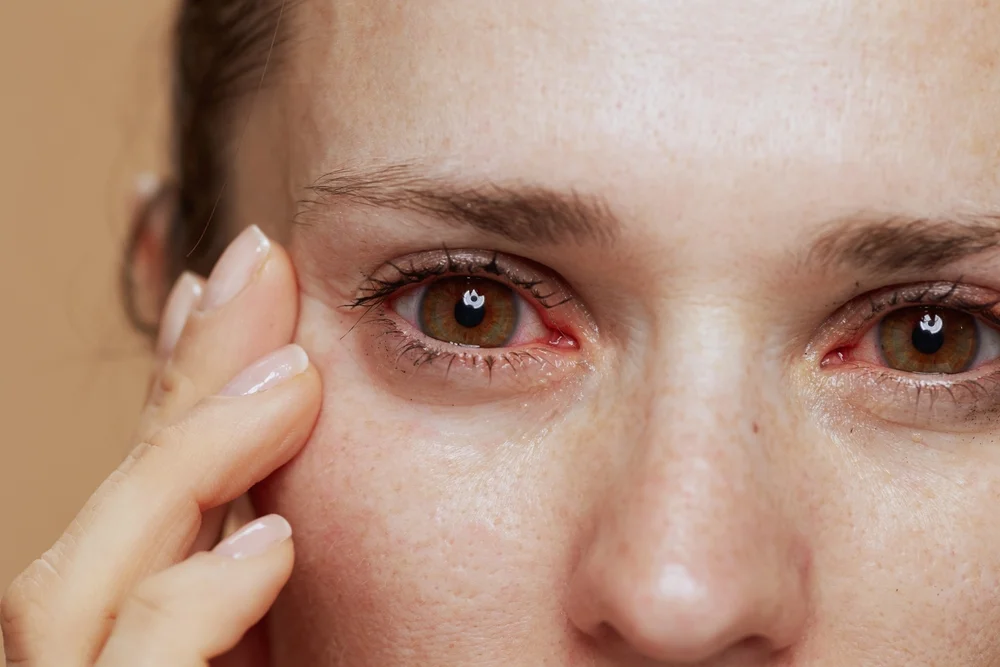
Maintaining clear and comfortable vision requires a continuous, stable layer of moisture over the front surface of the eye. Every time we blink, a fresh film of tears spreads across the cornea, acting as a protective barrier, lubricating movement, and washing away microscopic environmental debris. When this system loses its balance, everyday tasks like reading, driving at night, or working on a computer can turn into a source of constant physical fatigue. This state of imbalance, known simply as dry eye, affects millions of individuals globally and remains one of the most frequent reasons for seeking specialized ophthalmic care.
At WellDemir, we focus on guiding patients toward structured, evidence-based solutions that address the physical root causes of chronic eye conditions. Ocular discomfort is rarely a minor, isolated issue; it is a sign that the delicate micro-environment of your eye requires targeted support. As international medical protocols in 2026 lean heavily toward non-invasive gland rejuvenation and specialized diagnostic mapping, exploring your options for a dry eyes treatment pathway has become a highly predictable, comfortable, and therapeutic process.
Table of Contents
What is Dry Eye Syndrome?
To treat this condition effectively, it helps to understand the underlying mechanics of dry eye syndrome from an anatomical perspective. Many people view tears as simple water, but the natural tear film is actually a highly sophisticated, three-layered fluid matrix:
Get Free Consultation
Have any questions? Leave your details and we'll get back to you shortly.
- Lipid (Oil) Layer: Outer layer; seals moisture and stops evaporation.
- Aqueous (Water) Layer: Middle layer; supplies vitamins and cleanses.
- Mucin (Mucus) Layer: Inner layer; binds the tear film to the cornea.
True dryness occurs when either the volume of the aqueous layer drops significantly or the outer lipid layer lacks the quality needed to seal in the moisture. When this protective fluid envelope breaks down prematurely, parts of the sensitive corneal surface are left completely bare and exposed to the open air between blinks. This exposure initiates a cycle of micro-friction and localized tissue stress, resulting in the classic physical symptoms that patients report during clinical evaluations.
Common Symptoms of Dry Eyes
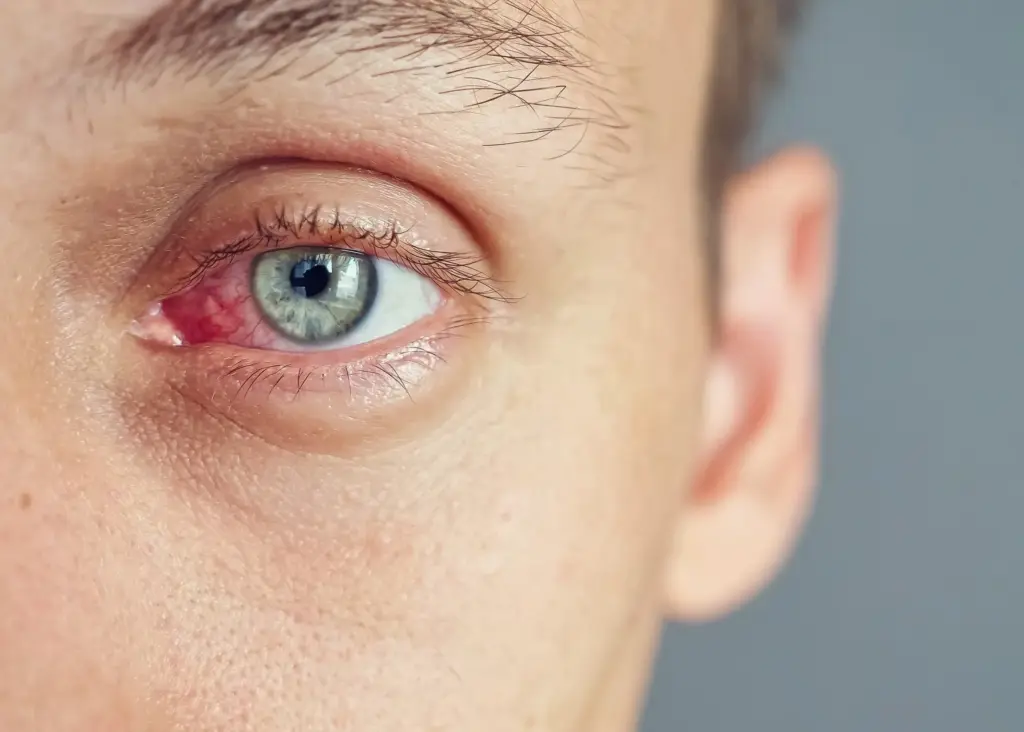
Because this condition develops gradually, the early symptoms of dry eye are often mistaken for simple tiredness or everyday environmental allergies. However, as the moisture balance degrades further, the body displays distinct physical signs that indicate a more chronic problem.
A prominent dry eyes sign is a persistent gritty, sandy, or scratching sensation, as if a microscopic foreign object is trapped beneath the eyelid. Patients frequently report a continuous burning or stinging feeling, localized eye redness, and an unusual sensitivity to wind, air conditioning, or bright lights. Paradoxically, experiencing heavy, sudden bouts of watery eyes can also serve as one of the prominent dry eye condition symptoms, representing a defensive reflex action where the brain floods the eye with low-quality tears to counteract surface friction.
What Causes Dry Eye to Develop?
When looking into the origins of ocular irritation, identifying the exact dry eyes causes requires an evaluation of both personal lifestyle choices and internal biological changes. The eyes are highly sensitive to systemic shifts, and their moisture levels can be altered by several distinct factors.
A primary answer to what causes dry eyes is Meibomian Gland Dysfunction (MGD). These tiny glands, located along the edges of the upper and lower eyelids, are responsible for secreting the essential oils that form the outer lipid layer of the tear film. If these glands become clogged or inflamed, the tears evaporate almost instantly, leaving the eye surface dry despite normal water production.
Additionally, our modern digital lifestyle plays a major role; when staring at smartphones, tablets, or monitors, our natural blinking frequency drops by nearly 50%, causing rapid tear evaporation. Environmental factors like dry indoor heating, prolonged use of contact lenses, hormonal shifts during menopause, or certain daily medications can also lower baseline tear production.
Why Home Remedies and Standard Eye Drops Often Fall Short?
When first noticing a regular stinging sensation, the natural reaction for most people is to visit a local pharmacy to purchase standard, over-the-counter dry eye drops. While these artificial lubricating drops can offer short-term, temporary relief by wetting the eye surface for fifteen to twenty minutes, they rarely provide a long-term cure.
Most commercial drops simply mimic the water component of your tears. If your condition is driven by clogged oil glands, adding more water to the eye will not solve the underlying issue, as the lack of an oil barrier means the new fluid will simply evaporate right away. Furthermore, using over-the-counter drops that contain harsh chemical preservatives too frequently can actually irritate the ocular surface over time, making a professional therapy for dry eye necessary to restore real balance.
Advanced Clinical Dry Eye Syndrome Treatment Options
Modern ophthalmology has moved past simply masking symptoms, focusing instead on advanced methods designed to restore the eye’s natural fluid production systems. If you are researching how to cure dry eyes permanently, these specialized clinical treatments offer reliable pathways toward long-term relief.
Intense Pulsed Light (IPL) Ocular Therapy
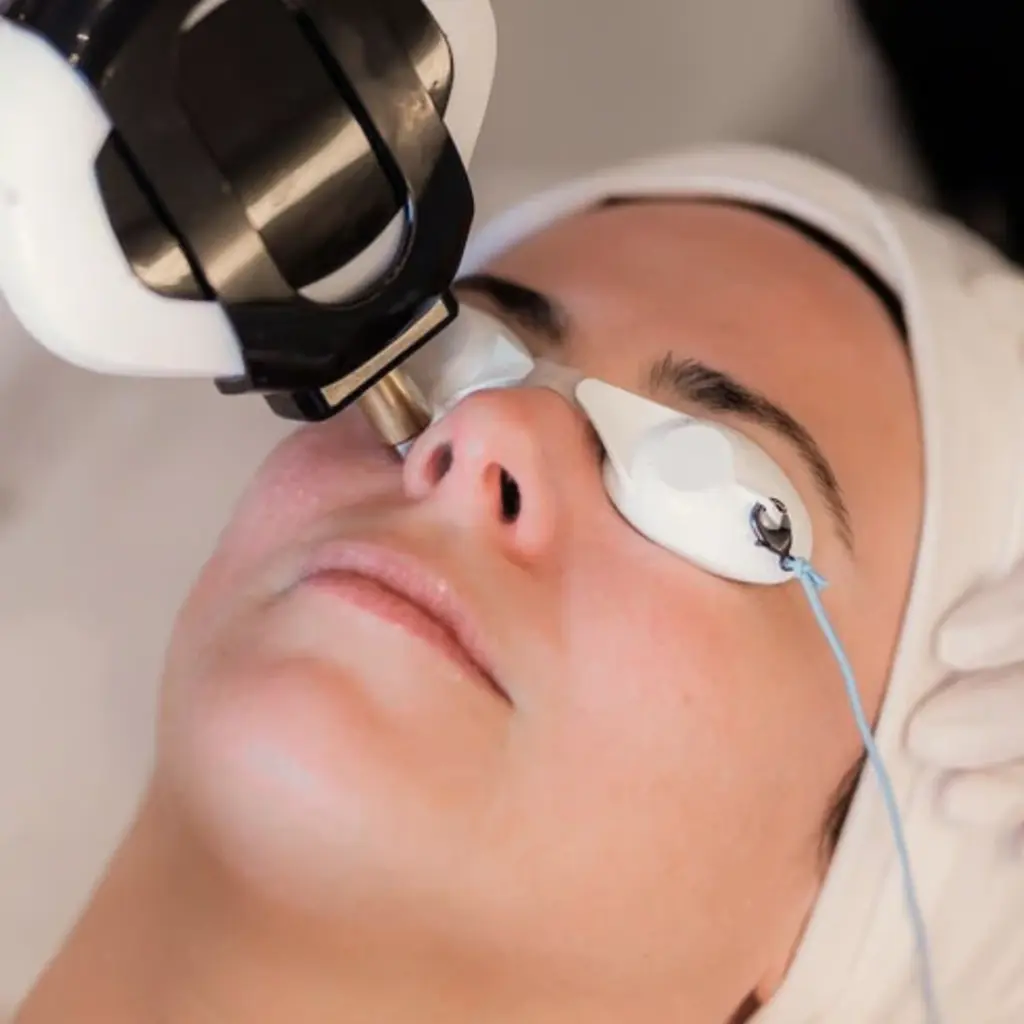
A major development in ocular surface care is Intense Pulsed Light (IPL) therapy. This non-invasive treatment involves applying precisely calibrated pulses of light to the skin around the eyelids and upper cheeks. The gentle thermal energy from the light melts hardened, stagnant oils trapped inside the meibomian glands, reduces abnormal blood vessels that fuel chronic eyelid inflammation, and stimulates the natural nerve loops responsible for healthy tear secretion. This approach addresses the root cause of evaporative dryness, providing long-lasting comfort.
Thermal Pulsation Systems (LipiFlow)
For advanced cases of gland blockages, automated thermal pulsation treatments can be utilized. A specialized single-use device is placed gently over the eyelids to deliver a precise combination of warm temperature and gentle, rhythmic massage pressure directly to the inner lid structures. This automated process safely clears out old, hardened blockages from the oil channels, allowing the glands to resume their natural secretion of healthy, fluid lipids during daily blinking.
Punctal Occlusion (Preserving Your Natural Tears)
If a clinical diagnostic scan shows that your eyes are simply not producing a sufficient volume of water, a method called punctal occlusion can be considered. An eye specialist inserts microscopic, biocompatible plugs into the tiny tear drainage ducts located in the corners of your eyelids. By blocking these exit channels, your natural tears remain on the surface of the eye for a significantly longer period, maximizing localized lubrication without altering the structural anatomy of the eye.
Everyday Routines to Manage Evaporative Dry Eye Naturally
While modern clinical therapies restore the baseline health of your ocular tissues, incorporating healthy daily habits into your routine is essential for maintaining those results over time.
- Practice the 20-20-20 Rule: When working on digital screens, take a break every 20 minutes to look at an object 20 feet away for at least 20 seconds. This intentional shift encourages full, complete blinks to redistribute your tear film evenly.
- Optimize Your Indoor Air: Use a dedicated humidifier in your bedroom or office to introduce gentle moisture back into dry, air-conditioned or heated environments, reducing tear evaporation rates.
- Increase Omega-3 Fatty Acids: Incorporating foods rich in omega-3s, such as salmon, walnuts, and flaxseeds, can support the healthy oil production of your eyelid glands from the inside out.
FAQ: Frequently Asked Questions
How long does a dry eye flare last?
An acute flare-up triggered by temporary environmental stress, such as a long flight or an intense day of screen use, typically resolves within a few days once you rest your eyes and restore normal hydration. However, if the underlying gland blockages are left untreated, the inflammation can turn into a chronic, long-term issue.
Can dry eye syndrome affect your eyesight permanently?
In mild to moderate cases, dryness causes temporary blurred vision that improves after blinking or using drops. However, if severe, chronic dryness is left completely unmanaged, it can eventually cause micro-ulcers, scarring on the cornea, or surface chronic infections that may permanently impair visual clarity.
Is dry eye a symptom of an underlying systemic condition?
Yes, chronic dryness can occasionally serve as an early indicator of an auto-immune or systemic health condition, such as Sjögren’s syndrome, rheumatoid arthritis, or specific thyroid disorders, which require a comprehensive medical evaluation.
Why do my eyes water so much if they are dry?
When the outer lipid layer of your tear film is missing or of poor quality, your tears evaporate too quickly, leaving the cornea exposed. This sudden dryness irritates the ocular surface, causing the brain to send an emergency signal that floods the eye with low-quality watery tears (reflex tearing) that unfortunately dry up almost instantly.

 |
|