
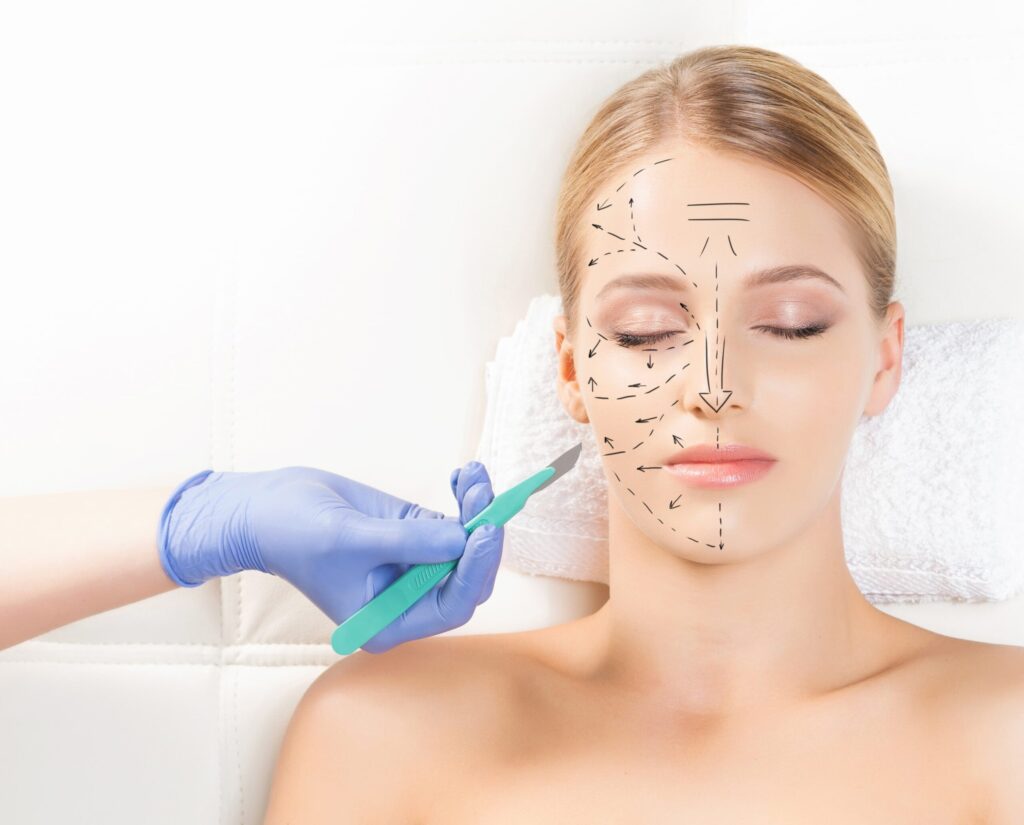
Plastic Surgery has become one of the most discussed topics in modern healthcare, blending medical science with aesthetics and personal transformation. Whether the goal is reconstructive improvement or cosmetic enhancement, Plastic Surgery involves a detailed process that goes far beyond the operating room. From psychological readiness to surgical planning and post operative recovery, each phase contributes to the final outcome.
At WellDemir, the philosophy behind every Plastic Surgery journey centers on patient education, transparent communication, and evidence informed decision making. While cosmetic procedures such as aesthetic surgery, reconstructive interventions, and minimally invasive treatments are increasingly common worldwide, preparation remains one of the most critical yet underestimated stages.
Table of Contents
Understanding Plastic Surgery Procedures and Patient Expectations
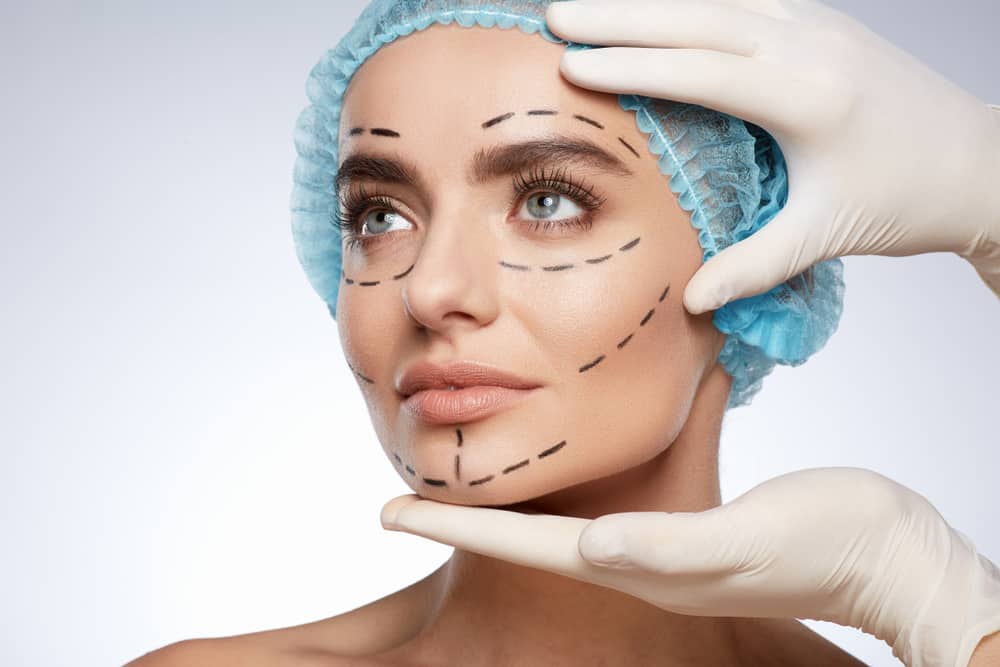
Plastic Surgery encompasses a broad range of procedures, from facial rejuvenation and body contouring to reconstructive microsurgery. The field combines anatomical precision with artistic evaluation. According to global healthcare trend analyses, the demand for cosmetic procedures has steadily increased over the past decade, influenced by social perception, medical tourism, and technological innovation.
Get Free Consultation
Have any questions? Leave your details and we'll get back to you shortly.
Before undergoing Plastic Surgery, patients typically engage in a multi layered evaluation process. This includes reviewing medical history, discussing expectations, and understanding procedural limitations. Research in surgical psychology suggests that patients with realistic expectations often report higher satisfaction levels after aesthetic interventions.
It is important to distinguish between cosmetic surgery and reconstructive surgery. Cosmetic procedures aim to enhance appearance, while reconstructive interventions address congenital anomalies, trauma, or medical conditions. Both fall under the umbrella of Plastic Surgery, yet their motivations and outcomes may differ significantly.
Preparing for Plastic Surgery Safely and Strategically
Preparation for Plastic Surgery involves both physical and psychological readiness. Pre operative protocols often include laboratory tests, imaging studies, and medication reviews. Surgeons may assess cardiovascular health, body mass index, and lifestyle habits such as smoking, which can influence wound healing.
A structured preparation plan may include:
- Medical evaluation and documentation
- Medication adjustments under supervision
- Nutritional assessment
- Lifestyle modifications
- Informed consent discussions
Studies examining surgical safety emphasize that clear communication between patient and surgeon reduces complication rates. Transparent dialogue about goals, limitations, and possible side effects forms the foundation of responsible Plastic Surgery planning.
Psychological readiness also plays a vital role. Research in body image perception shows that individuals with stable emotional expectations adapt more positively to post operative changes. Therefore, preparation extends beyond physical metrics and includes mental resilience.
Common Risks Associated with Plastic Surgery
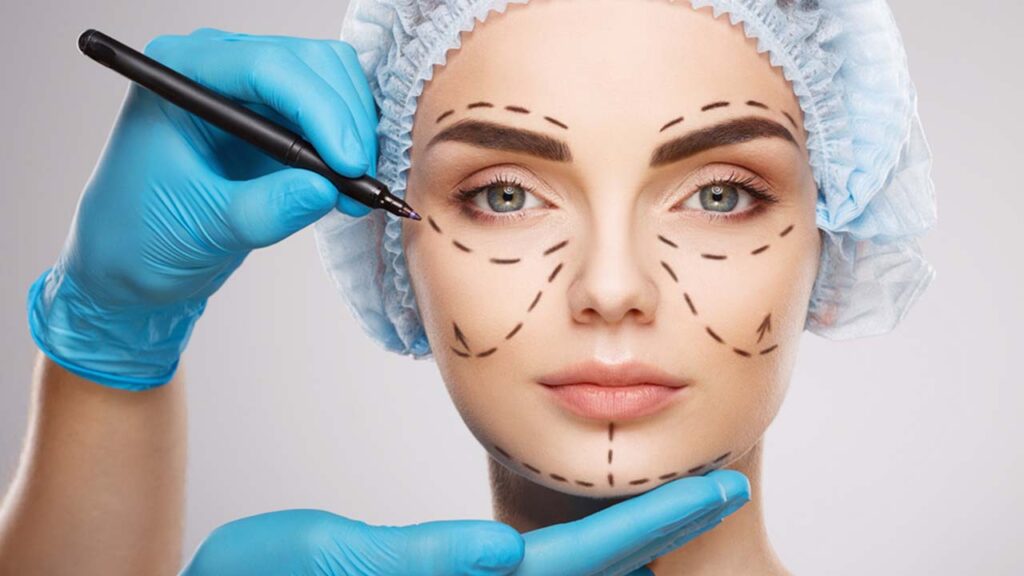
Like all surgical interventions, Plastic Surgery carries potential risks. These may vary depending on the type of procedure, anesthesia method, and patient specific factors. While modern techniques and sterile protocols have significantly improved safety, understanding possible complications remains essential.
Potential risks may include:
| Risk Factor | Description | Influencing Variables |
| Infection | Post operative bacterial growth | Immune health, wound care |
| Bleeding | Excessive bleeding during or after surgery | Medication use, clotting profile |
| Scarring | Visible or hypertrophic scar formation | Skin type, surgical technique |
| Anesthesia reactions | Sensitivity to anesthetic agents | Medical history |
Large scale clinical reviews indicate that complication rates in Plastic Surgery are generally low when procedures are performed in accredited facilities by experienced specialists. However, no procedure is entirely risk free. Understanding these variables allows individuals to weigh benefits and considerations more realistically.
In addition, factors such as surgical duration and combined procedures may influence recovery complexity. Comprehensive consultation helps contextualize these aspects.
The Role of Surgeon Selection in Plastic Surgery Outcomes
One of the most influential variables in Plastic Surgery outcomes is surgeon expertise. Board certification, institutional accreditation, and documented clinical experience often correlate with improved patient satisfaction.
When evaluating a clinic or surgeon, individuals frequently consider:
- Academic background and specialized training
- Before and after case portfolios
- Patient testimonials and transparent communication
- Hospital privileges and safety standards
Global accreditation systems and peer reviewed medical audits support the importance of standardized protocols in Plastic Surgery. Research suggests that complication rates decrease in facilities that follow structured quality control measures.
At WellDemir, multidisciplinary collaboration between anesthesiologists, surgical teams, and post operative care coordinators forms part of the integrated Plastic Surgery pathway. This approach aligns with international patient safety frameworks.
Plastic Surgery Recovery Process and Healing Phases
Recovery after Plastic Surgery is often described in phases rather than a single linear process. Immediate post operative recovery typically focuses on stabilization and monitoring. The early healing phase involves inflammation and tissue repair, while the remodeling phase may continue for several months.
Biological healing mechanisms include collagen synthesis, tissue regeneration, and vascular adaptation. Scientific literature shows that adequate rest, monitored follow up visits, and adherence to post operative instructions contribute to smoother recovery trajectories.
Common recovery stages include:
- Immediate post anesthesia monitoring
- Early swelling and bruising phase
- Progressive tissue stabilization
- Long term scar maturation
Although timelines differ depending on procedure type, Plastic Surgery recovery often requires patience. Visible results may evolve gradually, and swelling reduction can take weeks or months. Understanding this biological timeline helps manage expectations.
Lifestyle Factors That Influence Plastic Surgery Results
Lifestyle behaviors can significantly impact Plastic Surgery outcomes. Research on surgical healing consistently highlights the influence of nutrition, hydration, and avoidance of tobacco products on tissue repair processes.
Smoking, for instance, has been associated with delayed wound healing due to vascular constriction. Similarly, nutritional deficiencies may affect collagen formation. Balanced dietary patterns rich in protein and micronutrients are frequently discussed in academic publications related to surgical recovery.
Stress management also plays a subtle yet meaningful role. Elevated cortisol levels may influence immune response and inflammatory processes. Therefore, holistic preparation before Plastic Surgery extends beyond the operating theater and into daily routines.
Physical activity guidelines vary depending on the type of aesthetic procedure. Gradual reintroduction of movement is typically discussed during follow up evaluations to prevent strain on healing tissues.
Psychological and Social Considerations in Plastic Surgery
Beyond clinical factors, Plastic Surgery intersects with identity, self perception, and social dynamics. Sociological research indicates that aesthetic procedures may influence confidence levels, interpersonal relationships, and professional interactions.
However, experts emphasize the importance of intrinsic motivation. Decisions driven by personal goals rather than external pressure are often associated with healthier adjustment outcomes. This psychological dimension reinforces why comprehensive consultation is integral to responsible Plastic Surgery planning.
Social support systems may also affect recovery experiences. Individuals who feel supported during healing often report lower stress levels. Transparent discussions with family or close friends may contribute to smoother emotional transitions following aesthetic interventions.
A Thoughtful Approach to Plastic Surgery
Plastic Surgery is both a medical discipline and a deeply personal journey. From initial consultation to final recovery stages, each step requires informed awareness and strategic preparation. While modern techniques have enhanced safety and predictability, understanding potential risks, lifestyle influences, and psychological readiness remains fundamental.
At WellDemir, the approach to Plastic Surgery prioritizes evidence based evaluation, ethical communication, and individualized care pathways. By exploring safety measures, surgeon selection, recovery phases, and lifestyle considerations, individuals can approach aesthetic procedures with greater clarity and confidence.
Ultimately, successful Plastic Surgery experiences are shaped not only by surgical technique but also by preparation, realistic expectations, and long term follow up. An informed patient is empowered to participate actively in their transformation process, ensuring that aesthetic goals align with overall wellbeing.

 |
|