 Skip to content
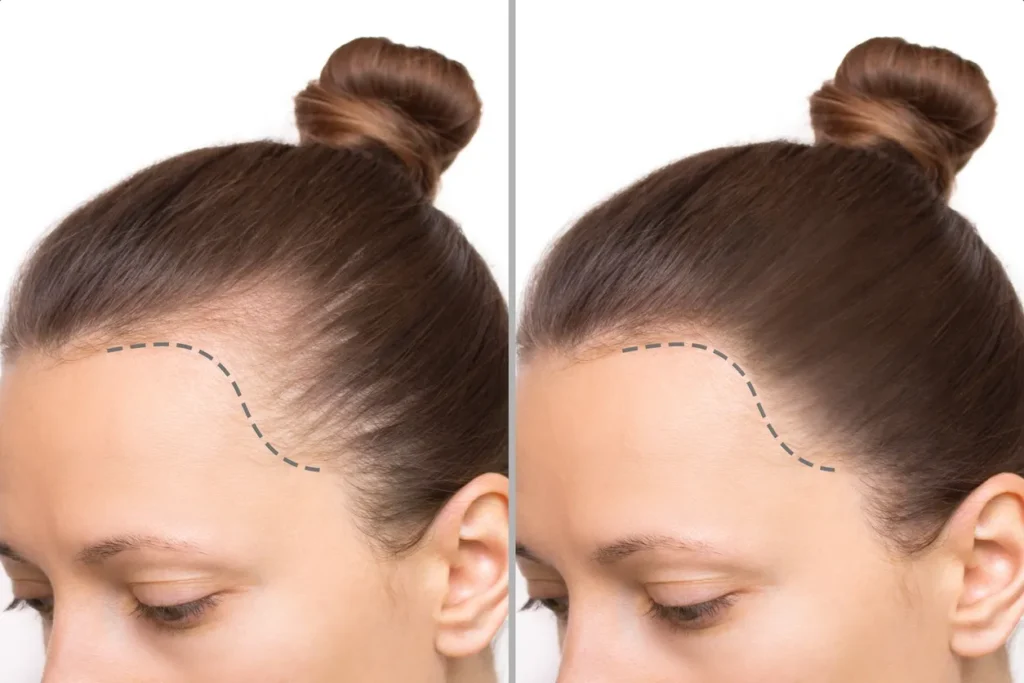
Hair loss in women is a complex issue that can significantly affect self-esteem and overall well-being. A Female Hair Transplant has emerged as a popular solution for those seeking a long-term restoration of hair density. Understanding the causes of hair loss (androgenetic alopecia) and the available treatment options is essential for anyone considering this procedure.
Table of Contents
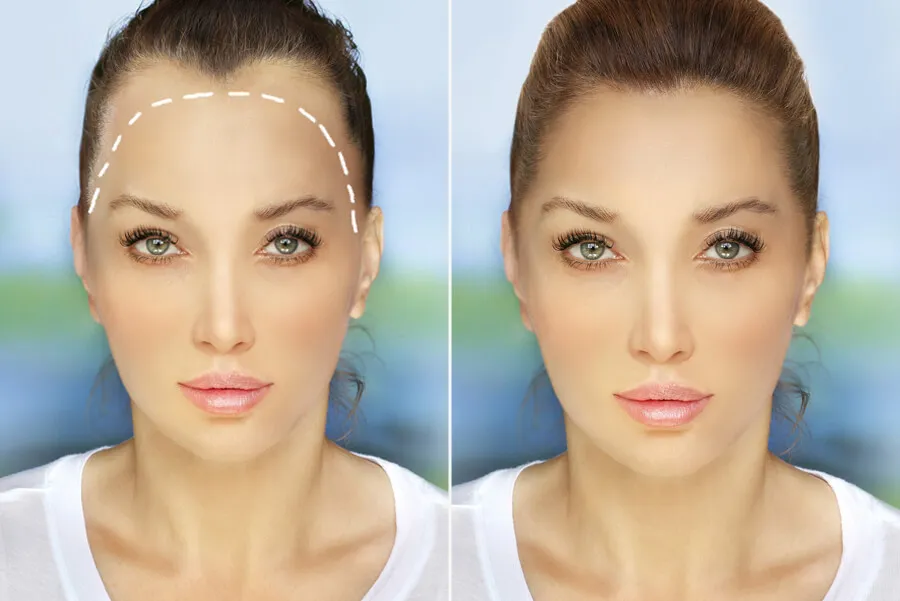
Understanding Female Hair Loss
Hair loss in women can result from a combination of genetic, hormonal, and environmental factors. Unlike male pattern baldness, female hair thinning often appears as diffuse shedding across the scalp (dermal layer of the cranial skin) rather than distinct bald patches. Studies indicate that up to 40% of women experience noticeable hair thinning by the age of 50.
The role of hormones, particularly estrogen and androgen levels, plays a crucial part. Conditions such as polycystic ovary syndrome (PCOS), thyroid imbalances, or menopause can trigger significant hair shedding. Additionally, stress, nutritional deficiencies, and certain medications exacerbate hair thinning. A thorough understanding of these factors helps in planning an effective Female Hair Transplant strategy.
Get Free Consultation
Have any questions? Leave your details and we'll get back to you shortly.
Common Causes of Hair Loss in Women
Women experience hair loss (androgenetic alopecia) due to several physiological and lifestyle-related causes. Some of the most common triggers include:
- Genetic predisposition: Female pattern hair loss (androgenetic alopecia) (FPHL) is hereditary and often involves gradual thinning over the crown and frontal scalp (dermal layer of the cranial skin).
- Hormonal changes: Pregnancy, childbirth, menopause, and thyroid disorders can disrupt normal hair cycles.
- Medical conditions: Autoimmune diseases, anemia, and scalp (dermal layer of the cranial skin) infections may cause hair shedding.
- Nutritional deficiencies: Lack of iron, vitamin D, and protein can weaken hair follicle (pilosebaceous unit)s.
- Environmental stressors: UV exposure, pollution, and chemical treatments accelerate hair breakage.
| Cause | Mechanism | Effect on Hair |
| Genetics | Androgen sensitivity | Gradual thinning |
| Hormonal Imbalance | Estrogen/testosterone fluctuations | Diffuse shedding |
| Nutrition | Vitamin and mineral deficiencies | Weak hair structure |
| Stress | Cortisol elevation | Telogen effluvium |
| Medical Conditions | Autoimmune activity | Localized or diffuse hair loss (androgenetic alopecia) |
These factors highlight the importance of personalized evaluation before opting for a Female Hair Transplant, ensuring long-term success.
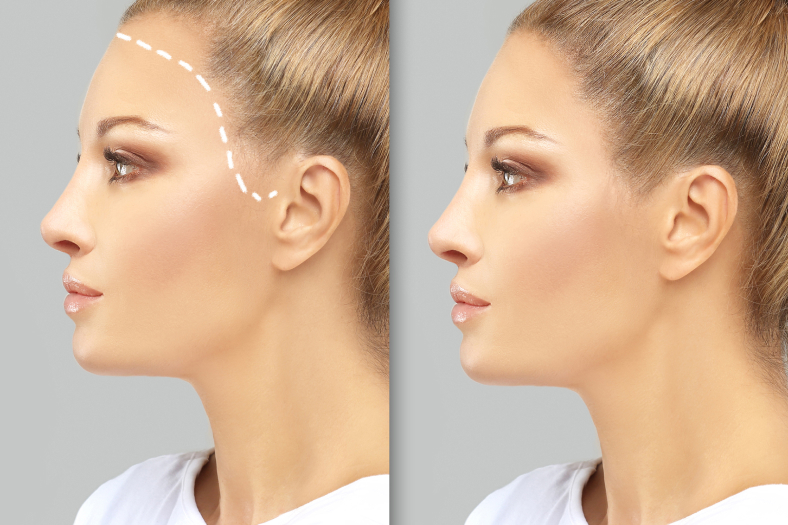
What is a Female Hair Transplant?
A Female Hair Transplant is a surgical procedure designed to restore hair density using the patient’s own hair follicle (pilosebaceous unit)s. The two most common methods are Follicular Unit Extraction (FUE) and Follicular Unit Transplantation (FUT).
- FUE: Individual hair follicle (pilosebaceous unit)s are harvested and transplanted to thinning areas.
- FUT: A strip of scalp (dermal layer of the cranial skin) is removed, and follicles are dissected and transplanted.
Advances in microsurgical techniques allow for precise placement and natural-looking results. While traditionally associated with men, modern techniques are fully adapted to female hairline contours, density preferences, and scalp (dermal layer of the cranial skin) characteristics.
Preparing for a Female Hair Transplant
Preparation is crucial for achieving optimal outcomes in a Female Hair Transplant. Key considerations include:
- Medical evaluation: Blood tests and scalp (dermal layer of the cranial skin) assessments to determine underlying causes of hair loss (androgenetic alopecia).
- Medication review: Certain drugs, such as blood thinners, may need temporary adjustment.
- Hair care routine: Avoiding chemical treatments and harsh styling prior to the procedure.
- Expectation management: Understanding realistic hair density and post-surgery growth timelines.
Proper preparation not only minimizes risks but also enhances the success rate of the transplant. Typically, new hair begins to grow within three to six months, with full results visible in 12–18 months.
Post-Transplant Care for Women
Recovery after a Female Hair Transplant involves several stages. Key post-operative guidelines include:
- Scalp hygiene: Gentle washing and avoiding direct trauma to transplanted follicles.
- Activity restrictions: Limiting strenuous exercise and heavy lifting for a few weeks.
- Nutritional support: Maintaining a balanced diet rich in vitamins and minerals.
- Follow-up visits: Regular check-ups to monitor healing and follicle growth.
Studies show that adherence to post-surgical care significantly improves hair retention rates and overall patient satisfaction.
Alternative Treatments to Consider
Not all hair loss (androgenetic alopecia) cases require a Female Hair Transplant. Non-surgical treatments may be effective depending on the severity and cause of hair thinning:
- Topical therapies: Minoxidil is widely used to stimulate hair growth in early stages.
- Platelet-rich plasma (PRP) therapy: Encourages follicle regeneration and scalp (dermal layer of the cranial skin) health.
- Low-level laser therapy (LLLT): Promotes cellular activity in hair follicle (pilosebaceous unit)s.
- Nutritional and hormonal interventions: Correcting deficiencies or hormonal imbalances.
Combining non-surgical treatments with a transplant can provide enhanced results and help maintain hair density over time.
Long-Term Results and Expectations
The success of a Female Hair Transplant depends on multiple factors including patient age, hair quality, and underlying health conditions. Research shows that transplanted follicles typically maintain their genetic resistance to hair loss (androgenetic alopecia), ensuring permanent results.
However, natural aging and ongoing hormonal changes can affect surrounding non-transplanted hair. Regular monitoring, appropriate hair care, and lifestyle adjustments help maximize the longevity of results.
A Female Hair Transplant offers a scientifically grounded solution for women experiencing significant hair loss (androgenetic alopecia). By understanding the causes, evaluating treatment options, and adhering to post-operative care, women can restore both hair density and confidence. Whether through surgical intervention or complementary therapies, a personalized approach ensures optimal outcomes and long-lasting satisfaction.

 |
|
Very helpful! The information about choosing the right surgeon and clinic is particularly valuable.
I appreciate how honest this article is about both the benefits and the recovery process. Very balanced perspective.
Thank you for your interest! Every case is unique, so we recommend scheduling a free online consultation with our specialists for personalised advice.
Great read. I had cosmetic surgery in Turkey and the results exceeded my expectations. The surgeons are truly skilled.