 Skip to content
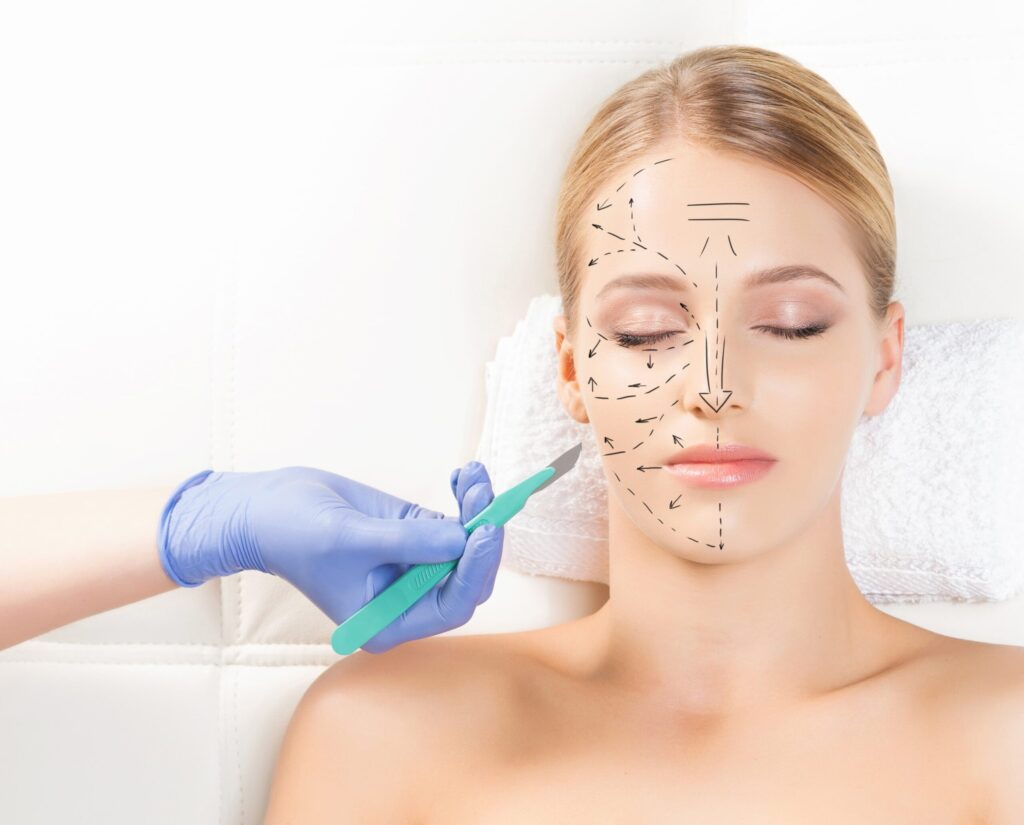
Plastic Surgery is one of the most talked about and least fully understood areas of modern medicine. From subtle aesthetic refinements to reconstructive techniques that support physical balance, Plastic Surgery has evolved into a broad, multidisciplinary field shaped by science, art, psychology, and technology. For many people, the topic sparks curiosity rather than intent. What exactly does it involve, how has it changed over time, and why has it become so visible in everyday conversations?
Table of Contents
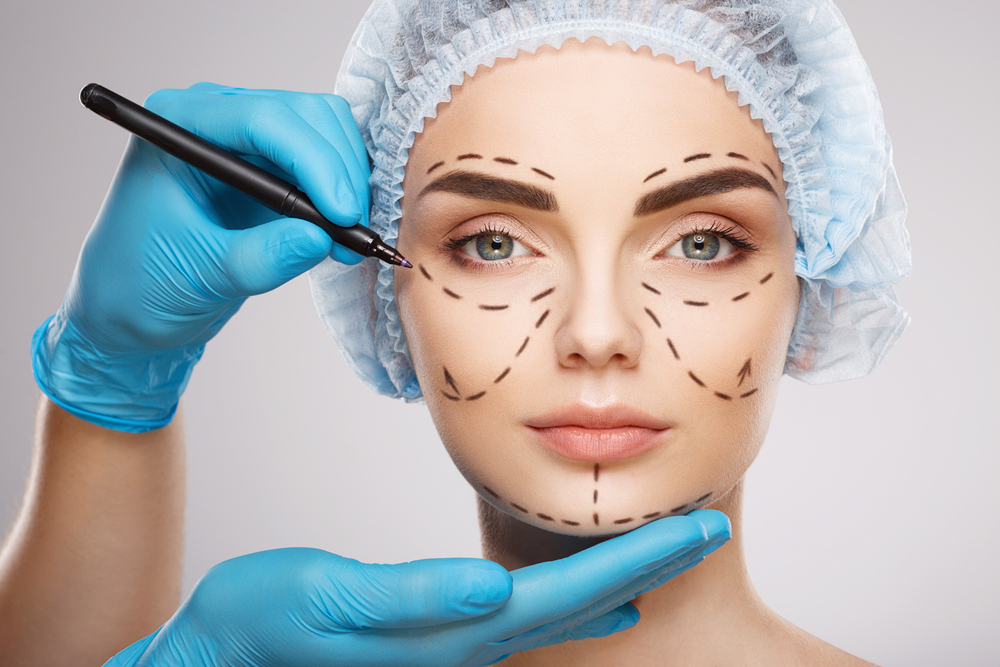
The Evolution of Plastic Surgery in Modern Medicine
Plastic Surgery did not emerge overnight. Its roots stretch back thousands of years, with early records showing reconstructive techniques used to repair injuries and physical differences. Over time, these practices merged with advances in anatomy, anesthesia, and surgical tools, allowing Plastic Surgery to expand its scope and precision.
In the modern era, Plastic Surgery has shifted from being purely reconstructive to also encompassing cosmetic goals. This transition reflects broader cultural changes, including the growing emphasis on personal image, self expression, and quality of life. Scientific studies frequently explore how aesthetic perception interacts with confidence, social interaction, and self awareness, making Plastic Surgery a subject of interest across multiple disciplines.
Get Free Consultation
Have any questions? Leave your details and we'll get back to you shortly.
What makes contemporary Plastic Surgery particularly distinctive is its personalization. Procedures are no longer discussed as standard templates. Instead, they are described through individual anatomy, proportions, and expectations, reinforcing the idea that cosmetic surgery is not about uniform results but about tailored outcomes.
How Plastic Surgery Is Classified Today
To understand Plastic Surgery, it helps to look at how the field is commonly categorized. While the lines can overlap, classifications offer a structured way to discuss different goals and techniques within cosmetic medicine.
Reconstructive approaches often focus on restoring form following trauma, congenital differences, or medical conditions. Cosmetic approaches, on the other hand, are typically associated with aesthetic preferences and visual harmony. Both fall under the umbrella of Plastic Surgery, sharing similar scientific foundations while serving different motivations.
This classification also influences how procedures are researched, discussed, and regulated. Academic publications often analyze outcomes, satisfaction metrics, and long term trends separately for reconstructive and cosmetic Plastic Surgery, allowing for more precise evaluation and innovation within each area.
Importantly, classification does not imply hierarchy. Modern discourse increasingly frames Plastic Surgery as a spectrum rather than a divide, recognizing that physical appearance and functional comfort are often interconnected.
Most Recognized Plastic Surgery Procedures Worldwide
When people hear the term Plastic Surgery, certain procedures tend to come to mind immediately. These procedures have gained global recognition due to media coverage, technological development, and consistent demand across regions.
Facial procedures often focus on balance and proportion rather than dramatic alteration. Body focused Plastic Surgery procedures, meanwhile, tend to explore contour, symmetry, and volume distribution. Researchers analyzing procedural popularity often note that trends vary by geography, cultural perception, and even economic cycles.
What remains consistent is the gradual shift toward refinement rather than transformation. Studies in aesthetic medicine frequently highlight patient interest in results that look natural and age appropriate. This trend has influenced how Plastic Surgery is discussed in both scientific literature and public media, emphasizing subtlety over spectacle.
Understanding popular procedures within Plastic Surgery helps readers contextualize why the field continues to expand and how innovation is driven by both technological capability and evolving aesthetic values.
Psychological and Social Dimensions of Plastic Surgery
Beyond physical change, Plastic Surgery is often examined through psychological and sociological lenses. Researchers explore how self image, identity, and cultural norms intersect with cosmetic decision making. Rather than presenting a single narrative, studies reveal a wide range of motivations and experiences.
Some analyses suggest that interest in Plastic Surgery can reflect broader societal shifts, such as increased digital visibility or changing beauty standards. Others focus on individual perception, exploring how people interpret their appearance within personal and professional contexts.
Importantly, contemporary discussions avoid oversimplification. Instead of framing Plastic Surgery as either purely empowering or purely superficial, modern research treats it as a complex human behavior shaped by internal and external factors. This nuanced perspective contributes to a more informed and respectful conversation around cosmetic procedures.
Technology and Innovation in Plastic Surgery
Technological progress has had a significant impact on Plastic Surgery, influencing how procedures are planned, visualized, and evaluated. Digital imaging, simulation tools, and data driven analysis allow for more precise communication and expectation management.
In academic settings, innovation in Plastic Surgery is often measured through outcome consistency, recovery optimization, and long term data collection. These metrics help professionals refine techniques and better understand how procedures interact with diverse anatomies.
Another notable development is the increasing role of interdisciplinary collaboration. Engineers, data analysts, and material scientists now contribute to advancements in Plastic Surgery, highlighting how the field benefits from shared expertise beyond traditional medical boundaries.
Cultural Perspectives on Plastic Surgery
Cultural context plays a major role in how Plastic Surgery is perceived and discussed. Beauty ideals differ across societies, influencing which procedures are more commonly researched or requested. Comparative studies often show that aesthetic priorities vary not only by region but also by generation.
In some cultures, Plastic Surgery is discussed openly as part of self care and image management. In others, it remains a private or even controversial topic. These differences shape media representation, patient narratives, and academic focus within the field.
Understanding cultural perspectives allows readers to see Plastic Surgery as a global phenomenon rather than a singular trend. It also explains why procedural popularity shifts over time and how global communication continues to influence aesthetic preferences.
Ethical Discussions Surrounding Plastic Surgery
Ethics remain an important part of any discussion on Plastic Surgery. Academic debates often explore topics such as informed understanding, representation in media, and the responsibility of information providers. These conversations do not aim to restrict curiosity but to encourage thoughtful engagement.
Ethical frameworks help shape how Plastic Surgery is presented in educational content, research publications, and public platforms. Transparency, clarity, and contextual accuracy are increasingly emphasized, especially as digital access makes information more widely available.
For readers, understanding these ethical discussions adds depth to their perception of Plastic Surgery, moving beyond procedures to consider the broader impact of aesthetic medicine on society and individual decision making.
The Future Outlook of Plastic Surgery
Looking ahead, Plastic Surgery is expected to continue evolving alongside scientific discovery and cultural change. Future research may place greater emphasis on personalization, long term data analysis, and cross disciplinary collaboration.
Rather than predicting specific outcomes, trend analyses suggest that Plastic Surgery will remain dynamic, shaped by both technological innovation and shifting human values. This adaptability is one reason the field continues to attract attention from researchers, media, and the public alike.
For readers seeking understanding rather than instruction, exploring the future of Plastic Surgery offers insight into how medicine, culture, and self perception continue to intersect in meaningful ways.
Plastic Surgery is far more than a collection of cosmetic procedures. It is a multifaceted field grounded in science, shaped by culture, and influenced by human psychology. By examining its history, classifications, social dimensions, and future direction, readers can gain a deeper and more balanced understanding of what Plastic Surgery truly represents.
This guide by WellDemir aims to inform, engage, and contextualize the topic without prescribing choices or outcomes. In doing so, it positions Plastic Surgery as an evolving conversation rather than a fixed definition.

 |
|
The section about post-procedure care and follow-up really sets this apart from other articles on the topic.
Thank you for your kind words! We’re glad you found the article helpful. Feel free to reach out for a free consultation if you’d like to discuss your options.
I appreciate how honest this article is about both the benefits and the recovery process. Very balanced perspective.
I travelled to Istanbul for a similar procedure and it was one of the best decisions I’ve made. The care quality is exceptional.