 Skip to content
Weight loss is rarely a straight line, and that is especially true after Gastric Balloon treatment. Many people begin this journey with strong motivation, noticeable early results, and a sense of relief that appetite finally feels more manageable. Yet months later, some notice the scale creeping upward again. That moment can feel discouraging, confusing, and even a little unfair. If the balloon helped once, why does weight regain happen at all, and what does “revision” really mean afterward?
At WellDemir, the goal is not to dramatize this experience but to explain it clearly. Revision after Gastric Balloon is not always a sign of failure. In many cases, it reflects how complex human metabolism, behavior, digestion, stress, and long-term weight regulation really are. A temporary intragastric device may create a strong early tool for portion control, but the body and mind continue adapting long after the initial phase ends. Understanding that process is the first step toward making sense of what may come next.
Table of Contents
How Gastric Balloon Treatment Works in the First Place
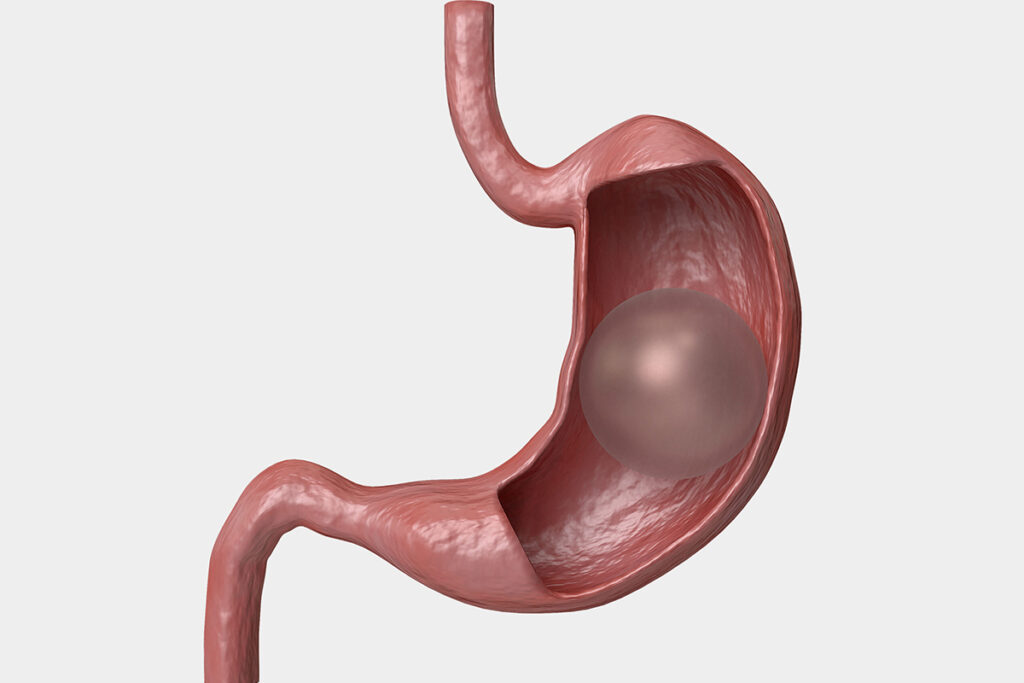
Gastric Balloon treatment is generally designed as a temporary, non-surgical weight-loss aid placed inside the stomach to help create earlier fullness and reduce meal volume. In simple terms, the balloon occupies space, which may make it easier for some patients to eat less and feel satisfied sooner. That mechanical effect can support behavioral change, especially during the first months.
Get Free Consultation
Have any questions? Leave your details and we'll get back to you shortly.
However, the balloon itself is not usually considered a standalone cure for obesity (morbid obesity, BMI >40) or long-term weight regulation. It is more accurate to think of Gastric Balloon as a tool that may assist with appetite control while someone works on nutrition habits, movement patterns, meal timing, and emotional eating triggers. Research and clinical observations often suggest that the best outcomes tend to appear when the device is combined with structured follow-up rather than used in isolation.
Another important point is timing. A gastric balloon (intragastric balloon therapy), also called an intragastric balloon (intragastric balloon therapy), typically remains in place for a limited period. Because of that, the treatment window is relatively short compared with lifelong metabolic tendencies. During that window, some people build durable routines. Others lose weight quickly but struggle once the device is removed. The difference is not always motivation alone; biology, hormones, sleep, mental health, and environmental pressures may all influence the outcome.
This is why conversations about revision after Gastric Balloon should begin with realism. The balloon can be effective, but it works within a broader system. Weight loss may happen quickly. Weight maintenance is usually slower, less dramatic, and more demanding.
Why Weight Regain Can Happen After a Gastric Balloon
Weight regain after Gastric Balloon is not unusual, and it is not necessarily caused by one single mistake. Human metabolism is adaptive. When body weight drops, the body may respond by lowering energy expenditure, increasing hunger signals, and encouraging calorie conservation. In plain English: the body often resists change, especially after significant weight loss.
That resistance can become more visible once the balloon is removed. During treatment, portion size may feel naturally limited. After removal, stomach capacity is no longer mechanically altered in the same way. If old habits return, or if new habits were never fully established, eating patterns may gradually shift back. This does not mean the balloon “stopped working.” It may simply mean the support it provided was temporary.
Several factors are commonly discussed in relation to post-balloon weight regain:
| Potential Factor | How It May Influence Weight Regain |
| Return of appetite | Fullness may decrease after balloon removal |
| Emotional eating | Stress, boredom, or anxiety may drive overeating |
| Metabolic adaptation | The body may burn fewer calories after weight loss |
| Irregular follow-up | Less guidance may reduce accountability |
| Unrealistic expectations | Short-term success may not translate into long-term structure |
| Sedentary routines | Lower activity may make maintenance harder |
There is also the psychological side. Some people unconsciously view Gastric Balloon as the “active phase” and life after removal as the “normal phase.” That split can be risky. If healthy routines are treated like a temporary project rather than a lasting framework, regain may become more likely. Weight regulation often depends less on dramatic effort and more on repeatable patterns.
What “Revision” Means After Gastric Balloon Treatment
The word revision can sound intimidating, but in this context it simply refers to reassessment and the possibility of a next-step strategy after Gastric Balloon treatment. Revision does not always mean repeating the exact same procedure. It may involve reviewing what worked, what changed, and which options make sense now.
For some individuals, revision may mean considering another balloon placement if they previously responded well but need renewed structure. For others, revision may mean shifting toward a different pathway entirely, such as a more intensive nutritional program, a physician-guided obesity (morbid obesity, BMI >40) treatment plan, or discussion of endoscopic or surgical alternatives depending on personal circumstances. The key point is that revision is usually about fit, not punishment.
Clinicians often look at several questions during a revision discussion:
- How much weight was lost during the balloon period?
- When did regain begin?
- Were eating behaviors significantly changed or only temporarily reduced?
- Was follow-up consistent?
- Were there side effects that affected adherence?
- Are there metabolic, hormonal, or lifestyle factors that deserve closer attention?
This type of analysis matters because not all regain is the same. If someone regained weight mainly after a major life stressor, the strategy may differ from someone whose hunger remained high throughout treatment. If the first Gastric Balloon placement produced minimal response, repeating the same intervention may not always offer the most value. Good revision thinking is investigative, not automatic.

Signs That a Gastric Balloon Revision Conversation May Be Worth Having
There is no universal formula for deciding when to revisit treatment, but certain patterns often suggest that a deeper conversation could be useful. One sign is steady weight regain after initial success. Another is the return of strong hunger, grazing behavior, or late-night eating that feels difficult to manage despite sincere effort.
A revision conversation after Gastric Balloon may also be relevant if the first treatment helped with portion control but the benefits faded quickly after removal. In such cases, the central issue may not be whether the balloon “worked,” but whether the broader support plan was enough. Some people discover that they benefited from the structure, regular check-ins, and physical satiety of the treatment period more than they expected.
Another possible sign is a mismatch between expectations and actual outcomes. If someone entered Gastric Balloon treatment expecting a permanent solution, disappointment may follow even after meaningful early progress. In contrast, if treatment is reframed as one stage in a longer process, revision can become less emotionally charged and more practical.
It may also matter whether weight regain is accompanied by other changes. Reduced energy, worsening mobility, renewed digestive discomfort, or a drop in confidence around eating patterns can all influence quality of life. While none of these signs alone defines the need for revision, together they may indicate that a person would benefit from reviewing the full picture rather than simply “trying harder.”
Options That May Be Considered After Weight Regain
After weight regain following Gastric Balloon, the next step is not always another procedure. In some cases, a revised non-procedural plan may be explored first. This can include a fresh nutrition structure, more frequent monitoring, behavioral coaching, and a closer look at meal rhythm, sleep, and stress load. Sometimes the issue is not lack of information but lack of support.
In other situations, a second Gastric Balloon may be considered. This may appeal to people who tolerated the first placement reasonably well and experienced meaningful appetite reduction. Still, repeat placement is not automatically ideal for everyone. Clinical suitability can vary depending on prior response, anatomy, tolerance, and overall goals.
There may also be discussion of other obesity (morbid obesity, BMI >40)-treatment pathways. Depending on the individual, these could include endoscopic sleeve gastroplasty, medication-based support, or bariatric surgery. These options differ significantly in intensity, durability, eligibility, and recovery. That is why comparison matters more than assumption.
Here is a simplified overview:
| Approach | General Idea | Possible Appeal | Important Consideration |
| Repeat balloon | Another temporary intragastric device | Familiar, less invasive than surgery | Results may depend on stronger follow-up |
| Lifestyle revision | Structured nutrition and behavior reset | Non-procedural | May require high consistency |
| Medical obesity (morbid obesity, BMI >40) treatment | Physician-guided therapies | Broader metabolic support | Suitability varies |
| Endoscopic alternatives | Different non-surgical techniques | May offer longer effect | Not identical to balloon experience |
| Bariatric surgery | Surgical weight-loss procedures | Stronger long-term impact for some | More invasive, different commitment |
The best path after Gastric Balloon is often the one that matches both biology and behavior. A method that looks powerful on paper may still underperform if it does not fit the person’s daily reality.
The Science Behind Regain: Biology, Behavior, and the Brain
Weight regain after Gastric Balloon becomes easier to understand when viewed through three interacting systems: biology, behavior, and the brain. Biologically, the body may interpret weight loss as a stressor. Hormones linked to appetite and satiety can shift. Resting energy expenditure may decline. Cravings for calorie-dense foods may feel more intense than before.
Behaviorally, early restriction can sometimes create a rebound pattern. If someone spends months eating smaller portions mainly because the balloon makes it uncomfortable to overeat, they may not fully practice internal regulation. Once that external limiter disappears, the eating environment becomes more influential again. Restaurant portions, emotional cues, social events, and convenience foods can quickly reshape habits.
The brain adds another layer. Reward pathways are deeply involved in eating behavior. Ultra-processed foods are engineered to be appealing, and modern routines often reward speed over mindfulness. That means the challenge after Gastric Balloon is not simply “discipline.” It is often the collision between a biology that wants to regain, a food environment that encourages excess, and a brain that remembers comfort.
This is one reason scientific discussions increasingly describe obesity (morbid obesity, BMI >40) as chronic and multifactorial rather than merely behavioral. That framing does not remove personal agency, but it does reduce stigma. When revision is approached through that lens, it becomes a continuation of care rather than a rescue mission.
How Follow-Up Can Shape Long-Term Results After Gastric Balloon
The period after Gastric Balloon may be more important than many expect. Follow-up often influences whether early progress becomes a stable routine or fades into a short-lived phase. Monitoring does not have to be dramatic to be useful. Even regular reflection on eating pace, protein intake, hydration, movement, sleep, and emotional triggers may create awareness that helps prevent silent regain.
One underappreciated issue is the “success gap.” During active treatment, visible weight loss can motivate adherence. Later, when progress slows or plateaus, enthusiasm may drop. Yet maintenance usually depends on precisely that less exciting phase. This is where guidance, accountability, and practical adjustments can matter most.
For many people, post-balloon support may work best when it includes:
- Clear meal structure
- Realistic physical activity goals
- Attention to emotional eating patterns
- Ongoing progress review
- Flexible planning for travel, holidays, and stress periods
A strong follow-up framework does not guarantee that regain will never happen after Gastric Balloon. But it may make regain easier to detect, understand, and respond to before it becomes discouragingly large.
A Smarter Way to Think About Success After Gastric Balloon
Success after Gastric Balloon should not be measured only by the lowest number reached on the scale. A more useful definition may include how sustainable the habits became, how well someone understood their hunger patterns, and whether treatment created a stronger long-term plan. If the balloon helped interrupt a cycle, improve awareness, or prepare someone for the next stage, that still carries value.
It may also help to view revision not as “starting over,” but as refining the approach. In science, revision is normal. Hypotheses are tested, variables are reassessed, and strategies evolve based on evidence. Weight management is not so different. If one phase worked partially, that information can guide the next decision.
At WellDemir, this topic deserves nuance rather than judgment. Gastric Balloon can be a meaningful option for selected individuals, but no temporary intervention removes the long-term complexity of weight regulation. Regain can happen. Revision can be considered. And neither reality erases the effort that came before.
In the end, the most productive question may not be, “Why did I fail after Gastric Balloon?” A better question is, “What did this stage teach me, and what kind of support fits my next step?” That shift in perspective turns disappointment into analysis and analysis is often where better outcomes begin.

 |
|
The information about pre-surgery preparation is something I haven’t seen covered this well anywhere else.
Excellent article! I’ve shared this with my partner who is also researching weight loss surgery options.
Thank you for explaining the different options so clearly. I was confused about which procedure would be best for me.
We’re delighted you found this helpful! Don’t hesitate to contact us if you have further questions. Our team is always happy to help.