Skip to content
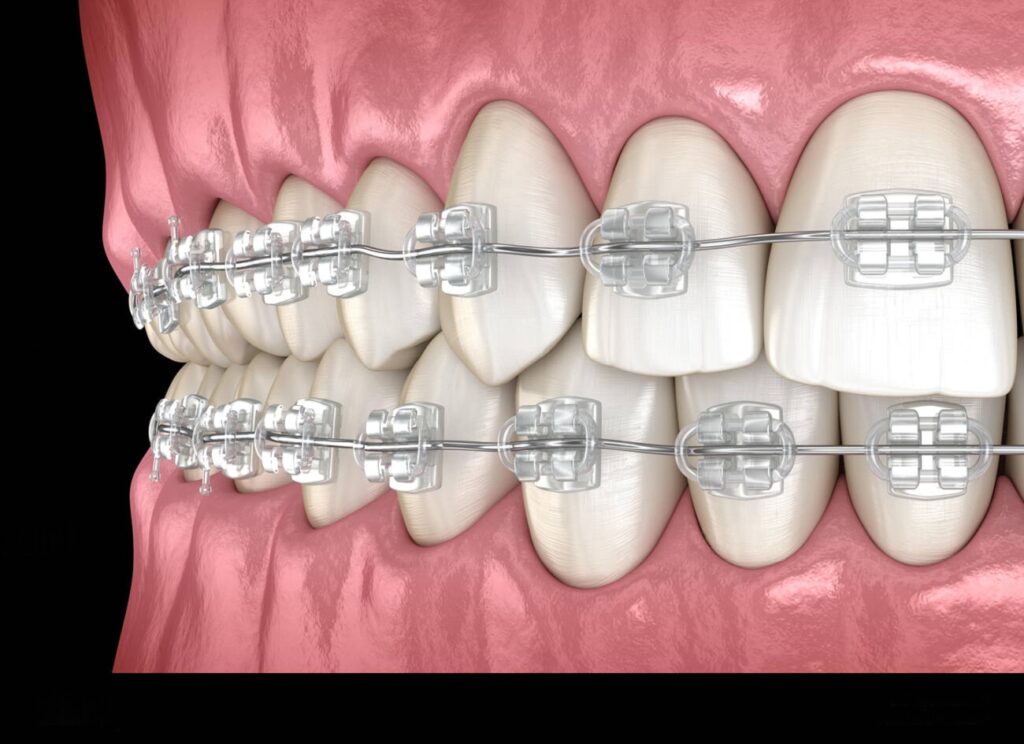
Orthodontic treatments have evolved dramatically over the past few decades, and Clear Braces have become one of the most talked-about solutions for achieving a straighter smile without the visual impact of traditional metal braces. From teenagers to working professionals, more people are exploring how Clear Braces function and what makes them a preferred option in modern dentistry.
At WellDemir, understanding the science and aesthetics behind orthodontic solutions is essential for making informed decisions.
Table of Contents
What Are Clear Braces and How Do Clear Braces Work?
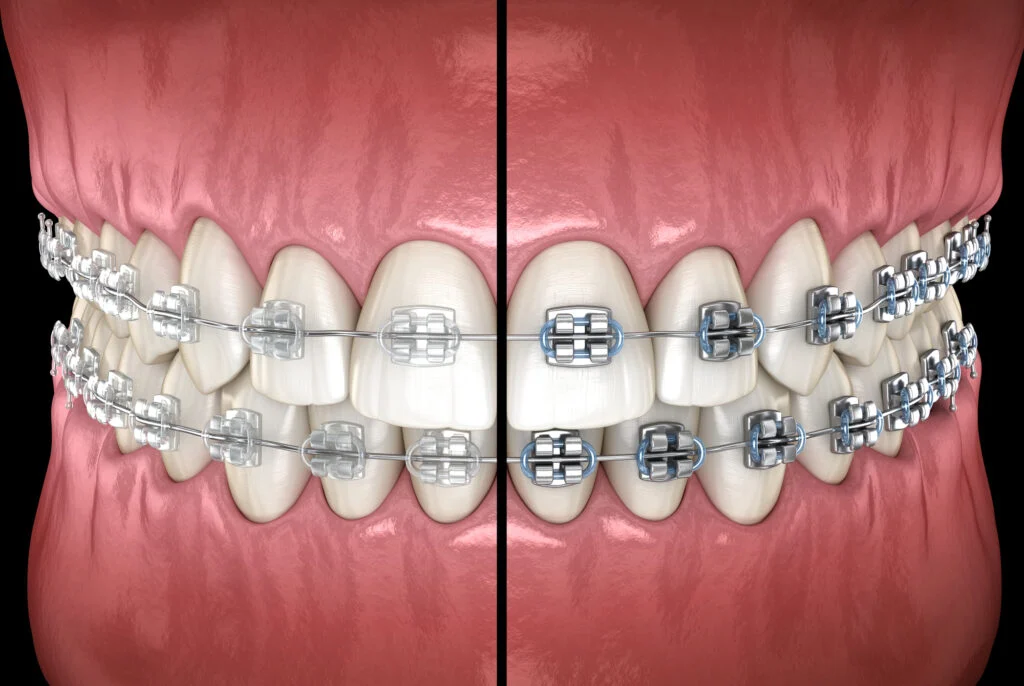
Clear Braces are orthodontic devices designed to align teeth using transparent or tooth-colored materials. Unlike traditional metal braces, they blend more naturally with the teeth, making them less noticeable during everyday interactions. These braces often use ceramic brackets or clear aligner trays, depending on the treatment type.
Get Free Consultation
Have any questions? Leave your details and we'll get back to you shortly.
The working principle of Clear Braces is similar to conventional orthodontic systems. They apply consistent, gentle pressure to move teeth into their desired positions over time. This process relies on bone remodeling, where the jawbone adapts to the new positioning of teeth. While the science remains consistent, the materials and aesthetics set Clear Braces apart.
In many cases, orthodontists customize treatment plans using digital imaging technologies. This allows for precise mapping of tooth movement and provides patients with a clearer expectation of results. The integration of advanced planning tools makes Clear Braces both a scientific and personalized solution.
Types of Clear Braces Available Today
The term Clear Braces encompasses several orthodontic options, each with unique features and benefits. Understanding these variations helps in selecting the most suitable treatment.
1. Ceramic Braces
Ceramic braces use tooth-colored brackets that blend with natural enamel. They function similarly to metal braces but are far less noticeable. These are often chosen by adults who want a discreet yet fixed solution.
2. Clear Aligners
Clear aligners are removable trays made from transparent plastic. Patients switch to a new set of aligners every few weeks as their teeth gradually shift. This type of Clear Braces is especially popular due to its convenience and minimal visibility.
3. Lingual Braces with Clear Components
Some orthodontic systems combine lingual placement with less visible materials. While not entirely invisible, they offer a unique hybrid approach to Clear Braces.
Each type has its own advantages, limitations, and suitability depending on the complexity of the case. The growing diversity of Clear Braces reflects advancements in both material science and patient-centered care.
Benefits of Choosing Clear Braces
The increasing popularity of Clear Braces is closely tied to their practical and aesthetic advantages. These benefits extend beyond appearance and influence daily comfort and confidence.
One of the most notable benefits is discretion. Clear Braces are designed to be subtle, making them ideal for individuals who prefer a less noticeable orthodontic solution. This can be particularly valuable in professional or social environments where appearance plays a role.

Another key advantage is comfort. Many modern Clear Braces systems are designed with smoother materials, reducing irritation to the gums and cheeks. Additionally, clear aligners can be removed during meals, which simplifies oral hygiene and dietary habits.
From a psychological perspective, the use of Clear Braces can contribute to improved self-esteem during treatment. Patients often feel more confident smiling and speaking, which may positively influence social interactions.
Clear Braces vs Traditional Braces: A Comparative Overview
Choosing between Clear Braces and traditional braces often depends on personal priorities, treatment complexity, and lifestyle preferences. Below is a simplified comparison:
| Feature | Clear Braces | Traditional Braces |
|---|---|---|
| Visibility | Low | High |
| Material | Ceramic or clear plastic | Metal |
| Removability | Available in aligners | Fixed |
| Comfort | Generally higher | May cause irritation |
| Maintenance | Easier with aligners | Requires careful cleaning |
| Cost | Often higher | Usually more affordable |
While Clear Braces offer aesthetic advantages, traditional braces may still be preferred for complex orthodontic issues. The decision should always consider individual dental structure and long-term goals.
Who Is a Suitable Candidate for Clear Braces?
Not everyone may be an ideal candidate for Clear Braces, although they are suitable for a wide range of cases. Mild to moderate alignment issues are commonly treated using these systems, including crowding, spacing, and minor bite problems.
Adults and teenagers who prioritize aesthetics often gravitate toward Clear Braces. However, patient commitment plays a crucial role, especially with removable aligners. Consistent use is necessary to achieve the desired outcome.
In more complex cases, orthodontists may recommend alternative or combined approaches. Despite their versatility, Clear Braces are part of a broader orthodontic toolkit, and their effectiveness depends on accurate diagnosis and planning.
The Treatment Process with Clear Braces
The journey with Clear Braces typically begins with a detailed consultation. This includes digital scans, photographs, and sometimes X-rays to assess dental alignment and structure.
Once the treatment plan is established, the application or fitting of Clear Braces takes place. For ceramic braces, brackets are bonded to the teeth. For aligners, a series of custom trays is created based on the treatment stages.
Throughout the process, patients attend regular check-ups to monitor progress. Adjustments or new aligners ensure that tooth movement continues as planned. The duration of treatment with Clear Braces varies but often ranges from several months to a few years.
Post-treatment retention is also essential. Retainers help maintain the achieved alignment and prevent relapse, reinforcing the long-term effectiveness of Clear Braces.
Maintenance and Daily Care of Clear Braces
Maintaining Clear Braces involves consistent oral hygiene and mindful habits. While aligners can be removed, they still require proper cleaning to prevent discoloration and bacterial buildup.
For fixed Clear Braces, brushing and flossing techniques may need slight adjustments. Specialized tools such as interdental brushes can help clean around brackets and wires.
Dietary considerations also play a role. Hard or sticky foods may damage certain types of Clear Braces, especially ceramic ones. Meanwhile, aligner users are typically advised to remove trays while eating.
Regular dental visits ensure that Clear Braces remain effective and hygienic. These habits contribute to both oral health and treatment success.
Scientific Insights and Material Innovation Behind Clear Braces
The development of Clear Braces is closely linked to advancements in biomaterials and digital dentistry. Modern ceramic brackets are engineered to balance strength and translucency, while aligners use medical-grade thermoplastics designed for durability and flexibility.
Research in orthodontics suggests that controlled force application is key to effective tooth movement. Clear Braces are designed to deliver this force with precision, often supported by computer-aided design systems.
Digital simulations allow practitioners to visualize treatment outcomes before they begin. This integration of technology enhances predictability and patient understanding, positioning Clear Braces as a product of both science and innovation.
Understanding the Role of Clear Braces in Modern Orthodontics
Clear Braces represent a significant shift in how orthodontic treatments are perceived and experienced. By combining functionality with aesthetics, they address both clinical needs and personal preferences.
At WellDemir, the focus remains on providing informative, transparent insights into dental care options. While Clear Braces offer numerous advantages, their suitability depends on individual factors and professional evaluation.
As dental technologies continue to evolve, Clear Braces are likely to remain at the forefront of patient-centered orthodontic solutions, offering a balance between science, comfort, and confidence.

 |
|