Skip to content

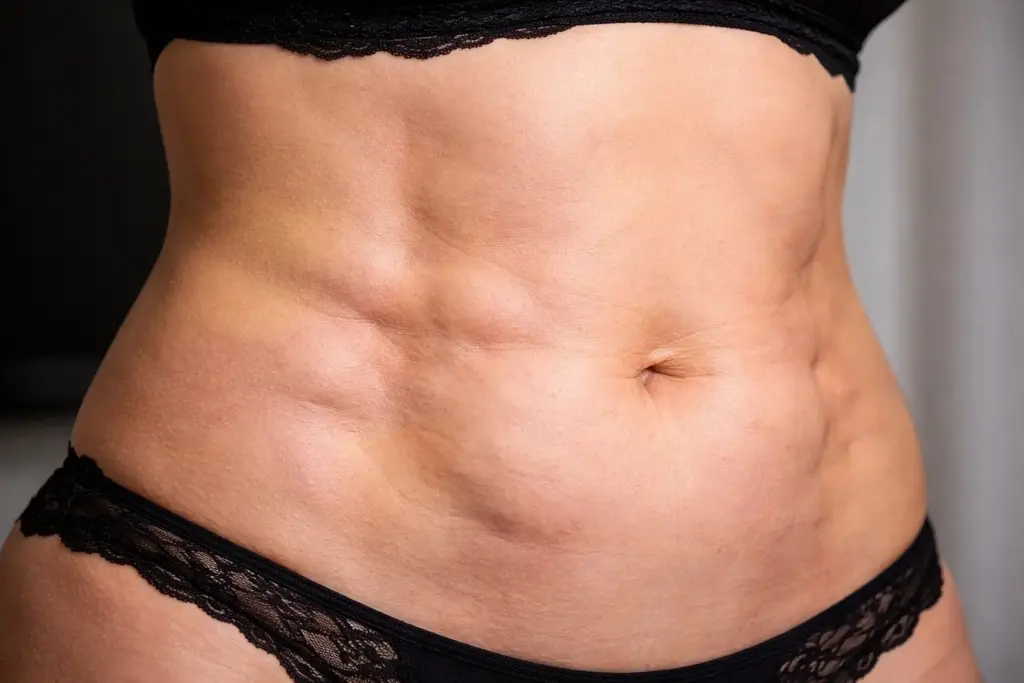
Body contouring procedures like suction-assisted, power-assisted, and ultrasound-assisted VASER liposuction reshape the silhouette by selectively removing stubborn subcutaneous adipose tissue. However, as the initial swelling recedes between weeks two and six, many patients notice unexpected textural irregularities beneath the skin. Hard bands, firm lumps, pebble-like nodules, or tight pulling sensations often develop across the treated abdomen, flanks, thighs, or arms. In plastic surgery, this dense internal scarring is clinically termed fibrosis after liposuction.
Patients managing this post-operative phase routinely research what is fibrosis after liposuction, seek strategies on how to get rid of fibrosis after liposuction, examine proven guidelines on how to prevent fibrosis after liposuction, ask about physiological triggers to discover what causes fibrosis after liposuction, manage symptoms related to painful fibrosis after liposuction, identify early signs of fibrosis after liposuction, explore advanced options for fibrosis after liposuction treatment, evaluate clinical steps on how to fix fibrosis after liposuction, learn practical methods on how to avoid fibrosis after liposuction, and investigate biological factors explaining why do you get fibrosis after liposuction. This clinical guide examines soft tissue wound biology, non-surgical and surgical resolution techniques, recovery benchmarks, and pricing dynamics.
Table of Contents
What Is Fibrosis After Liposuction and Why Do You Get It?
If you are researching what is fibrosis after liposuction or wondering why do you get fibrosis after liposuction, it is essentially an exaggerated, disorganized internal scarring response occurring within the subcutaneous space where fat was removed.
Get Free Consultation
Have any questions? Leave your details and we'll get back to you shortly.
During liposuction, cannula passes create extensive honeycomb-like micro-tunnels beneath the skin. Healing involves a natural biological sequence:
- The Normal Wound Healing Cascade: Tissue trauma triggers an acute inflammatory surge, bringing platelets and white blood cells into the surgical bed. Fibroblasts migrate into the emptied tunnels, laying down a temporary matrix of Type Three collagen to stabilize the tissue framework.
- Hyperactive Collagen Cross-Linking: In normal recovery, initial collagen remodels into pliable Type One collagen over twelve months. In cases of fibrosis, persistent low-grade inflammation causes fibroblasts to overproduce dense, thick collagen bands that cross-link haphazardly, forming rigid internal scar tissue.
- Adhesions to Deep Fascia: As disorganized collagen contracts, it can tether the underside of the dermis directly to the underlying muscular fascia, resulting in surface indentations, skin puckering, and uneven contours.
Primary Triggers: What Causes Fibrosis After Liposuction?
Understanding what causes fibrosis after liposuction helps patients differentiate between expected surgical trauma and preventable complications:
- Inconsistent or Improper Compression Garment Wear: Medical compression fajas collapse the empty micro-tunnels, force fluid out, and keep the skin flat against muscle. Inconsistent wear or uneven wrinkles in the garment create fluid pockets where scar tissue solidifies unevenly.
- Untreated Post-Operative Seromas: When excess serous fluid and inflammatory exudate collect without proper drainage, the trapped protein-rich fluid organizes into a fibrous pseudocapsule, transforming into hard scar lumps.
- Aggressive or Superficial Cannula Passes: Excessive superficial liposuction close to the dermal plexus damages the subdermal vascular network, triggering localized thermal or ischemic scar necrosis that heals as firm, calcified knots.
- Premature Physical Rest or Complete Immobility: Severe immobility slows lymphatic clearing, while overexertion too early creates ongoing micro-tears in healing tissues, fueling inflammation.
- Genetic and Biological Predisposition: Certain patients possess a genetic predisposition toward robust scarring, keloid formation, or overactive fibroblast activity.
Clinical Presentation: Signs of Fibrosis After Liposuction
Early recognition allows for swift clinical intervention. The characteristic signs of fibrosis after liposuction include:
- Palpable Hard Lumps and Nodules: The treated area feels firm, lumpy, or woody rather than soft and supple, resembling marble or walnut-sized nodules beneath the skin.
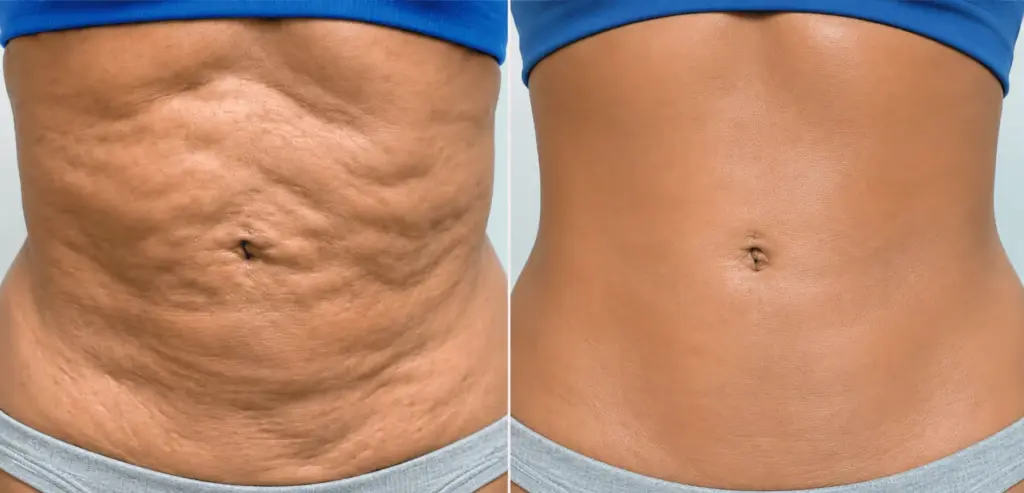
- Surface Rippling and Uneven Contours: The skin surface displays visible indentations, waves, or puckered depressions when standing or flexing underlying muscles.
- Restricted Mobility and Tight Pulling: Patients feel an uncomfortable tight cord sensation when stretching, twisting, or standing fully upright.
- Painful Fibrosis After Liposuction: When dense fibrous bands compress sensory cutaneous nerve endings, patients experience sharp, burning, or throbbing tenderness upon light pressure.
- Persistent Discoloration: Skin overlying dense scar adhesions may appear slightly darker or hyperpigmented due to localized vascular compromise.
Clinical Solutions: How to Fix and Get Rid of Fibrosis After Liposuction
If you have developed hard nodules, several non-surgical and minimally invasive modalities serve as effective fibrosis after liposuction treatment to how to fix fibrosis after liposuction and get rid fibrosis after liposuction:
1. Manual Lymphatic Drainage (MLD) and Specialized Post-Op Massage
The first-line defense during the first two to six weeks. Certified lymphatic therapists use gentle, rhythmic, circular hand movements to guide trapped protein-rich lymph toward active nodes, preventing fluid stagnation and softening early fibrin meshes.
2. Deep Tissue Therapeutic Ultrasound and Radiofrequency (RF)
Energy-based devices use thermal sound waves or radiofrequency currents to heat deep tissues to forty-two degrees Celsius. Thermal energy reorganizes tangled collagen fibers, increases local blood perfusion, and breaks down early fibrous nodules without needles.
3. Endermologie and Mechanical Subdermal Therapy
Medical vacuum-assisted rollers mechanically lift and stretch the skin and subcutaneous layer. This continuous mechanical folding breaks dense adhesions between the dermis and deep fascia, smoothing out surface ripples.
4. Acoustic Wave Therapy (Extracorporeal Shockwave Therapy / AWT)
High-energy acoustic pulses penetrate deep into the subcutaneous space, mechanically disrupting dense, cross-linked scar tissue, stimulating neo-angiogenesis, and activating metabolic clearance of broken collagen fragments.
5. Corticosteroid and Hyaluronidase Injections
For stubborn, localized lumps, specialists inject dilute triamcinolone acetonide directly into the nodule. Steroids inhibit fibroblast proliferation and break down mature collagen, flattening dense knots over several weeks.
6. Minimally Invasive Revision and Cannula Subcision
For severe, mature fibrous adhesions older than one year, a plastic surgeon uses specialized V-dissector cannulas or internal laser fibers under local anesthesia to release deep scar bands, often followed by micro-fat grafting to restore smooth contouring.
Preventive Measures: How to Avoid Fibrosis After Liposuction
Knowing how to prevent fibrosis after liposuction and how to avoid fibrosis after liposuction from day one minimizes scar tissue formation:
- Wear Your Compression Garment Diligently: Keep your medical-grade faja on twenty-three hours a day for the first four to six weeks. Ensure it fits snugly without rolling, creasing, or creating localized pressure points.
- Incorporate Medical Foam Pads (Lipo Foams): Place soft foam sheets between your skin and the compression suit. Foams distribute pressure evenly across the abdomen and flanks, preventing localized fluid pooling and creasing.
- Initiate Manual Lymphatic Drainage Early: Begin gentle professional lymphatic drainage massages within forty-eight to seventy-two hours post-surgery, maintaining two to three sessions weekly for the first month.
- Stay Hydrated and Minimize Sodium: Drink plenty of plain water to support kidney and lymphatic filtration. Restrict dietary sodium to under two thousand milligrams daily to reduce water retention.
- Avoid Prolonged Sitting or Slouching: Slouching folds the abdominal skin, encouraging horizontal fibrous bands to form across the waistline. Keep your posture upright and walk regularly.
Recovery Expectations and Softening Roadmap
Fibrosis does not disappear overnight; tissue remodeling is a gradual biological process:
- Weeks One to Two (Acute Fluid Phase): Swelling is soft and pitting. Mild tenderness is normal, and tissues feel generally swollen.
- Weeks Three to Six (Peak Fibrosis Window): Fluid shifts out, and disorganized collagen cross-linking reaches its peak. This is when lumps and firm cords become most noticeable. Proactive massage and ultrasound therapy should be intensified during this window.
- Months Two to Four (Softening and Remodeling): Under consistent therapy, collagen structures realign. Firm lumps soften into a pliable, uniform texture, and tight pulling sensations subside.
- Months Six to Twelve (Final Stabilization): Mature tissue remodeling completes. The subcutaneous layer regains its natural softness, and the final contour emerges.
Comparative Matrix: Fibrosis Management Modalities
| Clinical Modality | Manual Lymphatic Drainage | Therapeutic Ultrasound / RF | Acoustic Shockwave (AWT) | Steroid Injections | Cannula Subcision |
| Ideal Timing | Days 2 to 30 | Weeks 3 to 12 | Weeks 4 to 24 | Months 2 to 6 | After 12 Months |
| Primary Target | Fluid stagnation & fibrin | Early collagen lumps | Dense, stubborn nodules | Isolated firm knots | Severe tethered adhesions |
| Invasiveness | Non-invasive (manual) | Non-invasive (thermal) | Non-invasive (acoustic) | Minimally invasive (needle) | Surgical release (cannula) |
| Pain Level | Zero to very mild | Very comfortable | Mild tapping sensation | Mild pinch | Mild (under local numbing) |
| Typical Sessions | 10 to 15 Sessions | 6 to 10 Sessions | 4 to 8 Sessions | 1 to 3 Injections | 1 Single revision session |
| Risk of Complications | None | Rare surface burn | Mild temporary bruising | Risk of tissue atrophy | Risk of contour irregularities |
What Determines the Cost of Fibrosis Treatment?
When exploring fibrosis after liposuction treatment or evaluating post-operative aftercare packages, pricing varies based on clinical variables:
- Stage and Chronicity of the Scar Tissue: Early-stage soft tissue induration managed with non-invasive therapies involves a different cost structure than chronic, calcified fibrosis requiring surgical subcision.
- Number of Required Sessions: Protocols combining ten to fifteen sessions of manual lymphatic drainage alongside acoustic shockwave therapy accumulate over weeks.
- Technology and Equipment Utilized: Clinical treatments using high-end medical radiofrequency or shockwave systems carry specific device consumables and maintenance overhead compared to standard manual massage.
- Clinician Expertise: Specialized physical therapists, certified lymphedema therapists (CLT), and plastic surgeons command fees reflecting their clinical experience in post-surgical complications.
- All-Inclusive Travel Aftercare Packages: Medical travel packages in Turkey frequently bundle initial lymphatic drainage sessions, foam contouring pads, custom-fitted second-stage compression garments, follow-up ultrasound scans, and private transfers into comprehensive surgery plans.
Frequently Asked Questions (FAQ)
Is fibrosis after liposuction permanent if left untreated?
Without active post-operative care, early fluid indurations can mature into permanent fibrous scar tissue and tethered adhesions that persist for years. However, when caught early (within the first two to three months), virtually all mild to moderate fibrosis can be completely smoothed out through lymphatic drainage, radiofrequency, and ultrasound therapies.
How do I know if a lump under my skin is a seroma or fibrosis?
A seroma is an active pocket of liquid fluid that typically feels soft, fluctuant, or squishy, often producing a visible fluid wave when tapped. Fibrosis, on the other hand, is solid, dense scar tissue that feels hard, rubbery, or like a firm nodule under the skin. An in-office ultrasound scan can confirm whether fluid needs needle aspiration or if tissue requires deep softening massage.
Does painful fibrosis mean there is an infection?
Not necessarily. While an infection presents with spreading redness, radiating heat, fever, and purulent drainage, pain from fibrosis is usually mechanical. As dense collagen bands contract, they compress tiny cutaneous sensory nerves, causing localized aching, burning, or hypersensitivity to light touch.
Can aggressive deep tissue massage damage my healing skin?
Yes. Performing overly aggressive, hard, or painful deep-tissue massage too early can tear fragile healing capillaries, cause internal hematomas, and stimulate even more defensive scar tissue formation. Post-liposuction therapy must begin with light, rhythmic manual lymphatic drainage, progressing to deeper mechanical therapies only after tissues have biologically stabilized around week three or four.

 |