Skip to content
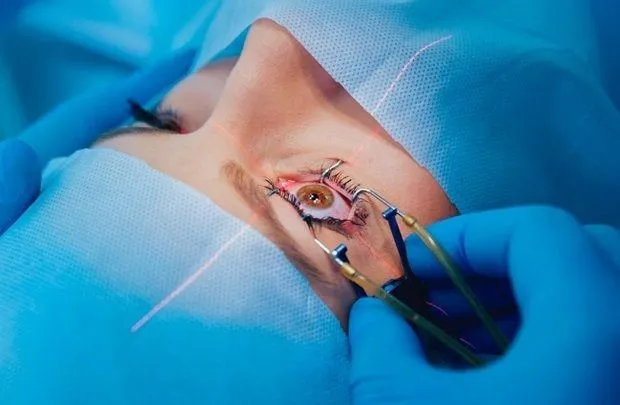
The dream of waking up and seeing the world with crystal-clear clarity is a reality for millions of people worldwide. LASIK eye surgery has transformed from a high-tech novelty into one of the most frequently performed elective surgeries globally. As we move through 2026, the technology behind this laser operation for eyesight has reached a level of precision that was once unimaginable, offering customized treatments tailored to the unique “fingerprint” of each individual’s eye.
At WellDemir, we believe that vision correction is more than just a medical procedure; it is a gateway to a more active and unhindered lifestyle. Backed by a legacy of healthcare excellence, we facilitate access to the most advanced laser and eye surgery options available. Whether you are an athlete looking for a competitive edge or a professional tired of the daily hassle of contacts, understanding what is LASIK eye surgery and how it has evolved is the first step toward visual independence.
Table of Contents
What is LASIK Eye Surgery?
To understand the impact of this treatment, we must first look at what is LASIK eye surgery in a clinical sense. LASIK stands for Laser-Assisted In Situ Keratomileusis. It is a type of refractive surgery that permanently changes the shape of the cornea to improve the way light hits the retina.
Get Free Consultation
Have any questions? Leave your details and we'll get back to you shortly.
In a healthy eye, the cornea bends (refracts) light accurately onto the retina at the back of the eye. However, if the cornea is too steep, too flat, or unevenly curved, the light is focused incorrectly, resulting in blurred vision. The LASIK laser eye surgery solves this by using a cool, specialized laser to remove microscopic amounts of tissue, essentially “re-sculpting” the eye to its ideal optical shape.
Is LASIK Right for You?
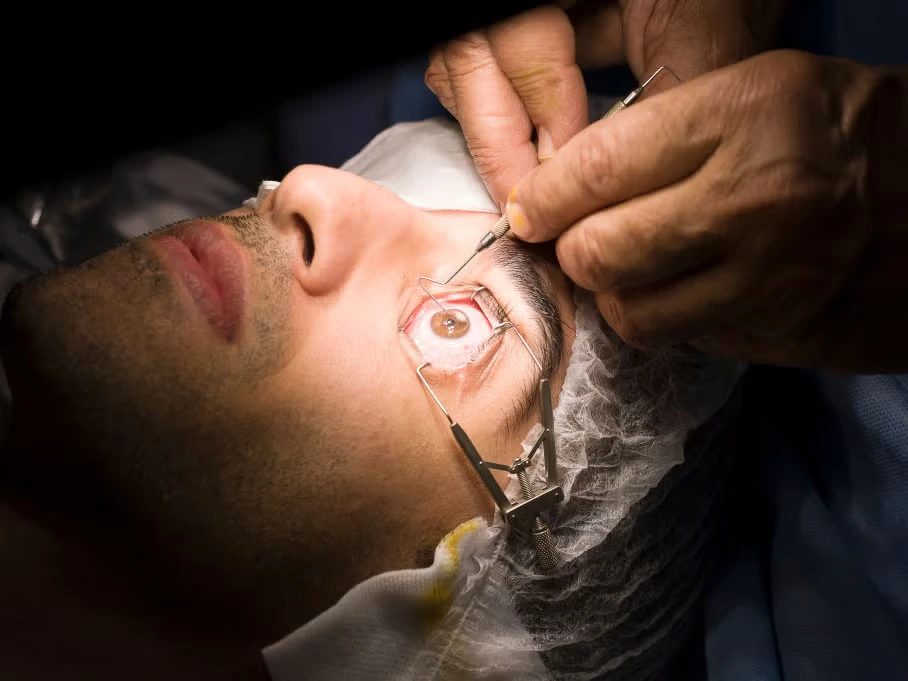
While the results are often life-changing, LASIK eye surgery is not a universal solution for everyone. Determining candidacy requires a deep dive into your ocular health and lifestyle needs. Generally, ideal candidates are over the age of 18 with a stable vision prescription for at least one year.
Modern advancements mean that many people who were previously told they weren’t candidates can now safely undergo the procedure. For example, many ask, “can LASIK eye surgery fix astigmatism?” The answer in 2026 is a resounding yes. High-definition mapping technology now allows surgeons to correct irregular corneal shapes that older lasers might have struggled with. However, certain conditions like very thin corneas, severe dry eye, or unstable hormones (such as during pregnancy) may mean waiting or choosing an alternative like PRK or SMILE.
The Evolution of Laser Vision: Standard vs. Femto-LASIK vs. iLASIK
The world of laser vision correction has seen several technological leaps. While the goal remains the same—reshaping the cornea—the methods used to reach that goal have become increasingly safer and more automated.
iLASIK: The Gold Standard in Precision
In 2026, iLASIK & Femto-LASIK represent the pinnacle of safety. Unlike traditional LASIK, which used a mechanical blade (microkeratome) to create the corneal flap, these modern methods are entirely bladeless. A femtosecond laser creates the flap with micron-level accuracy, followed by an excimer laser that uses Wavefront Technology to correct the vision. This “custom” approach addresses even the tiniest imperfections in how your eye processes light, often resulting in vision that is better than 20/20.
SMILE vs. LASIK: Which One Should You Choose?
SMILE (Small Incision Lenticule Extraction) is another modern laser operation for eyesight. While LASIK involves creating a flap, SMILE is a “flapless” procedure where a small piece of tissue (lenticule) is removed through a tiny incision. SMILE may be better for patients with a higher risk of dry eyes, while LASIK remains the most versatile option for a wide range of prescriptions, including farsightedness.
Why Correcting Vision Early Matters
Many people delay their LASIK laser eye surgery because they have grown accustomed to glasses. However, correcting vision early in adulthood can offer a higher “Return on Investment” for your quality of life. Years spent without the recurring LASIK eye surgery cost often pay for the surgery itself within a few years.
Moreover, as we age, the natural lens of the eye becomes stiffer (presbyopia). While LASIK corrects the cornea, it does not stop the aging of the internal lens. Having LASIK eye surgery in your 20s or 30s maximizes the years you spend with total visual freedom before age-related changes eventually occur.
The LASIK Eye Surgery Procedure: 15 Minutes That Change a Lifetime
One of the most common questions is: “LASIK eye surgery does it hurt?” The reality is that the actual LASIK eye surgery procedure is surprisingly quick and painless. Most patients spend less than 15 minutes in the operating room for both eyes.
- Numbing: Anesthetizing drops are applied to the eyes; no needles are involved.
- Flap Creation: Using a Femtosecond laser, a thin corneal flap is created. You may feel a slight pressure for about 30 seconds, but no pain.
- Reshaping: You will be asked to look at a target light while the excimer laser reshapes the cornea. This part usually takes less than 60 seconds. You might hear a clicking sound and smell a faint odor, which is simply the laser interacting with the tissue.
- Repositioning: The flap is folded back into place, where it adheres naturally without the need for stitches.
Who is Suitable for Lasik Eye Surgery?
To qualify for laser eye surgery Turkey or anywhere else in the world, you must pass a rigorous screening process. Surgeons look for:
- Corneal Thickness: There must be enough tissue to create a flap and still have a stable cornea afterward.
- Stable Prescription: Your eyes shouldn’t be “moving targets.” Stability for 12–24 months is ideal.
- General Health: Conditions like diabetes must be well-managed, as they can affect LASIK eye surgery healing.
- Realistic Expectations: While most achieve 20/20 vision, the goal is to reduce or eliminate the need for corrective lenses in daily life.
LASIK Eye Surgery Risks
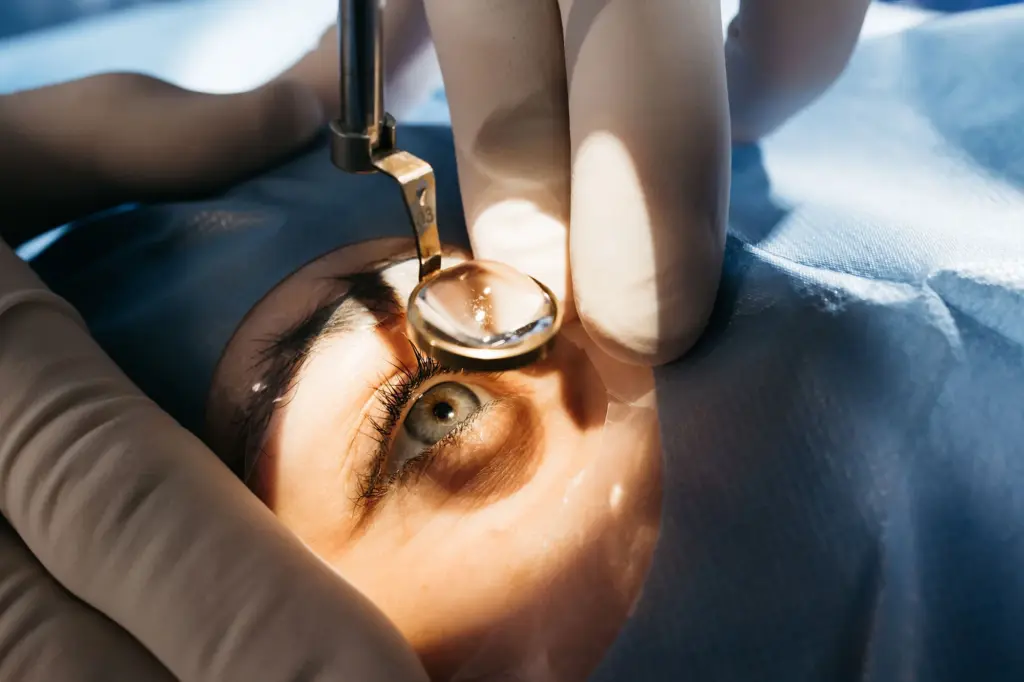
Like any surgical intervention, LASIK laser eye surgery side effects are a possibility, though modern technology has made them increasingly rare. The most common side effect is temporary dryness. This is why dry eye management is a core part of the WellDemir aftercare protocol.
Other potential risks include:
- Glares and Halos: Some patients see starbursts around lights at night during the first few weeks.
- Under-correction or Over-correction: In rare cases, the eye may not respond exactly as predicted, necessitating a small “touch-up” procedure.
- Infection: Extremely rare due to the sterile environments of modern surgical suites.
One frequent concern is: “can you have LASIK eye surgery twice?” If your vision shifts slightly years later, a “LASIK enhancement” is often possible, provided your cornea remains thick enough.
LASIK Eye Surgery Cost Turkey 2026
When patients ask, “how much is it for LASIK eye surgery?” they are often surprised by the wide range in global pricing. In the US or UK, the LASIK eye surgery cost can range from $2,000 to $4,000 per eye.
In 2026, LASIK eye surgery Turkey has become the premier choice for international patients. Because of lower operational costs and a favorable exchange rate, the what the cost for LASIK eye surgery in Istanbul is often 50% to 70% lower than in Western countries—usually ranging from €1,500 to €2,500 for both eyes.
| Region | Average Cost (Both Eyes) | Technology Included |
| USA / UK | $4,500 – $7,000 | Variable |
| Turkey | €1,600 – €2,400 | iLASIK / Wavefront |
| Western Europe | €3,500 – €5,000 | Standard to Premium |
Life After LASIK: Recovery and Long-Term Results
The LASIK eye surgery healing process is remarkably fast. Most patients notice an immediate “wow” factor within hours of the procedure. However, the first 24 hours are the most critical. You will be advised to rest with your eyes closed and avoid rubbing them to ensure the corneal flap stays perfectly in place.
Within 48 hours, most people are back to work and driving. You will use prescribed anti-inflammatory and lubricating drops for a few weeks to support the healing process and manage any temporary dryness. By the one-month mark, your vision is usually fully stabilized, and you can resume all activities, including swimming and contact sports (with eye protection).
Recovery Timeline at a Glance
- First 6 Hours: Keep eyes closed as much as possible; sensitivity to light is normal.
- 24 Hours: First post-operative checkup. Most patients can drive at this point.
- 1 Week: You can resume most exercise; continue using lubricating drops.
- 1 Month: Vision is typically stable; final checkup usually occurs around this time.
FAQ: Frequently Asked Questions
Is LASIK eye surgery safe?
Yes. It is considered one of the safest elective procedures in medicine. While all surgery carries some risk, the use of bladeless Femto-LASIK and advanced mapping technology has reduced complication rates to extremely low levels.
Does LASIK permanently fix eyes?
The reshaping of the cornea is permanent. However, LASIK cannot stop the natural aging of the eye. Most people will eventually need reading glasses in their late 40s or 50s due to presbyopia, which is a separate issue involving the internal lens of the eye.
Can I fly back home the day after LASIK?
Most surgeons recommend waiting at least 24 to 48 hours before flying. The air in planes is very dry, so if you do fly shortly after, you must be very diligent with your lubricating eye drops to ensure comfortable LASIK eye surgery healing.
Will I feel any pain during the laser treatment?
No. Thanks to numbing drops, the procedure is painless. You might feel a sensation of pressure for a few seconds when the flap is created, but patients rarely describe it as “pain.” After the surgery, your eyes may feel “gritty” or like there is a lash in them for a few hours.

 |
|