Skip to content
Bariatric interventions are highly successful in shifting metabolic baselines and reversing chronic obesity. However, for a distinct percentage of patients who undergo a primary vertical sleeve gastrectomy (VSG), long-term structural or physiological limitations can emerge over time. Whether manifested as a widened stomach pouch leading to weight regain or structural alterations causing severe, chronic acid reflux (GERD), clinical options remain available. This secondary clinical pathway is precisely what gastric sleeve revision surgery is: an advanced corrective procedure tailored to restore metabolic equilibrium.
At our clinic, we frequently treat international patients who feel deep frustration or a sense of personal failure when their initial weight loss surgery stops working. It is vital to understand that a revision is not a sign of personal weakness; it is a specialized medical adjustment designed to solve mechanical or anatomical changes in the stomach.
This comprehensive guide details the failure criteria of a primary surgery, analyzes what is the best revision surgery for gastric sleeves, outlines the clinical timeline, and reviews global financial expectations.
Get Free Consultation
Have any questions? Leave your details and we'll get back to you shortly.
Table of Contents
What is Gastric Sleeve Revision Surgery and Who Qualifies for It?
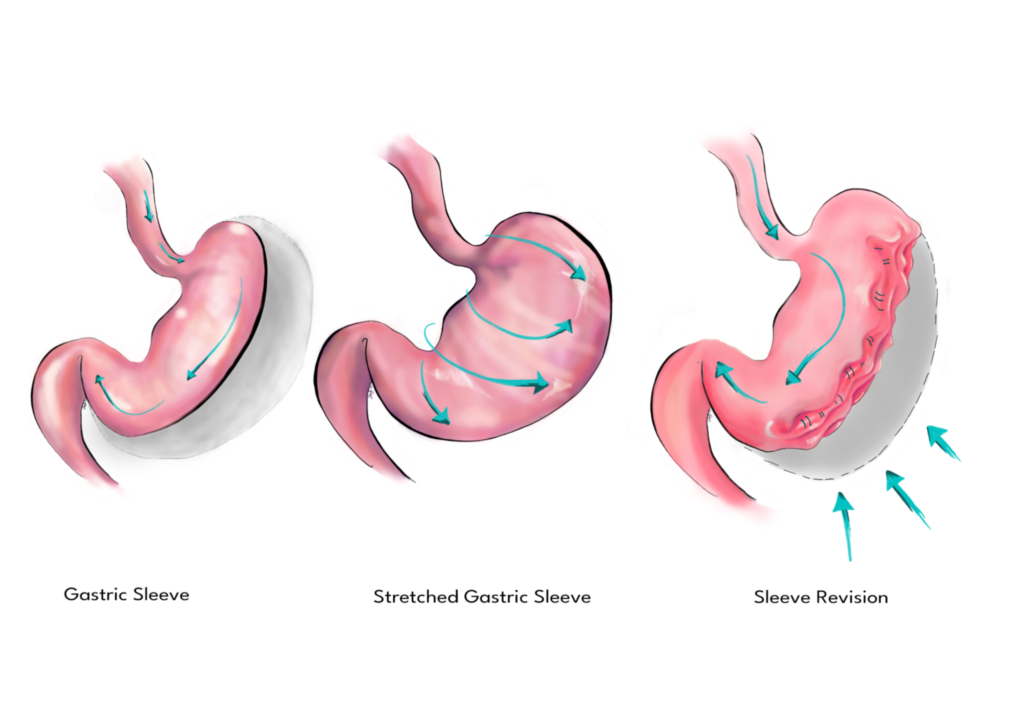
To understand what is gastric sleeve revision surgery, we must analyze the structural changes that can happen to the stomach after a primary vertical sleeve gastrectomy. In a standard sleeve operation, approximately 80% of the stomach is removed, leaving behind a narrow, banana-shaped tube.
Over a period of several years, this tissue can naturally stretch due to repeated volume pressure or anatomical adaptation. When the stomach pouch expands, it loses its ability to restrict food intake effectively, resulting in a progressive loss of satiety and subsequent weight regain.
Beyond weight alterations, a sleeve revision is frequently demanded due to severe mechanical failures, such as:
- Intractable Chronic Acid Reflux (GERD): The narrow design of a gastric sleeve can increase internal pressure within the stomach tube, forcing stomach acid upward through the lower esophageal sphincter.
- Gastric Sleeve Stricture or Stenosis: An abnormal narrowing or twisting of the sleeve tube that makes it incredibly difficult for food to pass through safely, leading to chronic vomiting.
What is the Best Revision Surgery for Gastric Sleeves?
There is no singular, universal technique utilized during a secondary bariatric intervention. The choice of procedure depends entirely on the underlying physiological reason for the primary failure.
1. Conversion to Roux-en-Y Gastric Bypass (The Clinical Gold Standard)
For patients suffering from chronic, severe acid reflux or significant weight regain, a laparoscopic roux-en-y gastric bypass conversion is widely considered the most successful choice. During this complex procedure, the surgeon cuts the existing sleeve tube near the top to create a tiny stomach pouch.
The small intestine is then divided, and one end is pulled up to connect directly to the new pouch, bypassing the remaining section of the stomach and the upper portion of the small intestine. This structure diverts stomach acid completely away from the esophagus, curing GERD instantly while resetting metabolic satiety.
2. Conversion to Mini Gastric Bypass (OAGB)
An excellent metabolic alternative for patients primarily struggling with weight regain without severe acid reflux. A mini gastric bypass revision simplifies the digestive path by creating a longer stomach tube and attaching a loop of the small intestine lower down, creating a strong malabsorptive effect that kickstarts rapid weight loss.
3. Re-Sleeve Gastrectomy
If the patient’s primary sleeve has simply stretched uniformly over time, and a diagnostic contrast swallow scan shows no signs of hiatal hernia or acid reflux, a surgeon may perform a re-sleeve. This involves laparoscopically trimming down the excess stretched tissue to restore the original narrow tube dimensions.
How Long Does a Gastric Sleeve Revision Take?
Patients preparing for a secondary procedure frequently ask: How long does a gastric sleeve revision take?
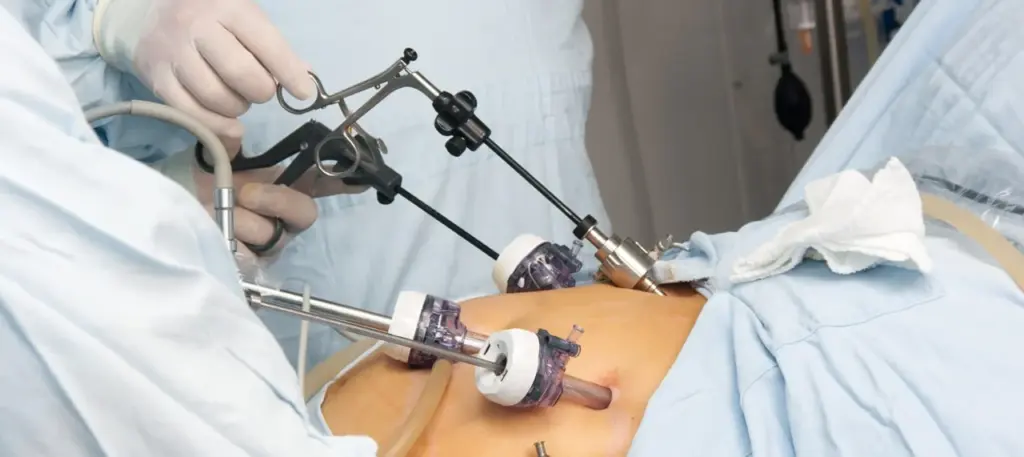
A secondary bariatric procedure is technically more demanding than a primary surgery due to the presence of internal scar tissue (adhesions) from the first operation. While a primary sleeve takes roughly 45 to 60 minutes, a revision surgery typically takes between 90 minutes and 2.5 hours to execute safely. The operation is carried out using minimally invasive laparoscopic techniques through tiny incisions, ensuring a faster physical recovery.
THE POST-OP REVISION TIMELINE:
- Hour 0-24: Out of surgery; monitored mobilization to prevent deep vein thrombosis.
- Day 2-3: Contrast swallow test to verify no internal leaks; hospital discharge.
- Week 1-2: Strict liquid diet phase to allow internal intestinal staple lines to heal.
- Week 3-4: Transition to pureed foods; gradual return to light daily activities.
Is a Gastric Sleeve Revision Worth It?
When weighing the risks of a secondary surgical procedure, patients must evaluate whether is a gastric sleeve revision worth it for their long-term health.
From a medical and structural perspective, the success rates are remarkably high. For individuals living with daily, burning esophageal pain caused by post-sleeve GERD, converting to a Roux-en-Y gastric bypass provides immediate, life-changing relief.
Furthermore, patients who had experienced a weight loss plateau or significant weight regain typically shed 50% to 70% of their excess weight within the first 12 to 18 months following a successful revision, effectively resolving weight-related co-morbidities like Type 2 diabetes and hypertension.
The Cost of Gastric Sleeve Revision Surgery
Because a secondary bariatric intervention requires advanced microsurgical tools and prolonged operating room times, the baseline gastric sleeve revision surgery cost is inherently higher than a primary bariatric procedure.
When researching how much is gastric sleeve revision surgery, patients in the UK and Western Europe often face private quotes ranging from £10,000 to £15,000, along with strict insurance approval hurdles.
Choosing a premium private international clinic allows patients to bypass long healthcare waiting lists and access specialized bariatric surgeons who possess extensive expertise in managing complex revision cases, ensuring maximum safety and long-term structural success.
Comprehensive Comparison: Primary Sleeve vs. Revision Surgery
| Feature | Primary Gastric Sleeve | Gastric Sleeve Revision (Bypass Conversion) |
| Surgical Objective | Reduces stomach volume by 80% | Creates a micro-pouch and bypasses small intestine |
| Average Surgical Duration | 45 to 60 Minutes | 90 Minutes to 2.5 Hours (Due to scar tissue) |
| Primary Physiological Mechanism | Purely restrictive (Smaller capacity) | Combined restrictive and malabsorptive |
| Impact on Acid Reflux (GERD) | Can trigger or worsen acid reflux | Cures chronic acid reflux by diverting stomach acid |
| Average Hospital Stay | 2 Nights | 2 to 3 Nights |
| Long-Term Failure Risk | Tissue stretching over several years | Extremely low; permanent metabolic alteration |
Frequently Asked Questions (FAQ)
What is the main cause of gastric sleeve surgery failure?
The main cause is a combination of the natural stretching of the stomach pouch tissue over time and subtle metabolic adaptations that reduce the internal feeling of fullness (satiety).
Can a gastric sleeve revision cure my acid reflux completely?
Yes. Converting a failed gastric sleeve to a Roux-en-Y gastric bypass is the most effective clinical cure for severe acid reflux, as it structurally reroutes digestive juices away from the esophagus.
How much weight can I expect to lose after a bariatric revision?
On average, successful revision surgery allows patients to lose between 50% and 70% of their excess weight within the first 12 to 18 months, provided they adhere to post-op nutritional guidelines.
Is a secondary bariatric surgery more dangerous than the first?
While a secondary procedure carries a slightly higher baseline risk of complications due to internal scar tissue from the first surgery, it is highly safe when performed by an experienced, board-certified bariatric surgeon.

 |
|