Skip to content

Receiving a dental implant is one of the most effective, durable ways to restore your smile and chewing function. Modern titanium and zirconia implants seamlessly fuse with the jawbone, offering a foundation that feels and looks just like a natural tooth. However, during the early healing phase or even months after restoration, some patients notice an unusual symptom: a persistent, bitter, or iron-like taste in their mouth.
If you are asking why do I have a metallic taste in my mouth after tooth implant, it is crucial to understand that while mild taste alterations can temporarily occur after oral surgery, a persistent metallic taste after dental implant surgery should never be ignored. It can stem from benign post-operative healing factors, but it may also signal underlying issues like oral galvanism, localized bacterial infection, or hardware oxidation. This clinical guide explores the causes of a metallic taste in mouth after dental work, breaks down symptoms, outlines immediate solutions, and explains when to seek professional dental evaluation.
Table of Contents
What Causes a Metallic Taste After Dental Implant Surgery?
Understanding why a metallic taste after implant placement occurs requires looking at both chemical reactions in the mouth and surgical healing processes. The primary clinical triggers include:
Get Free Consultation
Have any questions? Leave your details and we'll get back to you shortly.
1. Oral Galvanism (Galvanic Shock)
The most common cause of a persistent metallic taste after dental implant placement is a phenomenon known as oral galvanism. When two dissimilar metals (such as a titanium implant post, an amalgam silver filling, or a gold crown) interact within the mouth, saliva acts as a conductive electrolyte fluid. This creates a tiny electrical current between the metals (similar to a miniature battery) releasing metallic ions into your saliva and producing a distinct copper or battery-like taste.
2. Normal Surgical Healing and Blood Clotting
During the first 3 to 7 days following implant surgery, minor oozing of blood from the surgical site is completely normal. Blood contains high levels of iron, which naturally leaves a temporary iron-like or salty flavor on your tongue as you heal.
3. Peri-Implantitis or Bacterial Infection
If a metallic taste in mouth develops weeks or months after surgery and is accompanied by bad breath (halitosis), it may be caused by peri-implantitis. This bacterial infection around the implant causes pus or inflammatory fluid (exudate) to drain into the mouth, leaving a foul, metallic, or bitter taste.
4. Post-Operative Medications and Mouthwashes
Prescription antibiotics, pain relievers, or antiseptic mouthwashes containing chlorhexidine gluconate frequently alter taste buds temporarily, producing a lingering metallic or chemical flavor.
Is a Metallic Taste After Dental Implant Normal? Timeline Expectations
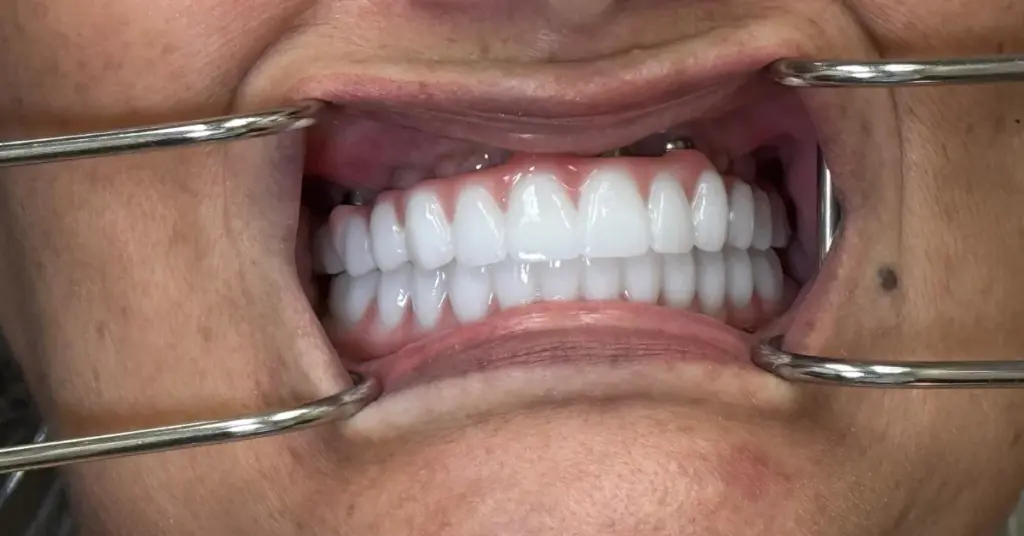
Whether a strange taste requires immediate dental intervention depends heavily on when it occurs during your recovery timeline:
- Days 1 to 7 (Normal Phase): A mild, temporary iron taste caused by minor surgical bleeding, healing tissue, or chlorhexidine rinses is completely normal and should fade within a week.
- Weeks 2 to 4 (Monitoring Phase): Taste alterations should dissipate as prescription medications stop and surgical sites seal. A persisting taste suggests poor healing, medication side effects, or early metal interactions.
- Months Later (Abnormal Phase): A sudden or continuous metallic taste months after the crown is attached is not normal. It typically points to oral galvanism between different dental restorations, peri-implantitis, or loose implant components.
How to Get Rid of Metallic Taste After Dental Implant
If you are struggling with a persistent taste alteration, the following steps can help identify and resolve the issue:
ACTION PLAN FOR METALLIC TASTE:
1. Maintain gentle hygiene: Brush with a soft toothbrush and rinse with warm salt water.
2. Hydrate frequently: Water flushes out saliva containing excess metallic ions.
3. Schedule a dental exam: Check for oral galvanism, loose screws, or hidden infections.
- Practice Meticulous, Gentle Oral Hygiene: Clean around the implant site using a soft-bristled toothbrush and non-alcoholic antibacterial rinses to prevent bacterial buildup.
- Stay Hydrated: Drinking plenty of water stimulates fresh saliva production, which helps dilute metallic ions and wash away foul tastes.
- Switch to Non-Metal Restorations: If oral galvanism is diagnosed, replacing old metal fillings or crowns with all-ceramic, composite, or zirconia alternatives completely eliminates the electrical current.
- Professional Dental Cleaning and Decontamination: If infection (peri-implantitis) is present, your dentist will perform deep cleaning around the implant threads to clear bacteria and pus.
Metallic Taste Causes & Clinical Management Matrix
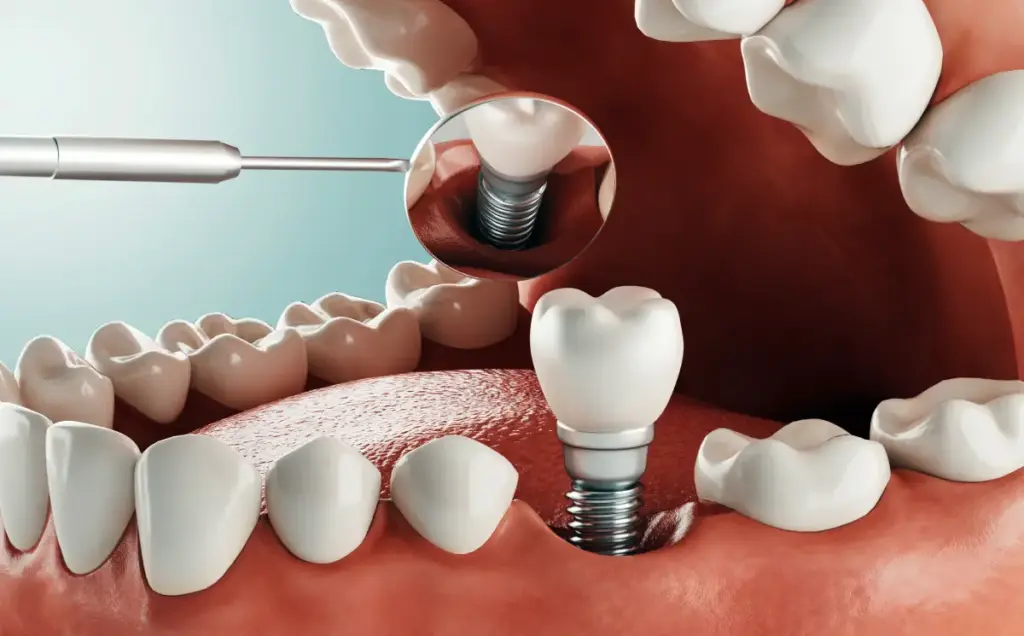
| Trigger / Cause | Primary Symptoms | Normal vs. Abnormal | Clinical Management |
| Surgical Bleeding | Iron-like taste, pinkish saliva | Normal (First 1–5 days) | Gentle warm salt water rinses, time |
| Oral Galvanism | Battery-like taste, mild tongue tingling | Abnormal (Needs evaluation) | Replace adjacent metals with zirconia/ceramic |
| Peri-Implantitis | Metallic taste, pus, bleeding, foul breath | Abnormal (Requires intervention) | Deep cleaning, laser therapy, or antibiotics |
| Medication Side Effects | Chemical/metallic taste, dry mouth | Normal during medication use | Discontinue meds after doctor approval |
| Titanium Sensitivity | Persistent metallic taste, gum redness | Rare / Abnormal | Allergy testing; switch to zirconia implant |
Frequently Asked Questions (FAQ)
Why do I have a metallic taste in my mouth after tooth implant surgery?
A metallic taste after tooth implant surgery is most commonly caused by minor bleeding during early healing (iron in blood), side effects from prescription medications or mouthwashes, or oral galvanism—an electrical reaction between your titanium implant and other metal dental work in your mouth.
How long does the metallic taste last after getting a dental implant?
If the taste is caused by surgical bleeding or healing medications, it usually lasts between 3 and 7 days. If the metallic taste lasts longer than two weeks, does not fade, or appears suddenly months later, you should consult your dentist to check for infection or metal interactions.
Can a titanium dental implant cause an allergic reaction?
Titanium allergies are extremely rare because dental implants use highly biocompatible medical-grade titanium. However, in rare cases where a person has a sensitivity to trace metals alloyed with titanium, it can cause gum inflammation, a metallic taste, or implant instability. In such cases, ceramic or zirconia implants offer an ideal metal-free alternative.
When should I see a dentist about a strange taste around my dental implant?
You should see your dentist immediately if the metallic taste is accompanied by severe pain, bleeding gums, visible pus discharge, swollen tissues, a loose-feeling implant, or if the taste persists for more than 7 to 10 days post-surgery.

 |
|