Skip to content

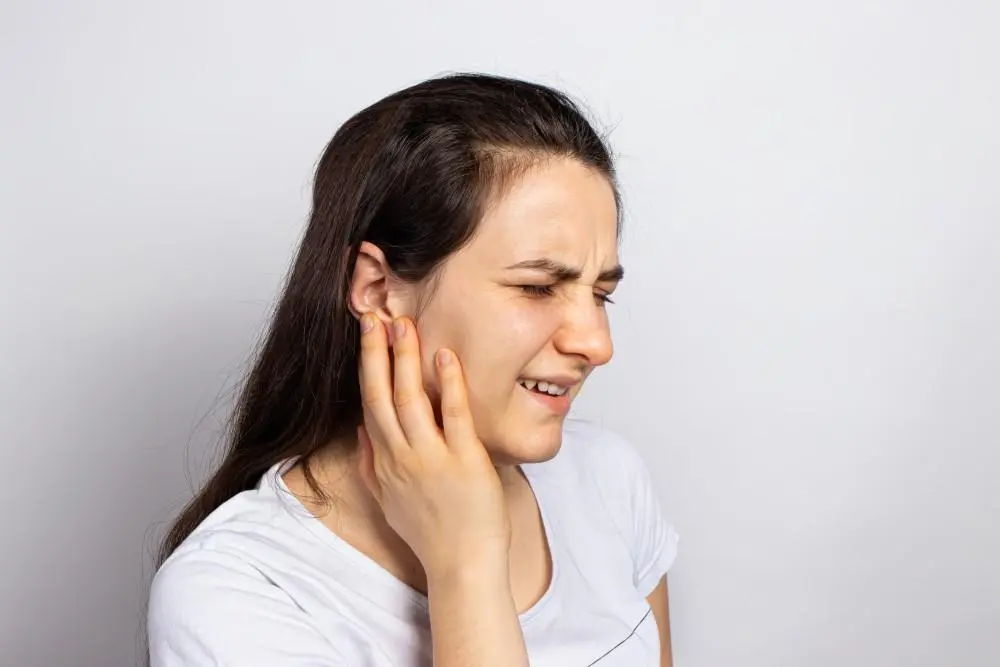
A clicking jaw is a clicking, popping or snapping sound that comes from the joint in front of the ear when you open your mouth, chew, yawn or talk. The joint involved is the temporomandibular joint, which connects the lower jaw to the skull and contains a small disc of cartilage that cushions the movement. When this disc or the muscles around it do not move smoothly together, the joint can make a noise, and for many people this is the first sign that something in the jaw is out of balance.
This guide explains what a clicking jaw means, why it happens and when it is harmless. It also covers the symptoms that call for an examination, the treatment options from simple home care to splints and physiotherapy, and the habits that can reduce the strain on the joint over time.
Table of Contents
What Is a Clicking Jaw?
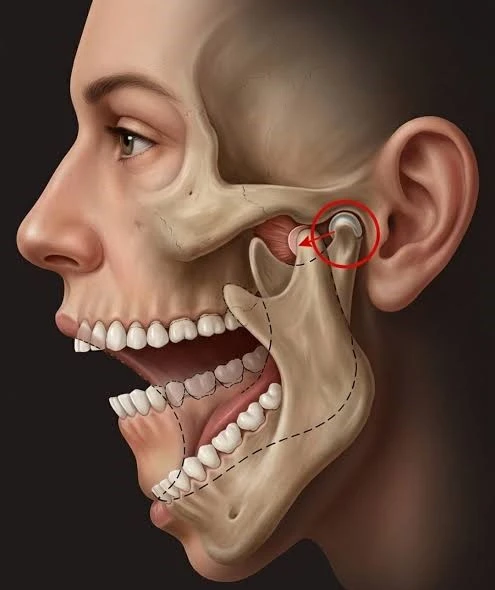
A clicking jaw describes any audible sound from the jaw joint during movement. The sound can be a single click, a repeated pop or a grating noise, and it can occur on one side or on both. Because the joint is a combination of a hinge and a sliding movement, the disc must glide forward with the jaw bone each time the mouth opens. If it slips out of position and then snaps back, you hear and sometimes feel a click.
Get Free Consultation
Have any questions? Leave your details and we'll get back to you shortly.
Many people have a clicking jaw for years without any pain, and in that case no treatment is usually needed. The situation changes when the click comes with pain, limited opening or locking of the jaw. These symptoms are grouped under the term temporomandibular disorder, and they deserve a proper assessment because the cause can often be found and treated.
What Causes a Clicking Jaw?
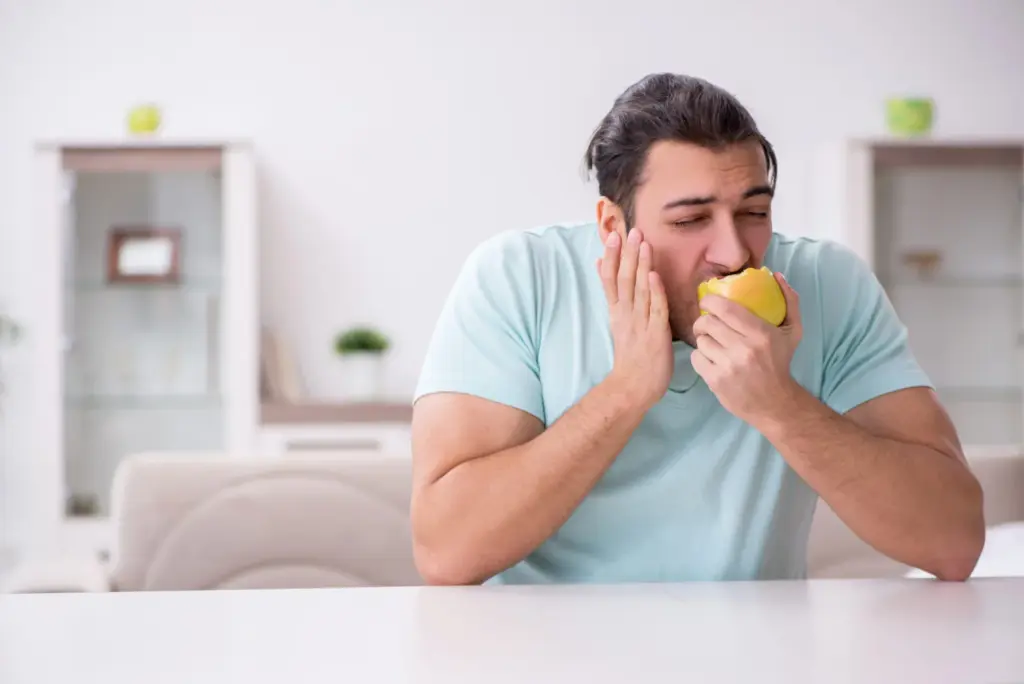
The most common cause is a displaced disc in the joint. The disc can shift slightly forward because of muscle tension, an injury, long periods of wide opening during dental work or simply the natural wear that comes with age. Each time the jaw opens, the bone slides over the disc and returns it to its place with a click.
Teeth clenching and grinding, called bruxism, is another major factor. The chewing muscles stay tense for hours, particularly at night, and this extra load pulls on the joint and the disc. Stress makes the habit worse, which is why many people notice their jaw clicking more during demanding periods. Arthritis, a bite that does not close evenly, chewing gum for long periods and an old blow to the face can also lead to joint noise.
Clicking Jaw Symptoms to Pay Attention To
A click on its own is not a reason to worry. It becomes more significant when it appears together with other signs. Pain in front of the ear or along the cheek, a tired or tight feeling in the face after eating, headaches around the temples, earache without an ear infection and a jaw that deviates to one side when opening are all signals worth checking.
Limited opening is the most important warning sign. If you cannot open your mouth as wide as before, or the jaw catches and locks in an open or closed position, the disc may be blocking the movement. This needs to be assessed without delay, because treatment is simpler and more successful when it begins early.
| Situation | What it usually means | Suggested step |
|---|---|---|
| Occasional click, no pain | Minor disc movement, often harmless | Observe, avoid strain |
| Click with soreness after chewing | Muscle fatigue or early joint overload | Home care and a dental check |
| Click with morning headache or worn teeth | Likely clenching or grinding at night | Dental assessment, night splint |
| Click with locking or limited opening | Disc displacement that blocks movement | Prompt examination |
| Click after an injury | Possible joint or bone damage | Medical assessment and imaging |
How Is a Clicking Jaw Diagnosed?
The assessment begins with a conversation about when the clicking started, whether it hurts and what habits may be involved. The dentist or doctor then feels the joint and the chewing muscles as you open and close, measures how far the mouth opens and checks whether the jaw moves in a straight line. The bite and the wear on the teeth are examined as well, since they give clues about clenching.
When the cause is unclear or the symptoms are severe, imaging helps. A panoramic X-ray shows the bone, while magnetic resonance imaging shows the position of the disc and the condition of the soft tissue. A three dimensional scan can be used when the bone structure needs a closer look. Most patients need only the clinical examination and one image.
Home Care for a Clicking Jaw
Simple measures reduce the strain on the joint and often settle mild symptoms within a few weeks. Choosing softer foods for a short period, cutting food into small pieces and avoiding chewing gum give the joint time to rest. It also helps to avoid opening the mouth very wide, for example when yawning or biting into large sandwiches.
Warm compresses over the muscles in front of the ear relax tension, and gentle jaw exercises taught by a physiotherapist improve the movement. Becoming aware of daytime clenching is valuable: the teeth should be slightly apart and the tongue resting on the roof of the mouth when you are not eating. Techniques that lower stress, such as regular walks or breathing exercises, can reduce night time grinding as well.
Clicking Jaw Treatment Options
When home care is not enough, treatment depends on the cause. A custom made occlusal splint worn at night is the most widely used option for people who clench or grind, because it spreads the pressure across the teeth and lets the joint rest. Physiotherapy for the jaw, including stretching, manual therapy and posture work, helps restore smooth movement and reduces muscle pain.
Medicines can support the treatment in the short term. Anti-inflammatory painkillers ease soreness during a flare, and muscle relaxants may be prescribed for a limited period in more severe cases. Botulinum toxin injected into the chewing muscles is sometimes considered when bruxism is strong and other methods have not helped. All of these should be decided with a clinician who has examined the joint.
When Is Surgery or a Joint Procedure Needed?
Surgery is rarely necessary and is kept for cases in which the joint is locked or severely damaged and conservative care has failed. Arthrocentesis, a minimally invasive procedure that rinses the joint with sterile fluid, can release a stuck disc and reduce inflammation. Arthroscopy allows the surgeon to look inside the joint and treat problems through very small openings.
Open joint surgery is reserved for the most severe situations, such as a joint damaged by arthritis or a bone abnormality. The decision is made after a long period of non-surgical treatment and a full discussion of the expected benefit, the risks and the recovery time.
Can a Clicking Jaw Go Away on Its Own?
In many people the click comes and goes without treatment, particularly when it was triggered by a temporary period of stress, a dental procedure or heavy chewing. Reducing the load on the joint for a few weeks is often enough for the muscles to relax and the disc to settle.
In others the click remains for years without causing any problems. The sound itself does not predict that the joint will deteriorate. What matters is whether pain, stiffness or limited movement develops, and these changes are the ones that should guide the decision to see a professional.
Habits That Protect the Jaw Joint
Small daily habits make a clear difference. Chewing on both sides of the mouth balances the load, and avoiding very hard or chewy foods such as hard crusts and tough meat reduces strain. Supporting the chin with the hand during long yawns, keeping the head upright when using a phone and avoiding resting the jaw on the hand protect the joint as well.
Sleep position matters too. Sleeping on the back with a pillow that keeps the neck aligned places less pressure on the jaw than sleeping on the stomach. For people who grind their teeth, a properly fitted night splint combined with stress management gives the best long term protection.
Dental Causes of a Clicking Jaw
Teeth can influence the joint more than people expect. Missing teeth, an uneven bite, a high filling or a crown that does not meet the opposing tooth properly can all change the way the jaw closes. Over time the muscles adapt to this position, and the joint takes a different load.
A dentist can check the contacts between the teeth and correct small imbalances with a minor adjustment. In more complex cases, orthodontic treatment, restorations or dental implants may be planned to create a stable and even bite. Treating the bite does not always remove the click, but it can lower the strain that keeps it going.
Frequently Asked Questions
Is a clicking jaw serious?
Not in most cases. A painless click is common and often harmless. It deserves attention when it comes with pain, limited opening, locking or a change in the bite.
Can stress cause a clicking jaw?
Yes. Stress increases muscle tension and teeth clenching, which overload the joint and the disc. Managing stress and wearing a night splint when advised can reduce the symptoms.
Should I crack my jaw to relieve the click?
No. Forcing the jaw to move or pop can irritate the joint and the disc. Gentle exercises given by a physiotherapist are a safer way to improve movement.
Can a dentist treat a clicking jaw?
Yes. A dentist can examine the joint and the bite, recommend a splint, adjust small bite problems and refer you to a physiotherapist or a specialist when needed.
How long does it take to improve?
Mild symptoms often settle in a few weeks with rest and home care. Splint therapy and physiotherapy usually take several weeks to a few months, depending on the cause.

 |