Skip to content

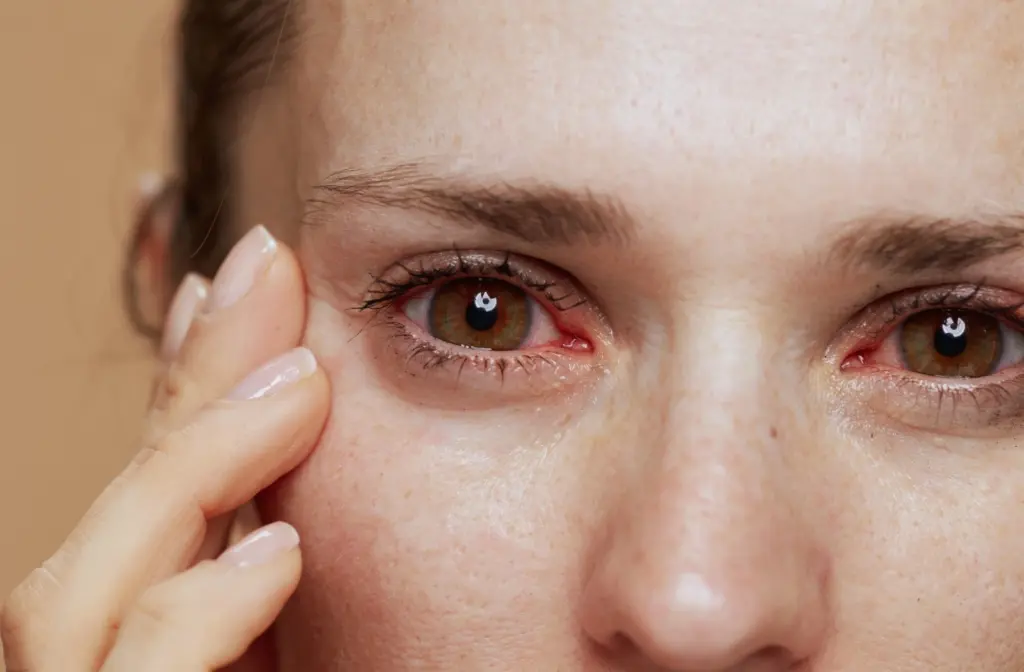
Burning eyes are one of the most common reasons people visit an eye clinic. The feeling is usually described as stinging, heat or rawness along the surface of the eye, and it often comes with redness, watering, a gritty sensation or sensitivity to light. It can appear after a long day at a screen, during allergy season, or for no obvious reason at all, and it can range from a short irritation to a long lasting problem that affects daily comfort.
This guide explains what burning eyes are, what causes them and how doctors tell the causes apart. It also covers what you can do at home, which medical treatments are available, how to prevent the problem from returning and which warning signs mean you should not wait for an appointment.
Table of Contents
What Are Burning Eyes?
Burning eyes describe a sensation of heat or stinging on the surface of the eye or along the eyelids. The front of the eye is covered by a thin tear film that keeps it smooth, clear and protected. When that film becomes unstable, or when the surface or lids become inflamed, the nerve endings in the cornea and conjunctiva react, and the result is a burning feeling.
Get Free Consultation
Have any questions? Leave your details and we'll get back to you shortly.
Burning is a symptom and not a diagnosis. It can affect one eye or both, it can be constant or come and go, and it can be mild or strong enough to interrupt work. Because many different conditions produce the same feeling, finding the cause is the key to choosing a treatment that actually helps.
What Causes Burning Eyes?
The most frequent cause is dry eye, in which the eyes either make too few tears or lose them too quickly. Blepharitis, an inflammation of the eyelid margins, is another common cause and often goes along with dry eye. Allergies, contact lens wear, long screen time, smoke, wind and air conditioning also irritate the surface. Less often, an infection, a small scratch on the cornea or a chemical splash is responsible.
The table below summarises the most common causes and the signs that point toward each one.
| Cause | Typical signs | Common triggers |
|---|---|---|
| Dry eye | Burning, grittiness, tired eyes that improve with blinking | Screens, dry air, age, some medicines |
| Blepharitis | Red, crusty or swollen lid edges, morning stickiness | Bacteria on the lids, oily gland problems |
| Allergic conjunctivitis | Itching along with burning, watery eyes, sneezing | Pollen, dust mites, pet hair |
| Contact lens irritation | Burning when lenses are in, redness, discomfort at day end | Overwear, poor fit, lens deposits |
| Infection | Discharge, redness, sometimes pain or light sensitivity | Viruses, bacteria, close contact |
| Surface injury or exposure | Sharp burning, tearing, feeling of something in the eye | Scratches, smoke, chemicals, chlorine |
Dry Eye and Burning Eyes
Dry eye disease is the single most important cause to understand, because it is both very common and often missed. The tear film has three layers, an oily layer that stops evaporation, a watery layer that moisturises and a mucus layer that helps the tears spread. If any layer is poor, the film breaks up quickly, and the surface of the eye is exposed to the air.
Most dry eye is evaporative and linked to the meibomian glands, tiny oil glands in the eyelids that can become blocked. People with this type may even have watery eyes, because the surface becomes irritated and the eye reflexively produces a rush of tears that do not stay on the eye. Age, hormonal changes, certain medicines and autoimmune conditions can also reduce tear production.
Screens, Environment and Burning Eyes
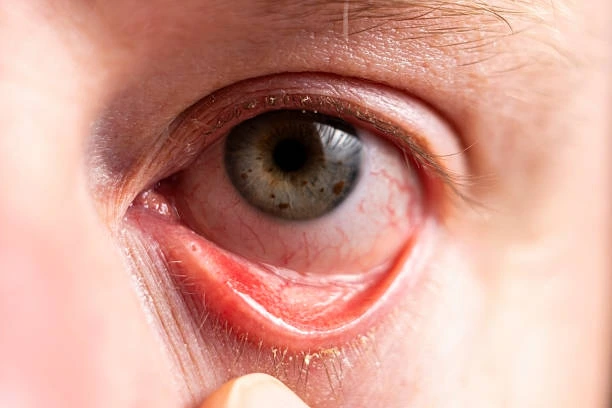
When you look at a screen, you blink far less often, sometimes only a third as often as normal, and many of the blinks are incomplete. The tear film then evaporates faster and the eye starts to burn and feel tired by the afternoon. This pattern is sometimes called digital eye strain, and it is one of the most common reasons young adults develop symptoms.
Dry indoor air, heating and air conditioning, car vents blowing toward the face, wind, smoke and dusty rooms all add to the problem. Reading in poor light or at the wrong distance can also increase strain. Fixing these everyday factors is often enough to reduce symptoms, even before any medical treatment is needed.
Eyelid Inflammation and Blocked Glands
Blepharitis is a long term inflammation of the lid margins where the eyelashes grow. It is related to bacteria, to skin conditions such as rosacea or seborrhoeic dermatitis and to blockage of the meibomian glands. Typical signs are red or swollen lid edges, flakes at the base of the lashes and eyes that feel sticky or burn in the morning.
The condition is not dangerous in most cases, but it tends to return, which is why regular lid care is the foundation of treatment. When left alone, blepharitis can lead to recurrent styes, chalazia, dry eye and, sometimes, damage to the surface of the eye.
Allergies, Contact Lenses and Burning Eyes
Allergic conjunctivitis causes itching more than burning, but the two usually go together, and rubbing the eyes makes both worse. It often appears with a runny nose or sneezing and follows the pollen season or exposure to dust and animals. Cold compresses and allergy eye drops usually ease the symptoms, and avoiding the trigger helps more than any drop.
Contact lenses sit directly on the tear film, so they can both cause and worsen burning. Wearing them for too long, sleeping in them, using old lenses or skipping proper cleaning all raise the risk. If your eyes burn more with lenses than without them, stop wearing them and have a doctor check the fit, the material and the care routine.
Burning Eyes After Eye Surgery or Eye Medication
Mild burning and dryness are common in the weeks after some eye procedures, including laser vision correction and cataract surgery, because the corneal nerves and the tear film need time to settle. Your surgeon will normally give you lubricating or anti inflammatory drops to use while this happens. If the symptoms are getting worse instead of better, it is important to report them at your follow up appointment.
Several systemic medicines can also dry the eyes, including some antihistamines, antidepressants, blood pressure tablets and acne treatments. Do not stop a prescribed medicine on your own, but tell your doctor about the eye symptoms so that the options can be reviewed.
How Are Burning Eyes Diagnosed?
The doctor starts with a history, because the pattern of the symptoms often reveals the cause. Questions cover when the burning appears, whether it is worse in the morning or the evening, whether you use screens or lenses for long periods and whether you have allergies or take medicines. An examination with a slit lamp microscope allows the doctor to see the lids, the glands, the tear film and the front of the eye.
Specific tests can add useful information. The tear break up time measures how long the tear film stays stable between blinks, a Schirmer test measures tear production, and a dye called fluorescein shows tiny areas of damage on the cornea. In some cases, imaging of the meibomian glands or a swab for infection is also done.
Burning Eyes Treatment

Treatment depends on the cause, and it usually combines several small measures. Most people improve with a consistent routine rather than with one strong medicine. The steps below are used for the common dry eye and lid problems.
- Use preservative free artificial tears several times a day, and choose a gel or ointment at night if the eyes are worse in the morning.
- Apply a warm compress to the closed lids for about ten minutes, followed by gentle massage and cleaning of the lash line.
- Take regular screen breaks and make a conscious effort to blink fully.
- Treat any allergy with suitable drops and avoid rubbing the eyes.
- Ask the doctor about prescription drops that reduce inflammation, such as cyclosporine, if the symptoms continue.
When these measures are not enough, a doctor can offer in office treatments. Small plugs can be placed in the tear drainage openings to keep tears on the eye longer, and thermal pulsation or intense pulsed light can help clear blocked oil glands. Infections require specific antibiotic or antiviral treatment, which should be prescribed after an examination and not guessed at home.
Home Care for Burning Eyes
For mild symptoms without any warning signs, a few habits make a real difference. Use the 20 20 20 rule at the screen, which means every twenty minutes, look at something about six metres away for twenty seconds. Place the monitor slightly below eye level, so the lids cover more of the eye surface, and keep the screen at a comfortable distance.
Drink enough water, avoid direct airflow toward the face and consider a humidifier in dry rooms. Take off eye makeup every night and replace old mascara and eyeliner, since they can carry bacteria. Wear sunglasses outdoors to reduce wind and light exposure. Avoid redness relief drops used every day, because they can cause rebound redness and irritation.
Can Diet and Supplements Help Burning Eyes?
Several studies on omega 3 fatty acids in dry eye have given mixed results, so they should not be treated as a cure. Some patients feel better when they eat oily fish regularly and maintain good hydration, and a healthy diet supports general eye health. Smoking, on the other hand, clearly increases dryness and irritation and is worth stopping for the eyes as well as for the body.
If you are thinking about a supplement, ask the doctor first, especially if you take other medicines. A supplement is a support to the main routine and does not replace lid care, tear substitutes or a proper diagnosis.
When Should You See a Doctor for Burning Eyes?
Mild burning that improves with rest and lubricating drops can often be managed at home. See an eye doctor if the symptoms last more than a week or two, if they return often, or if they interfere with work or sleep. You should also get an examination if you wear contact lenses and your eyes are red and burning, since infections can progress quickly in lens wearers.
Seek urgent care straight away if there is a chemical splash, sudden vision loss or blurring, severe pain, strong light sensitivity, a halo around lights, a feeling that something is stuck in the eye or a recent injury to the eye. In a chemical splash, rinse the eye with clean water for at least fifteen minutes while you get help. These signs can point to a problem that needs treatment within hours.
Frequently Asked Questions
Why do my eyes burn without redness?
Burning without obvious redness is often a sign of dry eye or digital eye strain. The surface is irritated and the nerves are sensitive, but the blood vessels have not reacted yet. If it lasts for more than a couple of weeks, an examination can find the cause.
Can burning eyes be a sign of an infection?
Yes, but infections usually come with other signs such as discharge, marked redness, swollen lids or light sensitivity. Viral and bacterial infections are treated differently, so see a doctor instead of using leftover drops.
Are artificial tears safe to use every day?
Preservative free artificial tears are generally safe for frequent use and are often the first treatment for dry eye. Drops with preservatives are better kept to a few times a day, and ask your doctor if you need them more often.
How long do burning eyes last?
It depends on the cause. Irritation from smoke or a long screen day often settles within hours or a day, while dry eye and blepharitis are long term conditions that improve with regular care. Persistent burning needs a proper diagnosis.

 |