Skip to content
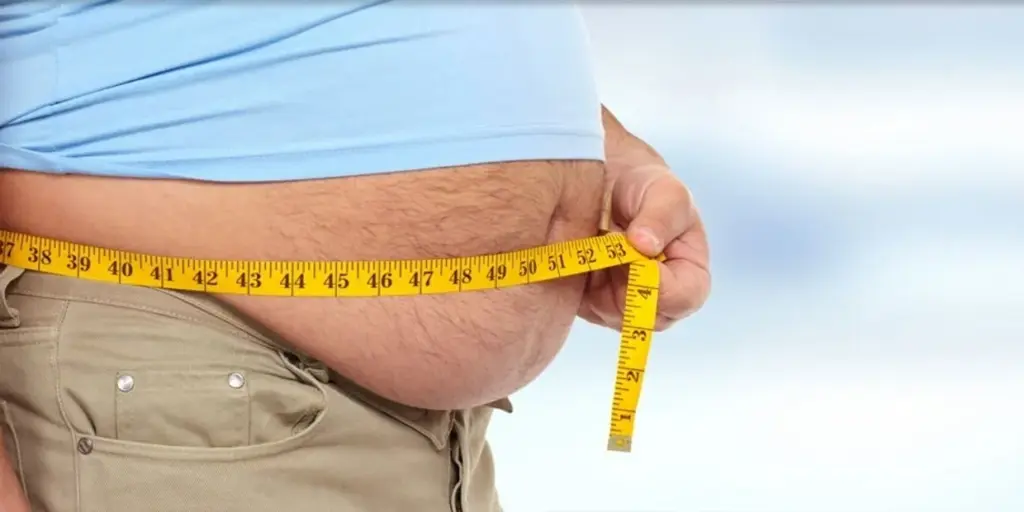
Living with a Body Mass Index (BMI) greater than 40 kg involves navigating profound, interconnected metabolic disruptions. Severe obesity is rarely a simple issue of caloric imbalances; it is a complex, chronic disease driven by hormonal dysregulation, chemical resistance to insulin, and systemic inflammatory pathways. When traditional dietary interventions, intensive exercise regimens, and medical weight management drugs yield temporary or insufficient outcomes, advanced metabolic surgery provides a definitive solution.
The SADI-S surgery (Single Anastomosis Duodeno-Ileal bypass with Sleeve gastrectomy) represents the cutting edge of bariatric evolution. It is an optimized modification of the classic duodenal switch, specifically engineered to provide maximum long-term weight reduction and exceptionally high rates of type 2 diabetes remission. This comprehensive clinical guide breaks down the biological design of the procedure, reviews long-term tracking data, analyzes global private costs, outlines potential risks, and answers your most critical questions.
Table of Contents
What Is SADI-S Surgery?
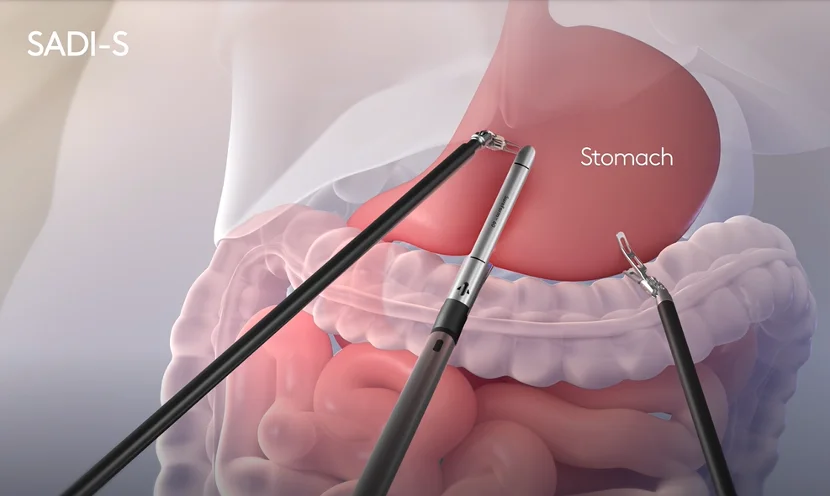
To appreciate the clinical design of this modern procedure, we must first answer a fundamental question: what is SADI-s surgery in terms of human anatomy and metabolic signaling? SADI-S is a highly effective, dual-action surgical technique that combines a restrictive sleeve gastrectomy with a powerful malabsorptive intestinal bypass.
Get Free Consultation
Have any questions? Leave your details and we'll get back to you shortly.
During the first step of the operation, the bariatric surgeon reshapes the stomach by removing approximately 75% to 80% of its volume along the greater curvature, leaving behind a narrow, calibrated sleeve tube. This provides immediate volume restriction, limiting the amount of food a patient can consume in one sitting. Furthermore, removing the stomach fundus significantly decreases the production of Ghrelin, the primary hormone responsible for triggering chronic hunger signals in the brain.
In the second step, the surgeon divides the upper section of the small intestine (the duodenum) just below the pyloric valve. A loop of the lower small intestine (the ileum) is then brought up and attached directly to this cut section of the duodenum via a single connection (anastomosis). By creating a shortened tract where food can actually mix with digestive juices and be absorbed, the surgery safely limits calorie and nutrient uptake while preserving the protective pyloric sphincter muscle.
SADI-S Surgery vs. Gastric Bypass
When evaluating specialized surgical options, patients frequently compare advanced single-loop techniques to standard multi-connection alternatives. Analyzing SADI-s surgery vs gastric bypass highlights distinct physiological advantages:
- Preservation of the Pyloric Valve: Unlike a traditional Roux-en-Y gastric bypass, where the pylorus muscle is completely cut out of the food stream, SADI-S keeps this valve fully operational. The pylorus controls the gradual, natural emptying of food from the stomach sleeve into the small intestine. Preserving this structure significantly reduces the risk of dumping syndrome a common complication after standard bypass surgery that causes severe nausea, rapid heart rates, sweating, and abdominal cramping after consuming simple sugars.
- Reduced Risk of Marginal Ulcers: In a classic gastric bypass, the stomach acid can directly irritate the sensitive lining of the jejunum at the point of connection, leading to chronic marginal ulcers. Because the SADI-S connection joins the duodenum to the ileum, the alkaline nature of the duodenal environment provides a natural buffer, lowering the long-term risk of ulceration.
- Simpler Intestinal Architecture: A traditional bypass requires cutting the small intestine in multiple spots and forming two separate connections (anastomoses). SADI-S utilizes a single loop configuration requiring only one connection. This design shortens operating room times and significantly minimizes the risk of early internal tissue herniation or leakage.
SADI-S Surgery Before and After
The physical and metabolic shifts achieved through this approach are clearly visible when examining a SADI-s surgery before and after timeline. Before surgery, patients often suffer from debilitating joint pain, severe obstructive sleep apnea, and high insulin resistance requiring large daily pharmaceutical doses.
Following the procedure, the initial SADI-s surgery results reveal a fast, continuous drop in adipose (fat) tissue. Because the anatomical rerouting alters bowel transit times, it triggers an immediate rise in key gut hormones like GLP-1 and PYY. These endocrine changes restore cellular insulin sensitivity before significant fat weight is even lost. Within six months, a high percentage of patients achieve complete biochemical remission of their type 2 diabetes, allowing them to stop taking daily insulin medications safely under clinical supervision.
Long-Term SADI-S Surgery Results
When investigating clinical records, the SADI-s surgery results over a 5 to 10-year period are exceptionally successful compared to standalone restrictive procedures. Clinical data demonstrates that patients routinely lose 75% to 85% of their excess body weight within the first 18 months following the procedure.
More importantly, because the shortened loop restricts fat and simple carbohydrate absorption permanently, the rate of long-term weight regain is lower than that seen with the gastric sleeve or standard gastric bypass, making it an excellent primary treatment for patients with a BMI exceeding 50 kg/m2.
What Are the SADI-S Surgery Side Effects?
Every highly effective medical intervention involves a careful balance of benefits and potential clinical risks. When analyzing potential SADI-s surgery side effects and long-term metabolic drawbacks, patients must be aware of:
- Chronic Nutritional Malabsorption: Because a large section of the small intestine is bypassed, your body’s ability to absorb fat-soluble vitamins (Vitamins A, D, E, and K), Calcium, Iron, and Zinc is permanently reduced. Patients must follow a strict, lifelong regimen of specialized bariatric vitamin supplements and undergo regular blood tracking tests twice a year.
- Altered Bowel Habits: During the first few months of healing, the malabsorptive nature of the procedure can cause looser, more frequent stools and increased intestinal gas, especially after eating high-fat meals. These symptoms typically normalize over time as the lower intestinal lining adapts to its new digestive role.
- Acid Reflux or Bile Reflux: In a small percentage of cases, changing the intestinal pressure dynamics can lead to chronic bile reflux, where alkaline digestive fluids move upward into the stomach sleeve.
SADI-S Surgery Cost Worldwide

The baseline SADI-s surgery cost is higher than standard gastric surgeries due to the advanced skills required from the bariatric surgeon, the use of state-of-the-art laparoscopic stapling systems, and the comprehensive pre-operative screening protocols involved. In the United Kingdom and Western Europe, private bariatric clinics charge between £11,000 and £16,000 for this advanced treatment.
This financial barrier is why traveling abroad has become a leading choice for medical treatments. Because of lower local operational costs, favorable currency exchange rates, and highly efficient medical tourism frameworks supported by the government, top-tier bariatric centers in Turkey can provide identical FDA-approved stapling brands, world-class bariatric specialists, and fully accredited hospital environments at a fraction of Western costs. Comprehensive packages in Turkey typically save patients up to 60% of total costs while seamlessly including luxury hotel accommodation, private VIP transfers, and a full year of post-operative nutritional guidance.
Comprehensive Procedure Comparison Matrix
| Clinical Performance Metric | SADI-S Surgery | Roux-en-Y Gastric Bypass | Vertical Sleeve Gastrectomy |
| Primary Metabolic Mechanism | High Restriction + High Malabsorption | Moderate Restriction + Moderate Malabsorption | High Restriction Only (No malabsorption) |
| Total Connections (Anastomoses) | 1 (Single loop design) | 2 (Double connection design) | 0 (Intestinal tract left intact) |
| Pyloric Sphincter Preserved | Yes | No | Yes |
| Average 18-Month Excess Weight Loss | 75% to 85% | 65% to 75% | 55% to 65% |
| Type 2 Diabetes Remission Rate | Excellent (Over 85% clinical remission) | Very High (70% to 80% remission) | Moderate (50% to 60% remission) |
| Lifetime Vitamin Regimen Stricthess | Maximum (Mandatory daily intake) | High (Mandatory daily intake) | Moderate |
| Risk of Severe Dumping Syndrome | Extremely Low | High | Low |
Frequently Asked Questions (FAQ)
Is SADI surgery better than the gastric sleeve?
For patients dealing with severe super-obesity (BMI greater than 50 kg/m2 or advanced, poorly controlled type 2 diabetes, SADI-S surgery generally delivers superior results compared to the standard gastric sleeve. While the sleeve provides volume restriction alone, SADI-S adds a powerful malabsorptive component that yields significantly higher long-term weight loss and much better metabolic control.
What are the disadvantages of SADI-S surgery?
The primary disadvantage of SADI-S surgery is the lifelong requirement for strict nutritional discipline. Because it permanently alters nutrient absorption, failing to take daily specialized bariatric vitamins can lead to severe deficiencies in calcium, iron, and fat-soluble vitamins. It can also cause temporary intestinal gas and loose stools if high-fat foods are consumed.
Can SADI-S surgery be performed as a revision procedure?
Yes, SADI-S is one of the most effective options for bariatric revision surgery. If a patient previously underwent a standard gastric sleeve but experienced weight regain or insufficient diabetes control, the surgeon can convert the existing sleeve into a SADI-S by simply adding the intestinal bypass step.
How long is the hospital stay after a SADI-S operation?
Because the operation is performed using minimally invasive laparoscopic techniques through micro-incisions, the standard post-operative hospital stay is typically only 2 to 3 nights. This time allows the medical team to safely monitor your early fluid intake and track your early healing metrics.
Will I experience severe hair loss after a SADI-S operation?
Temporary hair thinning can occur between months 3 and 6 after surgery. This is a natural physiological reaction to rapid weight loss and metabolic changes. It is temporary and stops completely once weight loss stabilizes, provided you maintain your daily protein goals and bariatric vitamin routines.

 |
|