Skip to content
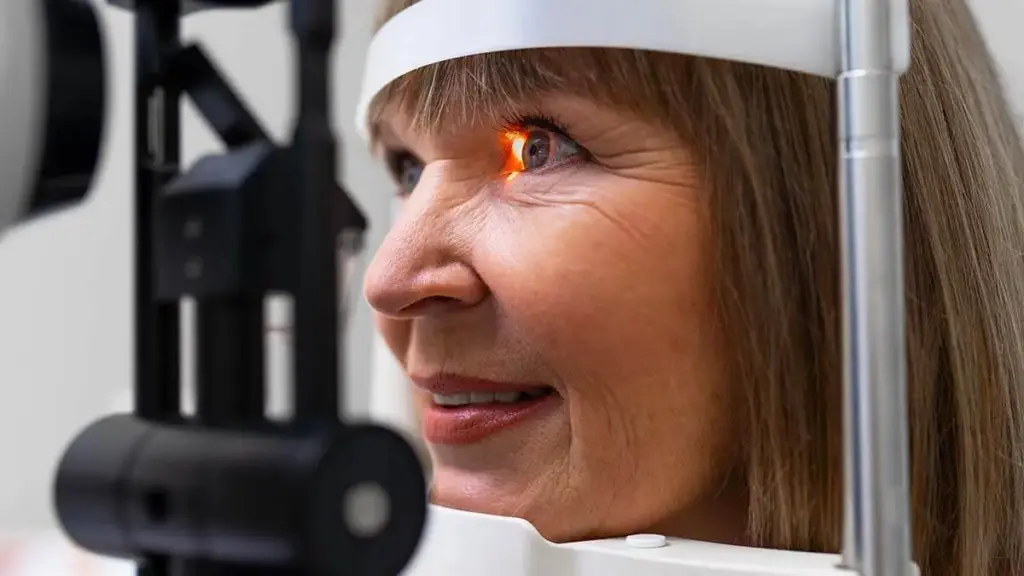
Undergoing cataract surgery or a refractive lens exchange (RLE) is a life-changing experience that restores visual acuity and spatial confidence. However, months or even years after a successful intraocular lens (IOL) implantation, a significant percentage of patients notice their sight gradually becoming blurred, hazy, or plagued by headlight glare at night. Many panic, fearing that their cataract has somehow “grown back.”
In the medical world, cataracts cannot return. Instead, what you are experiencing is a very common condition known as Posterior Capsular Opacification (PCO), frequently referred to as a “secondary cataract.” Fortunately, this condition can be permanently corrected in a matter of minutes without a return to the operating room. This non-invasive outpatient treatment is exactly what YAG laser capsulotomy is a specialized optical gas laser procedure designed to instantly clear the visual axis and restore crystal-clear vision.
Table of Contents
What Is YAG Laser Capsulotomy?
To truly understand what is yag laser capsulotomy, we must first look at the anatomy of an intraocular lens implantation. During initial cataract surgery, the surgeon places the artificial IOL inside the eye’s natural, clear membrane called the lens capsule. Over time, remaining microscopic lens epithelial cells can naturally migrate and multiply across the back portion of this clear membrane.
Get Free Consultation
Have any questions? Leave your details and we'll get back to you shortly.
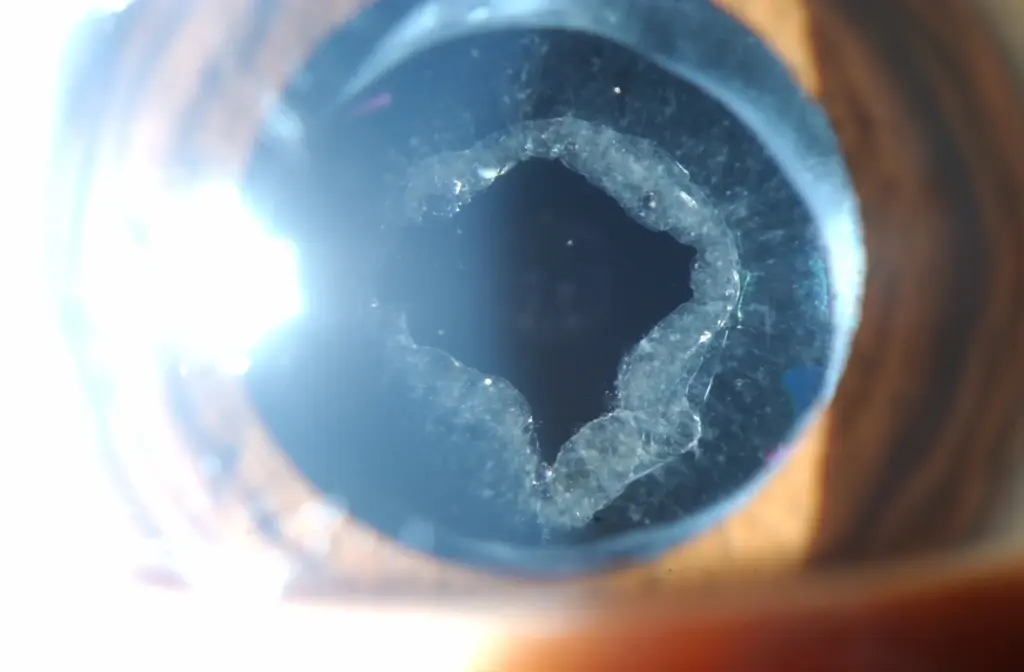
When these cells cluster, they turn the capsule cloudy, preventing light rays from focusing properly on the retina. A YAG laser capsulotomy utilizes a highly focused, photodisruptive Nd:YAG (Neodymium-doped Yttrium Aluminum Garnet) laser to create a perfectly circular, microscopic opening in the center of the cloudy rear capsule. This clears the central window, allowing light to pass through smoothly to the back of the eye again.
The Step-by-Step YAG Laser Capsulotomy Procedure
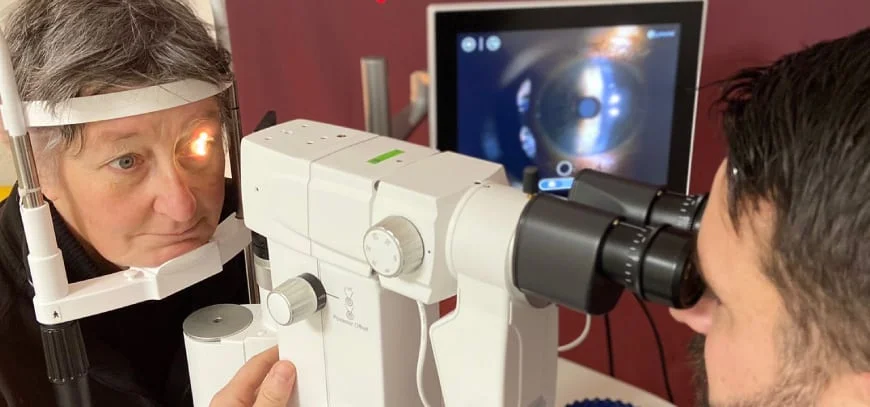
The clinical execution of a yag laser capsulotomy procedure is entirely painless, non-surgical, and performed directly in an outpatient ophthalmic consultation suite rather than a traditional sterile operating theater.
The entire clinical process follows a strict safety timeline:
- Pupillary Dilation: The medical team administers specialized eye drops to widely dilate your pupil. This gives the ophthalmologist a complete view of the cloudy posterior capsule.
- Anesthetic Preparation: Numbing drops are placed on the surface of the cornea to eliminate any physical blinking reflexes or discomfort.
- Laser Alignment: The patient sits comfortably at a specialized slit-lamp microscope device, resting their chin and forehead securely. The surgeon positions a special contact lens on the eye to focus the laser beam with micrometer precision.
- Capsular Opening: The surgeon applies a series of rapid, invisible laser pulses. You will hear subtle clicking sounds and see faint flashes of light, but you will feel absolutely no physical pain or pressure.
How Long Does YAG Laser Capsulotomy Take?
Patients are often surprised by the exceptional speed of the treatment. If you are wondering how long does yag laser capsulotomy take, the active laser delivery itself requires only 2 to 5 minutes per eye. Including the initial time needed for the dilating drops to take full effect and a brief post-op eye pressure check, your entire clinical appointment will typically be completed in under an hour.
What to Expect After YAG Laser Capsulotomy: Recovery & Vision
Understanding what to expect after yag laser capsulotomy helps minimize post-treatment anxiety. Because it is a non-surgical, incisionless procedure, the clinical yag laser capsulotomy recovery time is virtually instant. There are no surgical patches required, no restrictive physical limitations, and no severe lifestyle downtime.
The improvement in vision after yag laser capsulotomy can usually be noticed within a few hours, just as soon as the dilating drops wear off and your pupils return to their normal size. Patients frequently report an immediate return of bright color contrast, sharp text reading capabilities, and a dramatic reduction in night glare.
Can I Drive After YAG Laser Capsulotomy?
A vital safety restriction relates to your immediate travel plans following your appointment: Can i drive after yag laser capsulotomy? The clinical answer is a definitive no. Because the medical dilating drops leave your vision blurred and highly sensitive to sunlight for 4 to 6 hours, you must arrange for a family member, friend, or private transfer to drive you home safely. Bringing a pair of dark sunglasses to your appointment is highly recommended to protect your dilated eyes from glare on the ride home.
Analyzing YAG Laser Capsulotomy Side Effects, Problems, and Complications
While it remains one of the safest and most frequently performed laser procedures in modern ophthalmology, patients must maintain an objective view regarding temporary yag laser capsulotomy side effects and rare long-term anatomical risks.
1. Common, Temporary Side Effects
The most prevalent issue reported by patients is the sudden appearance of small, moving spots or webs in their field of vision, clinically known as floaters. These occur because the tiny pieces of the cloudy capsule that were broken apart by the laser naturally float inside the vitreous gel of the eye. These floaters are harmless and will gradually drift out of your central vision over a few weeks. Temporary spikes in intraocular pressure (IOL pressure) can also occur, which is why your pressure is checked before you leave the clinic.
2. Rare Problems and Complications
When assessing potential problems after yag laser capsulotomy, serious structural yag laser capsulotomy complications occur in fewer than 1% of clinical cases. These rare events include:
- Retinal Detachment: The laser energy can occasionally alter the stability of the gel inside the eye, increasing traction on a fragile retina.
- Intraocular Lens (IOL) Pitting: Tiny, microscopic marks left on the artificial lens if the laser focus shifts slightly.
- Macular Edema: Swelling of the central retina due to localized inflammation.
Post-Treatment Care: YAG Laser Capsulotomy After Care
Following a structured yag laser capsulotomy after care routine ensures long-term safety and protects your visual results. The protocol is exceptionally straightforward:
- Anti-Inflammatory Drop Regimen: The ophthalmologist will prescribe a mild corticosteroid or non-steroidal anti-inflammatory (NSAID) eye drop to be used 3 to 4 times daily for approximately 5 to 7 days.
- Normal Activity Resumption: You can safely read, watch television, exercise, and wash your face immediately following the procedure.
- Warning Signs: Patients must contact their clinic immediately if they experience a sudden, dramatic increase in new floaters, bright flashes of light in their peripheral vision, a dark shadow resembling a curtain falling over their sight, or severe eye pain.
YAG Laser Capsulotomy Cost
The baseline yag laser capsulotomy cost depends on whether one or both eyes require treatment, the technological level of the laser system used, and the geographical location of the clinic. In the UK and Western Europe, private clinics charge between £800 and £1,500 per eye for a standalone outpatient session.
International patients often choose to undergo their primary lens surgeries or post-op follow-ups at fully accredited global eye centers that include advanced YAG laser configurations within highly integrated care packages. This approach delivers identical world-class safety and cutting-edge optical technology at a much more accessible price point.
Clinical Comparison: Cataract Surgery vs. YAG Capsulotomy
| Feature / Protocol | Primary Cataract Surgery | YAG Laser Capsulotomy |
| Surgical Intent | Removes the natural cloudy lens | Creates an opening in a cloudy lens capsule |
| Anatomical Incision | Yes (Micro-incision into the cornea) | No (Incisionless, non-invasive light beam) |
| Average Procedure Duration | 15 to 30 Minutes | 2 to 5 Minutes |
| Clinical Setting | Sterile Operating Theater | Standard Consultation Suite Slit-Lamp |
| Anesthesia Used | Sedation or intense local nerve block | Topical numbing eye drops only |
| Initial Recovery Window | 2 to 4 Weeks (Strict restrictions) | 1 to 2 Hours (No physical restrictions) |
Frequently Asked Questions (FAQ)
Can a secondary cataract grow back again after a YAG laser capsulotomy?
No. Once the laser creates a clear central opening in the posterior capsule, the cells cannot bridge that gap again. A YAG laser capsulotomy is a permanent, once-in-a-lifetime treatment for each eye.
How long does the visual blurriness last after the laser session?
The mild blurriness and light sensitivity usually fade within 4 to 6 hours. This timeframe matches how long it takes for the clinical dilating drops to naturally wear off.
Is the YAG laser capsulotomy procedure painful?
No. The eye is fully numbed with topical drops before the procedure begins. You will not feel the laser cutting the tissue; the only sensations are hearing a soft clicking sound and seeing light flashes.

 |
|