Skip to content
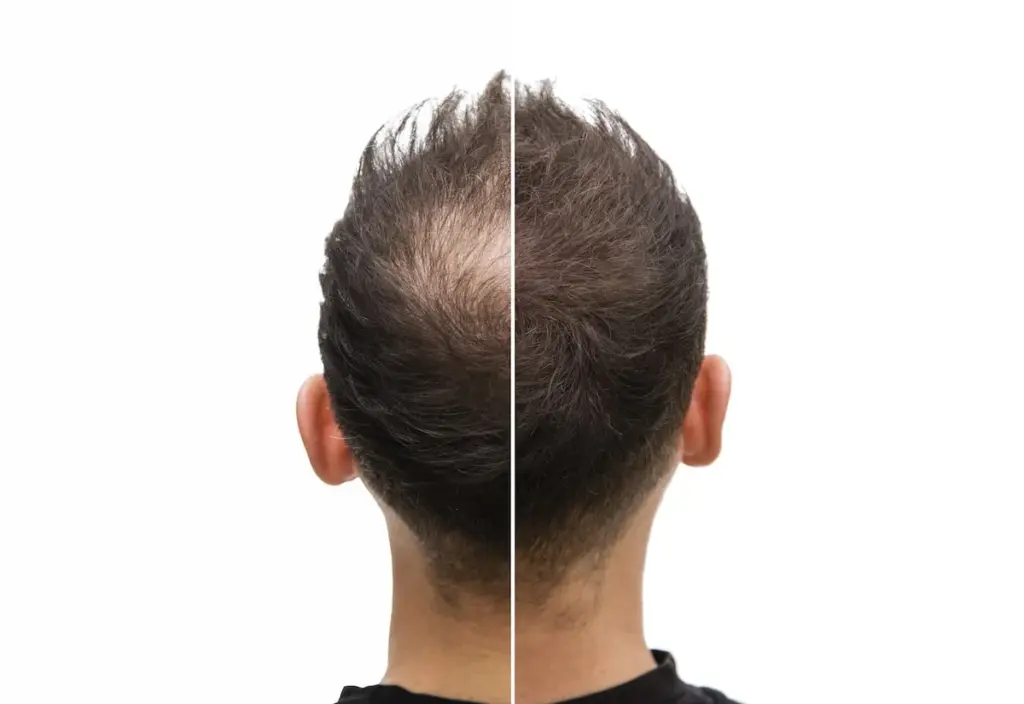
Hair loss, whether manifesting as progressive male pattern baldness, diffuse female thinning, or localized alopecia patches, often affects an individual’s self-esteem and social confidence. While surgical hair transplantation remains a popular option for structural restoration, it requires a sufficient donor zone and involves an extended healing timeline. For individuals lacking adequate donor follicles, those who fear invasive surgical incisions, or patients seeking to mask residual strip and extraction scars, modern cosmetic dermatology offers a highly advanced alternative. A scalp micropigmentation (SMP) application is a specialized micro-insertional procedure designed to meticulously deposit specialized medical pigments into the epidermal layer of the scalp, instantly creating the visual illusion of a full head of hair.
For many international patients, navigating the differences between cosmetic hair tattooing and medical follicle simulation can feel overwhelming. Knowing what to expect scalp micropigmentation before and after sessions, evaluating performance for both men and women, and understanding proper clinical care are the most effective ways to guarantee a natural result. This comprehensive clinical guide breaks down the technical steps of the procedure, analyzes global private costs, details potential side effects, and answers your most critical recovery questions.
Table of Contents
What Is Scalp Micropigmentation?
To appreciate the cosmetic design behind this protocol, we must first clarify a fundamental question: what is scalp micropigmentation in the context of modern aesthetic medicine? Often called a permanent hair tattoo or medical hairline simulation, a scalp micropigmentation treatment is a non-surgical, non-invasive outpatient procedure.
Get Free Consultation
Have any questions? Leave your details and we'll get back to you shortly.
Unlike standard body tattooing which uses thick needles and heavy inks that can bleed into deeper dermal fat SMP utilizes computerized micro-needles and specialized charcoal-based pigments. The clinician applies thousands of microscopic dots across the outer layer of the skin, precisely matching the size, depth, angle, and natural distribution of organic hair stubble.
How Is the Scalp Micropigmentation Procedure Performed?
The clinical implementation of an SMP strategy is a progressive process that requires multiple sessions (typically 2 to 3 appointments spaced 10 to 14 days apart) to build realistic depth and density:
- Phase 1: Diagnostic Design: The specialist analyzes your natural skin undertones, maps out your desired structural hairline using facial symmetry metrics, and selects a pigment shade that blends naturally with your remaining hair.
- Phase 2: Base Micro-Dot Layering: After applying a mild topical numbing cream, the practitioner uses a specialized device to apply the first baseline layer of micro-dots. This initial pass maps out the hairline profile and softens the contrast between your skin and your hair.
- Phase 3: Density Building & Shadowing: During follow-up sessions, the clinician adds secondary layers of micro-dots using slightly different pigment tones. This creates a multi-dimensional, natural shadow effect that mimics real 3D follicle depth.
Tailoring the Results: Applications for Men and Women
The underlying pattern of hair loss varies significantly between genders, which requires completely different clinical approaches during treatment:
1. Scalp Micropigmentation Men
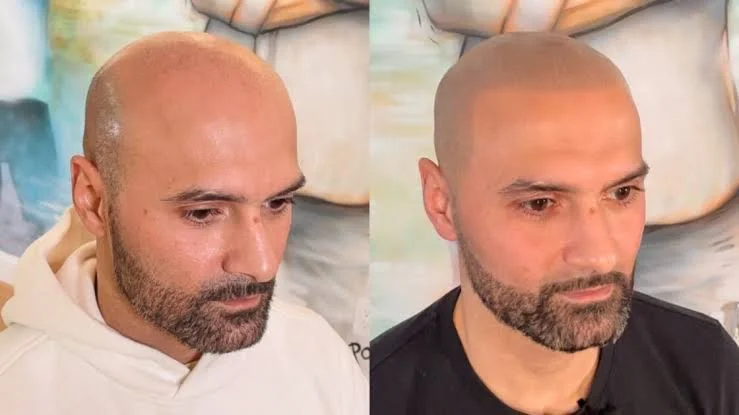
For male patients suffering from advanced pattern baldness (Norwood Scale 4 to 7), SMP is typically used to recreate a complete, sharp buzz-cut aesthetic. The technician reconstructs a natural frontal hairline and temples, filling in the entirely bald crown area. This leaves the patient looking like they choose to wear their hair in a clean, stylishly shaved look.
2. Scalp Micropigmentation Women
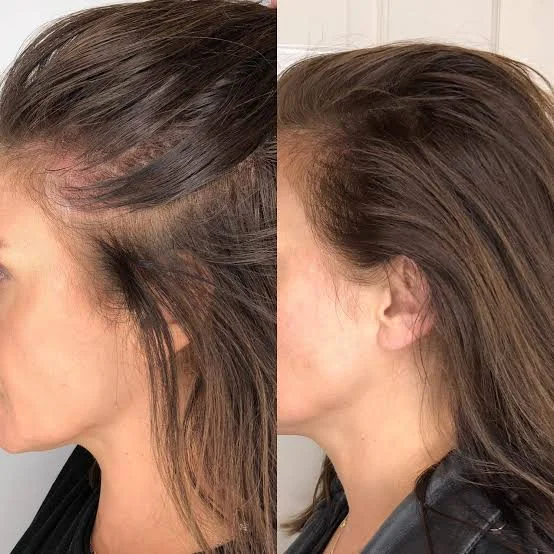
Unlike men, female hair loss usually presents as diffuse thinning across the central parting line (Ludwig Scale), while the frontal hairline remains intact. When performing scalp micropigmentation women protocols, the goal is to execute scalp micropigmentation with hair left at its natural long length. The practitioner works between your long strands to darken the visible skin of the scalp, masking the white contrast of the skin and creating the illusion of much thicker, denser hair without requiring any shaving.
Advanced Protocols: Combining SMP and Hair Transplantation
One of the fastest-growing trends in advanced hair restoration is combining medical surgery with cosmetic pigmentation. Undergoing scalp micropigmentation after hair transplant surgeries serves two vital purposes:
- Masking Donor Zone Scars: Traditional Follicular Unit Transplantation (FUT) leaves a linear scar, while Follicular Unit Extraction (FUE) can cause a scattered, tiny dot pattern in the donor area if over-harvested. SMP can camouflage these scars, allowing patients to confidently wear their hair short.
- Enhancing Visible Density: If a patient has advanced baldness and their donor zone lacks enough follicles to achieve dense coverage, SMP can be placed between the transplanted hairs. This fills in any remaining thin spots, delivering a much fuller look.
Clinical Waiting Rule: If you are planning an SMP treatment after a surgical hair transplant, you must wait at least 12 months post-op. This ensures the transplanted follicles have fully matured and the delicate scalp tissue has healed completely.
Evaluating the Risks: Scalp Micropigmentation Side Effects
While SMP is non-surgical, breaking the outer layer of the skin involves a careful balance of temporary side effects and rare clinical risks:
- Localized Redness: The treated area will appear slightly pink or sunburned for 24 to 48 hours immediately following your session.
- Pigment Migration (Blotching): If an inexperienced or unlicensed technician inserts the needle too deep into the fatty dermal layers, the ink dots can spread and merge, causing large, unnatural blue-green blotches.
- Premature Fading: Extended exposure to intense ultraviolet (UV) sunlight without sunscreen accelerates pigment breakdown, requiring more frequent touch-ups.
Post-Treatment Care: Specialized SMP After Care Protocols
Following a disciplined scalp micropigmentation after care routine during the first 7 days is vital to prevent infection and keep the micro-dots sharp:
- Keep the Scalp Dry: Absolutely no showering, washing, or getting water on your head for the first 4 days. Use a protective shower cap when bathing.
- Avoid Intense Sweating: Refrain from heavy cardiovascular exercise, weightlifting, or visiting saunas for the first 5 days. Excess sweat can push the fresh pigment out of the skin, causing premature fading.
- No Direct Sun Exposure: Wear a clean, loose hat when stepping outdoors, and avoid applying commercial sunscreens, moisturizers, or hair products to the healing scalp for the first week.
Scalp Micropigmentation Cost Worldwide
The total scalp micropigmentation cost is calculated based on the surface area requiring coverage (using the Norwood scale classification) and the level of cosmetic scarring present. In the UK, USA, and Western Europe, private SMP treatment prices range from £2,000 to £5,000 for advanced balding stages.
This financial barrier is why choosing scalp micropigmentation Turkey has become a premier global trend. But why are the costs more accessible? Thanks to lower local operational overheads, favorable currency exchange rates, and a highly competitive medical tourism infrastructure supported by the government, accredited clinics in Istanbul can provide identical premium, medical-grade pigments and expert practitioners for between $600 and $1,900. These comprehensive international packages often include your multi-session treatments, luxury accommodation, and private VIP transfers.
Comprehensive Hair Restoration Comparison
| Restorative Metric | Scalp Micropigmentation (SMP) | Traditional Hair Transplant (FUE) |
| Primary Mechanism | Optical Follicle Simulation (Illusion) | Surgical Follicle Relocation (Growth) |
| Invasive Level | Non-surgical, non-invasive | Minimally invasive micro-surgery |
| Anesthesia Used | Topical numbing cream only | Local subcutaneous injection |
| Visibility of Results | Immediate (Builds across sessions) | Requires 6 to 12 months for growth |
| Lifestyle Downtime | None (Return to work next day) | 7 to 10 days (Strict scabbing care) |
| Lifetime Longevity | 4 to 6 years (Requires touch-ups) | Permanent (Lifetime follicle growth) |
Frequently Asked Questions (FAQ)
How long does micropigmentation last on the scalp?
Scalp micropigmentation is a long-lasting, semi-permanent treatment. Because your skin cells naturally regenerate over time, the micro-dots will gradually soften and fade. Positive patient scalp micropigmentation reviews show that results typically stay sharp for 4 to 6 years before a brief touch-up appointment is needed to restore peak density.
Does scalp micropigmentation regrow hair?
No, it does not. If you are wondering does scalp micropigmentation regrow hair, it is an entirely cosmetic treatment that alters skin color dynamics rather than hair biology. It does not revitalize damaged hair roots, stop progressive thinning, or cause additional hair loss.
Does scalp micropigmentation look real up close?
Yes, when executed by an expert technician using medical-grade equipment, it looks incredibly realistic. The micro-dots match the diameter of natural stubble, blending seamlessly into your existing hair patterns so well that even close observers struggle to notice the camouflage.
Is the scalp micropigmentation treatment painful?
Most patients describe the sensation as a minor, irritating discomfort or a light scratching feeling, rather than severe pain. Because the specialized needles only enter the very shallow outer layers of the skin, it is significantly less painful than receiving a traditional body tattoo.

 |
|