Skip to content
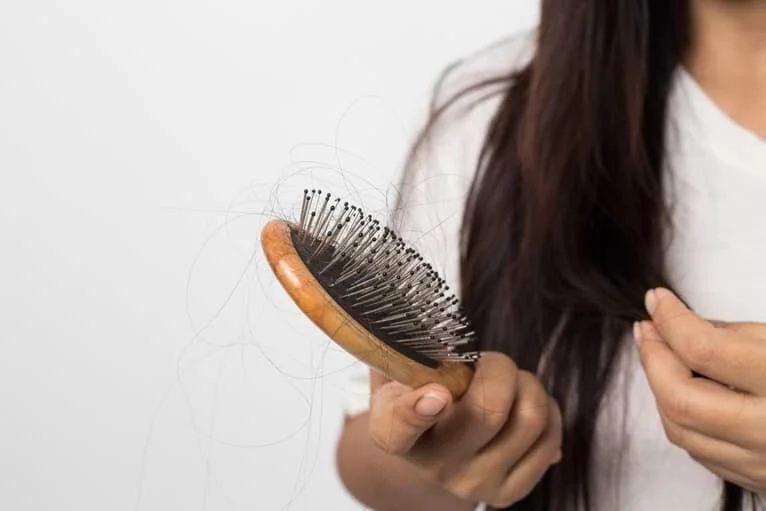
Undergoing metabolic and bariatric procedures is a transformative anatomical milestone. These procedures successfully reverse life-threatening chronic conditions like type 2 diabetes, significantly reduce cardiorespiratory stress, and fundamentally reset your metabolic system. However, during the early months of this dramatic transformation, many patients are blindsided by an distressing aesthetic complication: sudden, diffuse hair thinning.
Finding clumps of hair in the shower drain can spark significant anxiety, leading patients to wonder why hair loss after bariatric surgery occurs and whether their rapid transformation is permanently damaging their hair health. Clinically, this phenomenon is incredibly common, highly predictable, and entirely manageable. This comprehensive guide breaks down the biological triggers behind post-surgical hair thinning, outlines the physiological timelines, and provides a clear roadmap on how to prevent hair loss after bariatric surgery using advanced medical, nutritional, and trichological therapies.
Table of Contents
What Causes Hair Loss After Bariatric Surgery?
To build an effective prevention strategy, we must first examine the biological triggers and analyze what causes hair loss after bariatric surgery. Human hair follicles naturally cycle through three distinct metabolic phases: Anagen (the active growth phase, lasting 2 to 6 years), Catagen (a brief transitional phase), and Telogen (the resting phase, lasting roughly 3 months, at the end of which the hair naturally sheds). Under normal conditions, about 85% to 90% of your hair is actively growing, while only 10% rests.
Get Free Consultation
Have any questions? Leave your details and we'll get back to you shortly.
When the human body undergoes a major metabolic shift, it experiences a temporary condition known as Telogen Effluvium (TE). The primary physiological reasons behind why hair loss after bariatric surgery occurs include:
1. The Physiological Shock of Surgery
Major surgical interventions, general anesthesia, and rapid systemic weight loss act as acute physiological stressors. The body enters a survival mode, instinctively shifting metabolic energy away from non-essential cosmetic structures to protect vital internal organs. This stress pushes a large percentage of active Anagen hairs prematurely into the resting Telogen phase at the exact same time.
2. Acute Caloric and Protein Restriction
During the first few months after surgery, your total stomach capacity drops drastically, and your daily caloric intake is strictly limited. If the body does not receive enough amino acids, it cannot adequately supply keratinocytes (the cells responsible for producing hair structural proteins), leading to early shedding.
3. Malabsorptive Nutritional Deficiencies
Procedures that reroute the small intestine bypass the key anatomical sections responsible for absorbing vital micro-nutrients. Shortages in essential vitamins and minerals directly impair the chemical pathways needed for healthy hair cell replication.
How Common Is Hair Loss After Surgery?
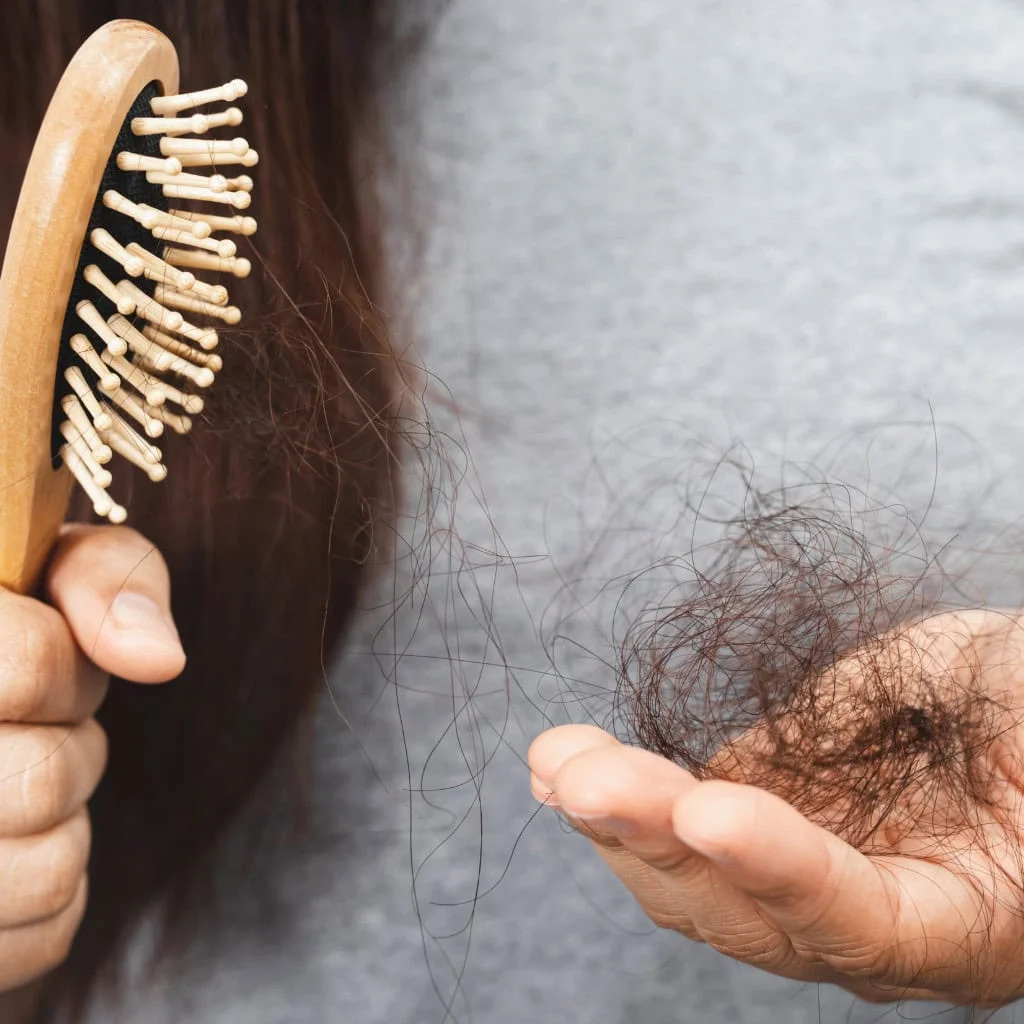
If you are currently experiencing this issue, it is highly reassuring to know the statistics regarding how common is hair loss after surgery. Clinical tracking data shows that 30% to 40% of bariatric patients experience noticeable hair thinning during their first post-operative year. In cases of super-obesity or when patients face prolonged early challenges with solid food tolerance, the rate of severe hair loss after bariatric surgery can rise even higher. This confirms that post-op thinning is a normal, systemic reaction to rapid weight loss rather than a sign of a surgical error.
How Long After Bariatric Surgery Does Hair Loss Last?
A major source of worry for patients is the fear that their hair loss will continue indefinitely. Understanding how long after bariatric surgery does hair loss last depends directly on the natural 3-month lifespan of a Telogen hair follicle:
- The Onset Window (Months 3 to 4): Post-op hair thinning almost never happens immediately after your procedure. Because the Telogen resting phase lasts roughly 90 days, the hairs pushed into retirement during surgery will only begin to visibly shed 3 to 4 months down the road.
- The Shedding Window (Months 4 to 6): This is the peak phase for diffuse shedding. Patients will notice increased hair fallout when brushing, washing, or styling their hair.
- The Stabilization Window (Months 6 to 9): As your weight loss velocity slows down and your daily nutrient intake stabilizes, the Telogen Effluvium cycle naturally ends. The shedding stops, and the hair follicles safely return to their active Anagen growth cycle.
Is Hair Loss After Bariatric Surgery Permanent?
Let us address the most urgent concern shared by bariatric patients worldwide: is hair loss after bariatric surgery permanent? The clinical answer is a definitive no.
Telogen Effluvium does not destroy or scar the hair follicles; it simply pauses their active growth cycle temporarily. Once your body adapts to its new metabolic baseline and resolves its early nutritional deficits, the hair will grow back fully and naturally. Post-bariatric hair loss is completely reversible.
How to Stop Hair Loss After Bariatric Surgery?
While Telogen Effluvium must naturally run its course, knowing exactly what to do for hair loss after bariatric surgery can drastically limit the intensity of the shedding and significantly speed up the hair regrowth phase.
THE ANTI-FALLOUT NUTRITIONAL CHECKLIST:
1. Daily Protein Minimums: Consume 60 to 80 grams of high-biological-value protein (whey isolate, lean meats, eggs) daily.
2. Lifetime Bariatric Multivitamins: Take specialized bariatric formulas containing high doses of fat-soluble vitamins.
3. Strict Micro-Nutrient Monitoring: Keep Ferritin (iron stores) above 50 ng/mL and maintain optimal Zinc and Biotin levels.
When implementing a plan on how to stop hair loss after bariatric surgery, patients must prioritize three foundational micro-nutrients:
- Ferritin & Iron: Iron acts as a vital cofactor for the enzyme ribonucleotide reductase, which is essential for healthy hair cell division. If your ferritin levels drop below 50 ng/mL, your hair follicles cannot return to the active growth phase.
- Zinc: Zinc plays a critical role in hair tissue repair and keeps the oil glands surrounding the follicles functioning properly.
- Biotin (Vitamin B7): Biotin supports the synthesis of keratin, the primary structural protein that makes up your hair strands.
The Best Treatment for Hair Loss After Bariatric Surgery
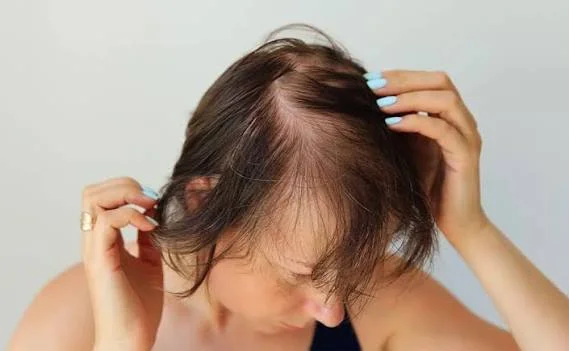
If a patient faces prolonged nutritional challenges or experiences severe thinning, relying on dietary adjustments alone may not resolve the issue quickly enough. In these cases, combining metabolic care with specialized, non-invasive hair treatments provides the best treatment for hair loss after bariatric surgery.
1. Specialized Hair Mesotherapy
This advanced clinical treatment involves injecting a highly concentrated cocktail of biomimetic peptides, multi-vitamins, amino acids, and vasodilators directly into the upper dermal layers of the scalp. This delivers vital nutrients straight to the root of the starved hair follicles, bypassing early digestive absorption issues and stimulating fast tissue repair.
2. Autologous Platelet-Rich Plasma (PRP) Therapy
A premium therapy where a small sample of the patient’s blood is spun in a specialized centrifuge to isolate concentrated growth factors. When injected into thinning areas, PRP triggers angiogenesis (the formation of new blood vessels), increases localized blood flow, and signals dormant Telogen follicles to return to the active Anagen growth phase immediately.
Comprehensive Post-Bariatric Trichological Care Matrix
| Clinical Parameter / Metric | Nutritional Adjustment Protocol | Clinical Hair Mesotherapy | Platelet-Rich Plasma (PRP) Therapy |
| Primary Mechanism | Resolves systemic micro-nutrient deficits | Delivers localized vitamins to the follicle | Uses autologous growth factors to boost cell division |
| Invasiveness Level | Non-Invasive (Oral intake) | Micro-Injections (Minimally invasive) | Micro-Injections (Minimally invasive) |
| Primary Targets | Keratin synthesis & systemic health | Starved, dormant hair roots | Dormant follicles and thinning scalps |
| Recommended Timing | From Day 1 post-op (Lifelong care) | Starting at post-op month 3 or 4 | Starting at post-op month 4 or 5 |
| Session Frequency | Continuous daily supplementation | 4 to 6 sessions spaced 2 weeks apart | 3 to 4 sessions spaced 1 month apart |
| Visual Recovery Impact | Foundational (Builds tissue building blocks) | Fast (Triggers early follicle awakening) | Maximum (Boosts long-term hair diameter) |
Frequently Asked Questions (FAQ)
Can I use over-the-counter hair growth shampoos to stop post-bariatric shedding?
While high-quality, non-chemical biotin shampoos can help strengthen your existing hair strands and reduce external breakage, they cannot stop post-bariatric shedding. This type of hair loss is driven by internal metabolic shifts and nutritional deficits, which can only be resolved through proper protein intake and targeted micro-nutrient optimization.
Will taking extra biotin prevent Telogen Effluvium before it starts?
No, taking extra biotin cannot completely prevent Telogen Effluvium from starting. The initial shift into the shedding phase is triggered by the physical shock of the surgery itself. However, maintaining optimal biotin and iron levels before and after your procedure ensures the shedding remains mild and helps your hair recover and grow back much faster.
Should I change my hair care routine during the peak shedding phase?
Yes, you should treat your hair very gently during the peak shedding phase. Avoid using harsh chemical dyes, high-heat styling tools, or hairstyles that pull tightly on the scalp (such as tight ponytails). Use a soft-bristled brush and wash your hair gently with lukewarm water to minimize unnecessary tension on fragile hair roots.

 |
|