Skip to content
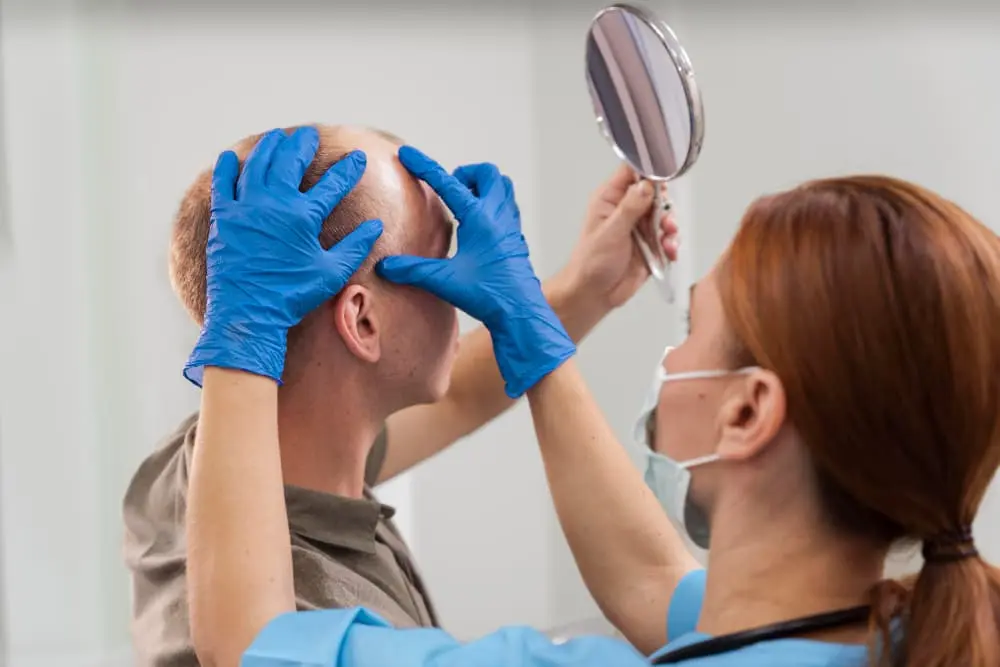
The decision to undergo a modern hair restoration procedure whether utilizing Sapphire Follicular Unit Extraction (FUE) or Direct Hair Implantation (DHI) presents a major milestone in reversing advanced androgenetic alopecia and reclaiming your lifelong self-confidence. While choosing the right surgeon and surgical center are the absolute foundational pillars of a natural result, selecting the perfect timing on your calendar often triggers a cascade of questions. A major source of worry for patients worldwide revolves around seasonal weather conditions.
Among these concerns, the idea of getting a hair transplant in summer is one of the most heavily debated topics in cosmetic trichology. Many patients mistakenly believe that warm weather, outdoor heat, and seasonal sweat can permanently destroy newly implanted grafts. However, modern medical evidence demonstrates that hair restoration can be performed with elite success year-round, provided you follow a strict, specialized post-operative care protocol. This comprehensive guide analyzes the biological facts of warm-weather healing, weighs the hair transplant in summer or winter debate, details critical UV protection guidelines, and answers your most urgent recovery questions.
Table of Contents
Is It Safe to Do a Hair Transplant in Summer?
To separate medical reality from internet myths, we must directly answer the core question: Is it safe to do a hair transplant in summer? The definitive clinical answer is yes, it is completely safe. The human body naturally maintains a stable internal core temperature, meaning your blood circulation will deliver optimal oxygen and vital nutrients to the healing scalp tissue regardless of whether it is hot or cold outside.
Get Free Consultation
Have any questions? Leave your details and we'll get back to you shortly.
Furthermore, higher summer temperatures naturally stimulate localized blood circulation, which can actually promote faster skin cell regeneration and a smoother initial healing phase, provided the scalp is strictly protected from direct sun damage and unhygienic conditions. Summer hair transplants have an identical ultimate success and graft survival rate to those performed in winter; the only true variable is your personal willingness to follow strict seasonal aftercare protocols.
Seasonal Comparison: Hair Transplant in Summer or Winter?
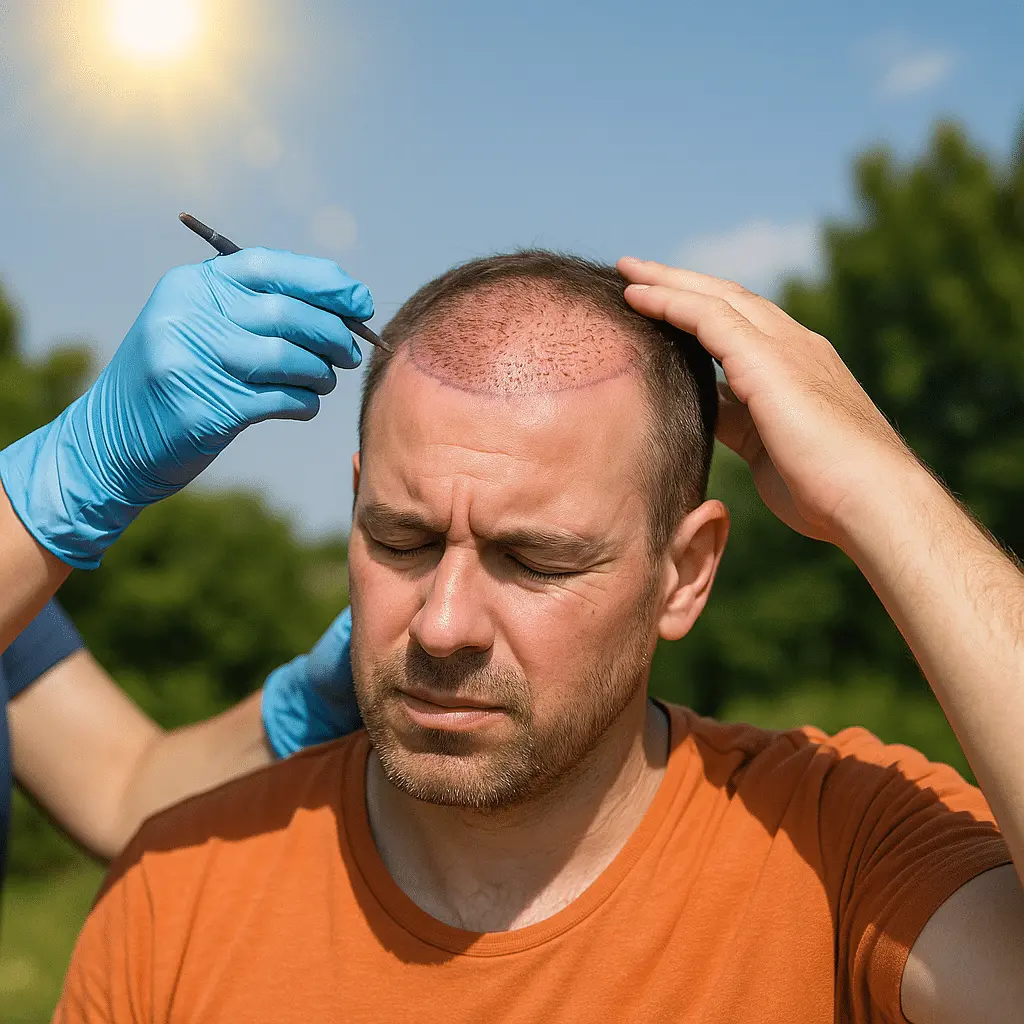
When weighing your options between a hair transplant in summer or winter, it becomes clear that each calendar window offers unique lifestyle advantages and specific postoperative challenges:
1. The Advantages of Summer Hair Restoration
The primary benefit of a summer procedure is scheduling flexibility. Many corporate professionals and students utilize their extended summer vacation blocks to undergo surgery. This allows them to stay comfortably indoors during the first 7 to 10 days of recovery, resting quietly at home without needing to request extra medical leave from work or expose their raw scalp to social circles. Additionally, warm weather makes regular post-op scalp washing easier, allowing the hair to dry naturally without the thermal shock of blow dryers.
2. The Challenges of Summer Hair Restoration
The primary enemies of a summer recovery are direct UV sun exposure, excessive sweating, and water restrictions. Intense sunlight can cause severe sunburn on a sensitive, healing scalp, leading to hyperpigmentation, delayed tissue repair, or permanent graft damage. Sweating due to high humidity can introduce bacteria into unhealed micro-incisions, raising infection risks if strict hygiene is ignored.
3. The Winter Alternative Profile
In contrast, winter offers cooler temperatures that naturally minimize sweating, making post-op inflammation more comfortable. It is also socially easier to wear loose-fitting beanies or hoods discreetly outside. However, cold winter weather brings its own challenges, such as dry indoor heating that can cause scalp flakiness, itching, and dandruff, requiring aggressive topical moisturization.
Critical Post-Op Sweat Management and Hygiene Protocols
Sweat production is a natural physiological cooling response, but during the first 10 to 14 days after a hair transplant, managing perspiration is crucial for protecting your grafts. Sweat contains lactic acid and waste minerals that can irritate fragile micro-wounds. To maintain perfect clinical hygiene in hot weather, follow these rules:
- Climate-Controlled Environments: Spend the first 4 to 5 post-operative days in an air-conditioned room to keep your body temperature low and prevent sweating before the channels close.
- No Strenuous Fitness: Completely avoid gyms, weightlifting, cardiorespiratory running, and heavy physical labor for at least 14 to 30 days post-op to prevent vascular pressure spikes and sweat buildup.
- Gentle Blotting Techniques: If you accidentally sweat due to a warm environment, never rub your scalp with a towel, as this friction will instantly pull out the grafts. Instead, take a clean, soft paper towel and very gently dab or blot the moisture away from the skin.
Strict Sun Safety: UV Protection After a Hair Transplant
Newly transplanted hair grafts and healing epidermal tissue lack their natural melanin defenses, making them extremely vulnerable to solar radiation. Direct UV rays can penetrate the thin healing skin, damaging the delicate DNA of the newly anchored hair roots.
THE SUMMER SUN SAFETY TIMELINE:
- Days 1-3: Absolute sun avoidance; stay entirely indoors during peak UV hours (10 AM – 4 PM).
- Days 4-14: Wear a specially approved, loose-fitting, breathable bucket hat whenever stepping outside.
- Day 30+: You can safely apply doctor-approved, non-chemical, high-SPF sunscreen to the scalp.
When selecting headwear for outdoor protection, completely avoid tight baseball caps or tight-fitting beanies. Tight hats apply direct mechanical pressure and friction to the recipient zone, which compress the healing tissue and physically dislodge the grafts. Opt for a wide-brimmed, ultra-light bucket hat that rests loosely on the upper forehead and crown without touching the treated areas.
Comprehensive Seasonal Care Comparison
| Clinical Metric / Factor | Summer Hair Transplant Recovery | Winter Hair Transplant Recovery |
| Primary Lifestyle Benefit | Extended vacation time for a private recovery | Easily concealed with standard winter headwear |
| Primary Environmental Risk | Intense UV solar radiation & excessive sweating | Dry indoor air, cold winds & friction from tight hats |
| Risk of Infection | Moderate (Elevated if sweat/dust builds up) | Low (Cooler temperatures minimize bacteria growth) |
| Skin Regeneration Speed | Faster (Warmth boosts localized blood flow) | Standard (Cold weather can cause mild stiffness/dryness) |
| Swimming & Beach Restrictions | Strict 30-day ban (No pools, sea salt, or sand) | Naturally avoided due to cold winter weather |
| Initial Scalp Care Focus | Post-op sweat management & sun safety | Flakiness, itching, and dryness management |
Frequently Asked Questions (FAQ)
When can I go into a swimming pool or the sea after a summer hair transplant?
You must completely avoid swimming in chlorinated pools, salt-water seas, or entering saunas for at least 30 to 90 days following your surgery. Chlorine is a harsh chemical that can dry out and destroy healing hair roots, while ocean water and sand can introduce a high risk of bacterial infection into unhealed micro-incisions.
Does air conditioning harm newly implanted hair grafts?
No, air conditioning is actually your best friend during a summer recovery. Staying in a comfortably cool, air-conditioned room keeps your body temperature low, effectively preventing sweating and keeping the healing scalp clean and dry during the critical first week. Just ensure you are not sitting directly underneath a strong, freezing air draft.
Can I travel or fly home immediately after a summer procedure?
Yes, you can safely fly or travel by car 24 to 48 hours after your procedure once your initial clinic wash and post-op checkup are complete. During transit, ensure you wear a loose, breathable hat to shield your scalp from terminal sun rays through windows, and avoid carrying heavy luggage that could spike your blood pressure.

 |
|