Skip to content

Laser-Assisted In Situ Keratomileusis (LASIK) is one of the most popular and successful refractive eye surgeries performed globally, helping millions achieve freedom from prescription glasses and contact lenses. By using precise Femtosecond and Excimer laser technology, an ophthalmic surgeon creates a thin micro-flap on the surface of the eye and reshapes the underlying corneal stroma to correct myopia, hyperopia, and astigmatism.
While the majority of patients experience rapid visual improvement (often achieving 20/20 vision within 24 to 48 hours) the ocular surface undergoes an extensive healing phase. During this post-operative recovery window, experiencing fluctuating clarity or blurry vision after LASIK is a very common observation.
Whether you are in early recovery or noticing optical changes years later, understanding how corneal tissue heals is essential for peace of mind. Patients frequently ask is it normal to have blurry vision after LASIK, inquire about how long blurry vision after LASIK typically lasts, wonder why they experience blurry vision after LASIK in one eye, ask can dry eyes cause blurry vision after LASIK, and research options on how to fix blurry vision after LASIK. This comprehensive clinical guide explores the primary causes of post-operative haze, outlines realistic recovery timelines, examines late-onset blurriness, and details when medical intervention is needed.
Get Free Consultation
Have any questions? Leave your details and we'll get back to you shortly.
Table of Contents
Is It Normal to Have Blurry Vision After LASIK?
To alleviate post-surgical anxiety, we must address the primary question: is it normal to have blurry vision after LASIK?
Yes, experiencing mild to moderate blurry vision after LASIK surgery is an expected part of the natural corneal healing response. During LASIK, the laser creates microscopic disruptions in the corneal epithelium and underlying stromal bed. Additionally, microscopic sensory nerve fibers that run through the cornea are temporarily severed when the corneal flap is created.
As a result, your eye experiences temporary micro-swelling (edema), changes in tears, and localized inflammation. Until the corneal surface smooths out, tear production stabilizes, and the brain adapts to your new optical alignment, visual input may appear slightly hazy, soft, or out of focus much like looking through a slightly smudged window.
How Long Does Blurry Vision Last After LASIK? Recovery Timeline
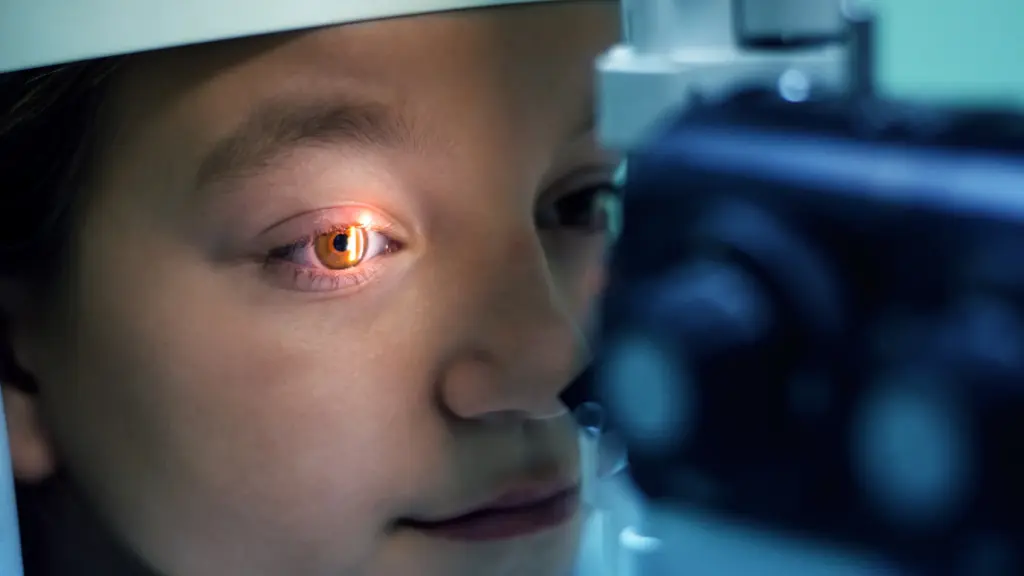
Understanding the recovery phases helps set realistic expectations during blurry vision after LASIK surgery recovery:
1. The First 24 to 48 Hours
Immediately after surgery, your vision will feel cloudy or hazy, similar to opening your eyes underwater. Within 24 hours, functional vision improves significantly. Most patients can drive themselves to their 1-day post-op checkup, though fine details, reading text, and night driving may still look slightly soft.
2. Weeks 1 to 4 (The Stabilization Phase)
During the first month, vision naturally fluctuates. You may notice crisp 20/20 vision in the morning that becomes slightly blurry by evening as your eyes tire. Environmental factors like air conditioning, computer screens, and wind can accelerate tear evaporation, temporarily increasing haze.
3. Months 1 to 3 (Optical Maturation)
By week 6, major corneal swelling resolves and sensory nerves begin regenerating. Visual fluctuations diminish significantly, and crisp contrast sensitivity returns.
4. Months 3 to 6 (Final Clinical Stabilization)
Full corneal flap adhesion and nerve regeneration are typically complete by month 6. By this stage, your visual acuity should remain steady and sharp throughout the day.
Why Is Only One Eye Blurry After LASIK?
It is very common for patients to report one eye blurry vision after LASIK or notice that their dominant eye sees sharper than their non-dominant eye. Several clinical reasons explain blurry vision after LASIK in one eye:
- Asymmetrical Corneal Healing: Each eye is an independent biological organ. One eye may experience slightly more microscopic swelling or inflammation than the other, causing its healing curve to lag by a few days or weeks.
- Uneven Tear Film Distribution: If dry eye syndrome affects one eye more severely, the tear film over that cornea becomes uneven, casting a distorted or blurry image onto the retina.
- Pre-Operative Prescription Differences: If one eye had a significantly higher prescription or greater astigmatism before surgery, its corneal stroma underwent deeper laser reshaping, which can take longer to settle.
- Flap Micro-Wrinkles (Microstriae): In rare cases, tiny microscopic wrinkles can form beneath the corneal flap in one eye during the first 24 hours, requiring a quick, in-clinic flap smoothing procedure by your surgeon.
Can Dry Eyes Cause Blurry Vision After LASIK?
A frequent concern among patients is: can dry eyes cause blurry vision after LASIK? The answer is a definitive yes. In fact, temporary post-op dry eye syndrome is the single most common cause of persistent blurriness during the first 3 to 6 months post-surgery.
THE DRY EYE & BLURRY VISION CYCLE:
1. LASIK Flap Creation -> Temporarily severs corneal sensory nerves.
2. Reduced Nerve Signals -> Brain senses less need for baseline tear production.
3. Unstable Tear Film -> Light rays refract unevenly over the dry cornea.
4. Result -> Fluctuating, hazy, or blurry vision (especially on digital screens).
Smooth, clear vision depends on a uniform tear film over the cornea. When your eye is dry, the tear film breaks up rapidly, creating microscopic dry spots. Light entering through these dry patches scatters unevenly, directly causing blurry vision, glare, and halos around lights.
Experiencing Blurry Vision 5 Years After LASIK: Late-Onset Causes
If you achieved crystal-clear optics after surgery but suddenly develop blurry vision after LASIK 5 years ago (or even a decade later), the cause is almost never a failure of the original LASIK procedure. Instead, late-onset blurriness is caused by natural age-related or secondary ocular changes:
- Regression of Refractive Error: Over years or decades, subtle natural changes in the shape of the eyeball or lens can cause a minor return of myopia, hyperopia, or astigmatism.
- Presbyopia (Age-Related Near Vision Loss): Around age 40 to 45, the natural internal lens of the eye loses its flexibility. This makes reading small print difficult, regardless of whether you had successful LASIK in your 20s or 30s.
- Chronic Ocular Surface Disease (Dry Eye Syndrome): Age, hormonal shifts, environmental factors, or prolonged screen time can cause chronic dry eyes years after surgery.
- Early Cataract Development: As you reach your 50s, 60s, or 70s, the natural crystalline lens inside the eye gradually becomes cloudy, causing progressive blurriness, dull color perception, and night glare.
How to Fix Blurry Vision After LASIK: Clinical & Daily Solutions

If you are looking for practical ways on how to fix blurry vision after LASIK, your treatment pathway depends on the underlying cause and post-operative timeline:
1. Frequent Use of Preservative-Free Artificial Tears
During the first 3 to 6 months, apply preservative-free lubricating drops every 1 to 2 hours—even if your eyes do not feel actively dry. Keeping the corneal surface continuously hydrated maintains a smooth optical layer and immediately clarifies blurry optics.
2. Punctal Plugs and Prescription Eye Drops
For persistent dry eye haze, an ophthalmologist can insert tiny, temporary silicone plugs (punctal plugs) into your tear ducts to keep your natural tears on the eye surface longer. They may also prescribe anti-inflammatory drops (such as cyclosporine or lifitegrast) to stimulate natural tear production.
3. Prescription Nighttime Ointments and Warm Compresses
Using a thicker lubricating ointment at bedtime and applying warm compresses to your eyelids helps unblock the meibomian oil glands, improving tear film quality.
4. LASIK Enhancement / Touch-Up Procedure
If residual refractive error or minor regression remains after 6 to 12 months, and your cornea maintains sufficient thickness, your surgeon can perform a quick LASIK touch-up (enhancement) to polish away remaining blurriness and restore 20/20 vision.
Comprehensive Post-LASIK Visual Clarity Timeline Matrix
| Recovery Timeline | Expected Visual Quality | Common Symptoms | Recommended Clinical Action |
| Hours 0 to 24 | Hazy, soft focus (like under water) | Light sensitivity, tearing, mild burning | Rest, wear protective eye shield, sleep |
| Days 1 to 7 | Functional clarity (20/20 to 20/30) | Fluctuating vision, mild halos | Use antibiotic/steroid drops, artificial tears |
| Weeks 2 to 4 | Good clarity, minor fluctuations | Dryness, computer fatigue, one eye blur | Preservative-free tears every 1-2 hours |
| Months 1 to 3 | Sharp clarity, stabilizing | Occasional evening dryness, light sensitivity | Continue artificial tears, 1-month post-op check |
| Months 3 to 6 | Final crisp optical stabilization | Stable vision throughout the day | Routine annual eye exam |
| Years Later (5+ Yrs) | Potential natural age-related shift | Reading print difficulty, glare, late dryness | Consult eye doctor for presbyopia/cataract check |
Frequently Asked Questions (FAQ)
Is it normal to have blurry vision after LASIK in one eye only?
Yes, having blurry vision after LASIK in one eye is very common. Each eye heals independently, meaning one eye may experience slightly more microscopic swelling, drier patches, or slower nerve regeneration than the other. Unless accompanied by severe pain, this asymmetry usually balances out within a few weeks.
How long does blurry vision last after LASIK surgery on average?
Major blurriness improves significantly within 24 to 48 hours post-op. Minor visual fluctuations, dryness-related haze, and soft focus typically fade over 1 to 3 months as your cornea heals completely and your tear film stabilizes.
Can dry eyes cause blurry vision after LASIK even if my eyes don’t feel dry?
Yes. Post-LASIK dry eye syndrome can cause significant visual blurriness even if you do not feel classic dry eye symptoms like burning or grittiness. Microscopic dry patches scatter incoming light rays before they reach your retina, directly disrupting visual clarity.
What should I do if I develop blurry vision 5 years after LASIK?
If you develop blurry vision 5 years after LASIK, schedule a routine comprehensive exam with an optometrist or ophthalmologist. The blurriness is usually caused by presbyopia (age-related near vision loss), chronic dry eye, minor natural prescription regression, or early cataracts all of which are easily treatable with reading glasses, dry eye therapy, or a minor LASIK enhancement.

 |
|