Skip to content

Bariatric surgery provides reliable, life-changing clinical solutions for individuals battling severe obesity and metabolic conditions like type 2 diabetes, hypertension, and sleep apnea. While traditional Roux-en-Y gastric bypass has long been considered a benchmark, advancements in minimally invasive laparoscopic surgery introduced an effective, streamlined alternative: the mini gastric bypass (clinically referred to as One Anastomosis Gastric Bypass or OAGB).
Understanding the anatomical nuances of this procedure helps prospective patients choose the safest path for their weight loss journey. Patients frequently compare mini gastric bypass vs gastric bypass, weigh mini gastric bypass vs sleeve, research the steps of the mini gastric bypass surgery, examine what happens during the mini gastric bypass operation, investigate medical travel for mini gastric bypass turkey, evaluate the mini gastric bypass recovery time, review potential mini gastric bypass side effects, and analyze factors influencing mini gastric bypass cost. This comprehensive clinical guide breaks down the surgical mechanics, recovery protocols, risk management, and procedural differences.
Table of Contents
What Is a Mini Gastric Bypass and How Does It Work?
The mini gastric bypass surgery is a simplified, highly effective weight loss procedure that combines both restrictive and malabsorptive metabolic mechanisms:
Get Free Consultation
Have any questions? Leave your details and we'll get back to you shortly.
ANATOMICAL RECONSTRUCTION MECHANISM:
- [Stomach Partitioning]: Long, narrow gastric tube (30 to 50 ml) created along lesser curvature
- [Intestinal Loop Elevation]: Jejunum bypassed by approximately 150 to 200 cm
- [Single Anastomosis]: Direct loop connection between gastric tube and small intestine (OAGB)
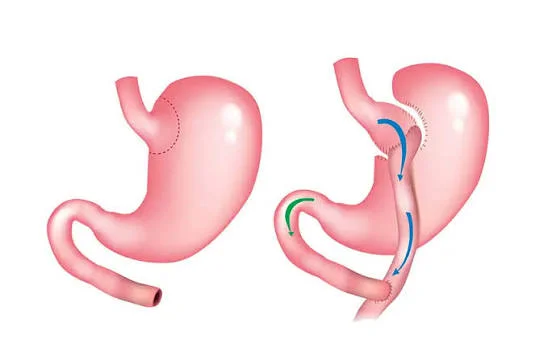
- Restriction: The surgeon divides the stomach to create a long, narrow tube (pouch) holding approximately 30 to 50 ml of food. The remainder of the stomach is left in place but completely separated from the food pathway.
- Malabsorption: A loop of the small intestine is brought up and connected directly to the new gastric tube (forming a single connection or anastomosis), bypassing roughly 150 to 200 cm of the upper small intestine where calorie and nutrient absorption normally occurs.
Mini Gastric Bypass vs. Gastric Bypass vs. Sleeve: The Technical Differences
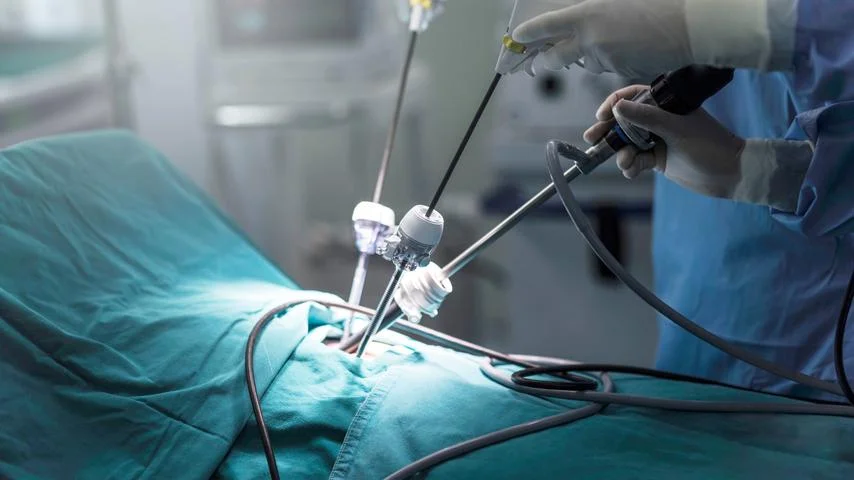
Understanding how the procedures differ biomechanically clarifies surgical selection:
1. Mini Gastric Bypass vs. Gastric Bypass (Roux-en-Y)
In a mini gastric bypass vs gastric bypass evaluation, the defining difference is the number of connections:
- Connections: Traditional Roux-en-Y requires two separate surgical connections (anastomoses) to create a Y-shaped intestinal limb. The mini bypass requires only one single loop connection.
- Operative Time & Complexity: Because it has only one connection, the mini bypass has shorter operative times and lower risks of internal herniation.
- Malabsorption Profile: Mini gastric bypass generally bypasses a longer stretch of small intestine, often resulting in slightly higher percentage of excess weight loss and stronger metabolic resolution of type 2 diabetes.
2. Mini Gastric Bypass vs. Sleeve Gastrectomy
In a mini gastric bypass vs sleeve comparison:
- Sleeve Gastrectomy: Purely restrictive; about 80 percent of the stomach is permanently excised, leaving the natural intestinal tract intact.
- Mini Gastric Bypass: Combines a smaller stomach tube with intestinal bypassing, providing metabolic malabsorption to help prevent long-term weight regain. It is often preferred for patients with higher BMIs or poorly controlled diabetes.
Recovery Milestones: Mini Gastric Bypass Recovery Time
The mini gastric bypass recovery time is relatively fast due to the use of laparoscopic keyhole techniques:
- Days 1 to 3 (Hospital Stay): Patients start walking within 3 to 4 hours post-op to stimulate bowel motility and prevent blood clots. A clear liquid diet begins under clinical monitoring.
- Weeks 1 to 2 (Liquid Diet): Consuming protein shakes, broth, and water. Most patients return to remote or light desk work within 10 to 14 days.
- Weeks 3 to 4 (Pureed & Soft Food Phase): Transitioning to pureed proteins (scrambled eggs, Greek yogurt, blended soups). Light walking and daily routines resume.
- Month 2 Onward (Solid Foods & Exercise): Introduction of well-chewed, nutrient-dense solid foods. Light cardiovascular workouts, swimming, and stationary cycling are cleared.
- Months 6 to 18 (Peak Weight Loss): Patients typically achieve 70 to 80 percent excess weight loss (EWL), accompanied by significant improvements in blood sugar and lipid profiles.
Understanding Mini Gastric Bypass Side Effects and Risks
While safe when performed by experienced bariatric surgeons, prospective patients must understand potential mini gastric bypass side effects:
- Bile Reflux: Because the stomach pouch is connected directly to an intestinal loop without a Roux limb, bile and pancreatic secretions can occasionally wash back into the gastric tube, causing irritation or chemical gastritis.
- Nutritional & Vitamin Deficiencies: Due to intestinal malabsorption, lifelong daily supplementation with fat-soluble vitamins (A, D, E, K), iron, calcium, vitamin B12, and high-protein intake is mandatory.
- Dumping Syndrome: Rapid transit of simple sugars or high-fat foods into the small intestine can cause lightheadedness, sweating, cramping, and diarrhea.
- Marginal Ulcers: Ulcers can develop at the junction where the stomach tube meets the intestine, an issue strongly exacerbated by smoking, alcohol, or non-steroidal anti-inflammatory drugs (NSAIDs).
Bariatric Procedures Comparison Matrix
| Clinical Parameter | Mini Gastric Bypass (OAGB) | Roux-en-Y Gastric Bypass | Sleeve Gastrectomy |
| Surgical Mechanism | Restrictive + Malabsorptive | Restrictive + Malabsorptive | Purely Restrictive |
| Number of Connections | 1 Anastomosis | 2 Anastomoses | 0 (No intestinal cuts) |
| Average Excess Weight Loss | 70% to 80% over 18 months | 65% to 75% over 18 months | 60% to 70% over 18 months |
| Type 2 Diabetes Remission | Very High (>85%) | High (>80%) | Moderate to High (>65%) |
| Internal Hernia Risk | Very Low | Moderate | None |
| Bile Reflux Risk | Low to Moderate | Extremely Low | Replaced by Acid Reflux (GERD) |
| Supplementation Need | Lifelong strict daily intake | Lifelong strict daily intake | Moderate daily intake |
What Factors Determine the Mini Gastric Bypass Cost?
Patients researching mini gastric bypass cost will notice wide price variations across different countries and medical centers. Rather than a flat fixed rate, total surgical pricing depends on several specific variables:
- Geographic Location and Healthcare Infrastructure: Procedure costs vary significantly between countries (e.g., UK/US vs. accredited medical tourism hubs like Turkey).
- Surgeon Expertise and Case Volume: Highly experienced bariatric surgeons who hold international fellowships or master certifications typically command higher fees.
- Hospital Accreditation and Technology: Surgeries performed in internationally accredited (JCI-certified) hospitals with advanced robotic or 4K laparoscopic suites have different cost structures than smaller local clinics.
- Pre-Operative Diagnostics: Comprehensive workups including pre-op endoscopies, abdominal ultrasounds, cardiac clearances, and endocrinology consultations impact the final package price.
- Post-Operative Support Packages: Inclusive packages often cover multi-day inpatient nursing care, extended dietitian guidance (12 to 24 months), bariatric nutrition kits, and dedicated medical travel logistics (such as VIP airport transfers and 4- or 5-star hotel stays in mini gastric bypass turkey programs).
Frequently Asked Questions (FAQ)
Is a mini gastric bypass reversible or convertible?
Yes. Because the mini gastric bypass preserves the native stomach tissue in the abdomen and involves only a single intestinal connection, the anatomy can be surgically reversed back to normal or converted to a traditional Roux-en-Y gastric bypass if severe intractable bile reflux or malnutrition occurs.
How much weight do you lose after a mini gastric bypass operation?
On average, patients lose approximately 70 to 80 percent of their excess body weight within the first 12 to 18 months, provided they adhere to their structured bariatric diet, maintain daily physical activity, and prioritize adequate protein intake.
Can I drink coffee or alcohol after mini gastric bypass surgery?
Caffeine should be avoided during the first 1 to 2 months post-op as it can irritate the stomach lining and cause dehydration. Alcohol must be avoided entirely for at least 6 months; due to altered metabolic processing, alcohol is absorbed much more rapidly and can trigger severe hypoglycemia and liver strain.
What should I do to prevent vitamin deficiencies after surgery?
To maintain optimal health, you must commit to daily bariatric multivitamins, calcium citrate with vitamin D, iron, and sublingual vitamin B12, alongside regular blood panels checked at 3, 6, 12, and 24 months post-operatively.

 |
|