Skip to content

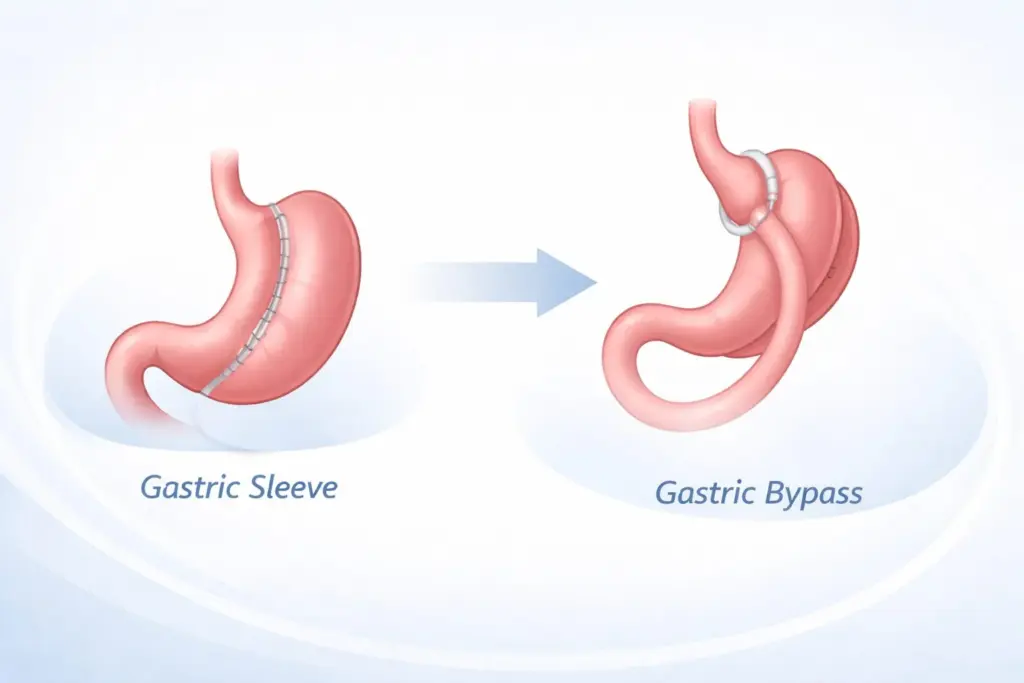
Primary metabolic and weight loss surgeries, such as laparoscopic sleeve gastrectomy and Roux-en-Y gastric bypass, have helped hundreds of thousands achieve sustained weight reduction and remission of type 2 diabetes. However, bariatric surgery is a long-term metabolic tool rather than an absolute permanent safeguard. Over time, biological adaptations, gradual dilation of the gastric pouch or sleeve, chronic gastroesophageal reflux disease (GERD), or insufficient initial weight reduction can necessitate corrective secondary intervention. In these complex clinical scenarios, bariatric revision surgery restores proper restriction and metabolic signaling.
Patients considering a secondary procedure frequently evaluate clinical options like endoscopic bariatric revision surgery, investigate specialized travel opportunities for bariatric revision surgery Turkey, compare conversion techniques like sleeve to bypass revision, and evaluate the clinical variables that influence the overall cost of bariatric revision surgery. This comprehensive guide breaks down procedural indications, endoscopic alternatives, recovery benchmarks, and pricing dynamics.
Table of Contents
What Is Bariatric Revision Surgery and Why Is It Performed?
A bariatric revision surgery encompasses a spectrum of secondary surgical and endoscopic interventions performed to alter, repair, or convert a prior weight loss operation.
Get Free Consultation
Have any questions? Leave your details and we'll get back to you shortly.
Revision procedures are typically indicated for two distinct clinical reasons:
- Insufficient Weight Loss or Weight Regain: Over five to ten years, natural muscular tissue can stretch. A gastric sleeve may expand from its narrow tube shape, or a gastric bypass stoma (the connection between the stomach pouch and the intestine) may dilate, allowing food to empty too quickly and diminishing early satiety signals.
- Medical Complications: The most common medical indication is severe, intractable acid reflux following a sleeve gastrectomy. In a narrow sleeve, intraluminal gastric pressure is high, frequently forcing acid into the esophagus. Other complications include marginal ulcers at the gastrojejunostomy junction, internal bowel hernias, or chronic dysphagia.
Primary Surgical Techniques: Conversions and Corrections
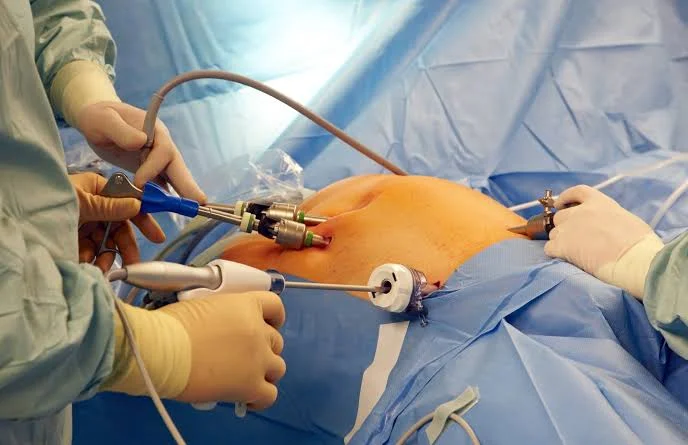
Secondary metabolic surgery requires meticulous dissection due to post-operative scar tissue (adhesions). Bariatric surgeons customize the surgical revision according to the patient’s original anatomy:
1. Gastric Sleeve to Roux-en-Y Gastric Bypass Conversion
The gold-standard corrective approach for severe GERD or weight regain following a sleeve gastrectomy. The surgeon divides the upper part of the expanded sleeve to fashion a small stomach pouch and bypasses a portion of the small intestine. Because the gastric pouch empties directly into the jejunum with low pressure, acid exposure ceases immediately, eliminating chronic heartburn.
2. Gastric Sleeve to Duodenal Switch (SADI-S / DS)
For patients with a stretched sleeve who experience significant weight regain without acid reflux, converting the sleeve to a single anastomosis duodeno-ileal bypass with sleeve gastrectomy (SADI-S) provides powerful malabsorptive and hormonal reinforcement.
3. Gastric Band Removal and Simultaneous Conversion
Many patients with older adjustable gastric bands suffer from band slippage, pouch enlargement, or erosion into the stomach wall. The band and surrounding scar capsule are surgically excised, followed either immediately or in a staged second procedure by conversion to a sleeve gastrectomy or gastric bypass.
4. Endoscopic Bariatric Revision Surgery (Incisionless Outpatient Procedures)
For patients who previously had a sleeve or bypass and wish to avoid another major laparoscopic operation, endoscopic bariatric revision surgery offers a minimally invasive alternative:
- Transoral Outlet Reduction (TORe): In gastric bypass patients with an enlarged gastrojejunal stoma, a flexible endoscope equipped with an automated suturing device is passed through the mouth. The dilated stoma and pouch are sutured from the inside, shrinking the diameter back down to twelve to fifteen millimeters.
- Endoscopic Sleeve Revision (Re-Sleeve): For a stretched gastric sleeve, full-thickness endoscopic plications are placed internally along the gastric wall, reducing the stomach capacity by sixty to seventy percent without external abdominal incisions.
Recovery Expectations: Post-Operative Milestones
Because revisional interventions involve altered vascular beds and existing surgical staples, post-operative protocols require strict clinical adherence:
- Days One to Three: Hospitalization involves continuous vital sign monitoring and fluoroscopic contrast swallow evaluations (leaks tests) to ensure integrity at all staple and suture lines. Clear fluids are initiated slowly.
- Weeks One to Two (Full Liquid Phase): Patients consume smooth, protein-dense liquid shakes, broths, and electrolyte solutions. Strenuous core activity, bending, and heavy lifting are strictly prohibited.
- Weeks Three to Four (Pureed Diet): Pureed proteins, soft cottage cheese, and scrambled eggs are reintroduced in small portions to allow the newly formed connections to heal without pressure.
- Months Two to Six (Solid Food Transition and Metabolic Adaptation): Patients transition to solid, high-protein foods while working with a bariatric dietitian. Weight loss resumes rapidly, and metabolic blood markers improve steadily.
Comparative Matrix: Bariatric Revision Modalities
| Clinical Parameter | Sleeve to Gastric Bypass Conversion | Sleeve to SADI-S / Duodenal Switch | Endoscopic Revision (TORe / Re-Sleeve) | Lap-Band Removal & Conversion |
| Primary Indication | Severe acid reflux & weight regain | Significant weight regain without GERD | Stretched stoma/sleeve without major complications | Band erosion, slippage, or weight regain |
| Invasiveness | Laparoscopic surgical conversion | Laparoscopic surgical conversion | Incisionless (via mouth endoscope) | Laparoscopic surgery (single or staged) |
| Acid Reflux Resolution | Exceptionally high (immediate cure) | Moderate | Neutral | Moderate |
| Additional Weight Loss Potential | High (60 to 70 percent excess weight) | Very high (70 to 85 percent excess weight) | Moderate (15 to 25 percent total weight) | High (dependent on conversion choice) |
| Hospital Stay | 2 to 3 Nights | 2 to 4 Nights | Outpatient or 1 Night | 2 to 3 Nights |
| Malabsorption Level | Moderate | High (requires strict vitamin intake) | None | Moderate |
What Determines the Cost of Bariatric Revision Surgery?

Prospective patients researching the overall cost of bariatric revision surgery or organizing an overseas trip for bariatric revision surgery Turkey will find that pricing is personalized rather than standardized. Revisional procedures are inherently more complex than primary procedures and depend on several clear variables:
- Complexity of Previous Anatomy and Adhesions: Operating on an abdomen with extensive dense scar tissue from previous interventions lengthens operative time, requires specialized ultrasonic dissection tools, and increases surgeon involvement.
- Procedure Type (Endoscopic vs. Complex Laparoscopic): Specialized single-use endoscopic suturing devices carry specific consumable costs, whereas surgical conversions require multiple laparoscopic stapler cartridges, reinforcing bio-absorbable buttress materials, and leak-testing supplies.
- Diagnostic Pre-Operative Workup: Comprehensive pre-surgical evaluations, including upper endoscopy (EGD) with biopsies, barium swallow fluoroscopy, esophageal manometry, and multi-slice abdominal CT scans, contribute to upfront diagnostic costs.
- Multidisciplinary Team and Intensive Care Backup: Bariatric revisions require board-certified metabolic surgeons with extensive advanced revision training, dedicated bariatric anesthesiologists, clinical dietitians, and accredited tertiary hospital facilities with intensive care units (ICU) on standby.
- Geographic Location and Package Inclusions: Healthcare system overhead and medical malpractice structures create noticeable price differences between domestic private hospitals in the US or UK and internationally accredited medical travel centers in Turkey. Clinics offering bariatric revision surgery in Turkey frequently bundle advanced pre-op diagnostics, the revision operation, hospital stay, medications, companion accommodation, four-to-five-star hotel stays, and private VIP transfers into structured care packages.
Frequently Asked Questions (FAQ)
Is a bariatric revision surgery more risky than the first surgery?
Yes. Revisional bariatric surgery carries a slightly higher risk of complications (such as staple line leaks, bleeding, or wound infection) than a primary surgery. This is due to altered blood supplies, thinner stomach walls, and dense internal adhesions from previous interventions. For this reason, revision procedures should only be performed by experienced metabolic surgeons who specialize in revisional cases.
Can endoscopic revision permanently stop weight regain?
Endoscopic revisions provide substantial mechanical tightening of an enlarged stoma or pouch, helping patients regain early fullness and restart weight loss. However, like any metabolic intervention, permanent success requires maintaining proper dietary portion control, avoiding high-calorie liquid snacking, and engaging in regular physical activity.
How do I know if my stomach has stretched after a sleeve or bypass?
Common indicators include the ability to consume noticeably larger food portions without feeling full, returning hunger pangs between meals, weight regain, or the recurrence of chronic acid reflux. A simple barium swallow X-ray or an upper endoscopy (EGD) can visually evaluate and measure the exact volume of your pouch and stoma.
How long do I need to stay in the hospital after a surgical revision?
For laparoscopic surgical conversions (such as sleeve to bypass), patients typically remain in the hospital for two to three nights for close monitoring and post-operative recovery. For incisionless endoscopic revisions (such as TORe), patients are discharged either the same afternoon or after one overnight observation.

 |