Skip to content

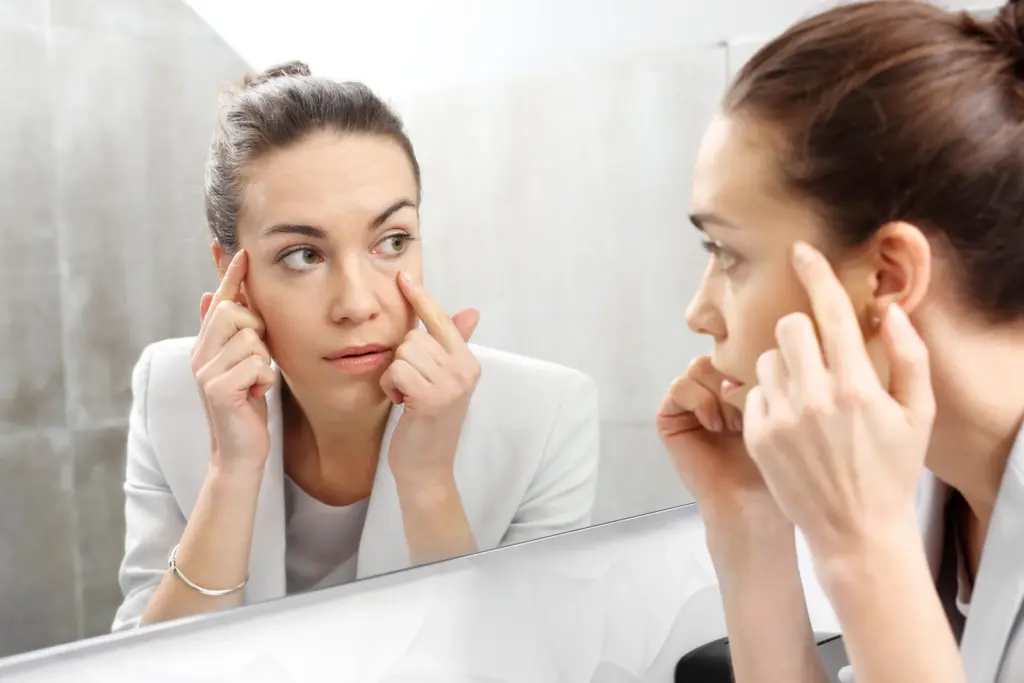
The periorbital region serves as the central focal point of human facial communication. When structural changes occur around the eyes, they can unintentionally project chronic fatigue, exhaustion, or premature aging, even after a full night of restorative sleep. The skin surrounding the eyes is exceptionally delicate, measuring only zero point three to zero point five millimeters in thickness, which is approximately one-third the thickness of facial skin elsewhere. Because this thin tissue rests directly over a dynamic network of vascular channels, retaining ligaments, and active orbicularis oculi muscles, any loss of volume or elasticity becomes immediately conspicuous.
Individuals seeking to refresh their gaze frequently research the primary tired looking eyes causes, search for everyday solutions on how to reduce tired looking eyes, evaluate topical and lifestyle options for a tired looking eyes remedy, explore clinical modalities to find the best treatment for tired looking eyes, assess modern aesthetic interventions like botox for tired looking eyes, and compare overall options for a comprehensive tired looking eyes treatment. This clinical guide breaks down underlying anatomy, surgical and non-surgical procedures, recovery milestones, and pricing variables.
Table of Contents
Primary Anatomical Triggers: Tired Looking Eyes Causes
Understanding why the eyes project exhaustion requires examining several distinct physiological and anatomical factors under tired looking eyes causes:
Get Free Consultation
Have any questions? Leave your details and we'll get back to you shortly.
- Periorbital Volume Depletion and Tear Trough Hollowness: Natural aging and genetic bone structure lead to maxillary bone resorption and the atrophy of deep sub-orbicularis oculi fat (SOOF). When the tissue beneath the lower lid hollows, light reflects unevenly, creating dark optical shadows known as tear troughs.
- Orbital Fat Pad Pseudoherniation: The orbital septum is a thin fibrous membrane that holds intraorbital fat cushions in place. When this membrane weakens over time, the underlying fat pads bulge outward, producing persistent lower eyelid bags.
- Microvascular Stasis and Cutaneous Thinning: When sluggish microcirculation occurs in the dense venous plexus beneath the eyes, deoxygenated blood pools. Viewed through translucent, paper-thin lower lid skin, this pooling produces a distinct blue or purple discoloration.
- Dynamic Muscular Hyperactivity: Frequent smiling, squinting, and blinking cause the circular orbicularis oculi muscle to contract thousands of times a day. Over time, this repetitive folding produces crow’s feet, temporal crinkling, and a downward drag on the lateral brow.
- Post-Inflammatory and Genetic Hyperpigmentation: Chronic allergies, persistent eye rubbing, and high melanin concentrations create true brown or grey pigmentation in the epidermal and dermal layers, compounding shadows.
Everyday Management: Finding a Tired Looking Eyes Remedy
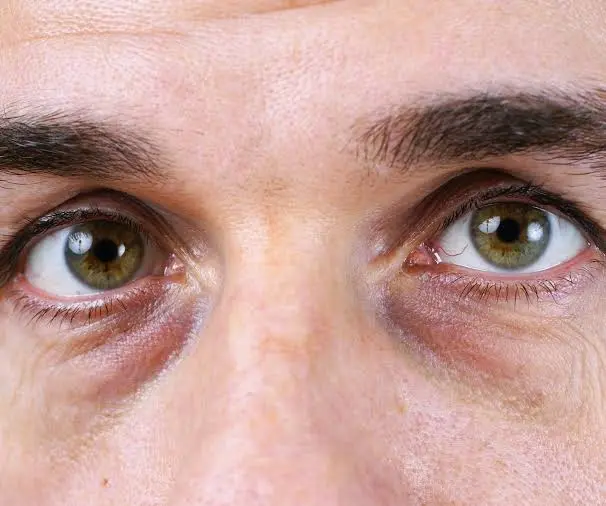
For mild, temporary puffiness or surface dryness, adopting a targeted tired looking eyes remedy can provide immediate comfort and optimize skin barrier health:
- Cold Temperature Vascular Constriction: Applying chilled gel eye masks, clean ice wrapped in sterile gauze, or cool metal spoons for ten minutes constricts dilated superficial capillaries, reducing fluid pooling and morning edema.
- Topical Caffeine and Vitamin K Formulations: Serums formulated with pharmaceutical-grade caffeine stimulate localized lymphatic drainage, while vitamin K strengthens micro-capillary walls to reduce vascular leakage.
- Humectant Hydration Layering: Layering multi-molecular hyaluronic acid alongside barrier-strengthening ceramides plumps fine dehydration creases, preventing the dry, crepey texture that accentuates dullness.
- Sleeping Position and Sodium Management: Sleeping with the head elevated on two pillows prevents fluid from pooling in the delicate lower eyelids overnight. Reducing high-sodium meals close to bedtime minimizes water retention.
Clinical Interventions: Best Treatment for Tired Looking Eyes
When anatomical volume loss, herniated fat, or structural wrinkles are present, at-home remedies are insufficient. Choosing the best treatment for tired looking eyes involves matching clinical modalities to specific anatomical issues:
1. Neurotoxin Therapy: Botox for Tired Looking Eyes
Utilizing botox for tired looking eyes targets dynamic muscular pull:
- Softening Crow’s Feet: Micro-injections into the lateral orbicularis oculi muscle relax dynamic lateral crinkles, smoothing the skin when smiling without freezing facial expression.
- Chemical Brow Lift: Placing tiny aliquots of neurotoxin into the lateral brow depressors allows the forehead muscles to gently lift the outer tail of the eyebrow, opening the eye aperture and clearing heavy hooding.
2. Dermal Fillers and Autologous Nanofat Grafting
For hollow tear troughs and sunken under-eye contours:
- Hyaluronic Acid Micro-Droplets: Soft, low-viscosity, non-hydrophilic hyaluronic acid gel is placed using a blunt-tipped microcannula into the deep pre-periosteal plane beneath the muscle, restoring smooth contours without visible Tyndall effect (bluish tinting).
- Regenerative Nanofat: Harvesting a patient’s own adipose tissue and mechanically emulsifying it isolates stem cells, growth factors, and stromal vascular fractions. Injected superfically, nanofat thickens paper-thin skin and regenerates damaged collagen.
3. Energy-Based Skin Tightening (Fractional Lasers and Microneedling RF)
For crepey skin laxity, fractional carbon dioxide lasers, erbium lasers, and radiofrequency microneedling stimulate neocollagenesis. Controlled micro-thermal injury zones force the dermis to contract, tightening loose lower lid tissue over three to six months.
4. Surgical Lower and Upper Blepharoplasty
The definitive, long-term gold standard for structural eye rejuvenation:
- Transconjunctival Lower Blepharoplasty: Performed through an incision hidden entirely inside the lower eyelid. The surgeon removes or transposes bulging fat pads over the orbital rim to eliminate bags with zero visible external scars.
- Upper Blepharoplasty: Excises redundant, hooded upper lid skin and excess medial fat, clearing the superior visual field and restoring crisp eyelid crease definition.
Recovery Roadmap: What to Expect During Clinical Recovery
Healing timelines vary based on the invasiveness of the chosen tired looking eyes treatment:
- Neurotoxin Injections (Botox): Zero downtime. Mild injection-site redness fades within thirty minutes. Initial muscle relaxation becomes noticeable on day three to four, with full visual smoothing achieved by day ten to fourteen.
- Tear Trough Fillers or Nanofat: Mild swelling and occasional pinpoint bruising at the cannula entry point last three to five days. Cold compresses and arnica gel speed clearance. Results are visible immediately, stabilizing within two weeks.
- Fractional Laser Resurfacing: Treated skin appears red and feels sunburned for three to five days, followed by fine microscopic bronzing and peeling from day four to seven. Strict sun avoidance and intensive barrier balms are mandatory.
- Surgical Blepharoplasty: Bruising and swelling peak around day three. External skin sutures are removed on day five to seven. Most patients return to social and professional environments within ten to fourteen days, while internal tissues mature and soften over three to six months.
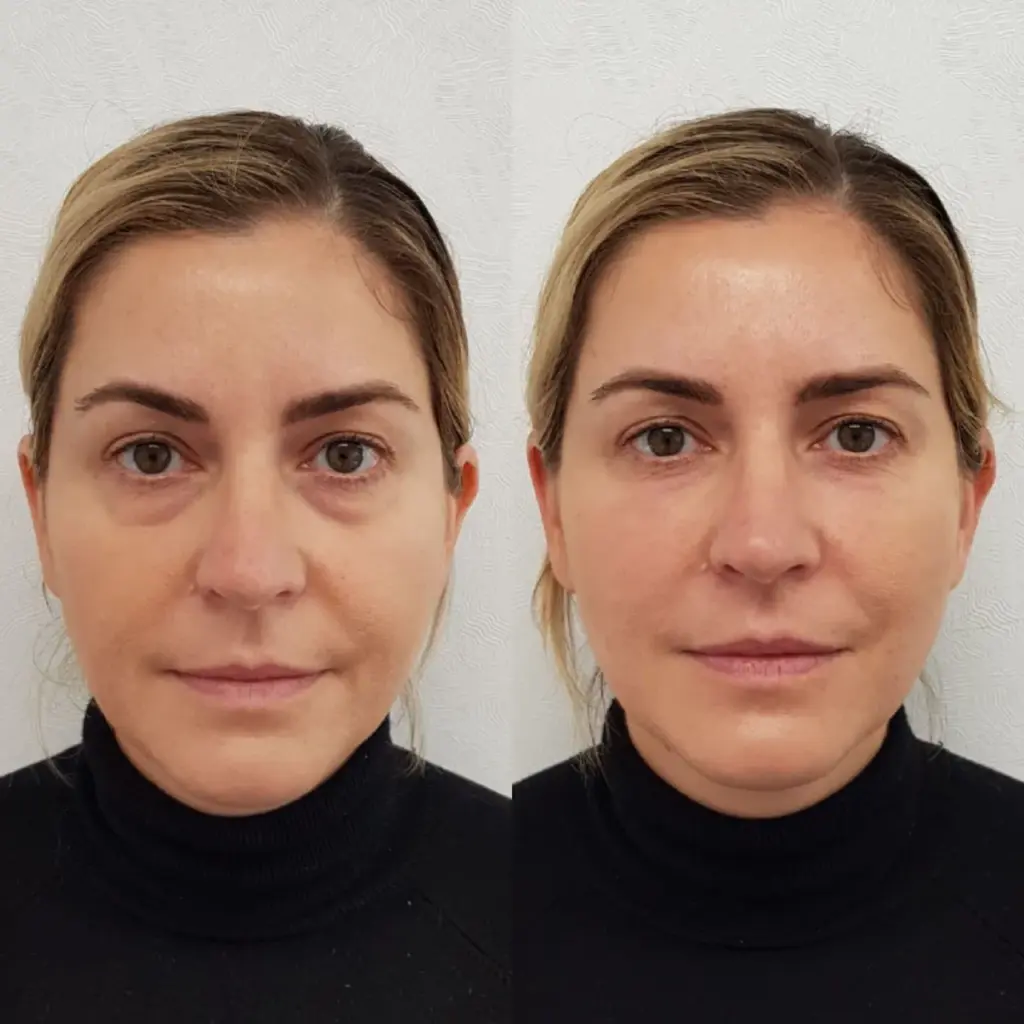
Visual Transformations: Before and After Clinical Improvements
Documented clinical portfolios demonstrate the tangible rejuvenation achieved through comprehensive periorbital restoration:
- Elimination of Dark Shadows: Correcting hollow tear troughs creates a flat, smooth transition from the lower eyelid into the upper cheek, eliminating harsh shadowing under overhead lighting.
- Removal of Prominent Eye Bags: Flattening bulging fat pads restores a smooth, youthful periorbital contour.
- Brightened, Open Eye Aperture: Lifting redundant upper eyelid folds removes the sleepy, hooded appearance, making the eyes appear naturally larger and more alert.
- Refined Skin Texture: Thickening the under-eye dermis minimizes fine crepey crinkles, preventing foundation and concealer from caking in surface lines.
Essential Maintenance and Skin Protection Guidelines
- Wear Broad-Spectrum UV Protection Daily: Use a dedicated mineral sunscreen containing zinc oxide or titanium dioxide around the periorbital rim every morning. UV radiation degrades collagen and triggers melanin production that worsens dark circles.
- Wear Polarized Sunglasses Outdoors: High-quality UV-blocking sunglasses protect delicate skin and prevent chronic squinting that creates deep dynamic wrinkles.
- Avoid Aggressive Friction and Rubbing: Vigorously rubbing itchy eyes stretches the fragile skin, breaks fragile micro-capillaries, and induces post-inflammatory hyperpigmentation.
- Support Nighttime Repair with Gentle Retinoids: Incorporate micro-encapsulated retinol or retinaldehyde specifically formulated for the eye area to stimulate collagen renewal without irritating the ocular surface.
Comparative Matrix: Periorbital Treatment Modalities
| Clinical Parameter | Botox Injections | Tear Trough Fillers | Fractional Laser Resurfacing | Surgical Blepharoplasty |
| Primary Indication | Crow’s feet & brow drop | Hollow tear troughs & dark shadows | Crepey, loose, wrinkled skin | Severe eye bags & hooded skin |
| Invasiveness | Minimally invasive (needle) | Minimally invasive (cannula) | Non-surgical thermal ablation | Outpatient surgical excision |
| Procedural Duration | 10 to 15 Minutes | 20 to 30 Minutes | 20 to 45 Minutes | 45 to 90 Minutes |
| Discomfort Level | Minimal (tiny prick) | Mild (numbing cream used) | Moderate (topical anesthetic) | Mild (under local or sedation) |
| Downtime | Zero downtime | 2 to 4 Days (mild swelling) | 5 to 7 Days (peeling) | 10 to 14 Days (social recovery) |
| Longevity of Results | 3 to 4 Months | 9 to 18 Months | 1 to 2 Years | 10 to 15 Years (Permanent) |
What Determines the Tired Looking Eyes Treatment Cost?
Prospective patients evaluating clinical rejuvenation will find that overall procedural fees vary widely based on personalized anatomical requirements rather than a single fixed rate:
- Selection of Treatment Modality: A routine Botox appointment involving a few units carries a fundamentally different cost structure than an outpatient surgical blepharoplasty requiring operating theater time and an anesthesiologist.
- Product Grade and Material Sourcing: Utilizing premium, FDA-approved hyaluronic acid fillers specifically formulated for under-eye use (such as Teosyal Redensity 2 or Restylane Eyelight) or high-grade neurotoxins involves specific manufacturing and syringe costs.
- Structural Severity and Combined Procedures: Correcting an isolated fine line is less complex than addressing severe structural hollowness that requires fat grafting alongside surgical fat transposition and skin pinch excision.
- Clinician Credentials and Anatomical Specialization: Board-certified oculoplastic surgeons, dermatologists, and facial plastic surgeons command professional fees that reflect their fellowship training, clinical safety record, and precision in the high-risk tear trough zone.
- Geographic Location and Package Offerings: Operational clinic overhead, malpractice structures, and currency dynamics create marked price differences between private practices in the UK or North America and international medical travel hubs like Turkey. All-inclusive aesthetic travel packages in Turkey frequently bundle 3D facial imaging, surgical or injectable treatments, premium post-op skincare kits, luxury hotel accommodations, and private VIP transfers into structured care plans.
Frequently Asked Questions (FAQ)
Can drinking more water completely cure tired looking eyes?
Drinking adequate water helps maintain skin hydration and reduces fluid retention caused by dehydration, which can temporarily improve surface crepeyness. However, water intake cannot replace genetically missing bone structure, repair weakened connective tissue, or remove herniated orbital fat pads. Structural hollowness and true under-eye bags require targeted clinical treatments.
Is Botox safe to use directly under the eyes?
Botox must be used with extreme caution directly beneath the lower eyelid. While small micro-doses can relax a hyperactive roll of muscle beneath the eyelashes, injecting standard doses can weaken the lower eyelid support, leading to lower lid laxity, incomplete blinking, and worsened fluid retention. Neurotoxins are safest and most effective when placed laterally around the crow’s feet and at the outer brow.
How do I know if my dark circles are caused by pigment or shadows?
You can perform a simple manual test in front of a well-lit mirror. Gently press and glide your finger along the lower eyelid skin, pulling it slightly away from the cheek. If the dark color remains dark and moves along with the skin, it is caused by true epidermal melanin pigmentation. If the darkness disappears or lightens significantly as the skin is lifted away from the underlying bone, it is an optical shadow caused by tear trough hollows or bulging fat bags.
At what age should I consider clinical treatment for tired looking eyes?
There is no fixed chronological age for periorbital rejuvenation; candidacy depends entirely on your anatomical presentation. Younger patients in their twenties frequently seek tear trough filler or genetic dark circle treatments due to familial bone structure. Conversely, patients in their forties and fifties more often explore skin resurfacing or blepharoplasty to address tissue laxity and true herniated fat bags.

 |