 Skip to content
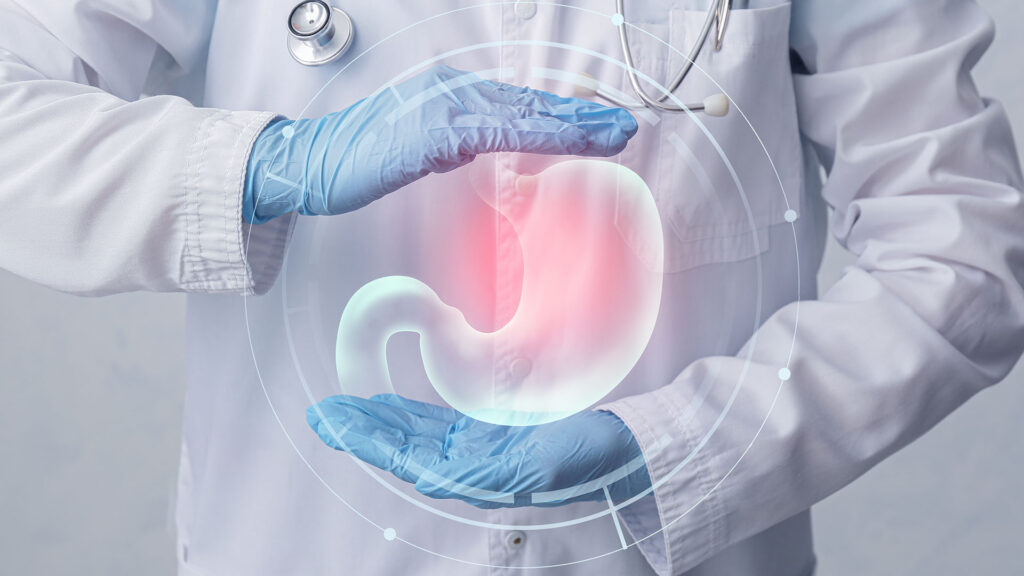
Embarking on a journey toward a healthier version of yourself is a monumental decision, and undergoing bariatric surgery is often the catalyst for this profound transformation. While the procedure itself is a powerful tool for weight management and metabolic health, it marks the beginning of a lifelong commitment to nutritional mindfulness. Post-operative success isn’t just about the numbers on the scale; it’s about ensuring your body has the high-quality “fuel” it needs to thrive in its new configuration. Because the digestive tract is structurally altered, the way you absorb life-sustaining vitamins and minerals changes forever, making supplementation a non-negotiable part of your daily ritual.
At WellDemir, we view this transition not as a restriction, but as an opportunity to master your internal chemistry. Think of your body as a high-performance engine that has recently undergone a sophisticated upgrade. To keep it running smoothly, you need more than just standard maintenance; you need a targeted strategy.
Table of Contents
Why Nutritional Support is Non-Negotiable Following Bariatric Surgery
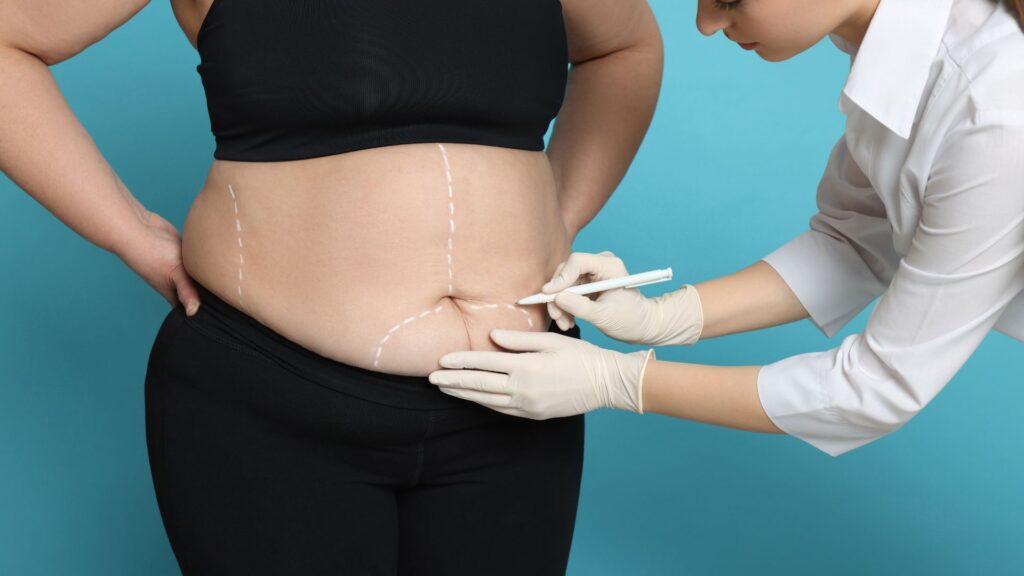
The anatomical changes resulting from bariatric surgery whether it’s a gastric bypass (Roux-en-Y gastric bypass), sleeve gastrectomy, or biliopancreatic diversion significantly impact the stomach’s capacity and the small intestine’s absorption surface. In a natural state, the stomach produces hydrochloric acid and intrinsic factor, both of which are critical for breaking down nutrients like Vitamin B12 and iron. When these elements are reduced, the risk of “malnutrition in the midst of plenty” becomes a real scientific phenomenon. You might be eating nutrient-dense foods, but your body may only be “inviting” a fraction of those nutrients into the bloodstream.
Get Free Consultation
Have any questions? Leave your details and we'll get back to you shortly.
Scientific literature consistently highlights that micronutrient deficiencies can develop subtly over months or even years. For instance, a lack of Vitamin D might not show symptoms immediately, but it silently affects bone turnover rates. By prioritizing a structured supplementation plan, you aren’t just preventing deficiencies; you are actively investing in your longevity. It’s about bridging the gap between what your smaller meals provide and what your biological systems demand to repair tissues, regulate hormones, and maintain a robust immune system.
The Big Three: Multivitamins, Iron, and B12 After Bariatric Surgery
A high-potency multivitamin serves as the foundational “insurance policy” for anyone who has undergone bariatric surgery. However, not all multivitamins are created equal. Standard over-the-counter options often lack the concentrated dosages required for surgical patients. Clinical guidelines usually suggest formulas that are rich in fat-soluble vitamins (A, D, E, and K) and trace elements like zinc and copper, which play a pivotal role in skin health and wound healing. Choosing a bioavailable form such as chewables or liquids in the early stages can make a significant difference in how comfortably your new stomach handles the intake.
Iron and Vitamin B12 are the dynamic duo of energy metabolism. Iron is essential for transporting oxygen throughout your body, while B12 is the master of nerve function and red blood cell production. Following bariatric surgery, the reduction in stomach acid makes it difficult to “unlock” iron from food sources. Similarly, B12 requires a specific protein called intrinsic factor to be absorbed, which is often in short supply post-op. Many patients find success with sublingual (under-the-tongue) B12 or specialized iron salts that are gentler on the digestive lining, helping to avoid the fatigue and “brain fog” often associated with low levels.
| Nutrient | Role in the Body | Recommended Form (Consult Specialist) |
| Vitamin B12 | Nerve health & DNA synthesis | Sublingual or Crystalline |
| Iron | Oxygen transport & Energy | Ferrous Fumarate or Gluconate |
| Vitamin A | Vision & Immune function | Retinyl Palmitate |
| Zinc | Wound healing & Immunity | Zinc Gluconate |
Bone Health and Calcium Absorption Strategies After Bariatric Surgery
Protecting your skeletal structure is a long-term game that begins the moment you leave the hospital. After bariatric surgery, the body’s ability to absorb calcium is often compromised, particularly in procedures that bypass the duodenum, where most calcium absorption naturally occurs. If the body doesn’t get enough calcium from your diet or supplements, it “borrows” it from your bones to maintain stable blood levels. Over time, this can lead to decreased bone mineral density. Therefore, consistent calcium intake is vital for maintaining a sturdy frame as you shed weight.
The type of calcium you choose is just as important as the amount. Calcium Citrate is widely regarded as the gold standard for bariatric surgery patients because it does not require stomach acid for absorption, unlike Calcium Carbonate. It is also beneficial to space out your calcium doses throughout the day, as the body can only absorb a certain amount at once (usually around 500-600mg). Pairing your calcium with Vitamin D3 is the ultimate “power move,” as D3 acts as the key that opens the door for calcium to enter the bones, ensuring your skeletal system remains as strong as your resolve.
The Role of Protein Supplements in Muscle Preservation
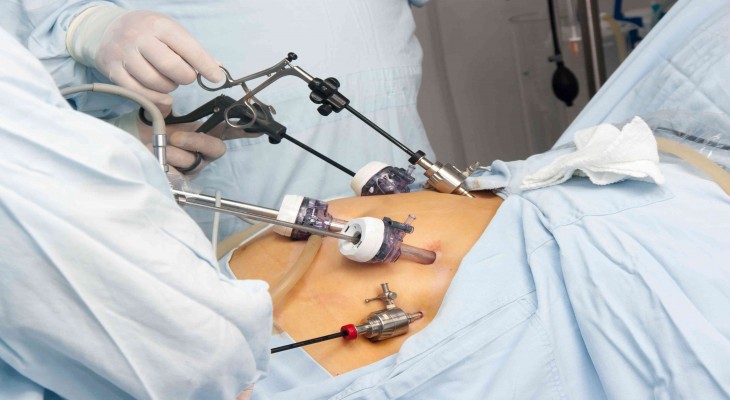
While we often focus on microscopic vitamins, the macronutrient “king” of recovery is protein. Rapid weight loss following bariatric surgery is the goal, but we want that weight to come from adipose tissue (fat), not precious muscle mass. Muscle is metabolically active; the more you keep, the higher your resting metabolic rate stays. Since the physical capacity for food is limited, reaching the daily protein goal (often between 60g and 90g) through solid food alone can be a Herculean task in the first year. This is where high-quality protein isolates become essential allies.
Whey protein isolate or high-quality plant-based alternatives provide a concentrated source of essential amino acids without the bulk of a heavy meal. These supplements are designed to be easily digestible, preventing the “heavy” feeling that can sometimes occur with dense meats. Integrating protein shakes or powders into your routine helps facilitate tissue repair and keeps your hair, skin, and nails looking healthy areas that can sometimes show signs of stress during rapid weight loss. At WellDemir, we observe that patients who stay diligent with their protein intake often report higher satiety levels and more consistent energy throughout the day
Managing Hair and Skin Vitality Post Bariatric Surgery
It is a common topic in support groups: the “telogen effluvium” or temporary hair thinning that can occur a few months after bariatric surgery. While this is often a natural response to the rapid metabolic shift and the stress of surgery, nutritional deficiencies can certainly exacerbate it. Biotin, a B-vitamin, and Zinc are frequently cited as the “beauty nutrients” that support the keratin infrastructure of your hair and nails. Ensuring these are at optimal levels can help manage the transition period and encourage faster regrowth of lush, healthy hair.
In addition to Biotin, Silica and specialized Collagen peptides are gaining traction in the wellness community for their roles in skin elasticity. As your body composition changes, providing your skin with the building blocks it needs to adapt is a thoughtful way to support your aesthetic goals. However, it’s important to remember that these “extra” supplements should never replace the core vitamins. Think of them as the decorative finish on a house that already has a solid, supplement-reinforced foundation.
Hydration and Electrolyte Balance: The Unsung Heroes
In the excitement of tracking vitamins, the simplest molecule of all water sometimes gets overlooked. However, maintaining hydration after bariatric surgery is a unique challenge. You can no longer “gulp” water; you must sip it consistently throughout the day. Dehydration can lead to fatigue, dizziness, and a sluggish metabolism. Sometimes, pure water can feel “heavy” on the stomach, leading some to explore electrolyte-enhanced waters or sugar-free additives that provide potassium and magnesium, which are essential for muscle contraction and heart rhythm.
Electrolytes are particularly important if you are incorporating more physical activity into your new lifestyle. Magnesium, in particular, is a “multitasking” mineral that supports over 300 enzymatic reactions in the body, including those that regulate blood glucose and blood pressure. It also has a natural calming effect on the nervous system, which can be helpful for improving sleep quality. By staying hydrated and balanced, you ensure that the supplements you are taking are effectively transported through your system, maximizing the “return on investment” for your health.
Crafting a Sustainable Supplement Routine for Life
The most effective supplement is the one you actually take. Success after bariatric surgery isn’t about a perfect one-week sprint; it’s about a sustainable, lifelong marathon. Many find that organizing their supplements in a daily pill dispenser or using a dedicated mobile app for reminders turns a chore into a seamless habit. It is also helpful to experiment with different forms if a large pill is difficult to swallow, look for a high-quality “melt-away” tablet or a liquid version. Your comfort is a key factor in your long-term compliance.
Regular blood work is your GPS on this journey. Since every body reacts differently to bariatric surgery, what works for one person might need adjustment for another. Periodic lab tests allow you and your health team to fine-tune your dosages, catching potential dips in nutrient levels before they become symptomatic. This data-driven approach takes the guesswork out of supplementation, allowing you to move forward with confidence. You’ve done the hard work of changing your life; let these nutritional tools protect and enhance that investment for decades to come.
Understanding Your Journey: Common Inquiries
- Can I just take a regular gummy vitamin?
While gummies are tasty, they often lack the comprehensive mineral profile (like iron and calcium) required for surgical patients. Furthermore, they may contain sugars that could lead to “dumping syndrome” in some individuals. - When is the best time to take my supplements?
Consistency is key, but timing matters. For instance, calcium and iron should generally be taken at least two hours apart, as they compete for the same absorption pathways. - Will I have to take these forever?
In most cases, yes. Because the anatomical changes to your digestive system are permanent, the need for enhanced nutritional support remains a lifelong requirement to ensure optimal health.

 |
|
Thank you for this comprehensive guide. The section about long-term results and lifestyle changes was especially helpful.
We’re delighted you found this helpful! Don’t hesitate to contact us if you have further questions. Our team is always happy to help.
Very informative article! I’ve been considering bariatric surgery in Turkey and this helped me understand the process much better.