Skip to content
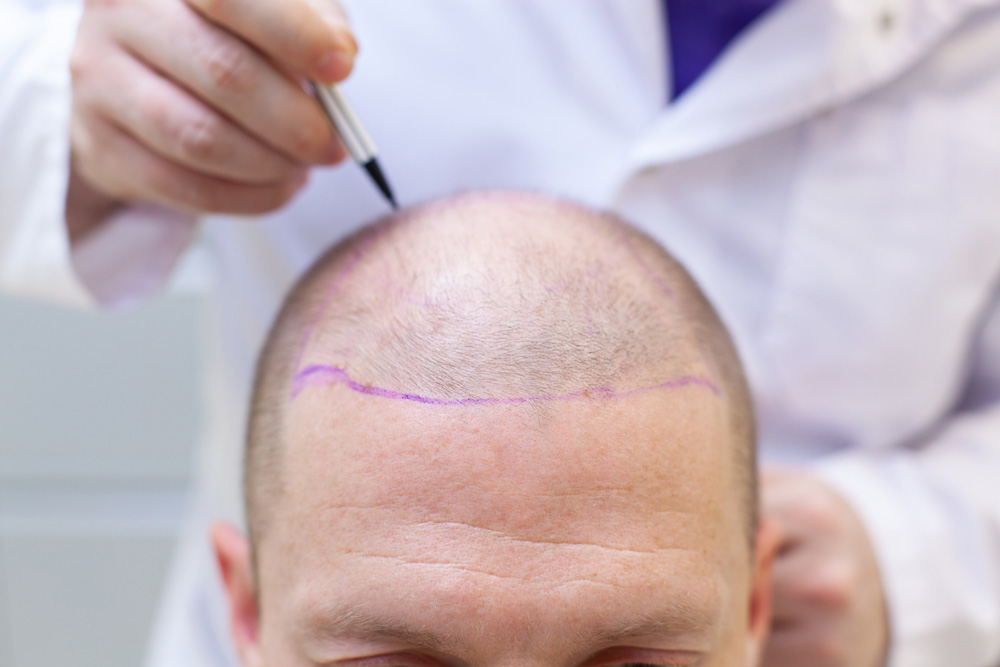
Choosing the right Hair Transplant technique can feel overwhelming when you first explore modern hair restoration. Two methods often dominate the conversation: FUE and DHI. Both are advanced, minimally invasive, and widely preferred by clinics around the world. Yet patients frequently ask the same question: which Hair Transplant approach delivers more natural looking results and long term satisfaction?
Table of Contents
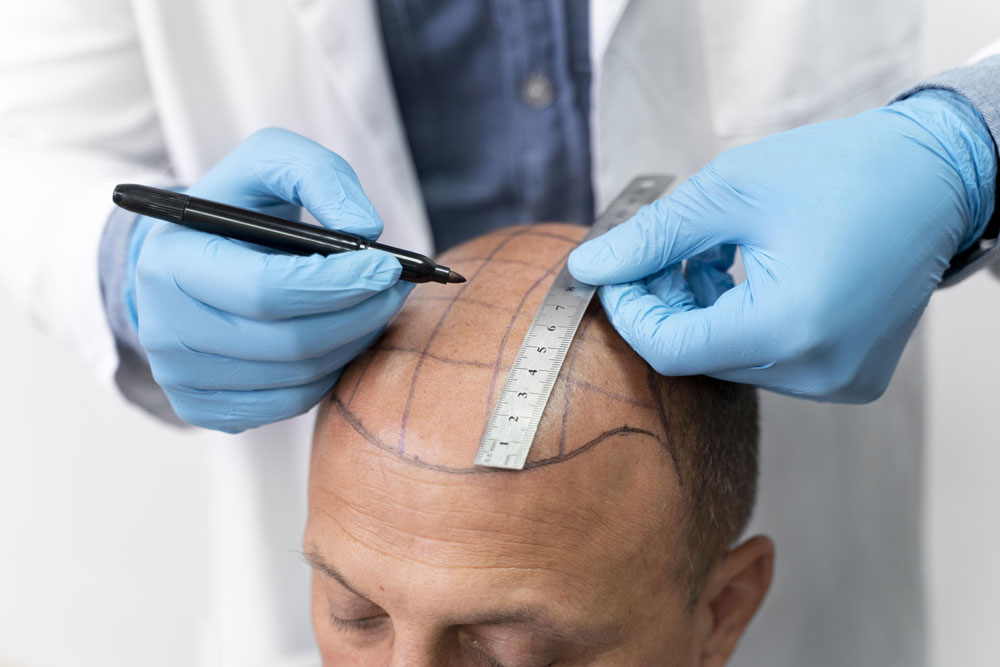
What Is a Hair Transplant and Why Technique Matters
A Hair Transplant is a surgical hair restoration procedure that relocates healthy follicles from a donor area (occipital donor zone), usually the back of the scalp (dermal layer of the cranial skin), to thinning or bald regions. Because these follicles are genetically resistant to hair loss (androgenetic alopecia), they continue growing after relocation. This simple biological principle is what makes the Hair Transplant procedure reliable across decades of research.
However, the method used to extract and implant grafts significantly affects density, healing time, and final aesthetics. The angle of placement, survival rate of grafts, and scalp (dermal layer of the cranial skin) trauma all influence how natural the result looks. That is why technique selection is just as important as the decision to have a Hair Transplant itself.
Get Free Consultation
Have any questions? Leave your details and we'll get back to you shortly.
Modern methods like FUE and DHI aim to minimize tissue damage while maximizing follicle survival. Even small technical differences can change outcomes, which explains the ongoing debate between specialists.
FUE Hair Transplant Technique Explained
The FUE or Follicular Unit Extraction Hair Transplant method is currently one of the most established procedures worldwide. In this technique, individual follicular units are extracted using micro punches and then implanted into tiny channels opened in the recipient area.
This separation of extraction and implantation gives surgeons flexibility. They can design hairlines carefully and distribute grafts strategically. Because incisions are extremely small, visible scarring is minimal, making FUE a preferred Hair Transplant option for people who wear short hairstyles.
Another advantage is scalability. Large sessions with thousands of grafts are possible. For patients with extensive hair loss (androgenetic alopecia), FUE based Hair Transplant planning can cover wider areas in fewer sessions. Healing is typically fast, and most redness subsides within days to weeks depending on skin type.
DHI Hair Transplant Method and Direct Implantation Logic
DHI or Direct Hair Implantation is considered an evolution of the classic Hair Transplant approach. Instead of opening channels first, surgeons use a special implanter pen to extract and place follicles directly into the scalp (dermal layer of the cranial skin) in one step.
This simultaneous placement reduces the time grafts spend outside the body. Theoretically, shorter exposure may improve survival rates. Because of this precision, many clinics market DHI as a highly controlled Hair Transplant solution for creating dense and natural hairlines.
Another key benefit is angle accuracy. The pen allows fine adjustments in depth and direction. For areas like temples or frontal hairlines where detail matters, DHI based Hair Transplant sessions can provide subtle transitions that mimic natural growth patterns. The trade off is that procedures may take longer and cover slightly smaller areas per session compared to FUE.
Scientific Comparison of FUE vs DHI Hair Transplant Outcomes
When comparing both Hair Transplant techniques, it helps to look at measurable factors rather than marketing language. Research and clinical observations generally focus on graft survival, density, recovery time, and patient comfort.
Below is a simplified comparison:
| Factor | FUE | DHI |
| Extraction method | Micro punch | Micro punch |
| Channel opening | Separate step | Direct placement |
| Session size | Large areas possible | Medium areas typical |
| Precision | High | Very high |
| Procedure time | Moderate | Longer |
| Cost | Usually moderate | Often higher |
Most studies suggest both methods produce comparable long term growth when performed correctly. This means the success of a Hair Transplant often depends more on surgical expertise than on the device itself. Technique is a tool, but skill determines how that tool is used.
From a practical perspective, both methods can achieve natural density if graft handling is meticulous and planning is individualized.
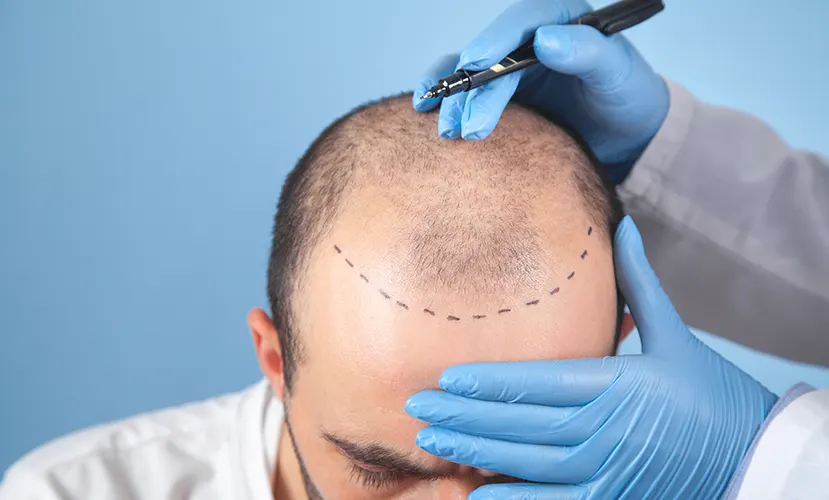
Who Is a Better Candidate for Each Hair Transplant Approach
Not every Hair Transplant candidate has the same goals or scalp (dermal layer of the cranial skin) characteristics. That is why personalization matters more than labels like better or worse.
FUE is often preferred for:
- Large bald areas
- Patients needing many grafts
- Faster procedures
- Budget conscious planning
DHI may be suitable for:
- Hairline refinement
- Smaller targeted areas
- High density packing
- People who prefer maximum precision
Someone seeking full crown coverage might benefit from a traditional FUE based Hair Transplant, while a person refining a frontal zone may appreciate the control of DHI. Many advanced clinics even combine both strategies within the same Hair Transplant plan.
This hybrid thinking reflects modern medicine, where customization beats one size fits all solutions.
Natural Appearance Factors in a Hair Transplant
Natural results depend on more than the name of the Hair Transplant method. Several biological and artistic elements play critical roles.
First is hairline design. A realistic hairline follows age appropriate patterns rather than straight lines. Second is graft distribution. Dense packing in the front with gradual thinning toward the back mirrors natural anatomy. Third is angle and direction. Even a perfect Hair Transplant can look artificial if hairs grow at the wrong angle.
Surgeon experience, magnification tools, and careful graft handling all influence these factors. That is why the clinic’s philosophy and expertise often matter more than choosing between FUE or DHI alone.
In many ways, Hair Transplant surgery blends science with artistry. Precision meets aesthetics.
Recovery, Comfort, and Long Term Expectations After Hair Transplant
Recovery after a Hair Transplant is typically straightforward. Mild swelling or redness may appear during the first days. Small scabs form around grafts and fall off naturally within one to two weeks.
Both FUE and DHI are minimally invasive compared to older strip techniques. Most people return to daily routines quickly. Shedding of transplanted hairs during the first months is normal and part of the cycle. Visible growth often begins around month three or four, with continued improvement over the year.
Long term expectations should remain realistic. A Hair Transplant redistributes existing follicles but does not stop natural aging or future thinning. Many individuals combine treatment with lifestyle changes or medical therapies to support overall scalp (dermal layer of the cranial skin) health. Understanding these dynamics helps prevent disappointment and supports satisfaction.
Choosing the Right Clinic for Your Hair Transplant Journey
Technology alone does not guarantee success. The environment where your Hair Transplant is performed is equally important. A trustworthy clinic should emphasize transparent communication, individualized planning, and documented results.
At WellDemir, the focus is on careful analysis of donor capacity, scalp (dermal layer of the cranial skin) condition, and aesthetic goals. Rather than promising dramatic claims, the team prioritizes balanced and sustainable Hair Transplant outcomes. This approach aligns with modern medical ethics and long term patient satisfaction.
When selecting a provider, consider:
- Medical team experience
- Before and after documentation
- Sterile conditions
- Personalized consultation
- Clear explanation of methods
These factors often matter more than whether FUE or DHI is chosen.
Which Hair Transplant Technique Is Better?
So, which Hair Transplant technique is better for natural results? The honest answer is that both FUE and DHI can be excellent when applied correctly. Each offers unique advantages. The difference usually lies in planning, execution, and the artistic skill of the surgeon rather than the device itself.
If large coverage is required, FUE may be practical. If detailed hairline work is the priority, DHI may provide additional precision. In many cases, a combined Hair Transplant strategy creates the most balanced result.
By understanding the science behind each method and choosing an experienced clinic like WellDemir, patients can approach the process with confidence and realistic expectations. Hair restoration is not just about adding grafts. It is about recreating harmony, proportion, and natural growth patterns.

 |
|