Skip to content
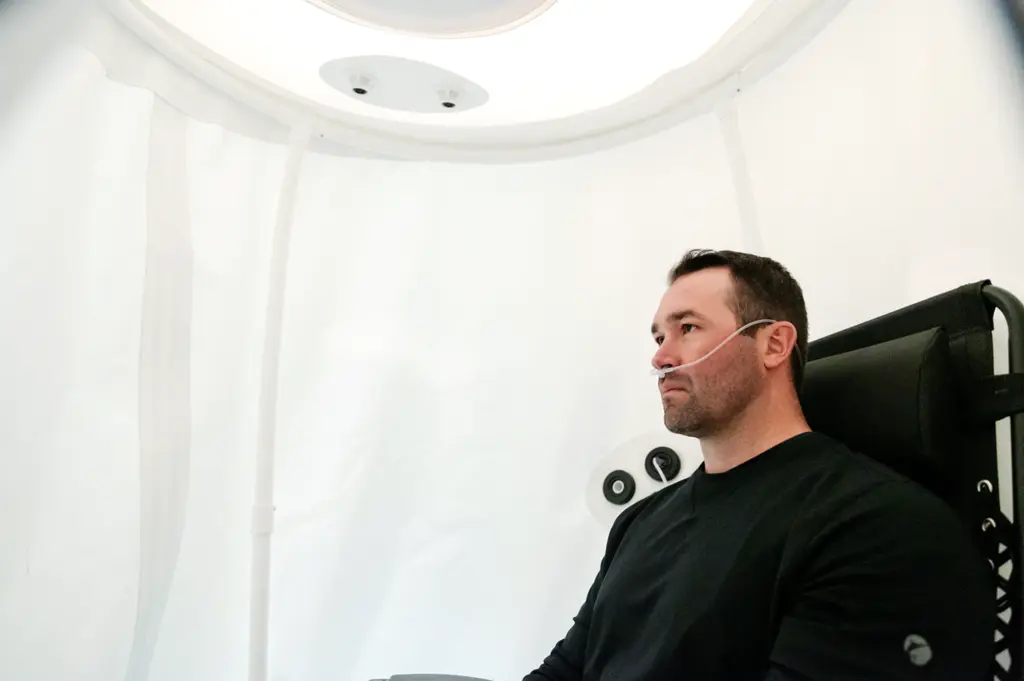
Undergoing a follicular unit extraction (FUE) or direct hair implantation (DHI) procedure is a significant step toward reversing hair loss. However, the ultimate success of any hair restoration surgery relies on a critical biological factor: the survival rate of the newly relocated hair follicles. During the first 72 hours, these fragile grafts are cut off from their original blood supply and must survive purely on surrounding tissue fluid.
To maximize graft survival and speed up scalp healing, premium clinics utilize advanced supportive treatments. Among the most successful methods is applying hyperbaric oxygen after hair transplant surgery.
This clinical guide explores how hyperbaric oxygen therapy (HBOT) changes cellular recovery, reviews timeline safety protocols, and explains how this medical gas treatment prevents common post-operative complications.
Get Free Consultation
Have any questions? Leave your details and we'll get back to you shortly.
Table of Contents
What Is Hyperbaric Oxygen Therapy and How Does It Work?
To understand why is hyperbaric oxygen therapy good for hair growth and tissue healing, we must analyze how our bodies transport oxygen. Under normal atmospheric conditions, we breathe roughly 21% oxygen, which is carried through our cardiovascular system almost entirely by red blood cells (hemoglobin).
During a session inside a hyperbaric chamber after hair transplant surgery, the patient breathes 100% pure medical-grade oxygen while the atmospheric pressure inside the chamber is increased to 1.5 to 2.5 times normal sea-level pressure.
This high-pressure environment forces pure oxygen to dissolve directly into your blood plasma, cerebrospinal fluid, and lymph liquids. This process bypasses the limitations of red blood cells, delivering high concentrations of oxygen directly to damaged tissues and starved hair follicles, even in areas with disrupted blood circulation.
Does a Hyperbaric Chamber Help Hair Transplant Recovery?
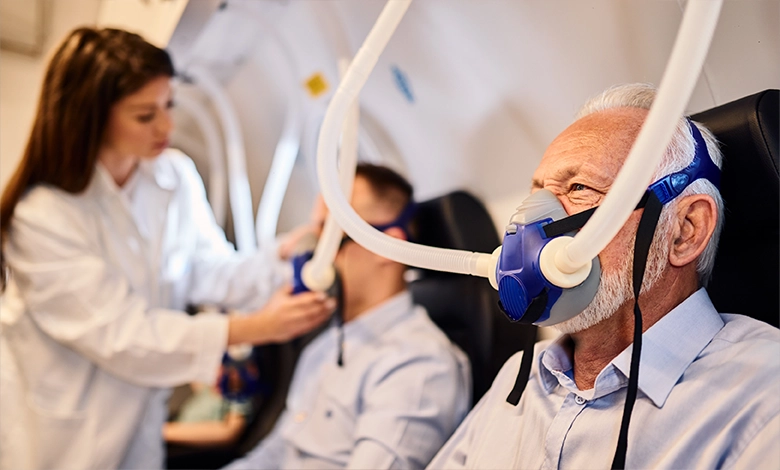
When patients ask, “Does hyperbaric chamber help hair transplant outcomes?”, surgeons analyze the immediate biological challenges faced by newly implanted hair grafts. When a follicle is extracted and placed into a new recipient site, it enters a temporary state of hypoxia (severe oxygen deprivation).
Utilizing hyperbaric oxygen therapy hair transplant protocols targets these healing barriers through several distinct physiological pathways:
- Accelerated Neoangiogenesis: High-pressure oxygen therapy stimulates the expression of Vascular Endothelial Growth Factor (VEGF). This biological signaling triggers the growth of a new microscopic network of capillaries around the transplanted hair bulbs, re-establishing a permanent blood supply much faster than normal.
- Rapid Reduction of Post-Transplant Edema: Swelling of the forehead and scalp is a common side effect of fluid injections used during surgery. HBOT induces a natural, systemic vasoconstriction that clears out built-up fluids, facilitating a significant reduction of post-transplant edema without restricting oxygen delivery to the healing tissue.
- Enhanced Anti-Microbial Defense: Flooding the scalp tissues with pure oxygen strengthens white blood cells, allowing them to kill harmful bacteria much more effectively, which lowers the risk of post-op folliculitis or skin infections.
How Does High-Pressure Oxygen Prevent Folliculitis and Scalp Infections?
One of the most frustrating post-operative complications that can compromise a high post-op graft survival rate is the development of bacterial folliculitis an inflammation of the hair follicles caused by pathogens entering the micro-incisions. When the scalp is wrapped in bandages during the early days of recovery, it creates a warm, low-oxygen microenvironment that allows anaerobic bacteria to thrive.
Introducing hyperbaric oxygen after hair transplant protocols completely alters this environment. Because anaerobic bacteria cannot survive in highly oxygenated tissues, flooding the scalp with pure plasma-dissolved oxygen acts as a powerful natural antibiotic.
Furthermore, the treatment boosts the oxidative killing capacity of your body’s neutrophils (white blood cells). This enhanced immune response clears out cellular debris and neutralizes surface bacteria before they can form deep micro-abscesses around the newly anchored hair bulbs.
Can Hyperbaric Oxygen Therapy Minimize the Severity of Post-Op Shock Loss?
A major source of anxiety for patients during the third and fourth weeks of recovery is temporary shedding, clinically known as shock loss. This occurs when the trauma of micro-incisions and local anesthesia causes both native and transplanted follicles to prematurely enter the telogen (resting) phase of their growth cycle.
While shock loss is a normal physiological reaction, extensive cellular stress can sometimes push fragile native hairs into a prolonged or permanent state of dormancy. Utilizing a hyperbaric chamber after hair transplant surgery minimizes this risk by providing immediate metabolic support to the surrounding tissue.
By keeping intracellular ATP production high during the critical early days, HBOT builds a strong buffer against cellular shock. This ensures that even though some hair shafts will still shed naturally, the underlying follicle bulb remains structurally protected, enabling a much faster and denser transition back into the active anagen growth phase.
How Soon After Hair Transplant Surgery Can I Do HBOT?
Determining the exact chronological window for treatment is vital for safeguarding your healing incisions. If you are wondering how soon after surgery can i do HBOT, the standard medical protocol recommends starting sessions within the first 24 to 48 hours following your hair restoration procedure.
POST-OP HBOT TIMELINE:
- Hour 24-48: First session; prevents initial graft hypoxia and reduces acute swelling.
- Day 3-5: Daily consecutive sessions; drives cellular replication and early capillary growth.
- Day 7: Final assessment; scalp crusts soften, and baseline skin healing is completed.
Starting treatment early yields the best results because the first three days are when the grafts are most vulnerable to dying from lack of oxygen. A typical post-operative protocol consists of 60 to 90-minute sessions conducted daily for 3 to 5 consecutive days.
Is Hyperbaric Oxygen Therapy Good for Long-Term Hair Growth?
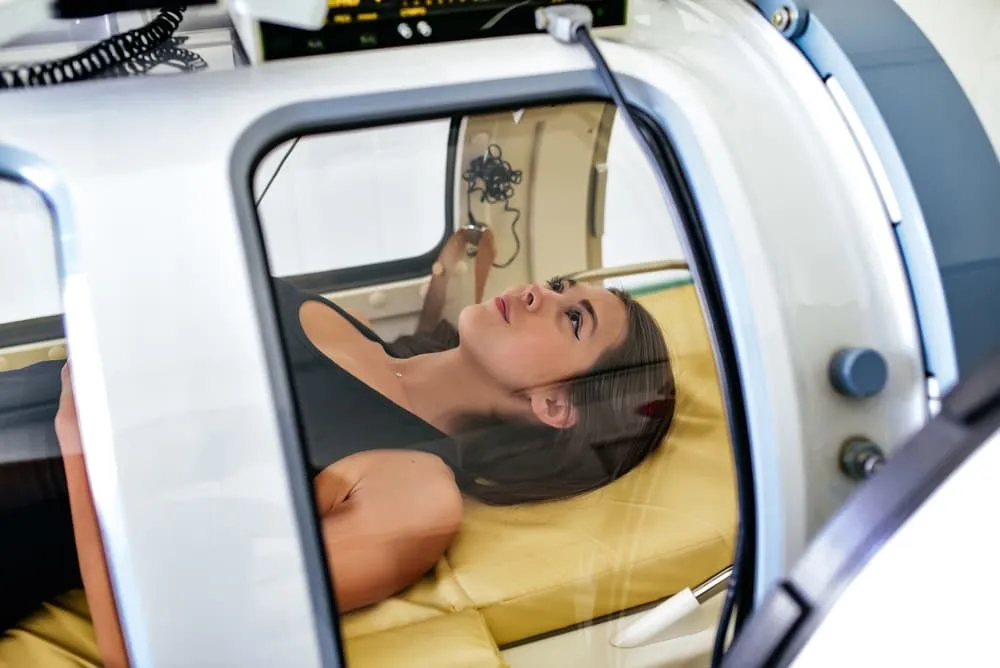
Beyond the immediate post-operative recovery phase, using hyperbaric oxygen therapy for hair growth supports long-term follicular health. By delivering oxygen directly to the root bulb, HBOT shortens the telogen (resting) phase of shocked hair follicles, allowing the newly transplanted hair strands to enter the anagen (active growth) phase much quicker and reducing the severity of temporary post-op shedding.
Patients looking into this treatment often ask: How long do the effects of hyperbaric oxygen therapy last?
The systemic hyper-oxygenation of your blood plasma peaks during the actual chamber session and returns to normal baseline levels a few hours after leaving the device. However, the biological changes triggered by the treatment such as the creation of new capillary networks, reduced tissue inflammation, and a maximized post-op graft survival rate are entirely permanent structural improvements.
Comprehensive Overview: Standard Recovery vs. HBOT Recovery
| Recovery Indicator | Standard Healing Pathway | Hyperbaric Oxygen Pathway (HBOT) |
| Graft Stabilization Window | 7 to 10 Days | 4 to 5 Days (Due to faster tissue integration) |
| Scalp Swelling & Edema | Persists for 5 to 7 days down face | Subsides significantly within 48 to 72 hours |
| Capillary Reconnection | Takes 3 to 4 days to begin | Initiates within 24 hours via accelerated VEGF |
| Scab & Crust Resolution | 10 to 14 days for complete shedding | 7 to 10 days due to optimized cell turnover |
| Infection & Folliculitis Risk | Moderate; relies entirely on topical care | Extremely low; high oxygen kills anaerobic bacteria |
| Risk of Follicle Hypoxia | Moderate risk in low-vascularity zones | Extremely low; plasma oxygenates cellular spaces |
Frequently Asked Questions (FAQ)
What is the main benefit of using hyperbaric oxygen after hair transplant surgery?
The main benefit is the immediate prevention of graft hypoxia. By dissolving pure oxygen directly into the blood plasma, it keeps the newly implanted hair follicles alive and healthy before their natural blood supply has time to reconnect.
Can a hyperbaric chamber session dislodge new hair grafts?
No, a session inside a hyperbaric chamber will not dislodge or damage your new grafts. The chamber alters surrounding atmospheric air pressure smoothly and gradually, which has no mechanical impact on the surface incisions or the placement of the hair bulbs.
How many sessions of HBOT are needed after hair restoration surgery?
Most clinical protocols recommend a short series of 3 to 5 consecutive daily sessions during the first post-operative week, with each individual session inside the chamber lasting between 60 and 90 minutes.
Does hyperbaric oxygen therapy prevent hair transplant shock loss?
While it cannot completely eliminate temporary shedding, it significantly reduces its severity. By optimizing cellular health and improving blood circulation across the scalp, it keeps more follicles from entering a prolonged resting state.

 |
|