Skip to content
Living with a high degree of myopia (near-sightedness) or astigmatism involves navigating daily visual limitations. Relying entirely on thick prescription eyeglasses or enduring the discomfort of dry contact lenses can heavily restrict your lifestyle, athletic pursuits, and professional performance. Over the past few decades, traditional excimer laser ablation stood as the benchmark for permanent refractive correction. However, modern ophthalmic science has evolved far beyond making large cuts in the eye surface.
SMILE eye surgery (Small Incision Lenticule Extraction) represents the absolute cutting edge of refractive laser technology. It is a flapless, minimally invasive micro-surgical milestone engineered to permanently reshape your vision with maximum structural safety and exceptionally fast healing timelines. This comprehensive clinical guide details the technological steps of the procedure, compares it to alternative laser methods, analyzes international pricing structures, outlines potential downsides, and answers your most critical recovery questions.
Table of Contents
What Is SMILE Eye Surgery?
To fully appreciate the clinical engineering behind this modern optical milestone, we must first address a core question: what is smile eye surgery exactly? Clinically known as relex smile eye surgery (Refractive Lenticule Extraction), this method is a minimally invasive, non-ablative visual correction procedure that utilizes a single, highly sophisticated femtosecond laser.
Get Free Consultation
Have any questions? Leave your details and we'll get back to you shortly.
Unlike traditional laser methods that use a mechanical blade or an excimer laser to reshape the outer layer of your cornea, the SMILE technique keeps the surface structure of the eye completely intact. The specialized computer-guided laser places microscopic energy pulses inside the middle layer of the cornea (the stroma), creating a thin, 3D disc of tissue called a lenticule. The surgeon then extracts this tiny lenticule through a microscopic tunnel incision, which naturally flattens the cornea and permanently corrects your refractive error.
What Is the Step-by-Step SMILE Eye Surgery Procedure?
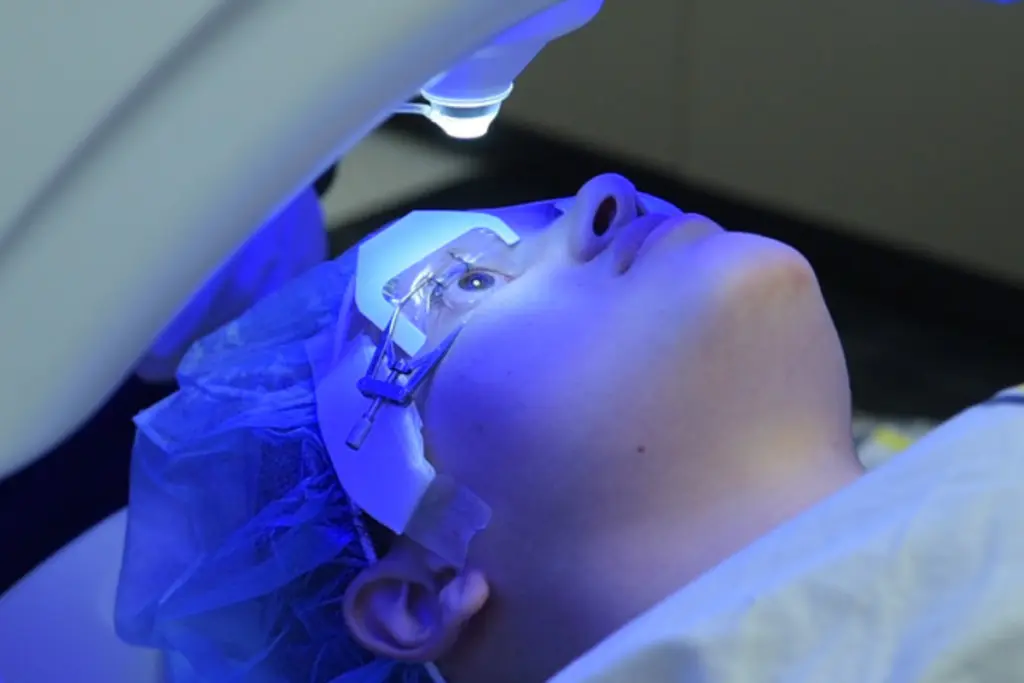
The technical execution of a smile eye surgery procedure is an incredibly efficient, outpatient optical intervention that is completed directly inside a specialized laser treatment suite:
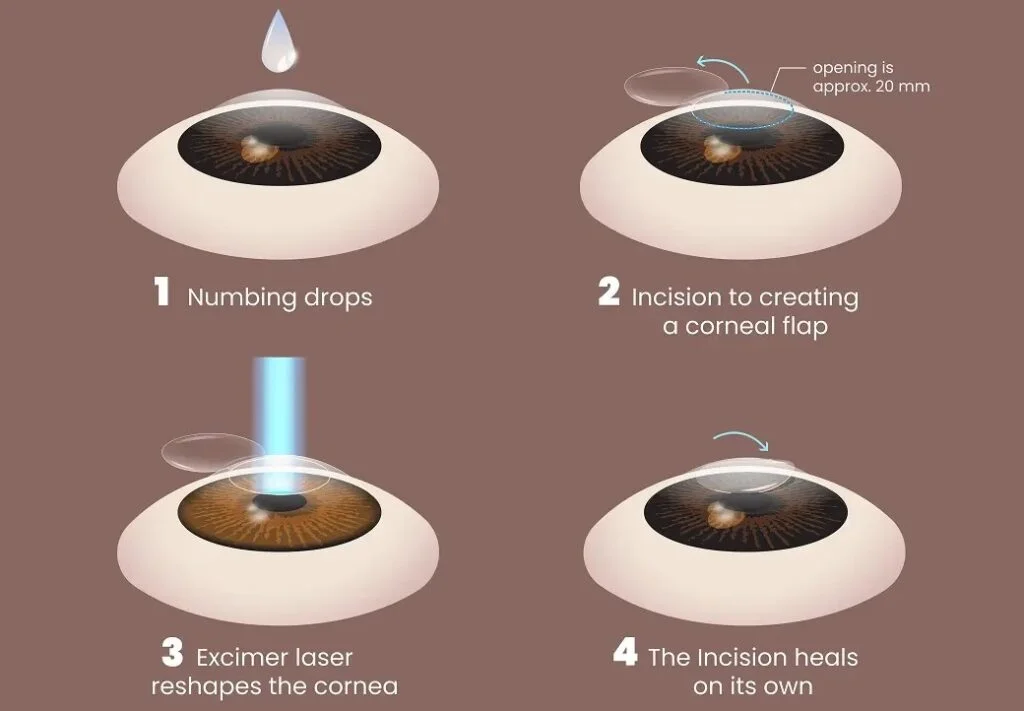
- Step 1: Topical Preparation: The ophthalmic team administers specialized numbing drops directly onto the cornea, completely eliminating any physical discomfort or blinking reflexes without needing needles.
- Step 2: Laser Docking: The patient lies comfortably under the advanced laser system. A gentle vacuum ring holds the eye perfectly still, and the femtosecond laser automatically creates the microscopic lenticule and a tiny tunnel incision measuring less than 2.0 mm.
- Step 3: Lenticule Extraction: The surgeon uses a specialized micro-forceps tool to gently glide through the tiny tunnel, loosening and removing the pre-carved disc of corneal tissue.
- Step 4: Structural Self-Sealing: Because the access tunnel is so small, no physical stitches or medical contact lenses are required. The microscopic entry point closes and seals naturally within a matter of hours.
How Long Does the Active Procedure Take?
The speed of this technology is truly remarkable. The laser portion takes only 24 to 28 seconds to scan the eye tissue, and the entire surgical process is completed in just 10 to 15 minutes for both eyes.
SMILE Eye Surgery Astigmatism: What Are the Treatment Limits?
Many patients mistakenly believe that laser procedures can only fix simple near-sightedness. However, smile eye surgery astigmatism corrections are exceptionally precise. Modern femtosecond laser configurations can safely treat up to -10.0 diopters of myopia combined with up to -5.0 diopters of astigmatism, provided your baseline corneal thickness profile meets the required medical parameters.
What Is the SMILE Eye Surgery Age Limit?
To maintain the long-term accuracy of the results, the absolute minimum smile eye surgery age limit is 18 years old. Ophthalmic guidelines require that a patient’s prescription must remain completely stable, without changing by more than 0.5 diopters, for at least 12 consecutive months before surgery. There is no strict upper age limit, though patients over 45 are typically evaluated for age-related reading vision loss (presbyopia) or early cataracts.
Comparative Analysis: Which Is Better, SMILE vs LASIK?
When evaluating refractive choices, patients frequently ask: Which is better, SMILE vs LASIK? Comparing these two advanced approaches highlights several major clinical differences:
1. Flap Creation vs Flapless Technique
A traditional LASIK procedure requires cutting a large, 20mm circular flap (a hinged lid) on the surface of the cornea to expose the underlying stroma. In contrast, SMILE is 100% flapless, utilizing an entry tunnel that is 80% smaller than a LASIK incision. This design preserves the structural integrity of the upper corneal tissue layers much better.
2. Post-Operative Chronic Dry Eye Risks
Because a LASIK incision cuts across a large surface area, it severs many of the corneal nerves responsible for triggering tear production, frequently causing temporary or chronic dry eyes. Because the SMILE procedure uses a tiny micro-incision, it leaves the surface corneal nerves largely undisturbed, drastically reducing the risk of post-op dry eye symptoms.
3. Structural Stability and Flap Displacement
Because there is no permanent flap left on the eye after a SMILE procedure, there is zero risk of flap displacement. This makes SMILE the ideal alternative for athletes, military personnel, and individuals engaged in contact sports or professions where an accidental impact to the face could dislodge a healing LASIK flap.
Ophthalmic Innovations: Clear vs SMILE Eye Surgery
When reviewing the latest vision correction options, you may encounter a technique called CLEAR (Corneal Lenticule Extraction for Advanced Refraction). When evaluating clear vs smile eye surgery, both procedures use the same basic flapless lenticule extraction concept.
The primary difference lies in the specific laser brand used; SMILE uses the proprietary VisuMax system by Zeiss, while CLEAR uses the Ziemer FEMTO LDV system. Both offer identical safety profiles and excellent visual outcomes.
Is SMILE Eye Surgery Safe?
When researching laser options, patients want absolute reassurance regarding long-term structural health. Ophthalmic data answers with a definitive yes: is smile eye surgery safe? It holds full FDA approval and displays an exceptionally low complication profile.
How Successful Is SMILE Eye Surgery?
The global smile eye surgery success rate is incredibly high. Clinical records confirm that over 98% of patients achieve a visual acuity of 20/20 or better without glasses, earning the procedure outstanding smile eye surgery reviews across international medical databases.
Understanding Potential Side Effects and Complications
While it features an exceptional safety profile, patients must understand the common, temporary smile eye surgery side effects:
- Temporary Visual Haze: Your vision may feel slightly cloudy or misty for the first few days as the corneal tissue naturally recovers from the laser energy.
- Halos and Glare: Mild night-time glares, starbursts, or halos around bright lights are normal during the first 1 to 3 months of neuroadaptation.
- Suction Loss: A rare complication during the procedure where the patient moves suddenly, causing the laser vacuum to release. Modern laser systems handle this smoothly by safely pausing the procedure instantly.
How Long Do Results Last?
Because it is a non-invasive procedure, the clinical recovery timeline is remarkably fast. Most patients can comfortably return to work, drive, and use digital screens within 24 to 48 hours after their treatment.
THE POST-OP TIMELINE:
- Day 1: Expect mild tearing, light sensitivity, and a gritty feeling; use prescribed antibiotic drops.
- Day 2-3: Visual clarity improves significantly; you can return to work but must avoid rubbing your eyes.
- Week 2: You can safely resume swimming and contact sports; night glares begin to soften.
- Month 3: Complete stabilization of corneal tissue; final high-definition vision achieved.
Is SMILE Eye Surgery Permanent?
Yes, is smile eye surgery permanent? The answer is absolutely. The laser permanently alters the physical shape of your corneal stroma, meaning your corrected near-sightedness and astigmatism will not return.
However, it cannot stop the body’s natural aging process. Around age 45, almost everyone naturally develops presbyopia (age-related reading vision loss), which may eventually require reading glasses for close-up text.
SMILE Eye Surgery Cost in Turkey
The baseline smile eye surgery cost is typically higher than standard LASIK due to the advanced technology of the Zeiss VisuMax laser and the specialized training required by the refractive surgeon. In the UK and Western Europe, private eye clinics charge between £2,000 and £3,500 per eye.
This significant cost is why choosing smile eye surgery Turkey has become a premier choice for international patients. On average, premium SMILE surgery packages in Turkey range from €2,000 to €3,200 for both eyes.
Because of lower local operational costs and highly advanced medical infrastructures supported by the government, top-tier ophthalmic centers in Turkey can provide identical Zeiss technology and world-class eye surgeons at a fraction of Western prices. These international healthcare packages seamlessly combine the procedure for both eyes, luxury hotel accommodation, private VIP transfers, and all post-operative follow-up medications into a single, highly accessible financial solution.
Comprehensive Laser Vision Correction Comparison
| Ophthalmic Metric | ReLEx SMILE Surgery | Traditional LASIK | Surface PRK / LASEK |
| Primary Laser Technology | Femtosecond Laser Only | Femtosecond + Excimer Lasers | Excimer Laser Only |
| Flap Creation Required | No (100% Flapless alternative) | Yes (Creates a 20mm surface lid) | No (Removes the outer epithelial layer) |
| Incision Size | Microscopic (Under 2.0 mm) | Large Circular (20 mm cutting arc) | Complete surface layer ablation |
| Risk of Flap Displacement | None | Low to Moderate (Permanent risk) | None |
| Post-Op Dry Eye Intensity | Minimal (Preserves surface nerves) | Moderate to High | Temporary / Moderate |
| Average Visual Recovery Time | 24 to 48 Hours | 24 Hours | 3 to 7 Days (Painful healing) |
Frequently Asked Questions (FAQ)
Can I rub my eyes after a SMILE procedure?
No, you must completely avoid rubbing your eyes for at least 10 to 14 days after surgery. Even though there is no surface flap to dislodge, rubbing your eyes can disrupt the healing of the microscopic entry tunnel and introduce harmful bacteria into the eye.
Is the laser portion of the SMILE surgery painful?
No, the laser process is completely painless. The numbing drops ensure you feel absolutely no scratching, cutting, or burning. The only things you will experience are a slight feeling of pressure for about 25 seconds and faint lights moving in your field of vision.
What happens if I accidentally blink during the laser session?
It is physically impossible to blink or close your eye during the procedure. The surgeon uses a very gentle, micro-surgical spring tool called a speculum to keep your eyelids safely open, while a soft vacuum docking ring securely stabilizes your eye.
Will I ever need glasses again after a SMILE procedure?
For distance vision, reading street signs, and watching movies, you will not need glasses again. The results are permanent. However, once you enter your mid-45s, the natural aging of your eye’s inner lens (presbyopia) will mean you eventually need standard reading glasses for close-up text.

 |
|