Skip to content
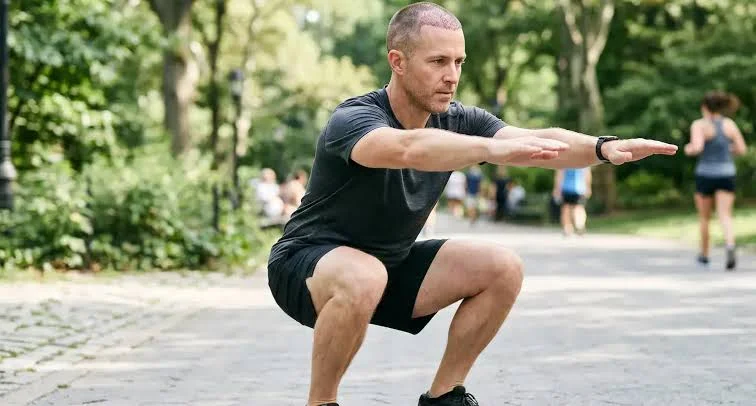
Undergoing an advanced hair restoration procedure [whether utilizing Follicular Unit Extraction (FUE) or Direct Hair Implantation (DHI)] is a significant investment in your appearance, self-confidence, and long-term structural image. While the surgery itself is minimally invasive, the ultimate success of the treatment relies heavily on the post-operative care phase. For active individuals, athletes, and fitness enthusiasts, the most pressing question during early recovery is almost always centered around their workout routine: when can you exercise after hair transplant procedures safely without damaging the newly implanted grafts?
Rushing back into a high-intensity workout routine, lifting heavy weights, or engaging in strenuous cardiovascular activities too early can cause irreversible damage to your healing scalp. This comprehensive clinical guide answers the question of why can’t i exercise after hair transplant surgeries immediately, outlines a precise day-by-day and week-by-week fitness timeline, highlights the differences between FUE and DHI recovery protocols, and details essential rules to ensure your grafts remain completely secure.
Table of Contents
Why Can’t I Exercise After Hair Transplant Surgeries Immediately?
To understand the strict limitations placed on physical activity, we must analyze the biological vulnerability of the healing scalp. When a patient asks why can’t i exercise after hair transplant procedures, it is driven by three main physiological risks:
Get Free Consultation
Have any questions? Leave your details and we'll get back to you shortly.
1. The Risk of Graft Displacement Due to Elevated Blood Pressure
During intense physical exertion, your systemic blood pressure and heart rate increase significantly. This rise pushes more blood directly to the capillaries in your scalp. Because newly implanted hair grafts do not have a secure structural anchor during the first few days, this increased vascular pressure can physically push the grafts completely out of their channels, causing permanent graft loss.
2. Excessive Sweating and Bacterial Infection Risks
Sweat production is the body’s natural mechanism to cool down during exercise. However, a sweating scalp creates a warm, moist environment that serves as an ideal breeding ground for harmful bacteria. Sweat passing through the fresh micro-incisions can cause localized infections, damage the hair roots, and disrupt the healthy healing of the skin.
3. Mechanical Strain and Stretching of the Incisions
Straining during heavy lifting or stretching the neck muscles during certain exercises places direct mechanical tension on the scalp tissue. In the donor region, this tension can stretch or widen surgical scars. In the recipient zone, it can pop out the delicate grafts before they have fully integrated with the surrounding tissue.
When Can You Exercise After Hair Transplant Procedures? The Core Timelines

Understanding how long to exercise after hair transplant limitations last requires breaking the recovery down into distinct physiological healing phases.
Phase 1: Days 1 to 4 Absolute No Exercise After Hair Transplant
During this initial window, patients must follow a strict policy of no exercise after hair transplant. The hair grafts are simply resting in their new channels, held in place only by natural blood clots. Any sudden movement, increased blood pressure, or accidental contact can dislodge them instantly. Daily activities should be limited to gentle walking around the house.
Phase 2: Days 5 to 10 Light Exercise After Hair Transplant
After the first four days, the grafts begin to establish early cellular connections with the surrounding skin. At this stage, a light exercise after hair transplant routine can be safely introduced. This includes slow, casual walking on a flat surface or very light, low-intensity stationary cycling. However, you must stop immediately if you begin to sweat or feel your heart rate rising significantly.
Phase 3: Days 11 to 14 Moderate Activity and Light Cardio
By day 10, the hair grafts are generally considered secure and cannot be easily dislodged by normal movement. You can slightly increase the intensity of your cardio workouts, such as brisker walking or moderate cycling. However, high-intensity workouts and weight lifting must still be avoided.
Phase 4: Day 30 and Beyond Heavy Exercise After Hair Transplant
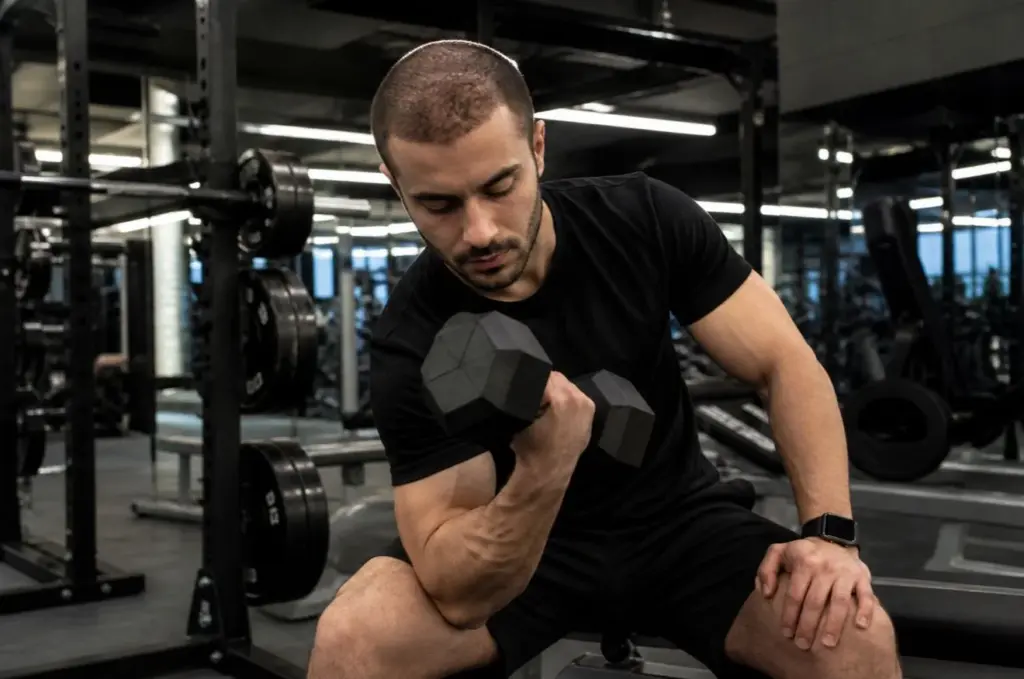
Reaching the one-month mark represents a major milestone. Patients can confidently return to a full, unrestricted heavy exercise after hair transplant routine. This includes high-intensity interval training (HIIT), heavy weight lifting, bodybuilding, powerlifting, and contact sports.
Exercise After Hair Transplant FUE vs. DHI: Are the Rules Different?
When reviewing surgical recovery variations, the specific implantation technique used can subtly alter your early post-op instructions:
Exercise After Hair Transplant FUE
A standard FUE procedure involves opening individual reception channels using micro-blades or sapphire tips before placing the grafts. This process creates a slightly higher amount of surface tissue trauma across the recipient zone, which requires a strict adherence to the recovery timelines to prevent early graft popping or swelling.
Exercise After Hair Transplant DHI
An exercise after hair transplant dhi protocol benefits from a slightly different implantation approach. The DHI technique uses a specialized Choi Implanter Pen to insert the grafts directly into the skin without pre-cutting channels. This minimizes surface trauma and localized bleeding. While the DHI technique allows the micro-incisions to close slightly faster, the risk of blood pressure displacing the grafts remains identical. Therefore, the timeline for returning to heavy weight lifting or intense cardiorespiratory workouts remains exactly the same as FUE.
The Complete Post-Op Fitness and Activity Timeline
| Recovery Horizon | Allowed Physical Activities | Prohibited Activities & Exercises | Primary Clinical Focus |
| Days 1 to 4 | Gentle walking around the house | All forms of exercise, lifting, and running | Protecting loose grafts and preventing bleeding |
| Days 5 to 10 | Casual, low-intensity walking | Strenuous jogging, weight lifting, yoga inversions | Preventing excessive sweating and infection |
| Days 11 to 14 | Brisk walking, light stationary cycling | Heavy gym workouts, core training, swimming | Monitoring residual scalp swelling |
| Day 15 to 30 | Moderate gym training, light weights | Heavy powerlifting, contact sports, diving | Preventing mechanical stretching of scars |
| Day 30+ | Full heavy workouts, HIIT, contact sports | None (Full unrestricted fitness routines allowed) | Building long-term hair density and volume |
Frequently Asked Questions (FAQ)
Can I practice yoga or stretching exercises after a hair transplant?
No, you should completely avoid traditional yoga and intensive stretching exercises for the first 14 days after surgery. Many yoga poses involve inversions (such as downward dog or headstands) where your head is positioned below your heart. These inverted positions cause a sudden rush of blood to the scalp, creating high vascular pressure that can easily dislodge the healing grafts.
Why is swimming prohibited during the early recovery weeks?
Swimming must be completely avoided for at least 30 days following your procedure for two major reasons. First, public swimming pools contain high levels of chlorine and sanitizing chemicals that can dry out and damage the healing hair follicles. Second, swimming in open water or oceans introduces a high risk of bacterial contamination into the unhealed micro-incisions, which can cause severe infections.
What should I do if I accidentally sweat during the early recovery phase?
If you find yourself sweating accidentally due to warm weather or light movement during the first two weeks, do not panic. Do not rub your scalp with a towel, as this mechanical friction will pull out the grafts. Instead, use a clean, soft paper towel and gently blot or dab the moisture away from the skin very carefully.
When can I wear a tight gym cap or helmet after my procedure?
You must avoid wearing tight baseball caps, beanies, or protective sports helmets for at least 14 to 30 days after your surgery. Tight headwear applies direct friction, pressure, and heat to the recipient zone, which can compress the healing tissue, pull out the grafts mechanically, or trap sweat against the raw skin.

 |
|