Skip to content
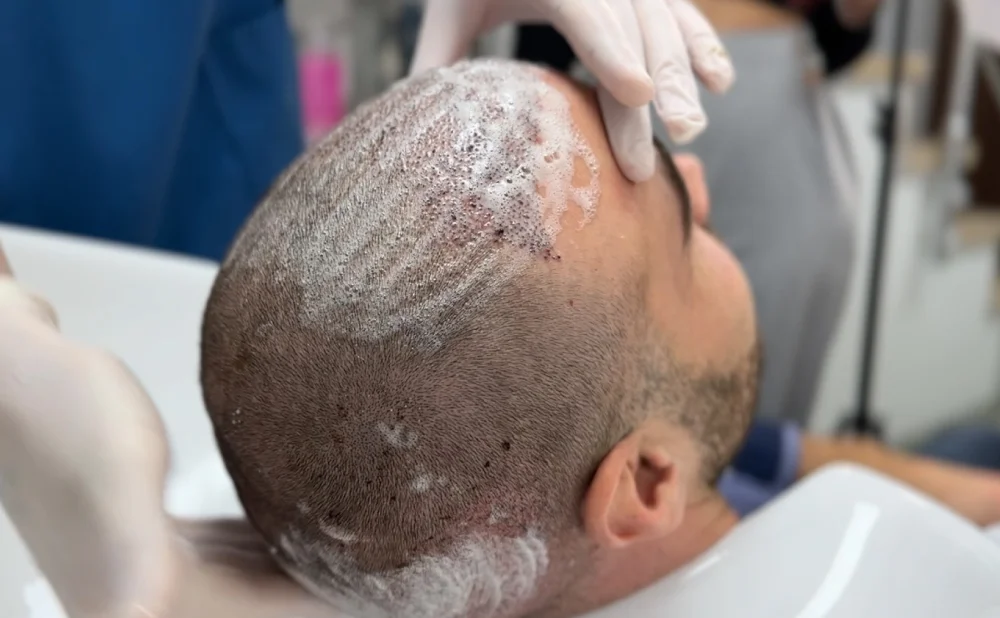
A hair transplant procedure whether performed via Follicular Unit Extraction (FUE) or Direct Hair Implantation (DHI) is a highly effective solution for restoring hair density and natural hairlines. While modern surgical techniques ensure high graft survival rates and minimal scarring, the scalp undergoes a complex healing phase. During this post-operative window, patients may encounter localized inflammatory conditions. Among these, folliculitis after hair transplant is one of the most common complications.
Navigating post-operative scalp care requires recognizing early warning signs and distinguishing normal healing from localized infections. Patients frequently search for answers regarding why scalp folliculitis after hair transplant develops, how to identify pimples in the folliculitis after hair transplant donor area, what clinical options exist for folliculitis after hair transplant treatment, and how to treat folliculitis after hair transplant safely without damaging newly implanted grafts. This comprehensive clinical guide explores the primary causes of post-transplant folliculitis, details symptom stages, outlines preventive measures, and provides medical treatment protocols.
Table of Contents
What Is Folliculitis After Hair Transplant Surgery?
To understand how this condition impacts post-operative recovery, we must examine its biological mechanics: what is folliculitis after hair transplant surgery from a dermatological perspective?
Get Free Consultation
Have any questions? Leave your details and we'll get back to you shortly.
Folliculitis is an inflammation or mild infection of one or more hair follicles. After a hair restoration procedure, tiny micro-incisions are created across both the donor site (usually the back of the scalp) and the recipient site. As newly transplanted grafts settle and new hair shafts begin to push through the skin layers (typically between weeks 2 and month 6) the surrounding tissue can become irritated.
When sebum, dead skin cells, or surface bacteria (such as Staphylococcus aureus) become trapped within the healing follicular channel, an inflammatory response is triggered. This leads to small, red, pimple-like bumps or pustules around individual hair shafts. While most cases are superficial and easily manageable, severe or untreated deep-seated folliculitis can compromise graft survival if not properly addressed.
Identifying Symptoms: Recipient vs. Donor Area Folliculitis
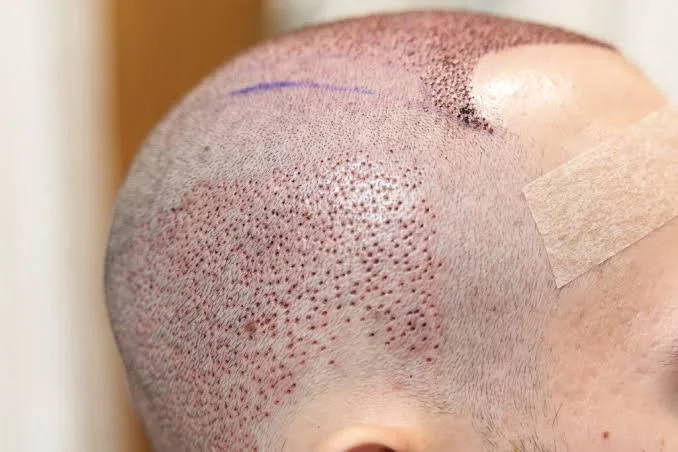
Recognizing where and how folliculitis presents on your scalp helps tailor the appropriate care strategy:
1. Folliculitis After Hair Transplant Donor Area
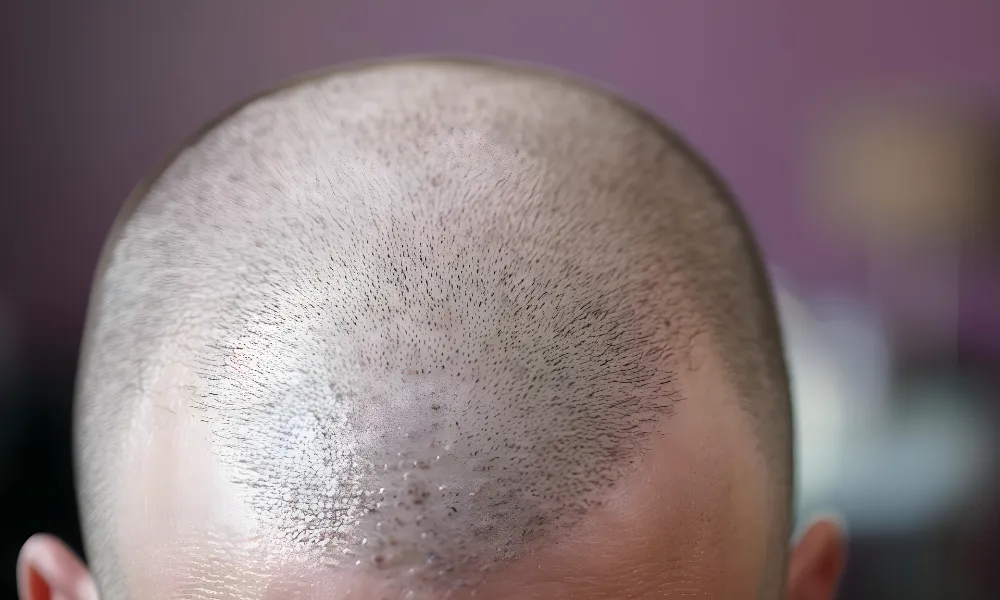
During FUE extractions, thousands of micro-punches remove individual follicular units from the donor zone. As these micro-wounds heal and close, localized inflammation can develop. Symptoms in the donor region typically present as small, tender red bumps, localized itching, or scattered pustules. Donor site folliculitis often stems from ingrown hairs trying to emerge from partially extracted units or occlusion from heavy post-op ointments.
2. Recipient Area Folliculitis
In the recipient zone, small pustules or red papules often emerge 1 to 4 months post-surgery. This coincides with the “shock loss” recovery phase, when new hair shafts begin emerging through the scalp. As the sharp tip of a new hair pierces through healing epidermal tissue, it can cause mechanical irritation or trap sebum, resulting in small localized pimples directly over implanted grafts.
What Causes Scalp Folliculitis After Hair Transplant?
Understanding the underlying triggers of scalp folliculitis after hair transplant is essential for prevention and targeted therapy:
- Ingrown Hair Shafts (Mechanical Irritation): As new transplanted hairs begin growing, some shafts may curve or struggle to break through the upper skin layer, triggering a localized foreign-body reaction.
- Bacterial Overgrowth: Surface bacteria can enter open follicular channels during the early healing phase if post-op hygiene is inadequate or if unsterile hands touch the scalp.
- Excessive Sebum Production and Clogged Pores: Overactive sebaceous glands can produce excess oil that mixes with dead epidermal cells, blocking follicular openings.
- Improper Post-Operative Wash Routines: Washing the scalp too aggressively can irritate healing tissues, while under-washing allows crusts and oil to accumulate, sealing in bacteria.
- Pre-Existing Skin Conditions: Patients with a history of seborrheic dermatitis, acne, or baseline scalp folliculitis are naturally more prone to post-surgical flare-ups.
How to Treat Folliculitis After Hair Transplant: Clinical Protocols
Addressing post-operative pimples requires a step-by-step approach to resolve inflammation without disturbing fragile grafts. Here is an overview of how to treat folliculitis after hair transplant:
1. Conservative At-Home Management (Mild Cases)
For minor, isolated red bumps without severe pain or large pustules:
- Warm Compresses: Apply a warm, moist, sterile compress to the affected area for 10 minutes, 2 to 3 times daily. This opens pores, promotes localized blood circulation, and helps bumps drain naturally.
- Medicated Shampoos: Use a mild antibacterial shampoo or a formula containing 2% ketoconazole or tea tree oil to clear surface bacteria and reduce excess oil.
- Never Pop or Squeeze Bumps: Popping pimples on the scalp can introduce deep bacterial contamination, increase inflammation, and permanently damage underlying hair follicles.
2. Prescription Medical Treatments (Moderate to Severe Cases)
If bumps persist, spread, or become painful, your hair transplant surgeon or dermatologist may prescribe targeted medical interventions:
- Topical Antibiotics: Applying prescription topical antibiotic creams (such as clindamycin or mupirocin) directly to affected spots kills localized surface bacteria.
- Oral Antibiotics: For widespread or deep-seated folliculitis, a short course of oral antibiotics (such as doxycycline or cephalexin) may be prescribed to clear systemic inflammation.
- Sterile Clinical Drainage: A medical professional may use a sterile lancet to gently drain large, tense pustules in a clinical setting, relieving pressure safely.
Post-Transplant Folliculitis Management Matrix
| Metric / Clinical Parameter | Mild Superficial Folliculitis | Moderate / Spreading Folliculitis | Severe Deep Folliculitis |
| Primary Symptoms | 1–3 small red bumps, mild itchiness | Multiple pustules, localized tenderness | Large painful bumps, discharge, spreading redness |
| Time of Appearance | Weeks 2 to 12 post-op | Months 1 to 4 post-op | Any time during recovery |
| Graft Damage Risk | Extremely low | Low if treated promptly | Moderate if left untreated |
| First-Line Treatment | Warm compresses & ketoconazole shampoo | Topical antibiotic creams (Clindamycin) | Oral antibiotics & medical drainage |
| Average Resolution Time | 3 to 7 Days | 1 to 2 Weeks | 2 to 3 Weeks |
Frequently Asked Questions (FAQ)
Will folliculitis after hair transplant ruin my final results or cause graft loss?
In the vast majority of cases, superficial folliculitis will not harm your final hair transplant results. Newly implanted grafts firmly anchor into the scalp within the first 7 to 10 days post-surgery. As long as you do not aggressively pick, scratch, or pop the bumps, the inflammation remains on the surface and will not damage the deeper follicular root.
When does scalp folliculitis usually appear after hair transplant surgery?
Post-transplant folliculitis most commonly appears between week 2 and month 4 post-surgery. This timeline aligns with the emergence of new hair shafts pushing through the scalp tissue after the initial shedding phase.
How can I prevent folliculitis after hair transplant surgery?
To minimize your risk, follow your surgeon’s post-operative washing instructions strictly, keep your hands away from your scalp, avoid wearing tight or unwashed hats, change pillowcases daily during early recovery, and use a recommended antibacterial or ketoconazole shampoo as directed.
Should I contact my clinic if I notice pimples on my scalp?
Yes. It is always best practice to send clear photos of any new bumps or pustules to your hair transplant medical team. They can evaluate whether your symptoms require simple home care or a prescription treatment to ensure smooth, safe healing.

 |
|