Skip to content
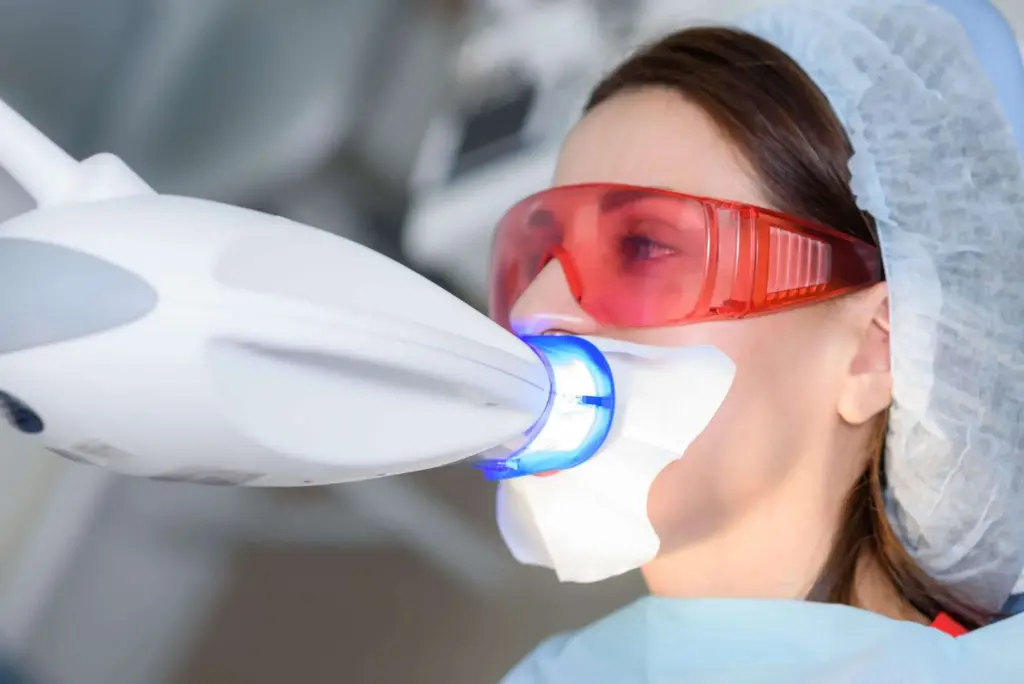
Achieving a bright, confident smile through professional dental bleaching is one of the most popular cosmetic dental treatments worldwide. Whether performed in-office using advanced blue-light technology or at home with custom-fitted bleaching trays, whitening effectively breaks down stubborn organic stains caused by coffee, tea, red wine, and natural aging. However, the most prevalent post-procedural complaint among patients is acute teeth whitening sensitivity.
This sharp, sudden nerve discomfort, often described as brief electric shocks or “zings” shooting through the front teeth, can catch individuals off guard. Patients frequently research the nature of teeth whitening sensitivity pain, seek rapid teeth whitening sensitivity relief, inquire about the specific triggers behind laser teeth whitening sensitivity, ask with concern does teeth whitening sensitivity go away or is teeth whitening sensitivity permanent, wonder how long does teeth whitening sensitivity last, and search for clinical advice on how to stop teeth whitening sensitivity and how to treat teeth whitening sensitivity. This comprehensive guide explains the pulpal biology of bleaching, home and clinical relief strategies, recovery expectations, and treatment pricing dynamics.
Table of Contents
The Biological Mechanism: Why Does Teeth Whitening Cause Sensitivity?
To understand why dental bleaching triggers nerve irritation, one must examine the microscopic structure of tooth enamel and dentin:
Get Free Consultation
Have any questions? Leave your details and we'll get back to you shortly.
PULPAL TRANSMISSION MECHANISM DURING BLEACHING:
[Hydrogen Peroxide / Carbamide Peroxide]
↓ (Penetrates enamel crystalline lattice via micropores)
[Dentin Matrix & Fluid-Filled Dentinal Tubules]
↓ (Osmotic pressure shift & transient pulpal fluid movement)
[Direct Chemical Depolarization of A-Delta Nerve Fibers in Pulp Chamber]
↓
[Acute, Sharp Pain Sensation (“Zings” / Thermal Sensitivity)]
Tooth enamel is not an impermeable solid; it is a semi-permeable crystalline structure composed of microscopic hydroxyapatite prisms. During professional bleaching, active peroxide agents (hydrogen peroxide or carbamide peroxide) release free radicals that penetrate into the enamel to oxidize and fragment chromophore molecules (stains).
However, during this process:
- Enamel Dehydration: Peroxide temporarily strips water molecules from the enamel prisms, causing transient dehydration that increases thermal conductivity.
- Tubular Fluid Movement (Brännström’s Hydrodynamic Theory): Peroxides penetrate past the amelodentinal junction into the underlying dentin, which houses thousands of fluid-filled microscopic channels called dentinal tubules. Rapid osmotic and pressure changes within these tubules disturb the fluid balance.
- Nerve Excitation: This fluid shift directly stimulates the mechanoreceptors and sensory A-delta nerve endings situated along the periphery of the internal dental pulp chamber, firing intense, fleeting electrical pain signals.
Clinical Duration: How Long Does Teeth Whitening Sensitivity Last?
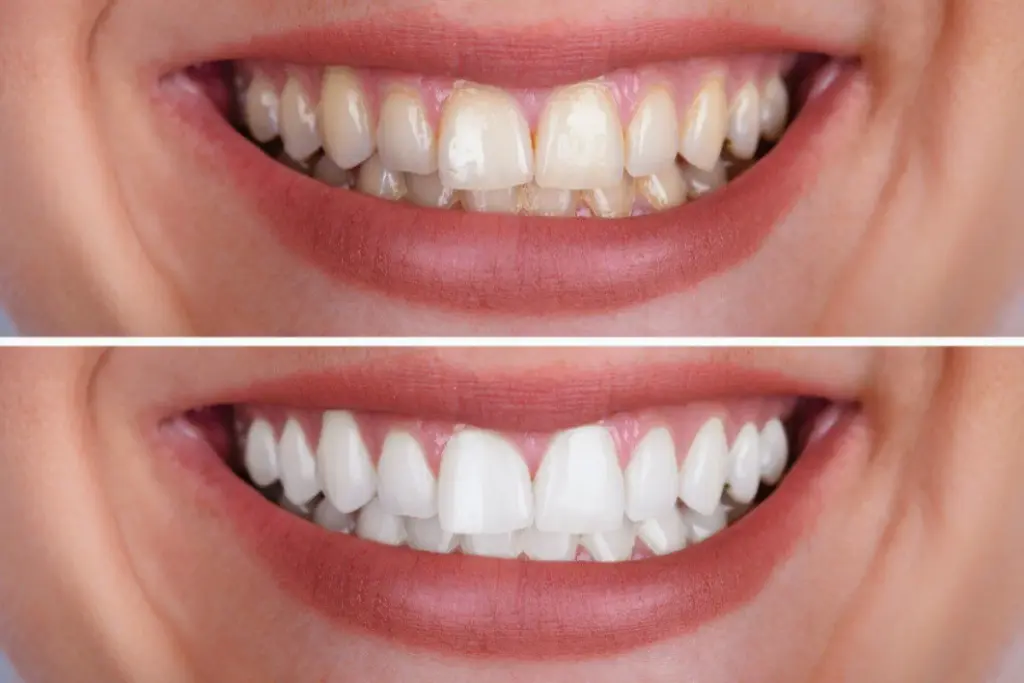
For patients experiencing post-whitening discomfort, the most pressing questions are how long does teeth whitening sensitivity last and does teeth whitening sensitivity go away?
- Transient Clinical Course: Bleaching-induced sensitivity is strictly temporary. The pulp tissue undergoes a mild, transient, reversible inflammatory response (reversible pulpitis). Once peroxide exposure halts, the pulp tissue rapidly returns to its physiological resting state.
- The 24 to 48-Hour Peak: In the vast majority of clinical cases, sensitivity peaks within the first 12 to 24 hours following the procedure and gradually subsides over 48 to 72 hours.
- Total Normalization: By day 4 to 7, salivary minerals (calcium and phosphate) naturally remineralize the dehydrated enamel, re-establishing the microscopic enamel plug and sealing the dentinal tubules completely.
Is Teeth Whitening Sensitivity Permanent?
Patients can be fully reassured: teeth whitening sensitivity is not permanent. Extensive clinical research confirms that modern dental bleaching does not erode enamel thickness, cause irreversible nerve necrosis, or degrade structural tooth longevity when performed under dental supervision using pH-balanced materials.
In-Office vs. Laser: Managing Laser Teeth Whitening Sensitivity
In-office treatments, particularly laser teeth whitening sensitivity, present unique clinical dynamics:
- High Concentration Bleaching Gels: In-office chairside treatments use hydrogen peroxide gels in concentrations ranging from 25 to 40 percent, compared to 10 to 22 percent carbamide peroxide used in home kits. The higher concentration accelerates chemical diffusion into the dentin.
- Thermal Activation (LED and Laser Lamps): Specialized blue LED or diode laser lights are applied to accelerate the photochemical breakdown of peroxide. While these lights enhance speed, slight thermal energy transfer can temporarily elevate pulpal temperature, intensifying short-term sensitivity.
- Clinical Desensitization Barriers: Modern in-office protocols mitigate this by applying pre-treatment protective gingival barriers (liquid dam) and following the procedure with in-chair remineralizing varnishes rich in potassium nitrate, amorphous calcium phosphate (ACP), or sodium fluoride.
How to Treat and Stop Teeth Whitening Sensitivity
Knowing how to stop teeth whitening sensitivity and how to treat teeth whitening sensitivity involves combining immediate at-home relief steps with clinical desensitization:
Immediate Relief Protocols
- Desensitizing Toothpaste Application (Potassium Nitrate): Use a desensitizing toothpaste containing 5% potassium nitrate and sodium fluoride. Rather than merely brushing, rub a small pea-sized amount directly onto the sensitive teeth with a fingertip and leave it on for 10 to 15 minutes without rinsing. Potassium ions penetrate the dentinal tubules to depolarize nerve endings, blocking pain signal transmission.
- Over-the-Counter Analgesics: Prophylactic anti-inflammatory medications, such as ibuprofen (400 to 600 mg), taken 30 minutes prior to bleaching and continued every 6 to 8 hours for the first 24 hours, suppress pulpal prostaglandin synthesis and reduce pain spikes.
- Thermal Avoidance: Strictly avoid extreme temperatures. Drink lukewarm or room-temperature water. Avoid steaming hot coffee, iced beverages, ice cream, and highly acidic citrus fruits or carbonated sodas that irritate exposed tubules.
- Topical Remineralization Gels: Apply products containing Casein Phosphopeptide-Amorphous Calcium Phosphate (CPP-ACP / MI Paste) or nano-hydroxyapatite (nHAp) inside your whitening trays for 30 minutes post-treatment to physically plug open dentinal pores.
Teeth Whitening Modalities & Sensitivity Comparison
| Whitening Modality | Peroxide Concentration | Onset of Sensitivity | Peak Duration | Primary Cause | Recommended Desensitizer |
| In-Office Laser / LED Whitening | 25% to 40% Hydrogen Peroxide | Immediate / During treatment | 24 to 48 Hours | High concentration & thermal light energy | In-office Potassium Nitrate & Fluoride varnish |
| Take-Home Custom Trays | 10% to 22% Carbamide Peroxide | Day 2 to Day 4 of cycle | 12 to 24 Hours post-wear | Extended contact time & enamel dehydration | Alternating nights with desensitizing gel |
| Over-the-Counter Strips | 6% to 14% Hydrogen Peroxide | After 3 to 5 applications | 24 to 36 Hours | Poorly fitted strips touching gumline | Switching to sensitive formula strips |
| Whitening Toothpastes | 0% to 1% Peroxide + Abrasives | Gradual over several weeks | Chronic if continuous | Mechanical enamel micro-abrasion | Switching to low-RDA sensitive toothpaste |
What Determines the Cost of Teeth Whitening Treatments?
When researching cosmetic smile enhancements, patients will find that treatment fees vary widely across dental practices and regions. Total treatment costs depend on several specific clinical, geographic, and technological variables rather than a single flat rate:
- In-Office Professional Systems vs. Take-Home Kits: In-chair laser or light-activated systems (such as Philips Zoom, Beyond Polus, or laser diode treatments) require specialized chairside equipment, clinical operatory time, and licensed dental supervision, resulting in higher fees than take-home custom tray systems.
- Technology and Desensitizing Formulations Used: Advanced bleaching systems that incorporate integrated desensitizing agents (such as ACP, potassium nitrate, and neutral-pH buffers directly within the proprietary gel) reflect higher material and laboratory costs.
- Clinical Examination and Pre-Whitening Preparation: Comprehensive smile evaluations require preliminary oral hygiene prophylaxis (scaling and polishing) to remove external plaque and calculus, as well as digital shade mapping to ensure optimal results.
- Geographic Location and Practice Overhead: Operating expenses vary across metropolitan dental clinics, suburban practices, and international medical tourism destinations.
- All-Inclusive Packages in Dental Tourism: International patient packages (such as in Turkey) frequently bundle full dental check-ups, deep ultrasonic hygiene cleaning, in-office laser whitening, custom take-home maintenance trays with desensitizing kits, hotel accommodations, and private clinic transfers into a unified arrangement.
Frequently Asked Questions (FAQ)
Does teeth whitening sensitivity go away completely on its own?
Yes. Teeth whitening sensitivity is a temporary reaction to enamel dehydration and osmotic changes in the dentinal tubules. In virtually all cases, the sensitivity resolves completely within 24 to 72 hours as natural minerals in your saliva rehydrate the teeth and seal the microscopic pores.
What causes the sudden sharp “zings” after teeth whitening?
The sudden electric shock sensations (“zings”) occur when peroxide penetrates deeply through the dentinal tubules and reaches the fluid surrounding the A-delta nerve fibers inside the pulp chamber. Temperature shifts or airflow cause rapid microscopic fluid movement, triggering a brief, sharp nerve spasm.
Can I whiten my teeth if I already have naturally sensitive teeth?
Yes, but you should take precautions. Inform your dentist beforehand so they can recommend a lower-concentration peroxide gel (such as 10% carbamide peroxide), prescribe a desensitizing toothpaste to use for two weeks prior to treatment, or apply in-office desensitizing varnishes before and after your procedure.
Can teeth whitening damage my dental enamel or nerve permanently?
No. When conducted with dental-grade, pH-neutral products under professional guidance, whitening does not soften, thin, or permanently damage enamel, nor does it kill the underlying tooth nerve. The structural mineral matrix remains intact throughout the treatment.

 |
|