Skip to content
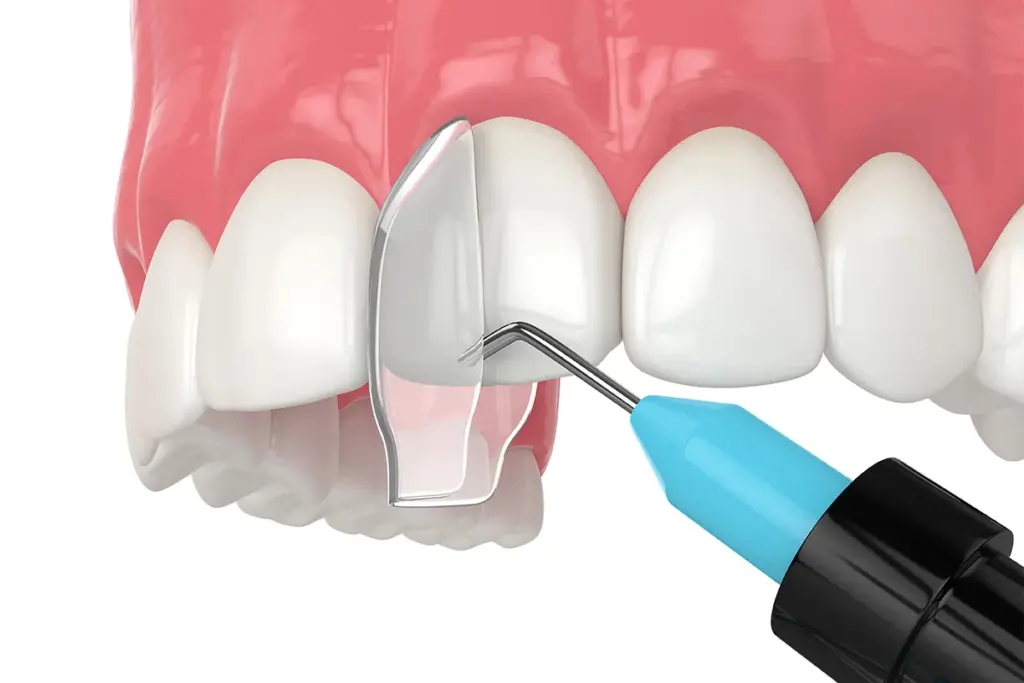
Minor dental imperfections, such as chipped edges, uneven tooth lengths, localized discoloration, and noticeable gaps (diastemas), can compromise an otherwise healthy smile. While traditional cosmetic dentistry often relies on laboratory-made porcelain veneers or full dental crowns, these options generally require irreversible enamel reduction and multiple appointments. Modern aesthetic dentistry offers a minimally invasive, conservative alternative: composite bonding.
Using advanced light-curing resin materials applied directly to the tooth surface, this treatment allows cosmetic dentists to sculpt a balanced, luminous smile in a single clinical visit.
Table of Contents
What Is Composite Bonding and How Does It Work?
If you are wondering what is composite bonding, it is a conservative cosmetic dental procedure where a tooth-colored, malleable dental composite resin is directly applied, sculpted by hand, and chemically bonded to the natural enamel to correct shape, size, proportion, or shade.
Get Free Consultation
Have any questions? Leave your details and we'll get back to you shortly.
Unlike indirect restorations that require outside dental laboratory fabrication, direct composite bonding is completed chairside by the clinician:
- Enamel Preservation: In the vast majority of cases, zero healthy tooth structure is removed. The treatment is non-destructive and fully reversible, preserving your natural enamel underneath.
- Micro-Mechanical Retention: The dentist cleans the tooth and applies a mild, blue-tinted phosphoric acid gel (etchant) for 15 to 30 seconds. This creates microscopic surface porosities in the outer enamel layer.
- Chemical Priming and Bonding: A liquid bonding agent flows into these microscopic pores. Once exposed to a high-intensity ultraviolet (UV) or blue LED curing light, it polymerizes, creating a permanent mechanical lock.
- Layered Resin Sculpting: The dentist applies tiny increments of hybrid composite resin (composed of dimethacrylate monomers reinforced with sub-micron silica or ceramic glass filler particles). Using fine hand instruments, the clinician layers different translucencies to mimic the natural gradations of dentin and enamel.
- Final Curing, Contouring, and Polishing: Once the desired anatomical shape is finalized, the material is hardened with the curing light. The clinician then finishes the restoration using fine diamond burs, flexible abrasive discs, and diamond-impregnated polishing pastes to achieve a mirror-like surface luster.
What Issues Can Composite Bonding Teeth Address?
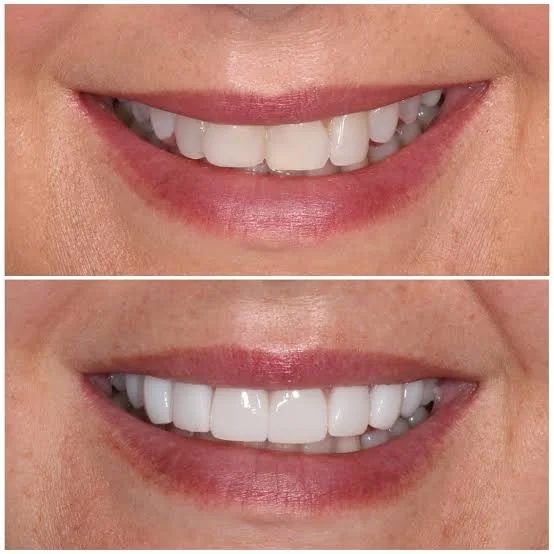
Cosmetic dentists utilize composite bonding teeth techniques to resolve a wide spectrum of aesthetic and functional concerns:
- Chipped and Worn Incisal Edges: Repairing chipped corners caused by accidental trauma, nail-biting, or nighttime bruxism.
- Diastema Closure: Closing unwanted spaces or black triangles between front teeth without the need for orthodontic braces.
- Minor Lengthening and Reshaping: Elongating worn, short teeth or reshaping pointed “vampire” canines and peg laterals into balanced anatomical forms.
- Intrinsic Stain Masking: Concealing stubborn, deep internal stains (such as fluorosis or tetracycline staining) that fail to lift with traditional peroxide whitening.
- Exposed Root Protection: Covering exposed tooth roots caused by gum recession to eliminate root sensitivity and prevent root-surface decay.
Longevity: How Long Does Composite Bonding Last?
A primary concern for patients investing in smile design is how long does composite bonding last:
- Clinical Lifespan Baseline: On average, high-quality composite bonding lasts between five and eight years before requiring polishing, touch-ups, or selective replacement. With meticulous oral hygiene and routine maintenance, well-cared-for composite restorations can remain aesthetic for ten years or more.
- Resistance to Staining: While modern micro-hybrid and nano-filled composites maintain luster significantly better than older resins, composite material remains slightly more porous than glazed dental porcelain. Frequent consumption of dark liquids (black coffee, espresso, red wine, dark tea) or tobacco use will gradually cause edge staining over time.
- Fracture and Chipping Resistance: Composite resin possesses flexural strength comparable to natural dentin, but it does not have the sheer hardness of porcelain. Biting on non-food items (pens, ice cubes, hard plastic packaging) can chip the bonded edge.
- Refurbishment and Repair: A key advantage of composite resin is that chips or small cracks can be repaired easily in a single short appointment by simply adding a fresh layer of resin. If a porcelain veneer breaks, the entire restoration must be replaced.
Real-World Transformations: Composite Bonding Before and After
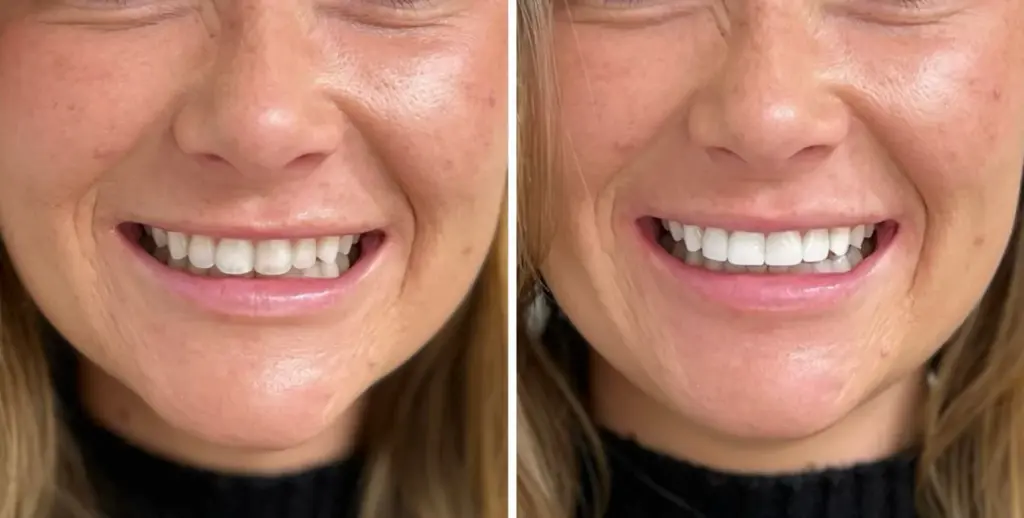
Examining documented composite bonding before and after portfolios illustrates the transformative impact of direct resin artistry:
- Symmetrical Smile Line: Jagged or uneven lower edges of the front teeth are smoothed into a harmonious line that parallels the curvature of the lower lip.
- Closed Spaces and Gaps: Unwanted gaps between teeth disappear completely, creating a continuous, even dental arch.
- Natural Light Transmission: Skillful layering of enamel and dentin shades prevents the chalky, monochromatic, artificial look of older materials, allowing light to reflect naturally through the incisal edge.
- Enamel Preservation Intact: Because the underlying tooth enamel is left unground, the patient retains their original dental anatomy under the restoration.
Daily Care and Maintenance Protocols
To preserve the aesthetic gloss and strength of your composite restorations, adhere to the following maintenance steps:
- Avoid Using Teeth as Tools: Never use your front teeth to bite open plastic bags, crack nuts, chew ice, or bite your fingernails.
- Wear a Nightguard for Bruxism: If you clench or grind your teeth at night, wear a custom-fitted dental splint (nightguard) to protect the resin edges from high shearing forces.
- Use Non-Abrasive Toothpaste: Avoid highly abrasive whitening toothpastes containing coarse calcium carbonate or silica particles, as they create micro-scratches that dull the polished shine. Use a low-abrasion, fluoride-rich gel toothpaste and a soft-bristled brush.
- Schedule Routine Dental Hygiene and Diamond Polishing: Visit your hygienist every six months. Inform them you have composite bonding so they avoid using ultrasonic scalers directly on the resin margins. A brief polish with fine diamond polishing paste restores the original gloss.
Treatment Comparison: Composite Bonding vs. Porcelain Veneers
| Parameter | Direct Composite Bonding | Porcelain Veneers |
| Clinical Procedure | Direct chairside sculpting in 1 visit | Indirect fabrication; 2 to 3 visits over 2 weeks |
| Enamel Reduction | Zero to minimal (0% to 5%) | Conservative outer enamel shaving (10% to 20%) |
| Material Longevity | 5 to 8+ Years | 10 to 15+ Years |
| Stain Resistance | Moderate (Can pick up surface tea/coffee stains) | Extremely High (Impervious to staining) |
| Reversibility | Fully reversible (Natural tooth untouched) | Irreversible (Enamel has been shaped) |
| Repairability | Easily repaired directly chairside in minutes | Must be completely removed and remanufactured |
| Treatment Invasiveness | Non-invasive; rarely requires local anesthesia | Minimally invasive; requires local anesthesia |
What Determines the Composite Bonding Cost?
When researching composite bonding cost or asking how much is composite bonding, patients will find that treatment fees are calculated on a per-tooth basis and vary according to several clinical, technical, and geographic factors:
- Number of Teeth Involved: Treating a single chipped corner (edge bonding) carries a different fee than a full smile makeover involving eight or ten upper front teeth.
- Complexity of the Restoration: Simple edge bonding requires less clinical time and layering than full composite veneers, where the entire front surface of the tooth is masked and sculpted.
- Skill and Artistry of the Cosmetic Dentist: Direct composite bonding is an art form that relies heavily on the individual dentist’s manual dexterity and eye for color matching. Experienced cosmetic dentists charge professional fees reflecting their specialized training.
- Quality of Composite Resin Systems: Advanced multi-shade nano-hybrid resin systems (such as direct ceramic composite systems) carry higher material manufacturing costs than standard restorative composites.
- Pre-Bonding Preparations: Total treatment plans often include preliminary professional teeth cleaning (scaling and polishing) and pre-operative professional teeth whitening, so the composite resin can be matched to a brighter natural baseline.
- Geographic Location and Medical Travel: Clinic overhead costs differ between Western Europe, the US, and dental tourism destinations like Turkey. Programs for composite bonding turkey frequently bundle full smile bonding (six to ten teeth), pre-whitening, luxury hotel accommodations (three to four nights), and private VIP airport-clinic transfers into one transparent, cost-effective package.
Frequently Asked Questions (FAQ)
Does composite bonding ruin your natural teeth?
No. Composite bonding does not harm or ruin your natural teeth. Unlike traditional crowns or aggressive veneers, direct bonding requires no drilling or shaving of healthy enamel. The bonding agent forms a mechanical seal over the enamel, which can safely be removed or polished off by a cosmetic dentist at any time without damaging the tooth underneath.
Is the composite bonding procedure painful?
No. Composite bonding is painless and rarely requires local anesthesia because the dentist works strictly on the outer enamel layer, which has no nerve endings. You may feel gentle vibration during shaping and cool water sprays during polishing, but no sharp discomfort.
Can composite bonding be whitened with bleaching gels later on?
No. Dental composite resins, like all dental ceramics and restorative materials, do not respond to hydrogen peroxide or carbamide peroxide whitening gels. If you want a whiter overall smile, you must whiten your natural teeth first. Once your desired natural shade is stable (after two weeks), the dentist will select a composite resin that matches your newly brightened teeth.
What is the difference between edge bonding and composite veneers?
Edge bonding focuses only on the biting edge of the tooth, repairing minor chips, smoothing jagged lines, or slightly lengthening the tooth while leaving the rest of the natural tooth surface untouched. A composite veneer covers the entire front-facing facial surface of the tooth, completely changing its shade, shape, and overall appearance.

 |
|