Skip to content


Gap teeth are spaces between two or more teeth, most often between the two upper front teeth. The medical term is diastema, and it is one of the most common reasons people ask about the look of their smile. For some, the gap is a harmless feature that gives character to the face, while for others it affects confidence, speech or the way food collects between the teeth.
This guide explains what gap teeth are, why they appear and when they need treatment. It also covers the main ways to close a gap, from braces and clear aligners to bonding and veneers, how to choose between them and what you can do to stop the space from returning.
Table of Contents
What Are Gap Teeth?
Gap teeth describe a visible space between teeth that should normally touch. The most recognised form is the midline diastema between the upper central incisors, but gaps can also appear between the side teeth or at the back of the mouth. The size varies from a small slit of less than a millimetre to a space of several millimetres.
Get Free Consultation
Have any questions? Leave your details and we'll get back to you shortly.
A gap is not a disease, and many people live comfortably with one. It becomes a concern when it grows over time, when it comes with loose or shifting teeth, or when food packs into the space and irritates the gum. In these cases a dental assessment is useful to find the cause and decide whether treatment is needed.
What Causes Gap Teeth?

The most common cause is a mismatch between the size of the teeth and the size of the jaw. When the teeth are smaller than the space available, or when the jaw is wider than average, the teeth do not touch each other and gaps appear. This pattern often runs in families, which is why it can be seen across generations.
A thick or low attached piece of tissue between the upper lip and the gum, called the labial frenum, can also hold the front teeth apart. Missing or very small teeth, such as undersized lateral incisors, leave extra room that opens spaces. In children, a temporary gap between the upper front teeth is a normal stage of growth and often closes when the permanent canines come through.
Habits and Gum Disease That Open Gaps
Some gaps are not present from birth but develop later. Thumb sucking and pushing the tongue against the front teeth when swallowing apply steady pressure that moves the teeth forward and apart. Long term use of a dummy or a nail biting habit can have a similar effect.
Gum disease is an important cause in adults. When the bone that supports the teeth is lost, the teeth can drift and fan out, and a new gap can appear between teeth that used to touch. A gap that opens suddenly in adulthood, especially with bleeding gums or loose teeth, should always be examined without delay.
Do Gap Teeth Need Treatment?
Not always. If the gap is stable, causes no discomfort and does not trouble you, a dentist may suggest leaving it as it is. Treatment is advised when the gap is linked to gum disease, when it keeps widening or when it leads to problems with chewing or speech.
Many people choose treatment for cosmetic reasons, and this is a valid decision when it is based on a clear plan. A dentist will first check the health of the gums and the bone, identify the cause of the gap and then recommend the method that suits the size of the space and your wishes. Closing a gap without treating the cause often leads to the space returning.
Gap Teeth Treatment Options
Several methods are used, and the choice depends on the size of the gap, the position of the teeth and the result you want. The table gives a simple comparison before each option is explained.
| Treatment | Best for | Typical duration | Reversible |
|---|---|---|---|
| Braces or clear aligners | Gaps caused by tooth position, several gaps | Several months to two years | Yes, with retainers |
| Dental bonding | Small gaps in one or two teeth | One visit | Partly |
| Porcelain veneers | Gaps with shape or colour concerns | Two to three visits | No |
| Crowns | Gaps with damaged or very small teeth | Two to three visits | No |
| Frenum procedure | Gap held open by thick tissue | Short procedure | No |
Braces and Clear Aligners
Orthodontic treatment is the most natural way to close a gap because it moves the teeth into a new position without removing any tooth structure. Metal or ceramic braces and clear aligners both work well, and aligners are popular with adults because they are almost invisible and can be removed for eating and cleaning.
Treatment time depends on the number and size of the gaps, and it usually takes between six months and two years. After the teeth reach their new position, a retainer is worn to keep them there, because teeth tend to move back towards their old position. Wearing the retainer as advised is the key to a long lasting result.
Dental Bonding and Veneers for Gap Teeth
Dental bonding closes a small gap by adding tooth coloured resin to the sides of the teeth. The dentist shapes and polishes the material in a single visit, usually without anaesthesia, which makes it a quick and affordable option. Bonding can stain or chip over time, so it may need repair or replacement after some years.
Porcelain veneers are thin shells attached to the front of the teeth and are used when the gap comes with other concerns, such as small, uneven or discoloured teeth. They give a long lasting and natural looking result but require a small amount of enamel to be removed, which makes the treatment irreversible. A trial with a mock up before the final veneers helps you see the planned result.
Treating the Frenum and Gum Causes
When a thick frenum holds the gap open, a small procedure called a frenectomy can release it. It is performed under local anaesthesia, takes only a few minutes and heals within one to two weeks. It is usually combined with orthodontic treatment, as the gap does not close completely on its own after the tissue is released.
If gum disease is the reason for the gap, the first step is to treat the gum problem with deep cleaning and, when necessary, further periodontal therapy. Only when the gums are healthy and the teeth are stable can orthodontic or cosmetic treatment be started safely. Closing a gap in the presence of active gum disease can make the problem worse.
Can Gap Teeth Be Closed Without Treatment?
In children, a gap between the upper front teeth often closes by itself as the neighbouring teeth erupt. In adults, a true gap does not close without help, and home remedies, rubber bands and online gadgets are not safe. Placing a rubber band around the front teeth can move them quickly, but it can also push the band under the gum and lead to serious bone loss and loss of the teeth.
The safest approach is a professional assessment, even if you plan to leave the gap untreated. A dentist can tell you whether the gap is stable, whether the gums are healthy and what the options would be if you decide to change your smile later.
How to Keep the Gap From Returning
After orthodontic treatment, the retainer is the main protection against relapse. A fixed wire behind the front teeth is often bonded in place, and a removable retainer is worn at night. Regular check-ups let the dentist see early movement before the gap reopens.
Addressing the habit that caused the gap is equally important. A tongue thrust can be corrected with myofunctional exercises, and thumb sucking in children is managed with encouragement and, if needed, a habit appliance. Good gum care throughout life keeps the bone strong and the teeth stable.
Gap Teeth in Children and Teenagers
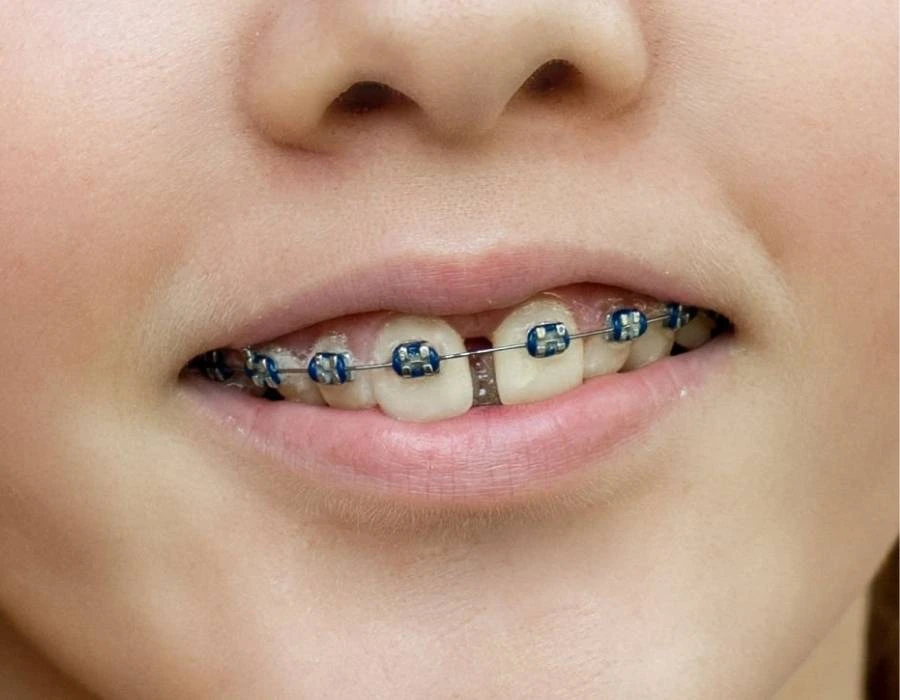
Parents often worry when a child shows a wide space between the upper front teeth. This is part of normal development, sometimes called the ugly duckling stage, and it usually narrows as the canines emerge between the ages of ten and twelve. Treatment is rarely started before this stage unless the gap is caused by a habit or a missing tooth.
A paediatric dentist or an orthodontist can monitor the growth with regular visits and X-rays when needed. Early advice is helpful if the gap is very large, if a tooth is missing or if the child sucks the thumb, so that the problem can be handled at the right time.
Frequently Asked Questions
Are gap teeth a sign of a health problem?
Usually not. Most gaps are a normal variation in tooth and jaw size. A gap that appears suddenly in adulthood, or that comes with loose teeth or bleeding gums, may be a sign of gum disease and should be examined.
What is the fastest way to close a gap between the front teeth?
Dental bonding can close a small gap in a single visit, and veneers can do it in two to three visits. Braces and aligners take longer but move the teeth without removing tooth structure.
Will the gap come back after braces?
It can, if the retainer is not worn as advised. Teeth tend to move back towards their original position, so wearing a retainer long term is the best way to keep the result.
Is it safe to close a gap with a rubber band at home?
No. A rubber band can slip below the gum line and damage the bone and the roots, which may lead to losing the tooth. Only a dentist or orthodontist should move teeth.
Can gaps between the back teeth be treated too?
Yes. Gaps between the back teeth often trap food and increase the risk of cavities and gum problems. They can be closed with orthodontics or restored with fillings, crowns or bridges, depending on the cause.

 |