Skip to content

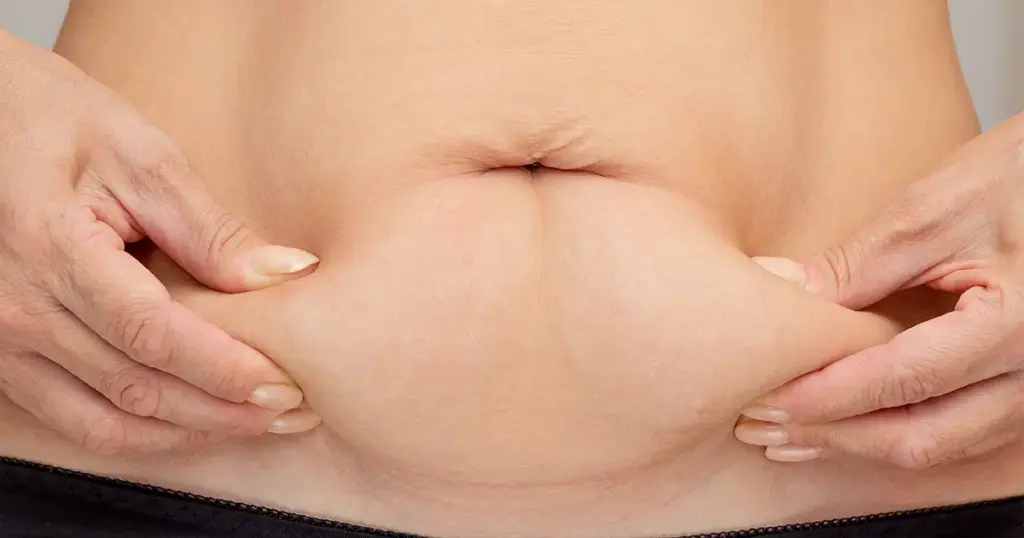
A lower belly pooch is the soft, rounded fullness that sits below the navel and often stays in place even when the rest of the body is lean. It is one of the most common body concerns among adults of all sizes, and it is frequently described as the one area that does not respond to diet or exercise. The reasons behind it are not the same for everyone, which is why advice that works for one person can fail completely for another.
This guide explains what a lower belly pooch is, what causes it, how fat, skin and muscle each contribute and which habits can realistically reduce it. It also covers the medical and surgical options, from non surgical body contouring to liposuction and abdominoplasty, and the warning signs that call for a medical check rather than a cosmetic solution.
Table of Contents
What Is a Lower Belly Pooch?
A lower belly pooch is a localised bulge of the lower abdomen, usually between the navel and the pubic area. It may be made of fat, of loose or stretched skin, of a protruding abdominal wall or of a combination of the three. Because these causes look similar in the mirror, many people treat the wrong one for years.
Get Free Consultation
Have any questions? Leave your details and we'll get back to you shortly.
The shape of the pooch gives some clues. A soft, pinchable fullness that moves with the skin usually points to fat. A fold or hanging pouch of skin that remains after weight loss or pregnancy suggests skin laxity. A firm, forward bulge that appears when you stand or strain, often with a ridge down the middle, may be linked to separated abdominal muscles.
What Causes a Lower Belly Pooch?
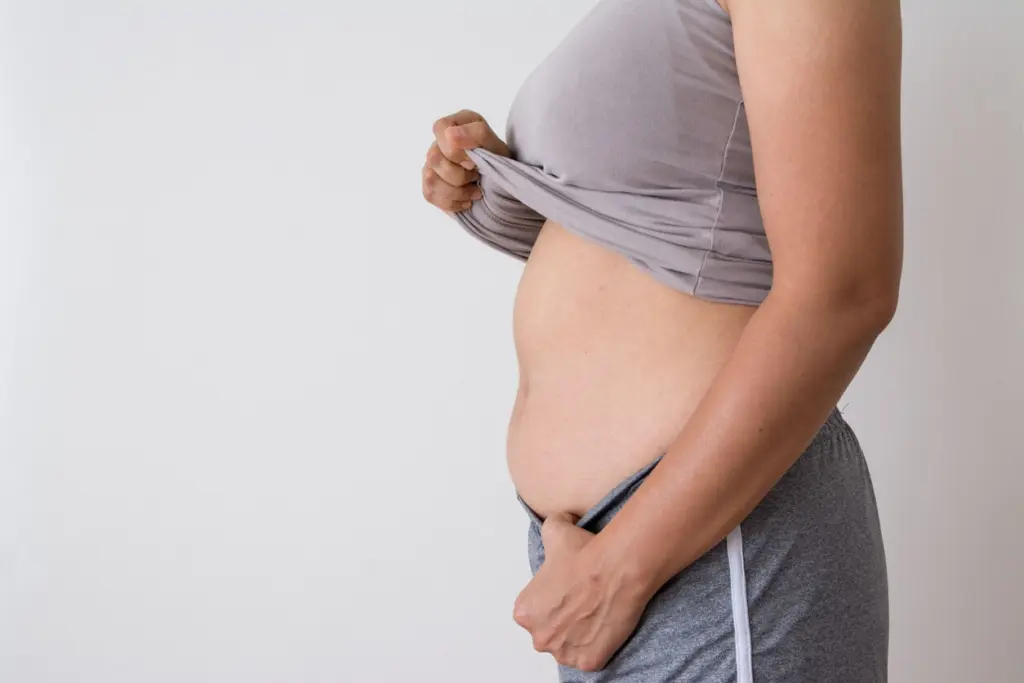
The most common cause is the way the body stores fat. The lower abdomen is one of the first places where many people, especially women, gain fat and one of the last places where they lose it. Hormones, genetics and age all influence this pattern, which is why two people with the same weight can have very different shapes.
Pregnancy, rapid weight changes and previous abdominal surgery can stretch the skin and weaken the abdominal wall. A caesarean scar can create a small shelf of tissue above it, while hormonal changes around the menopause tend to move fat toward the middle of the body. Posture also matters, because a forward tilt of the pelvis pushes the lower belly out even in people who are not overweight.
Fat, Skin or Muscle: Finding the Real Cause
The table below compares the three main contributors and the signs that point to each one. Most people have a mixture, so the honest answer is often a proportion and not a single cause.
| Contributor | Typical signs | Responds best to |
|---|---|---|
| Excess fat | Soft, pinchable fullness, changes with weight | Nutrition, exercise, body contouring or liposuction |
| Loose skin | Hanging fold, stretch marks, little change with weight loss | Skin tightening procedures or abdominoplasty |
| Weak or separated muscles | Forward bulge when standing, ridge down the middle | Core rehabilitation, sometimes surgical repair |
| Posture | Bulge that eases when the pelvis is tucked in | Posture work and strength training |
| Bloating or digestion | Changes during the day, worse after meals | Medical review and dietary changes |
Diastasis Recti and the Postpartum Belly
Diastasis recti is a separation of the two vertical muscle bands at the front of the abdomen. It is very common during and after pregnancy, and it can also occur in men and in people who have lost large amounts of weight. The gap lets the abdominal contents push forward, which creates a lower belly bulge that no amount of fat loss will remove.
Mild separation often improves in the months after birth with gentle core retraining and guidance from a physiotherapist. A larger or persistent gap, especially with back pain, a feeling of weakness in the core or a visible dome when you sit up, should be examined by a doctor. In some cases surgical repair of the muscles is combined with removal of excess skin and fat.
Can Exercise Reduce a Lower Belly Pooch?
Spot reduction is a myth, because the body does not burn fat only from the area being exercised. What exercise can do is lower total body fat over time, strengthen the deep abdominal muscles and improve posture, all of which change the look of the lower belly. Crunches alone rarely achieve this and can even worsen a bulge when diastasis is present.
A balanced routine works better. Strength training for the whole body, regular walking or other cardio, and exercises for the deep core such as pelvic tilts, dead bugs and gentle planks build the support structure of the abdomen. If you have a separation of the muscles, ask a physiotherapist which movements are safe before you start any intense core work.
Diet, Hormones and the Lower Belly
Food choices influence the lower belly through total energy intake and through the way the body handles blood sugar. Diets high in refined sugar and alcohol are linked to more abdominal fat, while a pattern rich in protein, fibre and vegetables supports fat loss and keeps you full. Crash diets are rarely helpful, because they remove muscle along with fat and make the skin look looser.
Hormones play a quiet role. Raised cortisol from long term stress and poor sleep encourages fat storage around the middle, and falling oestrogen after the menopause shifts fat toward the abdomen. Conditions such as polycystic ovary syndrome and thyroid problems can also contribute, so persistent central weight gain that does not respond to sensible changes is worth discussing with a doctor.
Non Surgical Options for a Lower Belly Pooch
Several devices aim to reduce small pockets of fat or tighten the skin without an operation. Cryolipolysis freezes fat cells, radiofrequency and ultrasound devices heat the deeper skin layers and electromagnetic muscle stimulation tones the muscle. Results are usually modest, appear over weeks to months and suit people who are close to their ideal weight with a small, pinchable area.
These treatments do not remove loose skin or repair separated muscles, and they are not a substitute for weight management. Several sessions are often needed, and the results vary between patients. It is sensible to ask for a clear assessment of your fat, skin and muscle before paying for a course, so that the method matches the real cause.
Liposuction for the Lower Abdomen
Liposuction removes fat through small incisions using thin tubes. It suits people with good skin elasticity and a localised pocket of fat who are near a stable weight. Modern techniques can shape the abdomen more precisely, and recovery usually involves a compression garment for several weeks and a gradual return to activity.
Liposuction is not a weight loss method and does not tighten loose skin. When skin quality is poor, removing fat can leave a looser, more wrinkled look. The surgeon will check the skin by pinching and by assessing stretch marks and previous pregnancies before deciding if this is the right choice.
Mini Tummy Tuck and Abdominoplasty
A mini abdominoplasty treats the area below the navel by removing a smaller strip of skin and fat and, if needed, tightening the lower muscles. It is designed for people whose concern is limited to the lower belly, often after pregnancy or a caesarean section. A full abdominoplasty treats the whole abdomen, moves the navel and can repair the muscles across the entire length.
Both operations leave a scar, usually low along the bikini line, and need several weeks of reduced activity. They offer the most predictable change when there is loose skin or muscle separation, but they are major surgery with risks such as infection, fluid collection and scarring. They are generally planned after weight is stable and after the family is complete.
Choosing Between Treatment Options
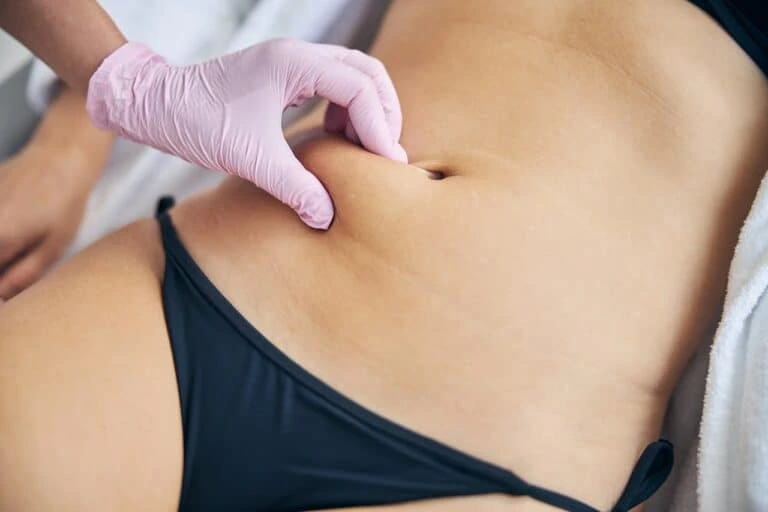
The right choice depends on the main cause, the amount of excess tissue and your plans. People with a small fat pocket and good skin may be well served by lifestyle changes or a non surgical device. Those with loose skin or muscle separation usually need a surgical solution to see a clear difference.
- Have your lower abdomen examined while standing and lying down.
- Ask which of fat, skin and muscle contributes most to the shape.
- Compare the realistic result, recovery time and risks of each option.
- Reach a stable weight and finish family planning before surgery.
- Choose a board certified surgeon in an accredited facility.
Recovery and Results After Lower Belly Surgery
Recovery varies by procedure. After liposuction, swelling and bruising settle over several weeks, and the final contour appears after a few months. After abdominoplasty, most people take one to two weeks away from desk work, avoid heavy lifting for about six weeks and wear a compression garment as advised.
Long term results depend on weight stability and lifestyle. A good surgical result can last for years, but significant weight gain or a later pregnancy can change the shape again. Regular activity, balanced eating and sun protection for the scar help the result to age well.
When to See a Doctor About a Lower Belly Bulge
Most lower belly pooches are harmless, but some bulges need medical attention. A soft lump that appears when you cough or strain and disappears when you lie down can be a hernia, and pain, redness or a lump that cannot be pushed back needs urgent care. Sudden swelling with pain, fever, vomiting or changes in bowel habits should also be checked quickly.
See a doctor if the bulge is new, grows steadily without weight gain, comes with unexplained weight loss or tiredness, or limits movement. A medical review can separate a simple cosmetic concern from a condition that needs treatment, and it gives you a safe starting point for any plan.
Frequently Asked Questions
Why do I have a lower belly pooch even though I am thin?
A lower belly pooch in a thin person is often caused by posture, a forward tilt of the pelvis, separated abdominal muscles after pregnancy or the way fat is stored in the lower abdomen. Diet alone cannot fix these causes, and a physical examination can show which one applies to you.
Will crunches get rid of lower belly fat?
Crunches strengthen the abdominal muscles but do not burn fat from the belly, and they can worsen a bulge when the muscles are separated. A mix of strength training, cardio and deep core exercises works better, and fat loss still depends on your overall energy balance.
Is a mini tummy tuck better than liposuction?
It depends on the cause. Liposuction suits a fat pocket with good skin, while a mini tummy tuck is chosen when there is loose skin or muscle laxity below the navel. A surgeon can recommend the right approach after examining you.
How long do lower belly results last?
Results from surgery can last many years if your weight stays stable. Pregnancy, major weight gain or loss and ageing can change the shape over time, so lifestyle after treatment matters as much as the procedure itself.

 |