Skip to content

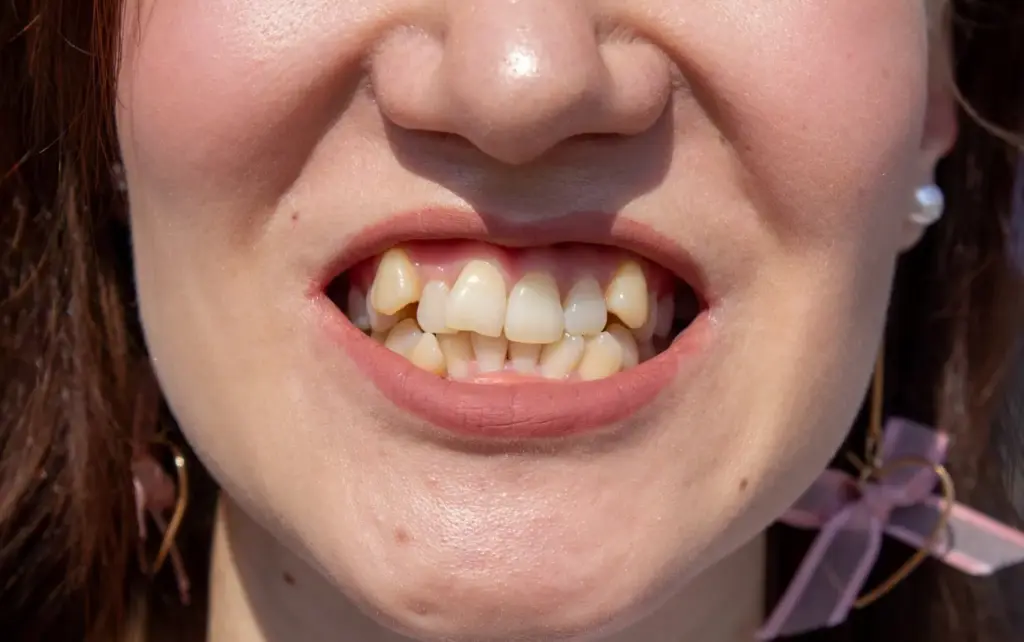
Crooked teeth are one of the most common reasons adults and parents look for dental advice. The teeth may overlap, twist, lean forward or sit out of line with their neighbours, and the problem is often visible in photographs long before it causes any discomfort. Some people live comfortably with mild irregularities for life, while others notice cleaning problems, uneven wear or a bite that does not feel right.
This guide explains what crooked teeth are, why they develop, which problems they can cause and how they are corrected. It compares braces, clear aligners, veneers and bonding, describes how long results last and sets out the signs that suggest a dental check is worth booking soon.
Table of Contents
What Are Crooked Teeth?
Crooked teeth are teeth that do not sit in a smooth, even curve along the upper and lower dental arches. Dentists describe the problem with several terms. Crowding means there is not enough room for all the teeth, rotation means a tooth is turned on its axis, and tilting means it leans toward the cheek, tongue or a neighbouring tooth. Many people have a combination of these patterns.
Get Free Consultation
Have any questions? Leave your details and we'll get back to you shortly.
Crooked teeth are not the same as a bad bite, although the two often occur together. A bite problem, called malocclusion, concerns how the upper and lower teeth meet. A person can have well aligned teeth with a poor bite, or crooked front teeth with a bite that works well, so a proper examination looks at both.
What Causes Crooked Teeth?
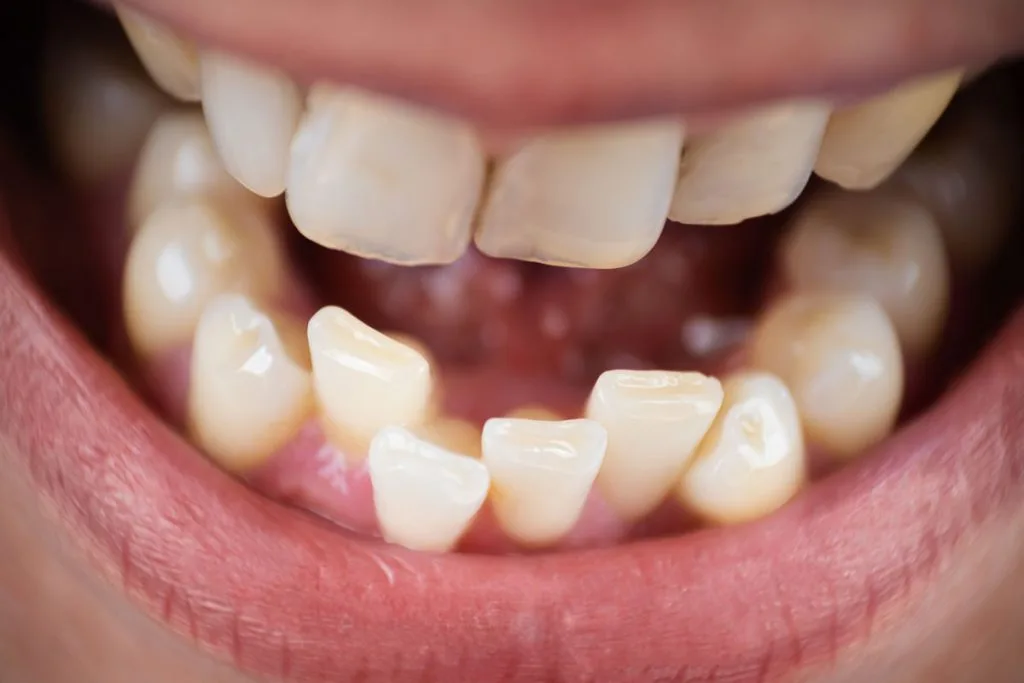
Genetics is the most common cause. Jaw size and tooth size are inherited separately, so a child can receive small jaws from one parent and large teeth from the other, which leaves too little space. This is why crowding often runs in families and why it appears even in people who have taken excellent care of their teeth.
Habits and events during childhood also matter. Prolonged thumb sucking, long use of a dummy, mouth breathing and early loss of baby teeth can all shift teeth out of position. In adulthood, gum disease, missing teeth that are not replaced, wisdom teeth pressure and teeth grinding can move teeth that were straight before. Facial injuries and some jaw growth differences add further causes.
Types of Crooked Teeth and Typical Treatments
Not all irregularities need the same solution. The table below compares the main types of alignment problems and the options dentists usually discuss.
| Type of problem | What it looks like | Common treatment |
|---|---|---|
| Crowding | Overlapping or twisted teeth with little space | Braces or clear aligners, sometimes with small spacing steps |
| Gaps | Spaces between teeth | Aligners, braces, bonding or veneers |
| Rotated teeth | A tooth turned sideways | Aligners with attachments or braces |
| Overbite or underbite | Upper or lower teeth sit too far forward | Braces, aligners or jaw guidance, surgery in severe cases |
| Crossbite | Some upper teeth sit inside the lower teeth | Expanders, braces or aligners |
| Minor edge irregularities | Slightly uneven tooth edges | Polishing, bonding or veneers |
Can Crooked Teeth Cause Health Problems?
Crooked teeth are not always a health problem, but they can make daily care harder. Overlapping surfaces trap plaque, and a toothbrush or floss may not reach every area. Over time this can raise the risk of cavities and gum inflammation, especially where teeth are tightly crowded.
An uneven bite can also place extra force on particular teeth. This may lead to chipping, flattened edges, tooth sensitivity or tension in the jaw muscles. Some people with a significant bite problem report jaw joint discomfort or difficulty chewing. These effects vary a great deal, which is why a dentist judges the need for treatment individually and not only by appearance.
When Should Crooked Teeth Be Straightened?
Treatment is worth considering when crooked teeth affect cleaning, comfort, function or confidence. Many adults seek straightening because they simply want a smile they feel good about, and that is a valid reason. Others are advised to treat because crowding is damaging gum health or because a bite problem is wearing the teeth down.
Children are often assessed by an orthodontist around the time the permanent teeth come in, and early guidance can sometimes reduce the need for complex treatment later. Adults can be treated at almost any age, provided the gums and bone are healthy. Anyone who has gum disease needs that treated first, because moving teeth in inflamed gums is unsafe.
Braces for Crooked Teeth
Fixed braces use small brackets bonded to the teeth and a wire that guides them into position. They are effective for almost every type of crowding, rotation and bite problem, including complex cases where teeth need to move a long distance or be rotated significantly. Modern brackets are smaller than older versions, and ceramic or tooth coloured options are less noticeable.
Braces need regular adjustment visits, usually every four to eight weeks, and they require careful cleaning around the brackets. Sticky and hard foods can break them. Treatment commonly lasts from one to three years depending on the problem. Because the appliance is fixed, it works day and night without depending on the patient to wear it.
Clear Aligners for Crooked Teeth
Clear aligners are a series of transparent trays that move the teeth in small steps. Each tray is worn for roughly one to two weeks before the next one is used. They can be removed for eating and brushing, which makes cleaning simpler, and they are less visible than metal braces, so many adults prefer them.
Aligners work best for mild to moderate crowding, gaps and some rotations. They need to be worn for around twenty two hours a day to work as planned, so success depends on discipline. More severe bite problems or complex tooth movements may need braces or a combined approach, and a dentist can advise which suits your case.
Veneers and Bonding for a Straighter Look
Veneers and bonding do not move teeth. They change the visible shape of the tooth surface to create a more even appearance. Bonding uses tooth coloured composite resin shaped directly onto the tooth, while veneers are thin shells of porcelain or composite made to fit the front of the tooth.
These options can be quicker than orthodontic treatment and are suited to minor irregularities, small gaps or uneven edges. They are not ideal when crowding is significant, because covering overlapping teeth can lead to bulky shapes or gum problems. In many cases dentists suggest aligning the teeth first and then refining the shape with bonding or veneers.
Retainers and Keeping Teeth Straight
Teeth tend to drift back toward their old position after treatment, so retention is an essential last step. A retainer is a thin wire bonded behind the front teeth or a clear removable tray worn at night. Without it, even a perfect result can slowly relapse.
Your dentist will explain how long to wear the retainer and when to replace it. Many people continue night wear for years. A retainer is inexpensive compared with the cost of repeating treatment, and it protects the investment in your smile.
Choosing the Right Treatment for Crooked Teeth
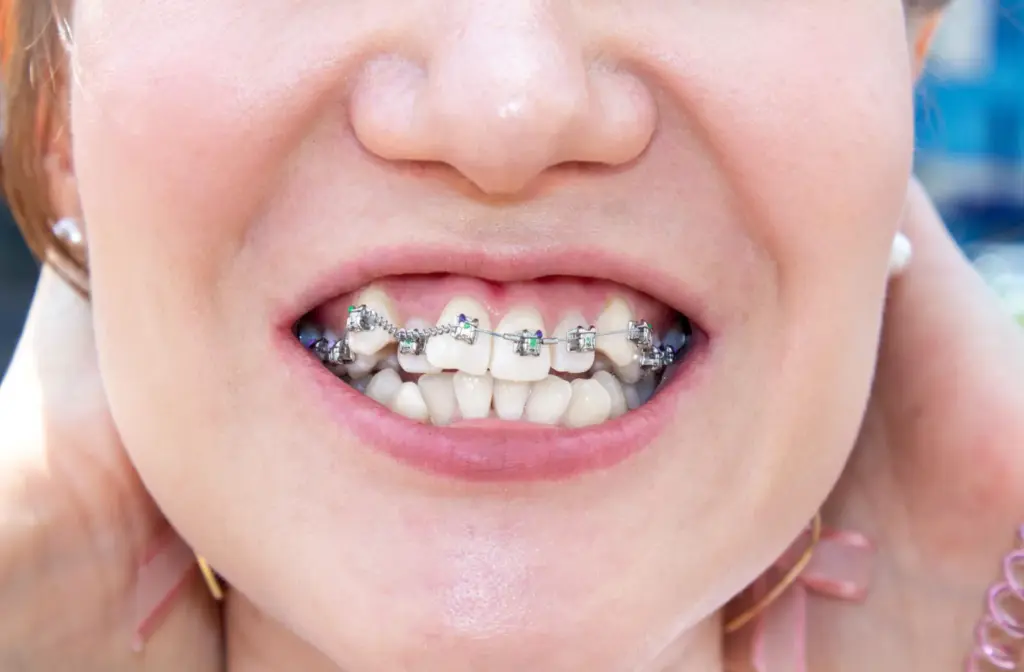
The best option depends on the cause, the severity of the problem, your age, your health and your goals. A thorough assessment usually includes photographs, X rays and an impression or digital scan of the teeth, followed by a plan that shows what is possible.
- Book an examination to check teeth, gums and bite.
- Ask what is causing the crooked teeth and whether the bite is affected.
- Compare braces, aligners and cosmetic options for your type of problem.
- Ask how long treatment will take, how often visits are needed and how retention works.
- Confirm the full plan and what happens if the teeth move after treatment.
Caring for Crooked Teeth During and After Treatment
Good hygiene matters more than ever while teeth are being moved. Brushing after meals, using interdental brushes or floss threaders and attending scheduled cleanings reduce the risk of cavities and gum irritation. People who wear aligners should clean the trays daily and brush before putting them back in.
After treatment, keep wearing retainers as advised, avoid biting on hard objects and treat teeth grinding with a night guard if recommended. Regular check ups let the dentist catch small shifts early, when they are easiest to correct.
When to See a Dentist About Crooked Teeth
See a dentist if a tooth has recently moved, if teeth have become more crowded without an obvious reason or if chewing has become uncomfortable. New gaps, loose teeth and bleeding gums can be signs of gum disease, which needs treatment before any alignment work.
It is also worth booking a check if a child has crooked permanent teeth, a persistent habit such as thumb sucking or difficulty closing the lips. Early advice often keeps treatment simpler. Adults who have always felt unhappy with their smile can ask for a consultation to learn which options are realistic.
Frequently Asked Questions
Are crooked teeth only a cosmetic problem?
Not always. Mild irregularities are often cosmetic, but crowded or rotated teeth can trap plaque and make cleaning harder, and an uneven bite can wear teeth or strain the jaw. A dentist can tell you which category applies to you.
Can adults straighten crooked teeth?
Yes. Adults can be treated with braces or clear aligners at almost any age as long as the gums and bone are healthy. Treatment may take a little longer than in teenagers, and retainers are especially important afterwards.
How long does it take to straighten crooked teeth?
Mild cases with clear aligners can take around six to twelve months, while braces for more complex problems commonly take one to three years. The exact time depends on the severity, the method and how well the instructions are followed.
Will crooked teeth move back after treatment?
They can if a retainer is not worn. Teeth naturally tend to drift over time, so retainers are advised to hold the new position. Following your dentist’s retention plan keeps the result stable for many years.

 |