Skip to content
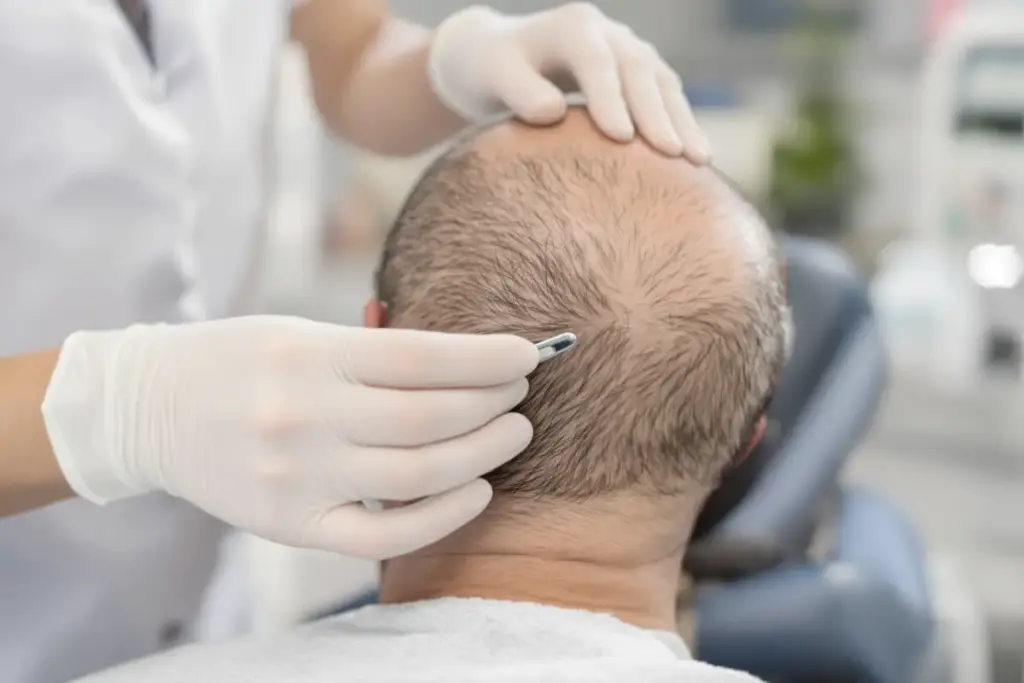
Androgenetic alopecia and progressive hairline recession prompt hundreds of thousands of men and women each year to seek permanent follicular restoration. While advanced surgical methods such as Sapphire Follicular Unit Extraction (FUE) and Direct Hair Implantation (DHI) offer high graft survival rates, patients planning their procedure frequently grapple with procedural timing. A primary concern among prospective patients revolves around weather conditions: Does intense summer heat compromise newly implanted grafts? Does winter cold impair scalp circulation?
When patients explore clinical feasibility, they routinely ask which is the best season for hair transplant, research the best time of year to get a hair transplant in turkey, search for the ideal time for hair transplantation to coordinate work leave, evaluate clinical safety by asking is summer safe for hair transplant, and weigh the distinct pros and cons of winter versus summer recovery. This clinical guide breaks down biological graft healing, seasonal environmental risks, recovery benchmarks, and travel pricing variables.
Table of Contents
Which Is the Best Season for Hair Transplant?
From a strictly biological and surgical standpoint, human hair follicles do not operate on a seasonal hibernation clock. Modern follicular extraction and implantation can be performed successfully 365 days a year with identical long-term success rates (typically 95 to 98 percent graft survival).
Get Free Consultation
Have any questions? Leave your details and we'll get back to you shortly.
However, the best season for hair transplant is determined by your personal schedule, lifestyle, post-operative compliance, and ability to manage environmental variables:
- Graft Viability Is Season-Independent: Hair grafts survive based on cellular hydration, atraumatic handling, graft holding solutions, and revascularization within the first 72 hours, not ambient outdoor temperatures.
- The Real Variable Is Behavioral Compliance: In summer, patients must strictly avoid direct sun exposure and swimming. In winter, patients must avoid tight woolen beanies and indoor overheating.
- Social and Work Calendar Alignment: Because visible crusting, redness, and the temporary “shock loss” phase span the first two to three months, many individuals choose their surgery date based on when they can take annual leave or work remotely.
The Ideal Time for Hair Transplantation: Season-by-Season Breakdown
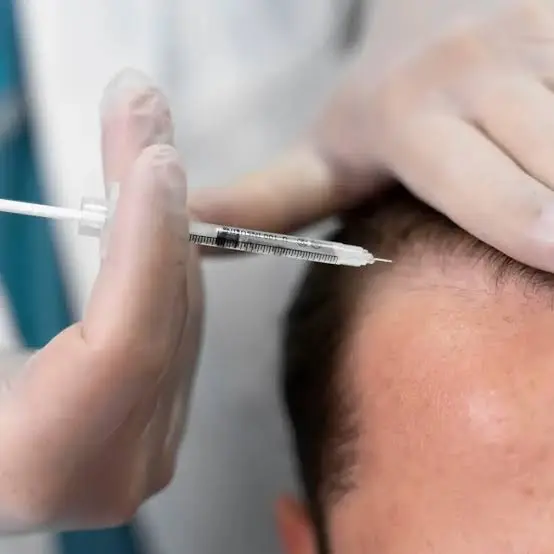
Understanding how each season impacts post-operative recovery helps you select the timeframe that matches your daily routine:
1. Autumn (September to November): The Balanced Sweet Spot
Many trichologists consider autumn the ideal time for hair transplantation:
- Mild Temperatures: Moderate climate reduces excessive sweating while avoiding the need for heavy, abrasive headwear.
- Diminishing UV Index: Sun intensity drops significantly, lowering the risk of post-inflammatory hyperpigmentation on the healing scalp.
- Optimal Holiday Timing: Having surgery in autumn allows the initial shedding phase (weeks two to eight) to finish before spring and summer social events, revealing noticeable new growth within six months.
2. Winter (December to February): Maximum Discretion
Winter is exceptionally popular for medical travelers seeking complete privacy:
- Easy Concealment: Cooler weather allows patients to stay indoors comfortably. If going outdoors after the first ten days, loose-fitting, non-abrasive hoods or adjustable fishing-style hats can be worn without looking out of place.
- Minimal Sweating: Sweat-induced itching and follicular inflammation (folliculitis) risks are substantially lower in colder climates.
- Indoor Recovery: Long winter evenings encourage rest, hydration, and adherence to gentle washing routines.
3. Spring (March to May): Rejuvenation Ahead of Summer
Spring offers favorable environmental conditions similar to autumn:
- Pleasant Weather: Mild outdoor conditions prevent scalp irritation.
- Full Maturation by Next Year: Grafts implanted in spring will reach complete density and maturation within 12 months, timed perfectly for the subsequent summer season.
4. Summer (June to August): Is Summer Safe for Hair Transplant?
A common misconception is that warm weather ruins hair grafts. In reality, is summer safe for hair transplant? Yes, absolutely. However, summer demands strict adherence to aftercare rules:
- Accelerated Skin Cell Regeneration: Higher ambient humidity and warmth can promote microcirculation and faster superficial scalp healing.
- The Vacation Window: Many professionals utilize extended summer holidays to recover without taking sick leave from work.
- Mandatory Precautions: Direct, unprotected sun exposure on the bare scalp is strictly prohibited for at least four weeks. Swimming in chlorinated pools, salt water, and ocean surf must be avoided for four to six weeks to eliminate infection risks.
Best Time of Year to Get a Hair Transplant in Turkey
For international patients traveling abroad, evaluating the best time of year to get a hair transplant in Turkey involves weighing weather comfort against tourism density:
- Spring and Autumn (March to May & September to November): These months provide the ideal climate for exploring Istanbul or Antalya. Mild daytime temperatures (18 to 24 degrees Celsius) make airport transit and city strolls comfortable while minimizing sweat buildup under post-operative bandages.
- Winter Months (December to February): Medical travel demand remains steady, but international flight tickets and boutique hotel rates are often more competitive compared to peak summer tourism months.
- Summer Peak (June to August): While clinical operations run at full capacity in climate-controlled, hospital-grade surgical theaters, patients visiting coastal destinations must resist the temptation to sunbathe or swim during their recovery window.
Managing Seasonal Risks: Summer Sun vs. Winter Headwear
Regardless of the calendar month you choose, specific environmental threats must be controlled:
- Direct Sunlight and UV Radiation (Summer Threat): Ultraviolet light damages healing epithelial cells and can permanently discolor tender recipient channels. Always wear a loose, wide-brimmed safari hat (after day 10) or remain in shaded areas. Apply mineral sunscreen only after the recipient site has completely closed (usually after one month).
- Scalp Perspiration and Sebum Accumulation (Summer Threat): Heavy sweating can irritate micro-incisions and foster fungal or bacterial overgrowth. Stay in air-conditioned environments during the initial seven to ten days and avoid strenuous cardiovascular workouts.
- Abrasive Winter Hats and Friction (Winter Threat): Pulling a tight woolen beanie over newly placed follicular units can dislodge grafts during the first nine days. If headwear is necessary in cold weather, choose loose, structured hats that rest on the forehead and nape of the neck without touching the recipient crown or hairline.
- Indoor Dry Air and Heating (Winter Threat): Central heating dries out ambient air, causing scalp tightness and itching. Use prescribed saline hydration sprays to keep the implanted zone comfortably moisturized.
Comparative Matrix: Hair Transplant Across the Four Seasons
| Seasonal Parameter | Autumn (Sept – Nov) | Winter (Dec – Feb) | Spring (Mar – May) | Summer (Jun – Aug) |
| Temperature & Comfort | Mild and very comfortable | Cool to cold | Mild and pleasant | Warm to hot |
| Sweat & Seborrhea Risk | Very low | Lowest | Low | Moderate to high |
| Sun / UV Protection Effort | Low to moderate | Minimal | Moderate | High (strict shade required) |
| Discretion & Concealment | Good | Highest (staying indoors) | Good | Moderate |
| Swimming Feasibility | Restricted for 4-6 weeks | Not applicable | Restricted for 4-6 weeks | Restricted for 4-6 weeks |
| Graft Survival Rate | 95 to 98 percent | 95 to 98 percent | 95 to 98 percent | 95 to 98 percent |
| Result Timeline for Summer | Mature hair by next summer | Noticeable hair by summer | Early growth by summer | Peak density by next year |
What Determines the Cost of a Hair Transplant in Turkey?
While seasonal timing influences personal travel convenience, hair restoration pricing in Turkey is determined by clinical, procedural, and technological factors rather than the time of year:
- Number of Follicular Units (Grafts): Procedures range from minor hairline lowering (1500 to 2000 grafts) to extensive megasessions covering the mid-scalp and crown (4000 to 5000 grafts).
- Surgical Technique Employed: Standard micro-FUE carries a different equipment cost compared to Sapphire FUE (using gemstone blades for finer incisions) or Direct Hair Implantation (DHI using Choi implanter pens for unshaven high-density placement).
- Surgeon Involvement and Clinical Accreditation: Clinics led directly by certified plastic surgeons, dermatologists, or members of the International Society of Hair Restoration Surgery (ISHRS) command fees reflecting their clinical oversight compared to technician-only operations.
- All-Inclusive Travel Package Components: Package tiers vary based on hotel star rating (four-star vs. five-star luxury suites), duration of stay (typically three to four nights), private VIP chauffeur transfers, hyperbaric oxygen therapy sessions, and premium post-op shampoo and vitamin supplies.
- Seasonal Travel Expenses: While clinical treatment package fees remain stable year-round, your personal flight costs will naturally fluctuate between peak summer tourist seasons and off-peak winter travel periods.
Frequently Asked Questions (FAQ)
Can hot summer weather cause transplanted hair grafts to fall out?
No. Once follicular units are inserted into recipient incisions, fibrin clotting secures them firmly within the scalp by day eight to ten. Normal ambient heat does not dislodge grafts. However, intense direct sun exposure can cause thermal injury to healing skin, and excessive sweating can trigger itching. Staying in air-conditioned spaces for the first week prevents these issues completely.
How soon after a hair transplant can I swim in the sea or a pool?
You must wait at least four weeks before swimming in the ocean or sea, and four to six weeks before entering chlorinated swimming pools or hot tubs. Chlorine and public pool water contain harsh chemicals and bacteria that can infect open micro-wounds, while ocean salt water can cause severe stinging and tissue dehydration on a tender scalp.
When will my hair look completely natural after surgery?
Hair growth follows a biological cycle regardless of season. Transplanted hairs typically shed between weeks two and eight (shock loss). New permanent hair shafts begin sprouting around month three to four. Noticeable visual density emerges between months six and eight, and final, mature results with full thickness and natural texture are achieved between twelve and fifteen months.
Can I wear a winter beanie to hide my head right after surgery?
Not immediately. During the first seven to nine days, grafts are exceptionally fragile and can be snagged or pulled out by fabric fibers. Avoid touching the recipient zone with tight woolen beanies. After day ten, once the grafts are biologically anchored and scabs have been washed away, you may wear a loose, clean, breathable cotton hat that does not compress the treated areas.

 |
|