Skip to content
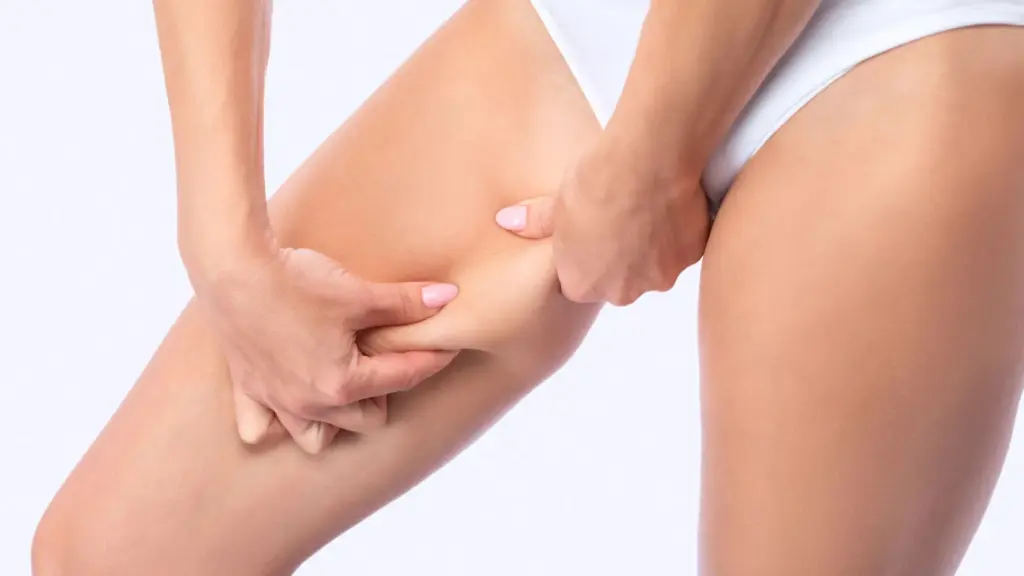
Massive weight loss through bariatric procedures, medical lifestyle regimens, or the natural loss of dermal elasticity through aging often leaves behind substantial soft tissue laxity across the lower extremities. The upper and inner thighs are exceptionally susceptible to this structural breakdown. As dermal collagen breaks down and elastin fibers lose their tensile memory, deflated skin envelopes droop downward, creating heavy, overlapping cutaneous folds. Beyond aesthetic concerns, redundant thigh skin produces painful skin-on-skin friction, chafing during ambulation, chronic intertrigo, and moisture-associated fungal rashes in the groin. Because stretching permanently compromises the mechanical elasticity of the skin, strength training cannot eliminate excess cutaneous tissue. For definitive lower-body contouring, thigh lift surgery (thighplasty) provides a proven plastic surgery solution.
Individuals considering body contouring routinely investigate what is a thigh lift surgery, explore the surgical steps of the thigh lift surgery procedure, evaluate specific indications for medial thigh lift surgery, examine long-term results in thigh lift surgery before and after portfolios, consider international healthcare packages for thigh lift surgery Turkey, and analyze clinical variables that influence the overall thigh lift surgery cost. This clinical guide examines anatomical classifications, surgical approaches, scar management, and pricing dynamics.
Table of Contents
What Is a Thigh Lift Surgery and How Does It Work?
When researching what is a thigh lift surgery, it is defined as a specialized body contouring operation designed to excise redundant, loose skin and stubborn subcutaneous adipose deposits from the inner and outer thighs, re-establishing a firm, well-proportioned contour that flows smoothly from the groin to the knee.
Get Free Consultation
Have any questions? Leave your details and we'll get back to you shortly.
An operative thighplasty accomplishes structural tightening through several anatomical steps:
- Liposuction Defatting: Board-certified plastic surgeons often begin by performing tumescent, power-assisted, or VASER ultrasound liposuction along the medial thigh. This debulks excess subcutaneous fat while preserving critical lymphatic channels, sensory cutaneous nerves, and major blood vessels.
- Cutaneous Redundancy Excision: The loose skin envelope is precisely measured, tailored, and excised along pre-marked tension vectors to avoid compromising blood circulation.
- Deep Fascial Anchoring: A cornerstone of modern thighplasty is anchoring the deep superficial fascial system (SFS) of the lifted thigh directly to the rigid periosteum of the pubic ramus or Colles’ fascia in the perineum using heavy, non-absorbable or slow-absorbing sutures. This structural anchoring prevents the surgical scar from migrating downward or pulling the labia or scrotum outward.
- Multi-Layered Anatomical Closure: The subcutaneous tissue and skin margins are closed under tension-free superficial conditions using multiple layers of absorbable sutures, followed by the application of medical skin adhesives and sterile surgical tapes.
Surgical Techniques: Tailoring Incisions to Skin Laxity
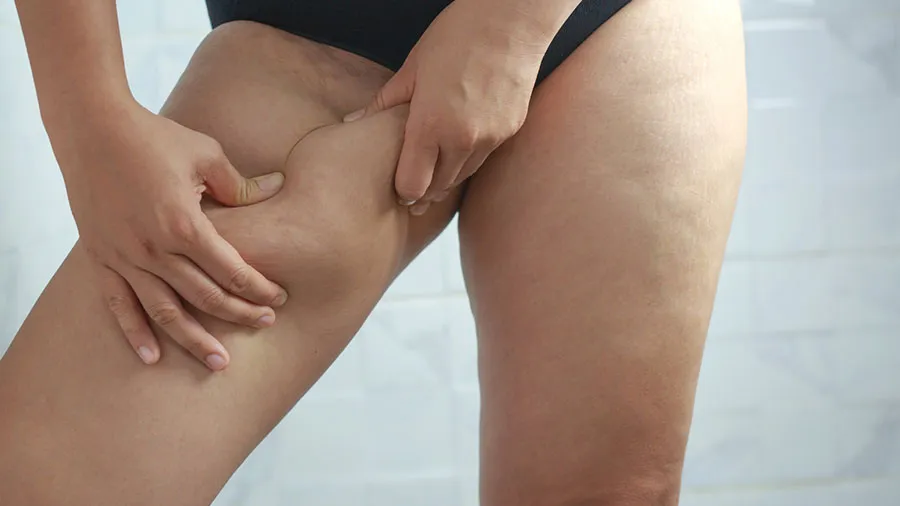
Because the distribution of skin laxity varies widely between individuals, plastic surgeons customize the thigh lift surgery procedure based on the patient’s anatomical presentation:
1. Crescent (Horizontal or Groin Crease) Thigh Lift
Designed for patients with mild to moderate skin laxity confined strictly to the upper third of the inner thigh. The incision is placed horizontally within the natural crease of the groin, extending from the groin fold backward into the gluteal crease beneath the buttock. Because the incision lies entirely within natural anatomical creases, it is easily concealed beneath underwear or bikini bottoms.
2. Medial (Vertical or T-Shaped) Thigh Lift
The definitive approach for moderate to severe skin laxity extending from the groin down toward the knee, common in post-bariatric patients. In a medial thigh lift surgery, a vertical incision runs along the inner seam of the leg, from the groin crease down to the medial aspect of the knee. When significant horizontal and vertical laxity coexist, a T-shaped incision combining the groin crease and vertical component is performed.
3. Spiral (Total Circumferential) Thigh Lift
Indicated for massive weight loss patients presenting with generalized laxity across the anterior, posterior, inner, and outer thighs. The incision starts in the groin, sweeps over the hip crest, and continues around the lower buttock fold, addressing outer thigh laxity and buttock ptosis simultaneously as part of an extended lower body lift.
Recovery Expectations: Post-Operative Healing Roadmap
Understanding the biological healing timeline ensures a smooth recovery and protects surgical incision lines from mechanical strain:
- Days 1 to 3 (Acute Phase): Patients wear a customized compression garment extending from the waist to below the knees. Temporary surgical drains are typically placed in the lower groin to collect excess lymphatic fluid and blood; these are monitored and removed once drainage falls below twenty to thirty milliliters per day (usually on day two or three). Mild bruising and swelling are normal, and discomfort is controlled with prescribed analgesics.
- Days 4 to 7 (Early Ambulation): Short, gentle walks around the home are essential to promote venous circulation in the legs and prevent deep vein thrombosis (DVT). Patients should avoid spreading their legs wide, climbing steep stairs, or sitting on low chairs to prevent tension on the groin sutures.
- Weeks 2 to 3 (Incision Care): Skin sutures heal, and external swelling begins to subside. Patients can comfortably shower with lukewarm water, patting the incisions dry. Most individuals working sedentary desk jobs return to work at this stage.
- Weeks 4 to 6 (Tissue Stabilization): Compression garments can typically be discontinued after six weeks upon surgeon clearance. Gentle cardiovascular exercise, such as stationary cycling, can be resumed, but heavy leg presses, deep squats, and running should be avoided until week eight.
- Months 6 to 12 (Scar Maturation): Incisions soften, flatten, and fade from pinkish-red to fine, pale lines with the diligent application of medical-grade silicone sheets and scar massage.
Clinical Transformations: Thigh Lift Surgery Before and After
Examining documented thigh lift surgery before and after portfolios demonstrates substantial functional and cosmetic improvements:
- Elimination of Painful Chafing: Removing rubbing skin folds ends painful friction burns, enabling comfortable walking, running, and athletic activities without protective chafing shorts.
- Balanced Lower Body Proportions: Bulky, disproportionate inner thighs are sculpted into slender, defined leg contours that match the upper body.
- Freedom in Clothing Choices: Patients can comfortably wear fitted denim, tailored trousers, athletic leggings, shorts, and swimwear without bulging or fabric gathering.
- Resolution of Chronic Skin Infections: Removing warm, moist skin folds completely resolves recurrent fungal infections, maceration, and skin rashes in the groin.
Essential Post-Operative Safety and Incision Care Guidelines
- Wear Medical Compression Garments Consistently: Medical-grade compression pants or girdles must be worn around the clock for four to six weeks to minimize fluid collection, stabilize reshaped tissues, and alleviate mechanical tension on healing incisions.
- Limit Hip Abduction and Wide Stances: Avoid spreading your legs wide, squatting, or taking wide strides for at least four weeks to prevent wound edge separation in the groin.
- Maintain Strict Perineal Hygiene: The groin incision sits close to the genital and anal regions, making diligent hygiene critical. Cleanse the area gently with antibacterial washes and pat dry after using the restroom.
- Strictly Avoid Smoking and Nicotine: Nicotine severely impairs microvascular perfusion to the skin flaps, drastically increasing the risk of wound dehiscence and tissue necrosis in the high-tension groin area.
Comparative Matrix: Thigh Contouring Modalities
| Clinical Parameter | Crescent (Horizontal) Thigh Lift | Vertical Medial Thigh Lift | Circumferential (Spiral) Thigh Lift | VASER Liposuction Alone |
| Primary Indication | Mild laxity in upper third of thigh | Moderate to severe full-leg laxity | Severe outer and inner thigh laxity | Excess fat with firm, elastic skin |
| Incision Location | Hidden in groin crease | Inner leg seam (groin to knee) | Groin, hip crest, and buttock fold | Tiny 2 to 3 millimeter punctures |
| Skin Removal | Minimal to moderate | Extensive (horizontal & vertical) | Maximum 360-degree removal | None (skin must retract on its own) |
| Anesthesia Type | General or Sedation with Local | General anesthesia | General anesthesia | General or Sedation with Local |
| Hospital Stay | Day surgery or 1 Night | 1 to 2 Nights | 2 to 3 Nights | Day surgery |
| Downtime from Work | 7 to 10 Days | 14 to 21 Days | 21 to 28 Days | 3 to 5 Days |
| Compression Requirement | 3 to 4 Weeks | 4 to 6 Weeks | 6 to 8 Weeks | 3 to 4 Weeks |
What Determines the Thigh Lift Surgery Cost?
When researching the thigh lift surgery cost or evaluating medical travel arrangements for thigh lift surgery Turkey, prospective patients will find that pricing is personalized based on several clinical, surgical, and logistical variables:
- Surgical Technique and Incision Complexity: A localized crescent thigh lift requires less operative time than an extensive vertical medial thighplasty or circumferential spiral lift addressing both inner and outer thighs.
- Concomitant Liposuction: Incorporating VASER or power-assisted liposuction to sculpt adjacent areas like the knees, hips, or outer thighs adds specialized instrumentation and operating room time.
- Surgeon Specialization and Clinical Experience: Board-certified plastic and reconstructive surgeons with advanced training in post-bariatric body contouring reflect their procedural expertise and low complication rates in their fee structures.
- Operating Room Facilities and Hospital Stay: Accredited hospital surgical suites, board-certified anesthesiologists, and overnight post-operative nursing care are required for comprehensive monitoring.
- Geographic Location and All-Inclusive Healthcare Packages: Operational overhead, malpractice coverage, and currency structures create clear cost variations between private clinics in North America or Western Europe and internationally accredited centers in Turkey. Medical travel packages for a thigh lift in Turkey frequently bundle pre-operative blood panels, hospital stays, surgical garments, medications, five-star hotel lodging for seven to ten nights, and private VIP transfers into structured care arrangements.
Frequently Asked Questions (FAQ)
Can leg workouts or squats get rid of sagging inner thigh skin?
No. While targeted leg exercises build underlying quadriceps, hamstrings, and adductor muscles, strength training cannot eliminate excess cutaneous tissue once skin elastin fibers have been stretched past their physiological threshold. Surgical excision is the only reliable clinical method to permanently remove loose skin folds.
Where will my thigh lift scars be located, and are they noticeable?
For a crescent lift, the scar is hidden within the natural groin crease and remains completely covered by normal underwear or swimwear. For a medial vertical thigh lift, the scar runs along the inner seam of the leg between the groin and the knee. While this vertical line is visible when the bare legs are exposed, it is positioned along the inner aspect of the thigh where it remains hidden from direct front and rear view. Over twelve to eighteen months, the scar fades into a pale, thin line.
How soon after a thigh lift can I return to work and exercise?
Patients working desk or sedentary jobs typically return to work within two to three weeks. Light walking can begin on the first post-operative day to support healthy circulation. However, strenuous leg workouts, running, deep squats, and heavy lifting must be postponed for at least six to eight weeks.
Can a thigh lift be combined with other body contouring procedures?
Yes. Thighplasty is frequently performed as part of a comprehensive post-bariatric reconstruction plan alongside an abdominoplasty (tummy tuck), brachioplasty (arm lift), or breast lift. During clinical evaluation, your plastic surgeon will assess overall operating duration, blood counts, and patient safety parameters to determine whether a combination approach is appropriate in a single surgical session.

 |
|