Skip to content
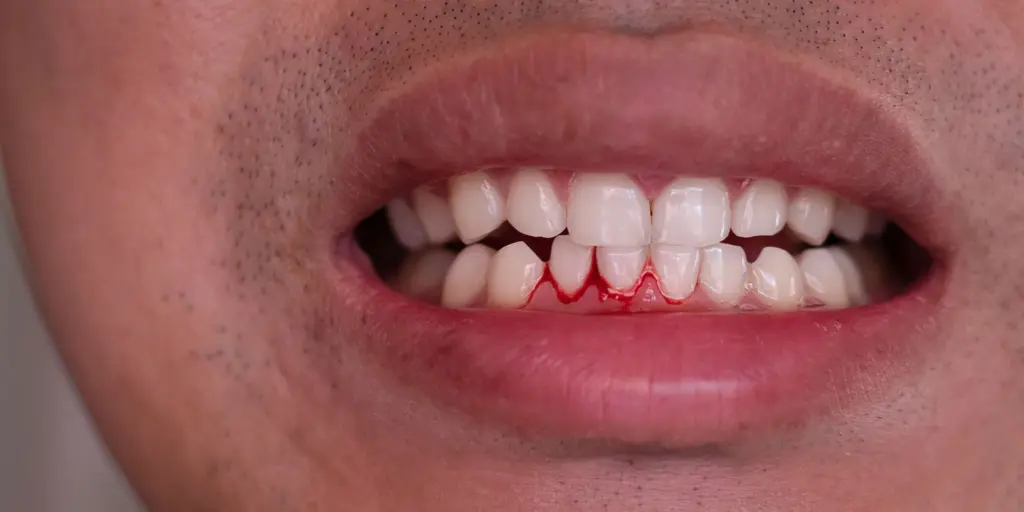
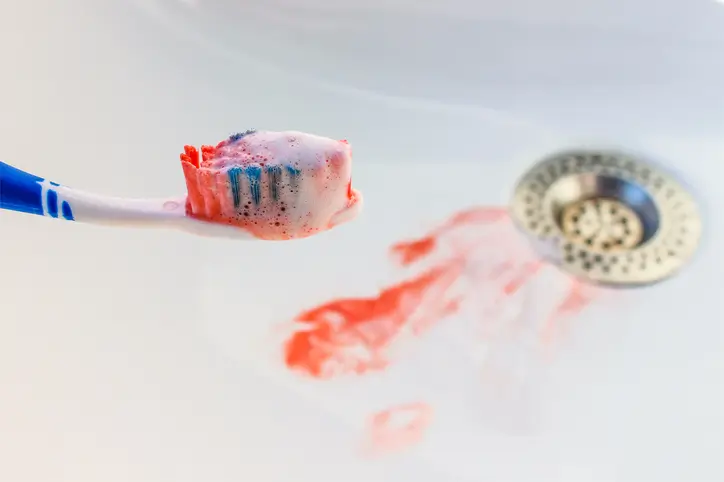
Noticing pink or red traces in the sink after brushing or flossing is one of the most common early warning signs of periodontal distress. While many people dismiss occasional pink saliva as a result of brushing too hard, healthy gum tissue should never bleed during routine oral hygiene.
Bleeding is an active inflammatory signal from your immune system. It indicates that the vascularized tissue supporting your teeth is under stress from bacterial plaque, mechanical trauma, or hormonal fluctuations.
Understanding why your gums bleed is the critical first step in protecting your teeth and long-term oral health. Patients frequently research bleeding gums causes, ask how to stop bleeding gums at home, inquire about professional bleeding gums treatment, look for specialized toothpaste for bleeding gums, and seek guidance on unique conditions like bleeding gums during pregnancy.
Get Free Consultation
Have any questions? Leave your details and we'll get back to you shortly.
This comprehensive medical guide explores the primary triggers behind gingival bleeding, details effective treatment protocols, compares over-the-counter and clinical remedies, and outlines proven daily habits to keep your gum tissue firm, pink, and resilient.
Table of Contents
Understanding Bleeding Gums: Causes and Biological Mechanisms
To effectively reverse gum irritation, we must examine the biological triggers behind tissue breakdown. The primary bleeding gums causes include:
1. Bacterial Plaque Buildup (Gingivitis)
The leading cause of bleeding gums when brushing is the accumulation of sticky, colorless bacterial plaque along the gumline. When plaque is not thoroughly removed daily, bacteria release toxins that irritate, inflame, and swell the delicate gingival tissues (gingivitis). As the body sends extra blood to the region to fight the bacterial infection, microscopic blood vessels dilate and become fragile, causing them to bleed easily under light pressure.
2. Progression to Periodontitis
If gingivitis is left untreated, bacterial plaque hardens into calculus (tartar), which can only be removed by a dental professional. Tartar provides a rough surface for deeper bacterial colonization beneath the gumline. This triggers periodontitis a chronic inflammatory condition that destroys the supporting jawbone and periodontal ligament fibers, leading to tissue recession, deep pockets, and chronic bleeding.
3. Hormonal Fluctuations (Pregnancy Gingivitis)
Hormonal shifts significantly alter vascular sensitivity. Bleeding gums during pregnancy (often referred to as pregnancy gingivitis) is triggered by elevated levels of progesterone and estrogen. These hormones increase blood flow to the gingival tissues and heighten the immune system’s sensitivity to normal levels of bacterial plaque, making gums unusually soft, swollen, and prone to bleeding.
4. Poor Oral Hygiene Techniques and Hard Bristles
Using a toothbrush with hard or stiff bristles, or applying aggressive scrubbing motions, can cause mechanical trauma to delicate soft tissues. Similarly, starting a new flossing routine after a hiatus can temporarily cause minor bleeding as inflamed tissue adapts to interdental cleaning.
5. Nutritional Deficiencies and Systemic Health Factors
Severe deficiencies in Vitamin C (essential for collagen synthesis and tissue repair) or Vitamin K (vital for blood clotting) can increase vascular fragility. Additionally, systemic conditions such as Type 2 diabetes, autoimmune disorders, and the use of blood-thinning medications (anticoagulants) significantly heighten the risk of persistent gingival bleeding.
Symptoms: Recognizing Swollen Bleeding Gums and Early Danger Signs
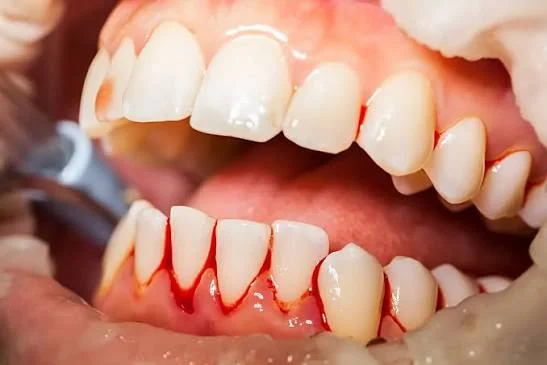
Bleeding rarely occurs in isolation; it is usually accompanied by key inflammatory markers:
- Puffy, Swollen Bleeding Gums: Tissue appears enlarged, soft, and spongy rather than firm and stippled.
- Color Changes: Healthy gums are pale, coral pink. Inflamed, bleeding gums turn bright red, dark crimson, or purplish.
- Persistent Bad Breath (Halitosis): Volatile sulfur compounds produced by anaerobic bacteria accumulating in deep gum pockets.
- Receding Gumline: Teeth appear longer as inflamed tissue detaches and pulls back from the enamel crowns.
- Tenderness When Chewing: Dull aching or tenderness along the gum margin when biting down on firm foods.
How to Treat Bleeding Gums: Clinical Protocols & Daily Care
Reversing tissue inflammation requires a combined approach of professional dental care and diligent home hygiene. Here is an overview of how to treat bleeding gums:
ACTION PLAN FOR BLEEDING GUMS:
1. Professional Dental Hygiene: Schedule a scaling & root planing session to remove hardened tartar.
2. Soft-Bristle Conversion: Switch immediately to an ultra-soft electric or manual toothbrush.
3. Interdental Cleaning: Use water flossers or interdental brushes daily to clear subgingival plaque.
4. Targeted Rinses: Use short-term antibacterial rinses (chlorhexidine or cetylpyridinium chloride).
1. Professional Scaling and Root Planing
If plaque has hardened into calculus, no amount of home brushing will remove it. A dental hygienist or periodontist must perform scaling to remove plaque and tartar above and below the gumline. In advanced cases, root planing is performed to smooth the tooth roots, removing bacterial toxins and allowing the gum tissue to reattach cleanly.
2. Switching to Specialized Toothpaste for Bleeding Gums
Utilizing an effective toothpaste for bleeding gums provides daily therapeutic support. Look for formulations containing:
- Stannous Fluoride: An antibacterial agent that targets and reduces plaque bacteria along the gumline while strengthening enamel.
- Sodium Bicarbonate (Baking Soda): Physical formulations that break up the sticky matrix of plaque biofilm efficiently.
- Zinc and Anti-Plaque Complexes: Ingredients that neutralize volatile sulfur compounds and prevent new plaque formation.
3. Gentle Brushing and Interdental Cleaning
- Brush Gently at a 45-Degree Angle: Angle your soft-bristled brush toward the gumline and use gentle, circular motions rather than harsh horizontal scrubbing.
- Incorporate Water Flossers or Interdental Brushes: Oral irrigators (water flossers) wash away subgingival debris and bacteria without causing mechanical trauma to sensitive, swollen bleeding gums.
4. Antimicrobial Mouth Rinses
Short-term use of therapeutic, alcohol-free antimicrobial rinses containing chlorhexidine gluconate, cetylpyridinium chloride (CPC), or natural essential oils helps suppress bacterial counts in hard-to-reach pockets, speeding up tissue recovery.
Comprehensive Gingival Health Comparison Matrix
| Health Stage | Visual Appearance | Primary Biological Cause | Reversibility | Recommended Intervention |
| Healthy Gums | Firm, stippled, pale coral pink | Balanced oral microbiome, no tartar | N/A (Maintain) | Regular brushing, flossing, biannual checkups |
| Gingivitis | Red, puffy, bleeding gums when brushing | Reversible plaque biofilm buildup | 100% Reversible | Professional cleaning, soft toothbrush, anti-plaque toothpaste |
| Periodontitis | Receding gums, deep pockets, loose teeth | Chronic infection, bone & tissue loss | Irreversible (Manageable) | Scaling & root planing, laser therapy, periodontal maintenance |
| Pregnancy Gingivitis | Bright red, swollen bleeding gums | Hormonal shifts + plaque sensitivity | High (Post-partum) | Gentle hygiene, pregnancy-safe cleanings, stannous fluoride |
Frequently Asked Questions (FAQ)
Is it normal for gums to bleed when I start flossing again after a break?
Yes, it is common to experience mild bleeding during the first 3 to 7 days when you resume flossing after a long break. This occurs because the neglected tissue is inflamed from trapped plaque. However, as you floss daily and clear the bacteria, the tissue should heal and stop bleeding within a week. If bleeding persists beyond 7 to 10 days, consult your dentist.
How to stop bleeding gums during pregnancy safely?
To manage bleeding gums during pregnancy, maintain meticulous oral hygiene using an ultra-soft toothbrush, floss daily, and use an alcohol-free antimicrobial or warm salt-water rinse. Schedule a routine professional dental cleaning during your second trimester, and ensure you use a stannous fluoride toothpaste to keep bacterial plaque levels low without harming your baby.
Can brushing too hard cause bleeding gums, or is it always an infection?
While bacterial infection (gingivitis) is the primary cause, brushing too hard with stiff bristles or applying excessive pressure can cause physical micro-trauma and lacerate delicate gum tissue, causing it to bleed. Always use soft or ultra-soft bristles and apply gentle, light pressure.
When should I see a doctor or dentist about bleeding gums?
You should see a dentist if your gums bleed continuously for more than 7 to 10 days despite gentle brushing and flossing, if your gums are severely swollen, painful, or discharging pus, if you notice teeth becoming loose, or if your gums bleed spontaneously without any brushing or eating pressure.

 |
|