Skip to content
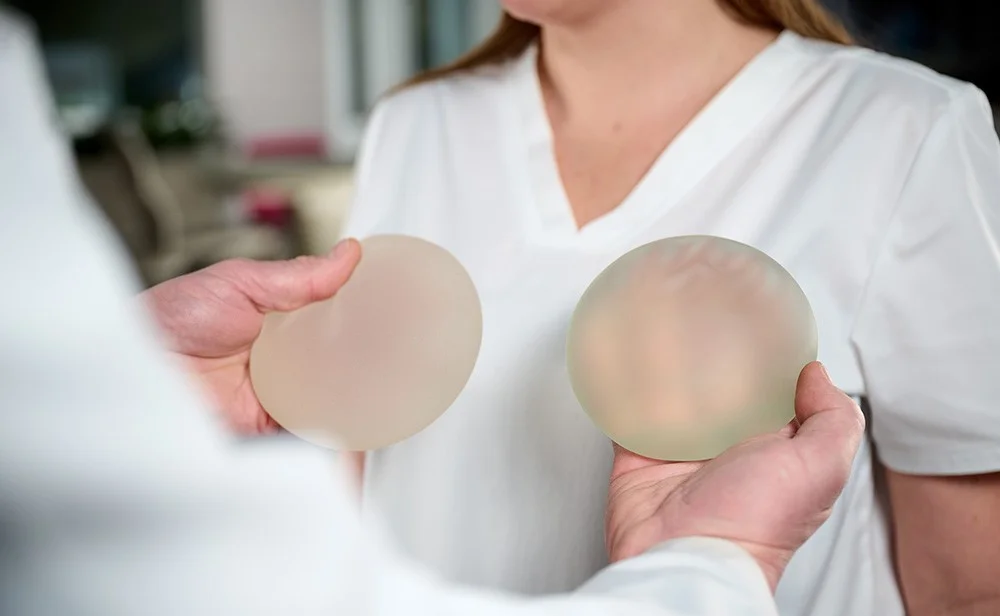
Selecting the appropriate volume for breast augmentation is among the most pivotal clinical and aesthetic decisions in cosmetic surgery. The final aesthetic outcome depends not merely on increasing cup size, but on achieving proportional balance with the patient’s thorax width, shoulder span, torso height, and existing soft tissue envelope.
Unlike traditional lingerie measurements, surgical implants are categorized strictly by cubic centimeters (cc). Navigating the spectrum of different breast implant sizes requires evaluating anatomical parameters alongside personal aesthetic objectives. Patients frequently research silicone breast implant sizes, compare breast implant sizes and shapes, examine breast implant sizes cc distribution charts, assess common breast implant sizes cc, and study breast implant sizes before and after photographic outcomes. This comprehensive clinical guide breaks down volumetric selection, projection profiles, anatomical compatibility, and post-operative tissue adaptation.
Table of Contents
Understanding Volumetric Measurement: Breast Implant Sizes CC
In clinical plastic surgery, bra cup sizes are unsuitable for surgical planning because cup sizing lacks manufacturing standardization across bra brands and band sizes. Instead, plastic surgeons rely on cubic centimeters (cc) as the universal metric of volume.
Get Free Consultation
Have any questions? Leave your details and we'll get back to you shortly.
VOLUMETRIC REFERENCE:
- [1 Full Cup Increase] ≈ 150 cc to 200 cc of volume
Note: A 300 cc implant on a petite, narrow chest may produce a D-cup appearance, whereas the same 300 cc on a wide chest wall may result in a full B or modest C-cup.
Categorization of Common Breast Implant Sizes CC
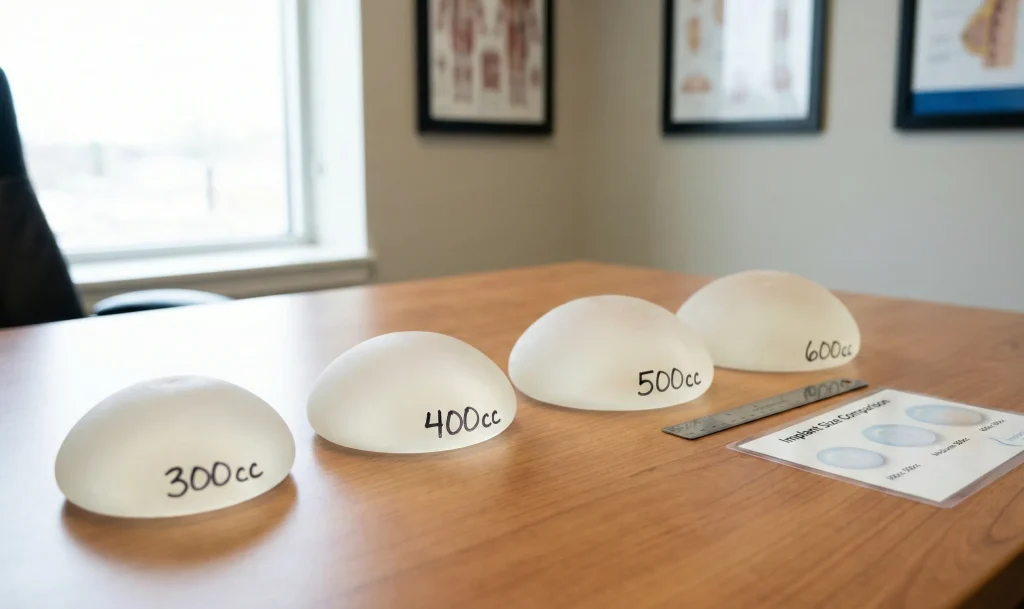
- Small Volumes (150 cc to 250 cc): Typically utilized for subtle enhancements, minor asymmetry corrections, or petite frames requiring minimal soft tissue stretching.
- Medium Volumes (250 cc to 375 cc): The most common breast implant sizes cc selected globally. This range provides a balanced increase of 1.5 to 2 cup sizes while preserving natural soft-tissue margins.
- Large Volumes (375 cc to 500 cc): Designed for patients seeking noticeable fullness, significant upper-pole cleaving, or individuals with broader chest dimensions requiring adequate base width coverage.
- Extra-Large Volumes (500 cc and above): Indicated for specialized reconstruction, bodybuilder aesthetics, or patients with wide torsos requiring expansive base diameter and high projection.
Interplay of Profiles: Breast Implant Sizes and Shapes
Volume alone does not dictate appearance; the relationship between breast implant sizes and shapes determines how forward projection and base width are distributed across the chest wall.
CROSS-SECTIONAL PROJECTION PROFILES:
- Low Profile: Distributes volume across a broad base diameter with minimal forward protrusion. Best suited for patients with wide chest dimensions seeking subtle volume.
- Moderate & Moderate Plus Profiles: The standard choice for natural augmentation. Offers a balanced base width that matches natural breast tissue with progressive forward projection.
- High & Ultra-High Profiles: Projects volume forward from a narrower base width. Ideal for petite frames with narrow chests who desire significant volume without the implant edges extending into the armpits.
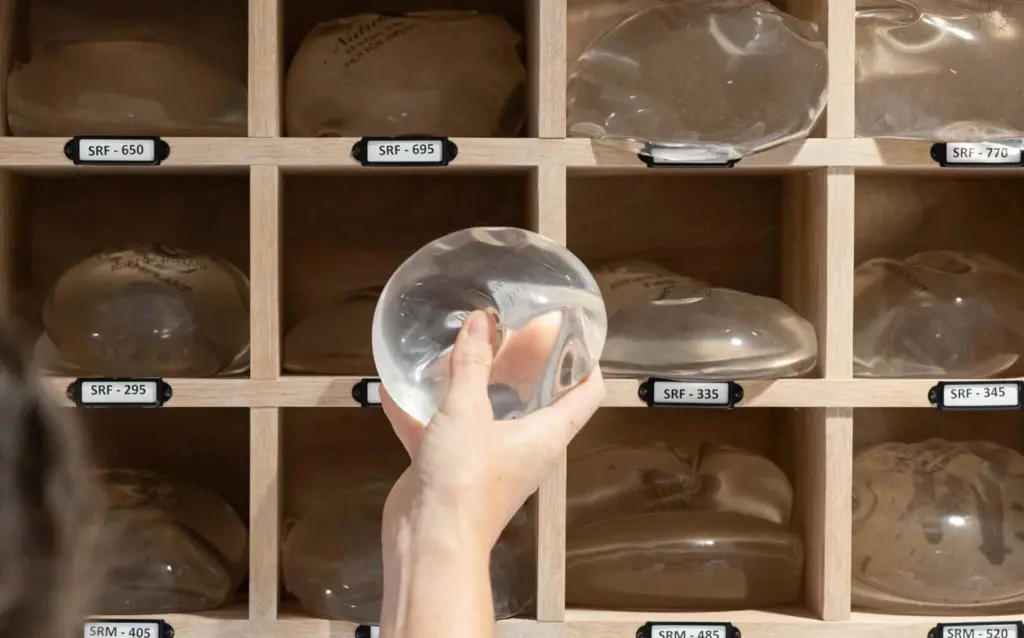
Anatomical Considerations for Silicone Breast Implant Sizes
Selecting among various silicone breast implant sizes requires evaluating key physical constraints to minimize long-term surgical complications:
- Base Width of the Breast (BW): The horizontal diameter of the natural breast footprint. Choosing an implant wider than the natural footprint can lead to lateral displacement, symmastia (unintentional unibreast bridge), or visible implant borders.
- Pinch Test (Soft Tissue Envelope): Measures the thickness of natural subcutaneous fat and glandular tissue. Thinner tissue (less than 2 cm) requires conservative sizing or submuscular placement to prevent visible implant rippling.
- Chest Wall and Rib Symmetry: Pectus excavatum (sunken chest) or pectus carinatum (protruding chest) alters how implant volumes project forward.
- Tissue Elasticity and Stretch Capacity: Overfilling tight, inelastic skin increases post-operative discomfort, elevates the risk of wound dehiscence, and accelerates tissue thinning over time.
Visualizing Outcomes: Breast Implant Sizes Before and After
Analyzing breast implant sizes before and after timelines helps set realistic expectations regarding tissue relaxation and settling:
- Immediate Post-Op (Weeks 1 to 4): Swelling and tight pectoral muscles hold implants high on the chest wall. The breasts often appear artificially round, firm, and larger than the targeted result.
- The “Drop and Fluff” Phase (Months 2 to 3): As muscle fibers stretch and swelling subsides, implants drop naturally into the lower submammary crease, expanding the lower pole and softening the skin envelope.
- Final Aesthetic Equilibrium (Months 6 to 12): The surrounding soft tissues completely relax, scars mature, and the final projection and cup size stabilize.
Comprehensive Breast Implant Size & Profile Matrix
| CC Volume Range | Approximate Cup Change | Base Width Range (cm) | Ideal Patient Profile | Common Projection Type |
| 150–250 cc | 1 Cup | 9.5–11.0 cm | Petite frames, subtle natural augmentation | Moderate / Moderate Plus |
| 250–350 cc | 1.5–2 Cups | 11.0–12.5 cm | Average frame, natural fullness, athletic build | Moderate Plus / High |
| 350–450 cc | 2–2.5 Cups | 12.0–13.5 cm | Broad chest or desire for prominent cleavage | High Profile |
| 450–600 cc+ | 3+ Cups | 13.0–15.0 cm+ | Wide frames, revision surgery, glamour look | High / Ultra-High Profile |
Frequently Asked Questions (FAQ)
How many CCs equal one cup size in breast implants?
On average, approximately 150 cc to 200 cc corresponds to an increase of one full bra cup size. However, this varies depending on the patient’s chest circumference, band size, and the baseline amount of natural breast tissue present before surgery.
What are the most common breast implant sizes in cosmetic surgery?
The most frequently chosen implant sizes range between 300 cc and 380 cc. This volumetric bracket typically delivers a natural 2-cup increase, providing upper-pole fullness while respecting natural anatomical boundaries and tissue elasticity.
Can choosing an implant that is too large cause long-term complications?
Yes. Selecting implants disproportionate to your soft tissue envelope can lead to premature sagging (ptosis), tissue thinning, visible rippling, bottoming out (implant sliding below the crease), chronic back and neck strain, and increased risk of capsular contracture.
How do plastic surgeons determine the correct implant size during consultation?
Surgeons utilize precise anatomical measurements (chest width, tissue thickness, sternal-to-nipple distance), 3D computer simulation software (such as Crisalix or Vectra), and physical sizing kits worn inside a specialized bra to determine optimal volumetric parameters.

 |
|