Skip to content
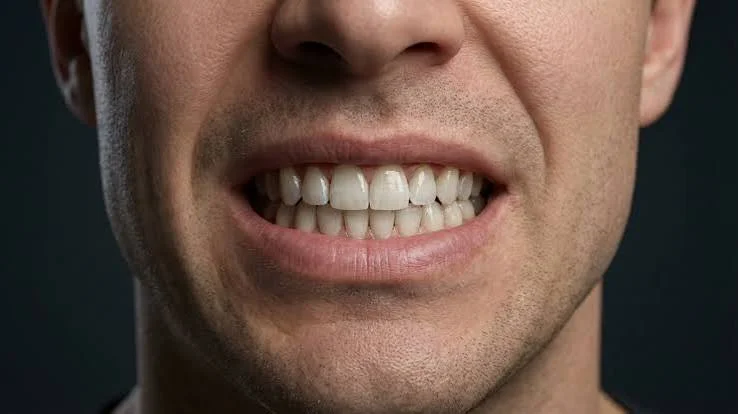
Unconscious teeth grinding and jaw clenching (clinically classified as bruxism) is one of the most widespread neuromuscular dental disorders affecting modern populations. While occasional jaw clenching under extreme physical exertion causes minimal tissue disruption, chronic grinding places immense mechanical load on the teeth, jaw joint, and masseter muscles. Left unmanaged, it leads to fractured enamel, receding gums, temporal headaches, and severe temporomandibular joint (TMJ) dysfunction.
Navigating a diagnosis of bruxism requires understanding why it happens and how to protect your oral structure. Patients often search for explanations regarding what is bruxism, how to identify primary bruxism symptoms, what causes sleep bruxism, and whether a custom bruxism mouth guard or botox for bruxism provides lasting relief. This comprehensive medical guide breaks down the biological triggers behind grinding, compares oral appliances with neurotoxin injections, details effective bruxism treatment options, and explores actionable strategies on how to stop bruxism.
Table of Contents
What Is Bruxism and Why Does It Occur?
To evaluate effective therapeutic pathways, we must first establish a clinical definition: what is bruxism and what triggers this involuntary motor activity? In simple terms, bruxism is the repetitive grinding or clenching of teeth caused by unconscious contractions of the primary masticatory muscles, specifically the masseter and temporalis muscles.
Get Free Consultation
Have any questions? Leave your details and we'll get back to you shortly.
Dentists categorize the condition into two distinct diurnal states:
- Awake Bruxism: Characterized by unconscious clenching of the teeth during waking hours. It is often a subconscious physical reaction to emotional tension, hyper-focus, severe stress, or deep anxiety.
- Sleep Bruxism: Classified as a sleep-related movement disorder. During sleep, an individual involuntarily grinds their upper and lower arches together with tremendous force often up to 250 pounds of pressure per square inch.
Analyzing the Primary Bruxism Causes
Understanding bruxism causes requires looking at a combination of biological, psychological, and lifestyle factors:
- Central Nervous System Arousals: Micro-arousals during sleep cycle transitions trigger rhythmic masticatory muscle activity (RMMA).
- Psychological Stress and Anxiety: High cortisol levels and unmanaged mental strain directly increase baseline muscle tone in the jaw.
- Sleep Apnea and Respiratory Micro-Obstructions: Patients with obstructive sleep apnea (OSA) often unconsciously clench their jaw during sleep to keep the airway open.
- Malocclusion and Misaligned Teeth: Premature contact points between misaligned arches can trigger reflex muscle spasms.
- Substance Use and Medications: High caffeine intake, nicotine, recreational stimulants, and certain prescription antidepressants (specifically SSRIs) significantly elevate grinding rates.
Recognizing the Early Signs: Key Bruxism Symptoms
Because grinding often occurs during sleep, many individuals remain unaware of their condition until significant dental erosion takes place. Monitoring these common bruxism symptoms is essential for early intervention:
- Dull Temporal Headaches: Waking up in the morning with a throbbing ache radiating across the temples or behind the eyes.
- Jaw Soreness and TMJ Stiffness: Tightness, clicking, popping, or painful restrictions when opening the mouth after waking.
- Abnormal Dental Wear and Flat Cusps: Teeth appearing worn down, flattened, chipped, or micro-cracked at the edges.
- Tooth Sensitivity: Heightened sensitivity to hot, cold, or sweet foods due to worn enamel exposing the underlying dentin.
- Hypertrophic Masseter Muscles: Noticeable widening or square-shaped bulkiness along the lower jawline due to overworked muscle tissue.
- Indented Tongue Margins: Wavy, scalloped impressions along the side borders of the tongue caused by forceful pressing against the teeth.
The Primary Shield: Custom Bruxism Mouth Guard Protocols
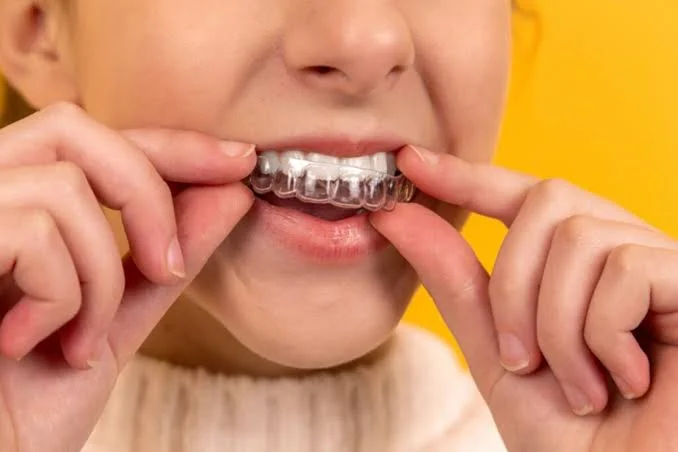
When evaluating a long-term bruxism treatment, the most common non-invasive defense is a professionally fabricated bruxism mouth guard (also referred to as a bruxism guard or night splint).
COMMERCIAL vs. CUSTOM NIGHT GUARDS:
- Over-the-counter “boil-and-bite” guards are soft and flexible.
- They actually stimulate the brain’s chewing reflex, worsening clenching!
- Custom hard-acrylic dental guards redistribute force and protect enamel.
A custom bruxism guard created by a dentist uses a rigid acrylic or dual-laminate material tailored to your precise bite registration. It does not cure the neurological urge to grind, but it works as a physical barrier. By separating the upper and lower arches, it absorbs destructive mechanical forces, prevents enamel wear, reduces pressure on the jaw joint, and prevents tooth fractures.
Advanced Therapy: Botox for Bruxism and Masseter Injections
In recent years, utilizing targeted neurotoxin injections (commonly known as bruxism botox or botox for bruxism) has become a breakthrough clinical treatment for patients who do not respond to traditional night guards.
How Does Masseter Botox Work?
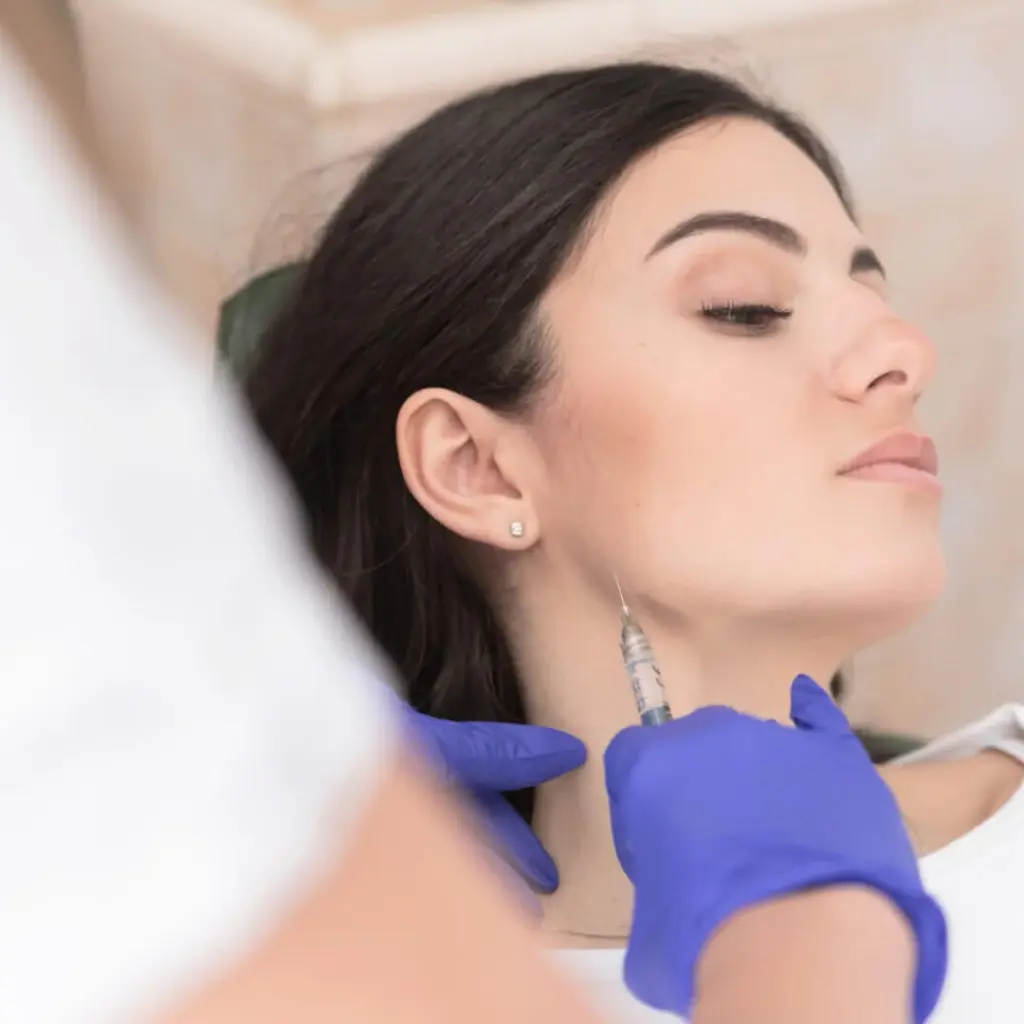
A practitioner injects precise units of botulinum toxin directly into the bilateral masseter muscles. The neurotoxin temporarily blocks acetylcholine signals at the neuromuscular junction. This partially relaxes the muscle, reducing its max voluntary contraction force while preserving normal chewing, speaking, and facial expressions.
Clinical Benefits of Bruxism Botox
- Direct Muscle Deactivation: Reduces involuntary clenching intensity by 60% to 80% within 7 to 14 days post-injection.
- TMJ Pain Relief: Eliminates chronic jaw soreness and morning tension headaches.
- Facial Slimming: Reduces the enlarged, boxy look of hypertrophic masseters, slimming the jawline over time.
- Treatment Lifespan: Results last between 3 and 6 months, requiring routine maintenance injections.
How to Stop Bruxism: Multidisciplinary Management Strategies
If you search personal health journeys online, stories titled “how i cured my bruxism” often emphasize that managing grinding requires an integrated, multi-faceted approach. To learn how to stop bruxism or minimize its impact, implement these lifestyle and clinical strategies:
1. Stress Reduction and Biofeedback Therapy
Practicing evening mindfulness, somatic exercises, and cognitive behavioral therapy (CBT) helps lower nighttime cortisol and calms the central nervous system.
2. Behavioral Jaw Re-Education
Train yourself during waking hours to maintain ideal resting jaw posture: tongue resting gently on the roof of the mouth, teeth slightly apart, and lips closed (“Lips together, teeth apart”).
3. Occlusal Adjustment and Orthodontics
If structural malocclusion triggers grinding, clear aligners or dental adjustments eliminate irregular contact points and equalize biting force.
4. Airway Screening
Undergo a sleep study to rule out obstructive sleep apnea, as treating underlying airway restrictions often eliminates sleep bruxism entirely.
Comprehensive Bruxism Therapeutic Comparison
| Clinical Metric | Custom Hard Acrylic Night Guard | Masseter Botox Injections | Over-the-Counter Soft Guard |
| Primary Mechanism | Physical barrier & force distribution | Neuromuscular muscle relaxation | Basic tooth surface shield |
| Enamel Protection | 100% Effective | Indirect (Reduces grinding force) | Moderate (Prone to quick wear) |
| Pain & Tension Relief | Moderate to High (Relieves TMJ) | Very High (Relieves masseter tension) | Low (May increase chewing reflex) |
| Facial Slimming Effect | None | Yes (Reduces masseter hypertrophy) | None |
| Therapeutic Lifespan | 3 to 10 Years (Durable acrylic) | 3 to 6 Months per application | 1 to 3 Months |
| Clinical Prescription | Dentist-fabricated custom unit | Medical/Dental injector required | None (Drugstore purchase) |
Frequently Asked Questions (FAQ)
What is bruxism and how do I know if I grind my teeth in my sleep?
Bruxism is the involuntary clenching or grinding of teeth. Because sleep bruxism occurs unconsciously, key signs include waking up with dull headaches around the temples, a tight or sore jaw, sensitive teeth, or a bed partner hearing grinding noises at night. A routine checkup by a dentist can confirm the diagnosis by identifying flat, worn enamel surfaces.
Can botox for bruxism alter my natural smile or chewing ability?
When performed by a skilled medical professional who targets the deep masseter muscle correctly, botox for bruxism does not affect your natural smile or normal chewing abilities. The injection weakens only the excessive force of the masseter muscle without interfering with the surrounding facial expression muscles.
Is an over-the-counter night guard as effective as a custom dental bruxism mouth guard?
No. Drugstore “boil-and-bite” guards are made of soft, pliable materials that encourage the brain to chew or bite down, which can worsen muscle activity. Additionally, their bulky fit can shift your bite over time. A hard-acrylic custom guard made by a dentist provides precise force distribution and structural protection without damaging your occlusion.
Can bruxism be cured completely or is it a lifelong condition?
Bruxism is usually managed rather than permanently cured. If your grinding is triggered by temporary factors (such as acute stress, high caffeine intake, or a specific medication) eliminating those causes can stop the condition entirely. However, for chronic sleep bruxism, a combination of custom night guards, stress management, and masseter botox provides long-term control to protect your teeth and jaw.

 |
|