Skip to content
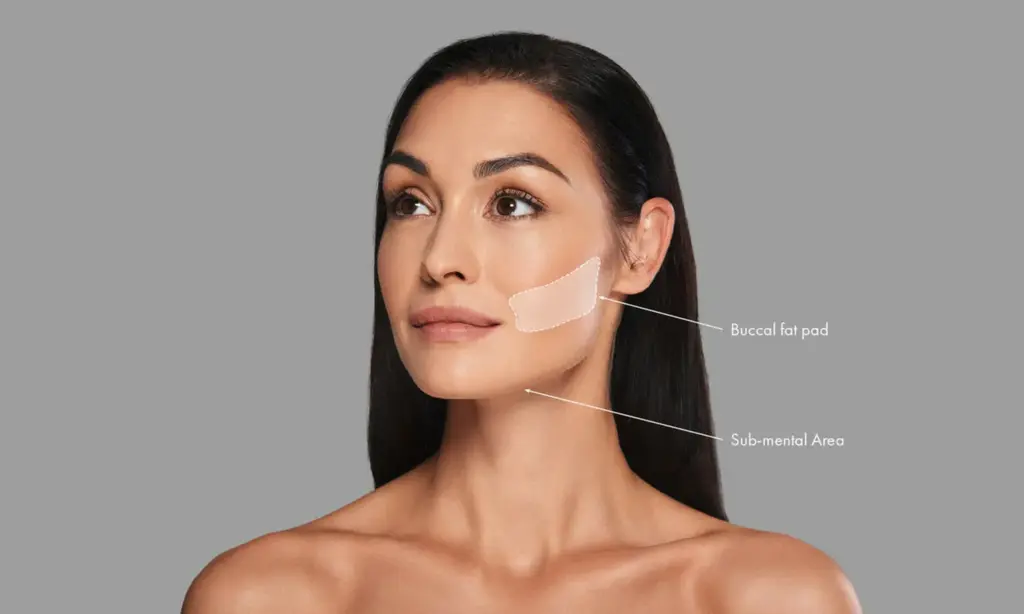
Full, rounded cheeks often described as “baby face” or “chipmunk cheeks” can persist into adulthood regardless of a person’s physical fitness or dietary habits. In many individuals, this fullness is not caused by general weight gain or subcutaneous fat, but by an anatomically distinct, encapsulated pocket of deep adipose tissue known as the buccal fat pad.
For individuals seeking a more sculpted midface with pronounced cheekbone contours and a defined jawline, buccal fat removal (clinically known as a bichectomy) offers a permanent surgical solution.
Table of Contents
What Is Buccal Fat Removal and How Does It Work?
If you are exploring what is buccal fat removal, it is a minor facial plastic surgery procedure designed to thin the lower midface by partially extracting the buccal fat pad (Bichat’s fat pad).
Get Free Consultation
Have any questions? Leave your details and we'll get back to you shortly.
The buccal fat pad sits in the deep facial space beneath the cheekbones, nestled between the buccinator muscle (used for chewing and blowing) and the masseter muscle. Unlike superficial subcutaneous fat, buccal fat is largely resistant to diet and exercise because its primary evolutionary function was to provide cushioning during infant suckling.
ANATOMICAL LAYER PROFILE:
[Outer Skin & Subcutaneous Fat Layer] -> Left untouched
- [Buccinator Muscle]: Gently separated via internal oral incision
- [Buccal Fat Capsule]: Teased outward, trimmed conservatively, and excised
- [Oral Mucosa Closure]: Dissolvable sutures placed inside the mouth (Zero visible scars)
During the procedure, the surgeon makes a small incision (approximately 1 to 1.5 cm) on the inside of the cheek opposite the upper second molar. Gentle external pressure is applied to the cheek, coaxing the encapsulated fat pad to protrude through the incision. The surgeon conservatively excises the protruding volume, cauterizes the base to prevent bleeding, and closes the mucosal lining with absorbable sutures.
Gender-Specific Aesthetics: Buccal Fat Removal Men
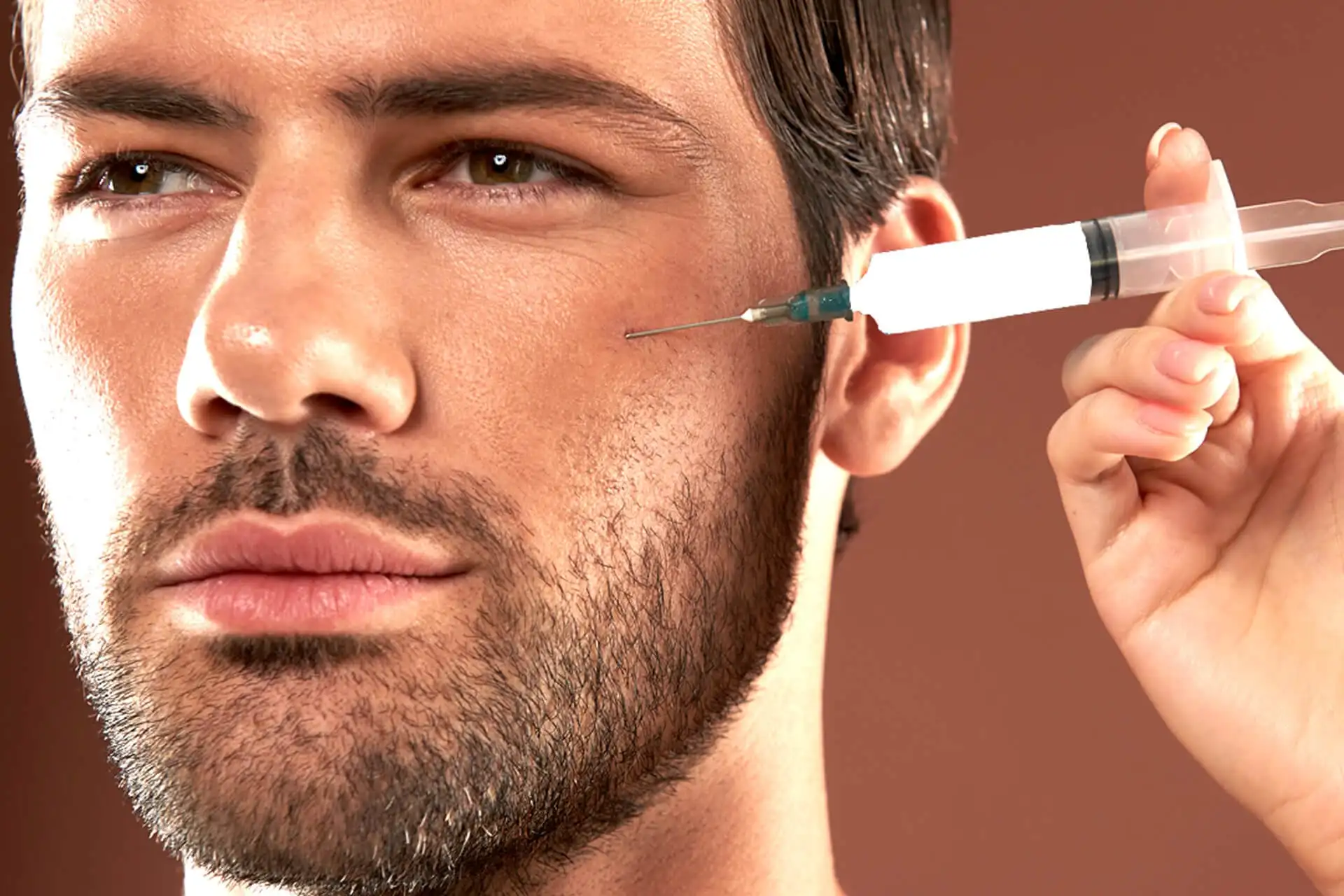
Demand for buccal fat removal men has surged significantly in aesthetic surgery. However, masculine facial sculpting requires a different aesthetic approach than female contouring:
- Chiseled and Angular Contours: While female patients typically seek a heart-shaped face with high cheekbone highlights, male patients aim for an athletic, square jawline and sharp mandibular angles.
- Conservative Tissue Preservation: Male patients generally exhibit thicker skin and stronger masseter muscle borders. Surgeons must avoid over-resection in men to maintain an authoritative, masculine facial structure and prevent an overly hollow appearance.
- Combination with Jawline Sculpting: In men, buccal fat extraction is frequently combined with chin augmentation or submental liposuction to enhance overall facial definition.
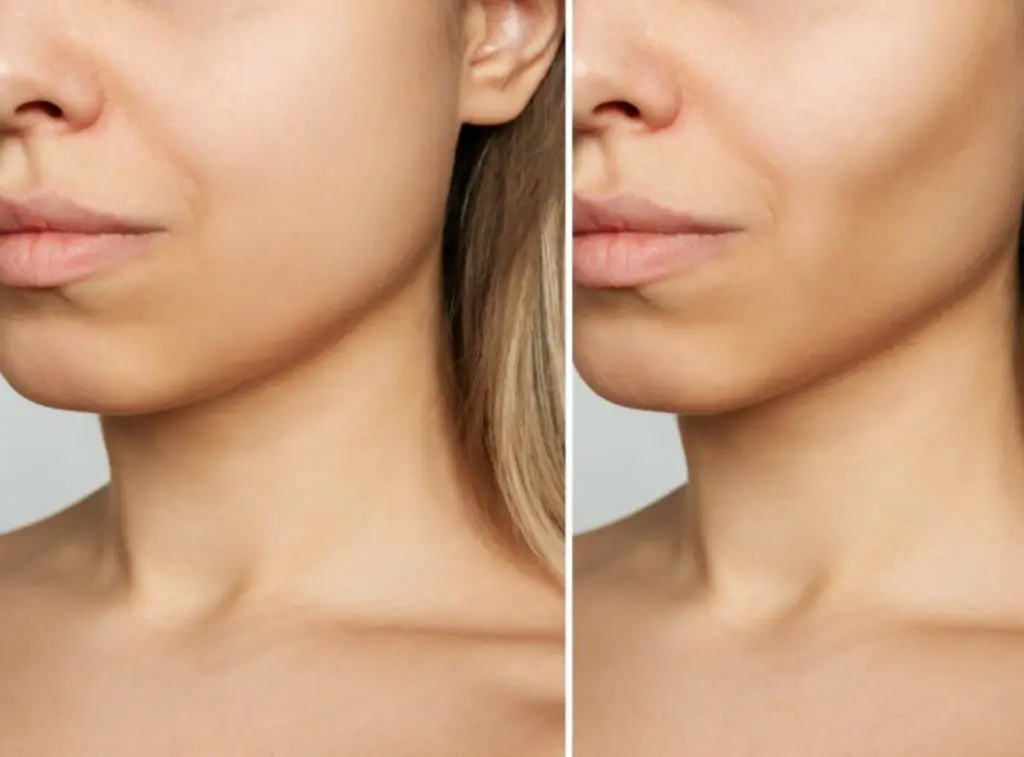
Aesthetic Expectations: Buccal Fat Removal Before and After
Reviewing buccal fat removal before and after timelines helps manage expectations regarding visible facial contouring:
- Immediate Post-Op (Weeks 1 to 2): Because the mouth tissues react with localized swelling, patients often appear to have rounder cheeks immediately after surgery than before entering the operating room.
- The “Unveiling” Phase (Weeks 4 to 8): As internal edema subsides, the transition beneath the cheekbones becomes noticeable. The lower face slims, creating a subtle shadow beneath the zygomatic arch.
- Final Structural Equilibrium (Months 4 to 6): Soft tissues settle completely against the underlying muscular frame. The final result displays enhanced cheekbone prominence and a refined facial taper.
Candidate Selection: Who Should Get Cheek Reduction?
Proper candidate evaluation is critical to ensure patients do not look prematurely hollowed as they age:
Ideal Candidates:
- Adults with genetically round, full, or chubby cheeks that create a disproportionate lower midface.
- Individuals at a stable, healthy body weight who desire enhanced cheekbone definition.
- Patients with good skin elasticity and strong underlying bony cheek framework.
- Non-smokers with realistic expectations regarding subtle contouring.
Poor Candidates:
- Individuals with naturally thin, narrow, or gaunt faces (removing fat will accelerate an aged, skeletal look).
- Older patients with significant skin laxity and volume depletion.
- Patients who experience drastic body weight fluctuations.
Recovery and Post-Operative Care
Because the surgical incisions are located entirely inside the oral cavity, recovery focuses on oral hygiene and swelling management:
- Days 1 to 3 (Acute Healing): Patients maintain a liquid-to-soft diet (smoothies, protein shakes, broths, pureed meals). An antiseptic chlorhexidine mouthwash must be used after every meal to keep incision sites clean.
- Days 4 to 7 (Swelling Peaks & Declines): Post-operative swelling peaks around day 3 and gradually subsides. Chewing soft solids (scrambled eggs, tender pasta) is permitted as tolerated.
- Week 2 (Return to Normal Function): Dissolvable intraoral sutures soften and fall away naturally. Most patients return to regular social routines and light desk work within 3 to 5 days.
- Weeks 3 to 4 (Full Activity): Strenuous gym workouts, weight lifting, and contact sports are safely cleared by the surgeon.
Procedural Comparison: Buccal Fat Removal vs. Alternatives
| Clinical Parameter | Buccal Fat Removal (Bichectomy) | Masseter Botox (Jaw Slimming) | Submental & Neck Liposuction |
| Target Tissue | Deep encapsulated buccal fat pad | Hypertrophic masseter muscle | Subcutaneous neck & chin fat |
| Incision Location | Intraoral (Inside the cheek) | None (Injectable needle) | Small submental skin puncture |
| Permanence | Permanent (Fat cells excised) | Temporary (Lasts 4 to 6 months) | Permanent (Fat cells extracted) |
| Primary Visual Effect | Midface contour & cheekbone shadow | Lower jaw narrowing | Double chin reduction & jaw definition |
| Visible Scarring | None (0%, internal mucosa) | None | Imperceptible micro-scar under chin |
| Downtime | 3 to 5 Days | Zero downtime | 5 to 7 Days |
What Determines Buccal Fat Removal Cost?
When patients evaluate buccal fat removal cost and inquire how much is buccal fat removal, they will find that total pricing varies considerably. Rather than a flat standard fee, overall surgical costs depend on several specific clinical and operational variables:
- Geographic Location and Regional Healthcare Economics: Surgical fees correlate with local operating costs, which differ between major metropolitan areas, Western clinics, and internationally accredited medical tourism hubs like Turkey.
- Surgeon Expertise and Specialization: Board-certified facial plastic surgeons, craniomaxillofacial specialists, or surgeons with extensive bichectomy experience typically command higher surgical fees.
- Surgical Setting and Facility Standards: The procedure can be performed under local anesthesia in an accredited in-office surgical suite, or under IV sedation/general anesthesia in a full-scale hospital. Hospital operating theater fees and certified anesthesiologist charges adjust the overall quote.
- Combination Procedures: Cheek reduction is frequently paired with complementary procedures such as chin implants, neck liposuction, or jawline dermal fillers, which affects the total treatment investment.
- Comprehensive Care Packages: Medical travel packages in Turkey often bundle the surgery with pre-operative blood panels, private VIP airport transfers, multi-night hotel stays, and continuous post-operative monitoring into a single unified arrangement.
Frequently Asked Questions (FAQ)
Will buccal fat removal make me look older or gaunt in the future?
When performed conservatively on a properly selected candidate with abundant cheek fullness, buccal fat removal does not cause premature aging. However, if an aggressive surgeon removes the entire fat pad from a patient with a naturally thin or narrow face, the face can appear sunken as natural facial fat thins during normal aging. A skilled surgeon removes only a portion of the pad to preserve long-term youthfulness.
Are buccal fat removal results permanent?
Yes. The excised fat cells cannot regenerate. Even if a patient gains a moderate amount of weight later in life, the treated midface area remains slimmer and more contoured than it would have been without surgery.
What are the main risks associated with cheek reduction surgery?
Because the surgical path runs close to critical anatomical structures, rare complications include injury to the parotid salivary duct (Stensen’s duct) or temporary weakness of the buccal branch of the facial nerve. Choosing an experienced facial surgeon who understands the deep anatomy minimizes these risks to less than 1 percent.
How painful is a bichectomy?
The procedure is virtually painless during surgery due to local anesthesia. In the first 48 to 72 hours post-op, patients report mild soreness, jaw stiffness, and tightness when opening the mouth wide, which is easily managed with over-the-counter analgesics.

 |
|