Skip to content
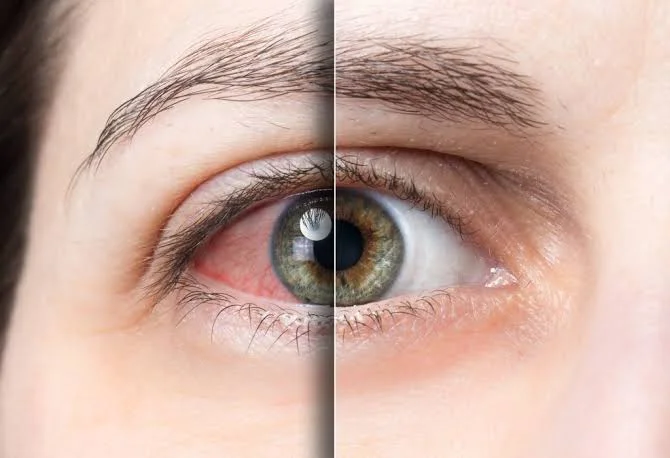
Laser-assisted in situ keratomileusis (LASIK) is an internationally recognized, highly successful refractive surgery that has allowed millions of people worldwide to correct myopia, hyperopia, and astigmatism, successfully eliminating their dependence on glasses and contact lenses. While the structural visual outcomes of LASIK are achieved almost instantly, the procedure alters the delicate microscopic anatomy of the corneal surface. For many patients, the most common post-operative challenge experienced during early recovery is ocular dryness.
Understanding the management of dry eyes after LASIK is essential for a smooth and comfortable healing process. While minor dryness is a normal, expected physiological response to corneal nerve modification, patients frequently search for answers regarding how long dry eyes after LASIK will last, what clinical options exist for treatment for dry eyes after LASIK, and how to identify signs of chronic dry eyes after LASIK. This comprehensive clinical guide directly analyzes what causes dry eyes after LASIK, evaluates long-term risks, details effective dry eyes after LASIK remedies, and outlines a structured post-op recovery plan.
Table of Contents
Why Do You Get Dry Eyes After LASIK? Understanding the Underlying Causes
To understand the post-operative recovery phase, we must first analyze the refractive process: why do you get dry eyes after LASIK and what causes dry eyes after LASIK from an anatomical perspective? The condition is driven by two primary factors during the procedure:
Get Free Consultation
Have any questions? Leave your details and we'll get back to you shortly.
1. Severe Disruption of the Corneal Nerve Network
During a standard LASIK procedure, a specialized femtosecond laser creates a thin, microscopic flap on the outer surface of the cornea. This flap is gently folded back so an excimer laser can reshape the underlying corneal tissue. This process temporarily cuts through the delicate sub-basal corneal nerve network. Because these nerves are responsible for sensing surface dryness and signaling the lacrimal glands to produce tears, cutting them temporarily disrupts the natural tear feedback loop, causing a significant drop in tear production.
2. Physical Alteration of Corneal Geometry and Goblet Cell Activity
Reshaping the cornea physically alters its curvature. This geometric change can subtly affect how the eyelids distribute the tear film across the eye during normal blinking. Additionally, the medical suction ring used during the procedure can temporarily disrupt conjunctival goblet cells, which are responsible for producing the critical mucin layer that helps tears stick to the surface of the eye.
Identifying the Clinical Symptoms of Dry Eyes After LASIK
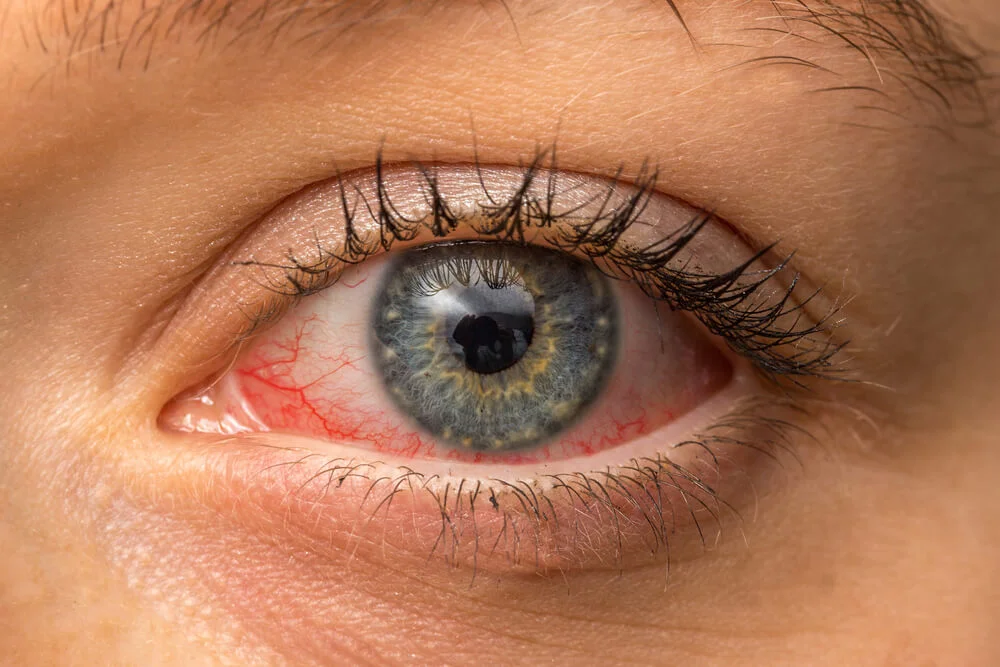
Experiencing extremely dry eyes after LASIK surgery does not simply mean feeling a lack of moisture. The condition presents through a variety of distinct sensory symptoms of dry eyes after LASIK that patients should closely monitor:
- Foreign Body Sensation: A persistent feeling that sand, dust, or a microscopic particle is trapped underneath the eyelid.
- Fluctuating or Blurry Vision: Vision that becomes temporarily blurry but clears up instantly immediately after a blink.
- Burning and Redness: A sharp stinging or burning sensation accompanied by mild bloodshot patterns in the conjunctiva.
- Paradoxical Tearing: Reflex tearing where the eye produces large amounts of watery tears that lack the proper oil balance, causing them to evaporate instantly without moisturizing the surface.
The Post-Operative Timeline: How Long Do Dry Eyes After LASIK Last?
Understanding how long dry eyes after LASIK will persist depends entirely on the speed of corneal nerve regeneration. For the vast majority of patients, the recovery follows a predictable clinical timeline:
1. The Early Phase (Weeks 1 to 4)
Ocular dryness is at its peak during this initial month. Patients must rely heavily on prescribed eye drops for dry eyes after LASIK surgery to protect the healing corneal tissue and ensure optimal comfort.
2. The Stabilization Phase (Months 2 to 6)
As the microscopic corneal nerves slowly regenerate and repair their sensory networks, the natural tear feedback loop returns. Symptoms gradually fade during this phase, and patients can steadily reduce their reliance on artificial tears.
3. The Chronic Horizon (Month 6 and Beyond)
By the 6-month mark, over 95% of patients find that their tear production returns to normal pre-surgery levels. However, a small percentage of individuals may develop chronic dry eyes after LASIK, requiring long-term clinical management. In very rare instances where severe, unmanaged pre-existing dry eye conditions were present before surgery, permanent dry eyes after LASIK can occur, highlighting the absolute necessity of a thorough pre-operative medical screening.
Advanced Treatment for Dry Eyes After LASIK and Effective Remedies
Managing post-operative ocular dryness requires a combination of prescribed medical treatments and lifestyle adjustments. Below is a breakdown of the most effective dry eyes after LASIK remedies and professional treatments:
Prescribed and Over-the-Counter Eye Drops
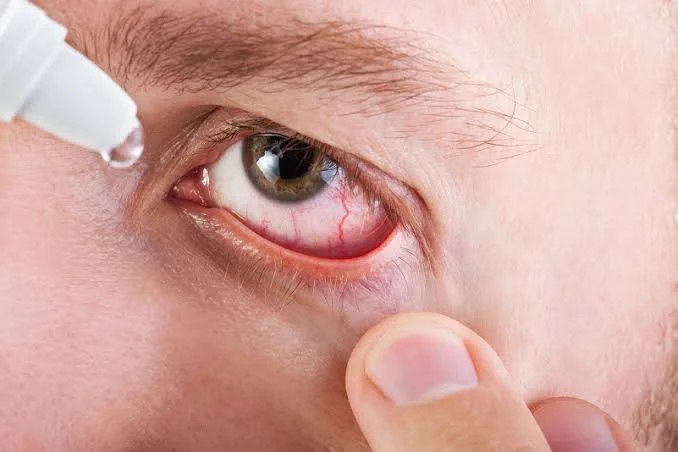
The primary defense against post-operative dryness is the frequent use of eye drops for dry eyes after LASIK surgery. Patients must use preservative-free artificial tears, as chemical preservatives can irritate the healing cornea when used frequently. For more severe cases, doctors may prescribe anti-inflammatory corticosteroid drops or cyclosporine drops to boost natural tear production.
Punctal Occlusion Treatment
If artificial tears do not provide sufficient relief, a highly effective treatment for dry eyes after LASIK is punctal occlusion. A specialist inserts microscopic, biocompatible silicone plugs into the tear ducts (puncta) located in the corners of the eyelids. This blocks tear drainage, keeping your natural tears and artificial eye drops on the surface of the eye for a significantly longer period.
Dietary Changes and Environmental Adjustments
An excellent natural remedy is adding high-quality Omega-3 fatty acid supplements (such as flaxseed or fish oil) to your daily routine, which improves the oil layer of your tears. Additionally, using a humidifier indoors, wearing UV-blocking wrap-around sunglasses outdoors, and avoiding direct airflow from fans or air conditioners are essential strategies for how to prevent dry eyes after LASIK symptoms from worsening.
Comprehensive Post-Operative Ocular Recovery Matrix
| Recovery Horizon | Expected Dryness Severity | Recommended Eye Drops & Treatment | Environmental & Protective Rules |
| Days 1 to 7 | Very High / Peak | Preservative-free artificial tears every 1 to 2 hours, plus anti-inflammatory drops | Avoid screen glare, wear protective eye shields at night, zero eye rubbing |
| Weeks 2 to 4 | High to Moderate | Preservative-free artificial tears 4 to 6 times a day, or thick lubricating gels | Use an indoor humidifier, avoid direct airflow from fans or AC units |
| Months 2 to 3 | Moderate to Low | Artificial tears as needed; evaluate for punctal plugs if symptoms persist | Take regular breaks during screen use, stay well hydrated |
| Months 6+ | Resolved (Normal) | Minimal to none; standard over-the-counter drops only for long screen sessions | Maintain a diet rich in Omega-3 fatty acids |
Frequently Asked Questions (FAQ)
How can I prevent dry eyes after LASIK before my actual surgery date?
To maximize your post-operative comfort, learning how to prevent dry eyes after LASIK begins during your pre-op phase. You should start using preservative-free artificial tears 1 to 2 weeks before your scheduled surgery, add high-quality Omega-3 supplements to your diet, and strictly limit the use of contact lenses, which can cause micro-inflammation on the corneal surface.
Why does my vision get blurry when my eyes feel extremely dry after LASIK?
A stable, smooth tear film acts as the primary refractive surface that focuses light into your eye. When you experience severe dry eye symptoms, the tear film becomes uneven and breaks apart quickly. This uneven surface scatters incoming light rays, causing temporary blurry vision that usually clears up immediately after a deep blink.
What is the difference between preservative-free eye drops and standard eye drops?
Standard over-the-counter eye drops contain chemical preservatives (such as benzalkonium chloride) designed to prevent bacterial growth in the bottle. While safe for occasional use, using them frequently after surgery can cause chemical irritation on the healing cornea. Preservative-free eye drops come in sterile single-use vials and contain zero harsh chemicals, making them completely safe for frequent use.
Can I undergo a LASIK procedure if I already suffer from chronic dry eyes?
If you suffer from severe, uncontrolled chronic dry eye syndrome before surgery, undergoing LASIK is generally not recommended, as it can significantly worsen the condition. In these cases, a premium clinic will first treat your underlying dry eyes using advanced therapies, or recommend a more surface-friendly alternative like SMILE or ICL, which preserves the corneal nerves.

 |
|