Skip to content
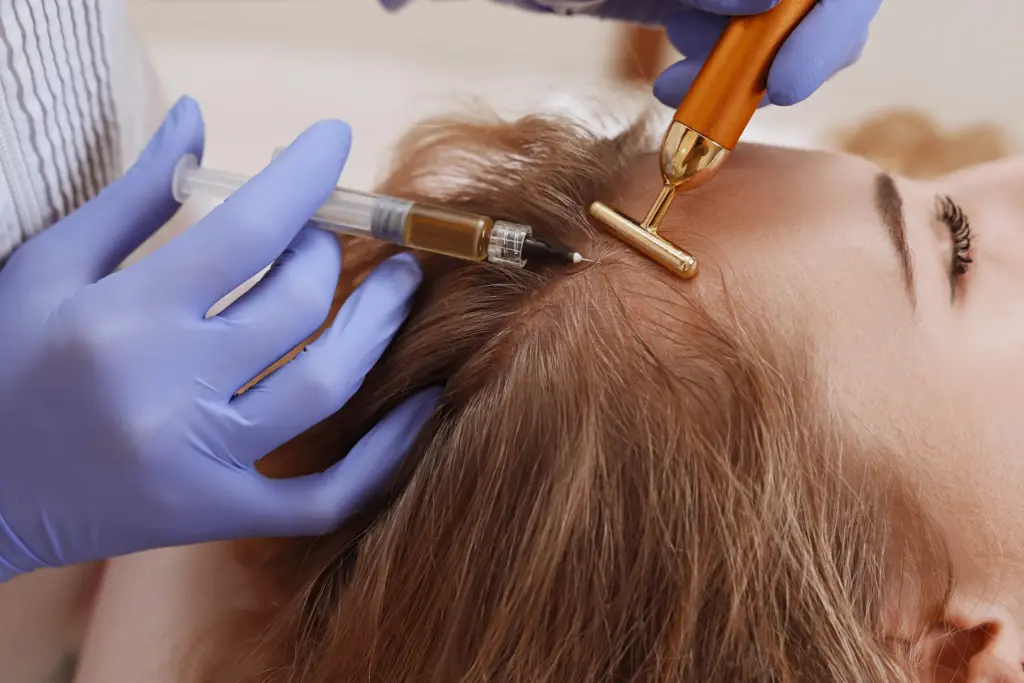
Hair thinning, diffuse shedding, and androgenetic alopecia affect millions of men and women worldwide. When systemic medications cause unwanted side effects or topical lotions fail to penetrate deep enough into the scalp tissue, non-surgical dermatological treatments become the frontline solution. Among these advanced clinical therapies, hair mesotherapy stands out as a targeted, direct delivery method to revitalize weakened hair follicles.
Understanding the cellular mechanics of mesotherapy for hair helps prospective patients set realistic expectations for their hair restoration journey. Patients frequently ask what is hair mesotherapy, research specialized hair mesotherapy products, explore step-by-step hair mesotherapy treatment protocols, study documented hair mesotherapy before and after photographic outcomes, and evaluate the clinical variables that determine hair mesotherapy cost. This comprehensive medical guide details the formulation ingredients, micro-injection techniques, biological pathways, session schedules, and pricing structures.
Table of Contents
What Is Hair Mesotherapy and How Does It Work?
If you are exploring what is hair mesotherapy, it is a minimally invasive dermatological procedure that delivers customized cocktails of bioactive compounds directly into the middle layer of the scalp skin (the mesoderm).
Get Free Consultation
Have any questions? Leave your details and we'll get back to you shortly.
Traditional oral supplements must pass through the gastrointestinal tract and hepatic metabolism, leaving only a fraction of active nutrients to reach the scalp through peripheral microcirculation. Topically applied serums often struggle to cross the tough stratum corneum barrier.
By delivering nutrients directly adjacent to the dermal papilla, the biological engine of the hair follicle, micro-injections achieve two simultaneous biological effects:
- Physical Biostimulation (Micro-Trauma): The mechanical puncture from ultra-fine needles triggers a localized wound-healing cascade, stimulating platelet activation, collagen synthesis, and natural growth factor release.
- Biochemical Nourishment: The injected compounds improve microcirculation, neutralize local oxidative stress, reduce inflammation around the follicular sheath, and prolong the anagen (active growth) phase of the hair cycle.
Active Formulations: Hair Mesotherapy Products Explained
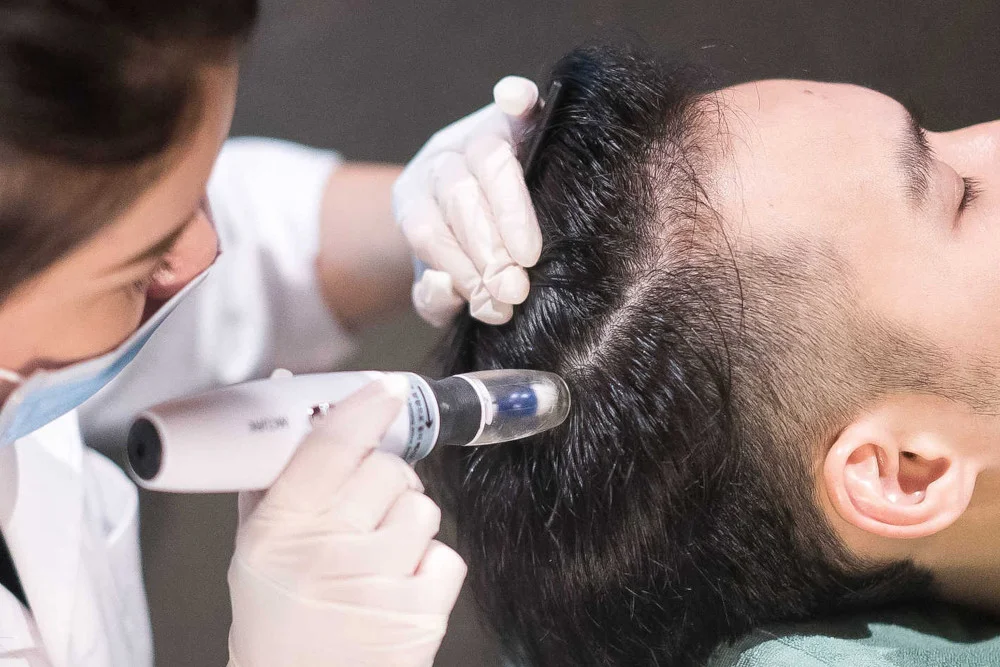
The clinical efficacy of a hair mesotherapy treatment depends directly on the quality, concentration, and synergy of the hair mesotherapy products chosen by your dermatologist. Custom or pre-formulated medical solutions typically combine several functional ingredient groups:
- B-Complex Vitamins (Biotin, Dexpanthenol, Niacin, B6): Support cellular energy metabolism within the follicular matrix, strengthen the structural keratin infrastructure, and regulate sebum production along the scalp.
- Biomimetic Peptides (Copper Tripeptide-1, Octapeptide-2, Decapeptide-4): Synthetic amino acid chains that mimic natural bodily signaling molecules. They promote cellular proliferation in the dermal papilla, downregulate apoptotic (cell death) pathways, and encourage angiogenesis (new blood vessel formation).
- Amino Acids (Arginine, Cysteine, Methionine, Taurine): Provide the fundamental building blocks needed for keratin protein synthesis, resulting in thicker, stronger, and more breakage-resistant hair shafts.
- Hyaluronic Acid (Non-Crosslinked): Provides deep, cellular-level hydration to the intercellular matrix of the scalp, improving elasticity and creating an optimal micro-environment for cellular division.
- Natural 5-Alpha Reductase Blockers (Saw Palmetto, Zinc, Pyridoxine): Help downregulate the local conversion of testosterone into dihydrotestosterone (DHT), the primary hormone responsible for follicular miniaturization in pattern baldness.
- Vasodilators (Minoxidil solutions, Ginkgo Biloba extracts): Stimulate local microcapillary blood flow, ensuring prolonged delivery of oxygen and nutrients to previously starved follicles.
The Clinical Procedure: Step-by-Step Treatment Protocol
Undergoing a professional mesotherapy session follows a standardized, sterile clinical protocol designed for maximum comfort and delivery:
- Scalp Diagnosis and Dermoscopy: The practitioner analyzes hair density, scalp vascularity, and follicular miniaturization using a digital trichoscope to formulate the ideal nutrient blend.
- Antiseptic Cleansing: The entire scalp is systematically cleaned with a medical-grade antiseptic solution (such as chlorhexidine) to eliminate surface bacteria and sebum.
- Topical Anesthetic Application (Optional): For sensitive patients, an anesthetic cream or mild cooling spray may be applied 20 to 30 minutes before the session to minimize pinch sensations.
- Micro-Injection Administration: Using ultra-fine 30G to 32G mesotherapy needles (measuring 4 mm in length) or specialized multi-needle mesoguns, the practitioner administers hundreds of micro-droplets (0.05 to 0.1 ml per injection) at depths between 1.5 mm and 3.5 mm across the thinning zones.
- Post-Treatment Disinfection and Scalp Massage: The scalp is gently wiped down, and a brief, light massage is performed to distribute the solution evenly throughout the mesoderm.
Results Timeline: Hair Mesotherapy Before and After
Examining documented hair mesotherapy before and after milestones helps set realistic expectations, as biological hair growth operates on a multi-month cellular cycle:
TYPICAL TREATMENT PROGRESSION:
- [Sessions 1 to 3 / Weeks 1 to 4]: Significant reduction in daily hair shedding
- [Sessions 4 to 6 / Months 2 to 3]: Existing hair shafts thicken; scalp texture normalizes
[Sessions 7 to 10 / Months 4 to 6] -> Activation of dormant follicles; visible new baby hairs
[Month 6 Onward / Maintenance] -> Increased overall density, fullness, and volume retention
- Immediate Phase (Weeks 1 to 4): Acute shedding noticeably decreases. The scalp produces less excess oil or exhibits less dryness as sebaceous balance is restored.
- Intermediate Phase (Months 2 to 3): Existing miniaturized hairs gain thickness and tensile strength. The overall hair texture feels denser, shinier, and less prone to breakage during brushing.
- Maturation Phase (Months 4 to 6): Dormant hair follicles stimulated during early sessions re-enter the anagen phase, producing fine, visible new hairs (vellus hairs) that gradually mature into thick terminal hair strands.
- Maintenance Phase (Beyond 6 Months): Because genetic hair loss is a chronic, ongoing condition, single booster sessions spaced every 2 to 3 months preserve follicular vitality and sustain density.
Comparison: Hair Mesotherapy vs. PRP vs. Hair Transplantation
| Parameter | Hair Mesotherapy | Platelet-Rich Plasma (PRP) | FUE Hair Transplantation |
| Active Substance | Tailored cocktails (peptides, vitamins) | Autologous blood plasma & platelets | Patient’s own living hair grafts |
| Invasiveness | Minimally invasive (superficial micro-needles) | Minimally invasive (blood draw + scalp injections) | Surgical (donor extraction & recipient placement) |
| Primary Goal | Nourish, stop shedding, thicken existing hair | Stimulate healing through autologous growth factors | Permanently restore hair in completely bald areas |
| Downtime | Zero downtime (resume routine immediately) | Zero downtime (mild scalp tenderness for 24h) | 7 to 14 days of visible scabbing and swelling |
| Session Frequency | Course of 6 to 10 sessions (weekly/bi-weekly) | Course of 3 to 4 sessions (monthly intervals) | Single one-day surgical procedure |
| Ideal Candidate | Early-to-moderate thinning, diffuse loss, telogen effluvium | Active thinning, early androgenetic alopecia | Advanced baldness (Norwood 3–7) with stable donor |
What Determines the Hair Mesotherapy Cost?
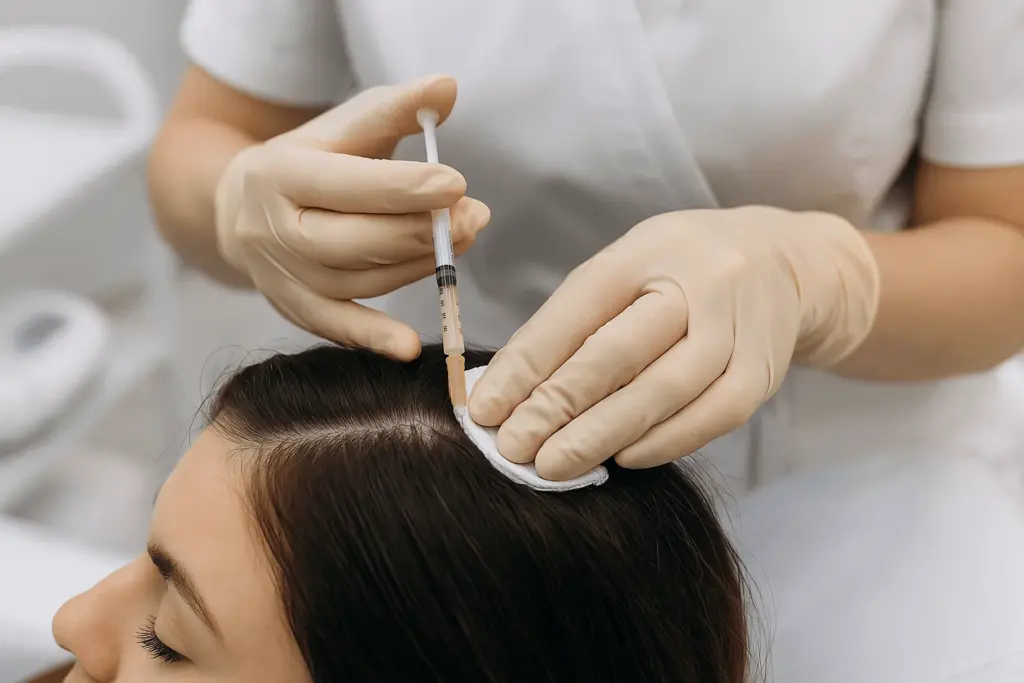
When patients evaluate hair mesotherapy cost, they will find that pricing varies considerably between clinics and countries. Rather than a flat standard fee, overall treatment costs are determined by several specific clinical variables:
- Product Quality and Formulation Complexity: Premium European or international mesotherapy serums containing patented biomimetic peptides, medical-grade hyaluronic acid, and stabilized growth complexes have significantly higher manufacturing costs than basic multivitamin mixtures.
- Number of Recommended Sessions: An effective therapeutic course typically requires 6 to 10 initial sessions spaced one to two weeks apart, followed by quarterly maintenance treatments. The total session count directly dictates the total program cost.
- Application Technology (Manual vs. Mesogun): Treatments performed using high-precision automated electronic mesoguns (which calibrate exact injection depth, volume, and speed) or combined with low-level laser therapy (LLLT) involve different clinical equipment investments than manual syringe administration.
- Practitioner Expertise and Clinic Accreditation: Sessions performed by certified dermatologists, trichologists, or specialized aesthetic plastic surgeons in fully accredited clinical facilities reflect their advanced medical training and diagnostic accuracy.
- Geographic Location and Treatment Packages: Pricing reflects regional healthcare economic structures. International medical hubs (such as Turkey) frequently bundle complete diagnostic hair scans, multi-session mesotherapy courses, home-care lotions, and medical transfers into comprehensive, cost-effective treatment packages.
Frequently Asked Questions (FAQ)
Is hair mesotherapy painful?
Discomfort during hair mesotherapy is very mild. The micro-needles used are extremely thin (comparable to insulin or acupuncture needles) and penetrate only a few millimeters into the scalp. Most patients describe the sensation as a light tingling, mild pricking, or scratching feeling. For sensitive patients, topical numbing creams or cooling devices can be applied to ensure complete comfort.
How soon after hair mesotherapy can I wash my hair?
You should avoid washing your hair or wetting your scalp for at least 24 to 48 hours following a mesotherapy session. This allows the micro-puncture sites to seal naturally and prevents the injected mesotherapy cocktail from being diluted or washed away. You should also avoid saunas, steam rooms, swimming pools, and heavy gym workouts that cause excessive sweating for 48 hours.
Can hair mesotherapy replace a hair transplant?
No. Hair mesotherapy cannot revive completely dead, fibrotic hair follicles where baldness has been established for years. Mesotherapy is designed to strengthen, rescue, and thicken miniaturized, struggling hair follicles and slow down active shedding. For areas of complete baldness with zero active roots, a surgical hair transplant remains the only definitive solution to restore growing hair.
How many sessions of hair mesotherapy are needed to see results?
Noticeable stabilization of hair loss typically becomes evident after 3 to 4 sessions. Visible improvement in hair thickness, density, and new hair growth generally requires a full initial course of 6 to 8 sessions scheduled one to two weeks apart, followed by maintenance treatments every 2 to 3 months.

 |
|