Skip to content
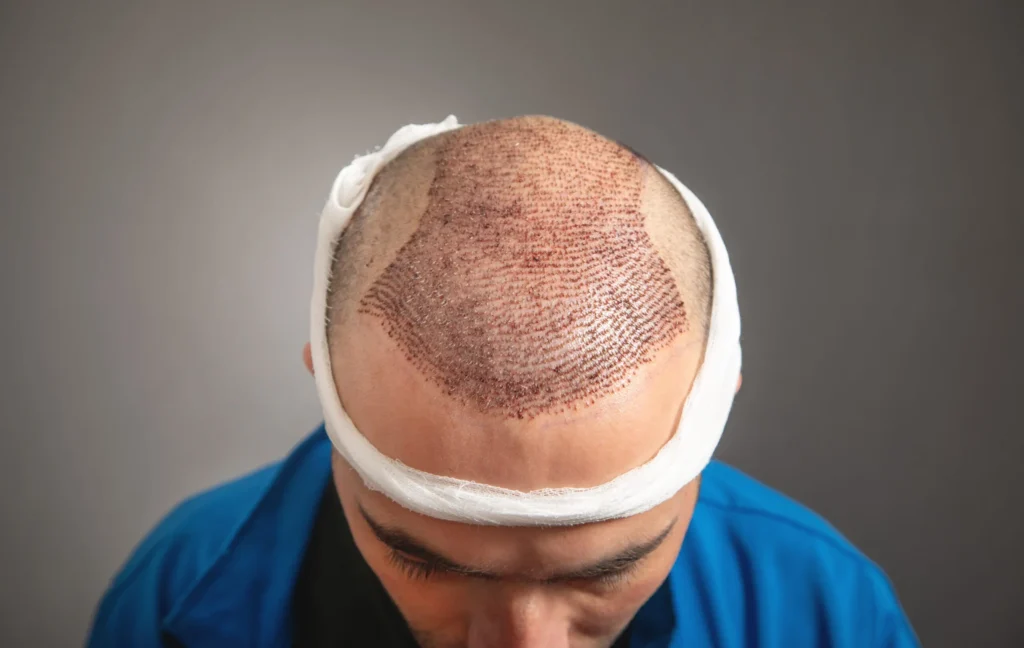
Hair loss can feel personal, gradual, and sometimes unpredictable. For many people, a Hair Transplant becomes more than a cosmetic choice. It is a long term strategy to restore density, confidence, and a natural hairline. Today’s techniques are far removed from the outdated plug methods of the past. Modern surgical science focuses on precision, follicular biology, and minimally invasive extraction to deliver results that blend seamlessly with existing hair.
Table of Contents
What Is a Hair Transplant and Why Do People Choose It?
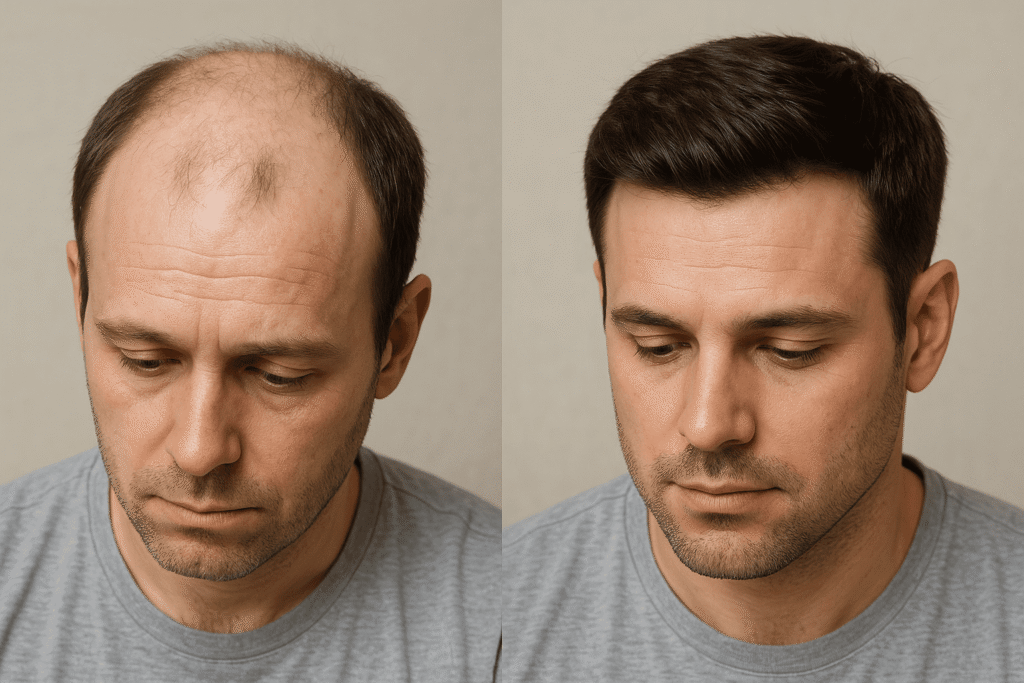
A Hair Transplant is a medical procedure that relocates healthy hair follicle (pilosebaceous unit)s from a donor area (occipital donor zone), usually the back or sides of the scalp (dermal layer of the cranial skin), to regions experiencing thinning or baldness. Because donor hair is genetically resistant to shedding, transplanted follicles often continue growing for many years.
People choose a Hair Transplant for different reasons. Some notice early male pattern baldness. Others experience thinning due to stress, hormones, or aging. Instead of temporary solutions like fibers or sprays, the procedure offers a structural and biological approach by moving real, living follicles.
Get Free Consultation
Have any questions? Leave your details and we'll get back to you shortly.
From a scientific perspective, the success of a Hair Transplant depends on graft survival, blood supply, and proper placement angle. When these variables are respected, the new hair grows in harmony with existing strands.
The Science Behind Hair Transplant Follicle Transfer
Every Hair Transplant relies on the concept of donor dominance. Hair taken from the occipital scalp (dermal layer of the cranial skin) tends to keep its original genetic resistance even after relocation. This means the transplanted graft behaves like it never left its original location.
Follicles are not single hairs. They exist in naturally occurring groups called follicular units that contain one to four hairs. During a Hair Transplant, these units are carefully harvested, preserved in special solutions, and implanted into micro channels. Preserving these units helps create natural density rather than an artificial pattern.
Research in tissue handling shows that minimizing trauma and reducing the time outside the body can improve graft survival rates. Therefore, surgical precision plays a major role in the overall quality of a Hair Transplant outcome.
FUE Hair Transplant Technique Explained
The FUE method (follicular unit extraction), also known as Follicular Unit Extraction, is one of the most widely performed Hair Transplant techniques worldwide. Instead of removing a strip of scalp (dermal layer of the cranial skin), surgeons extract individual follicular units using micro punches that typically measure less than one millimeter.
Because the incisions are tiny, healing is usually fast and scarring is minimal. This makes FUE attractive for people who prefer short hairstyles. Each graft is collected separately, which allows the surgeon to distribute density more strategically across thinning areas.
A typical FUE Hair Transplant may involve thousands of grafts in a single session. The process can be time intensive, but it allows natural looking placement and flexibility in hairline design. Many clinics consider it the foundation of modern hair restoration.
DHI Hair Transplant Method and How It Differs
DHI, or Direct Hair Implantation, is a refined version of the Hair Transplant process. Instead of creating channels first and placing grafts later, DHI uses an implanter pen that performs both steps simultaneously.
This approach can offer more control over angle, direction, and depth. As a result, the surgeon can mimic the natural growth pattern more closely. For delicate areas such as the hairline or temples, this precision may improve visual density.
Another advantage of DHI Hair Transplant sessions is reduced time outside the body for each graft. Shorter exposure may help protect follicle vitality. While both FUE and DHI rely on similar biological principles, the difference lies mainly in implantation mechanics and workflow.
Who Is a Good Candidate for Hair Transplant Procedures?
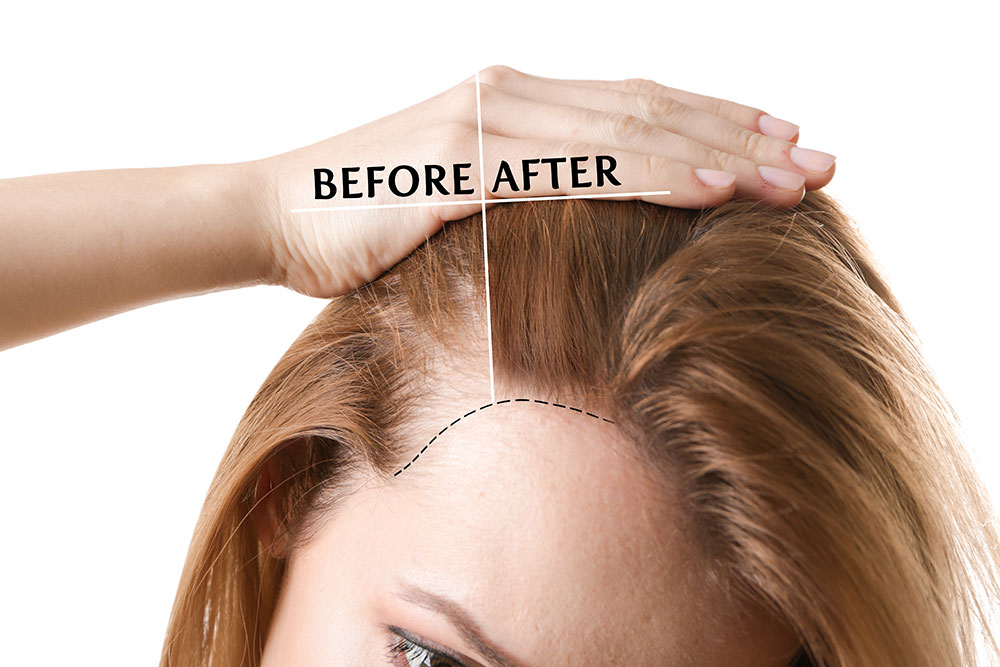
Not everyone experiencing hair loss (androgenetic alopecia) is automatically suited for a Hair Transplant. Candidate evaluation usually considers donor density, scalp (dermal layer of the cranial skin) health, and realistic expectations. Sufficient donor hair is essential because the procedure redistributes existing follicles rather than creating new ones.
Age can also play a role. Younger individuals with unstable hair loss (androgenetic alopecia) patterns may need careful planning to avoid unnatural results over time. A strategic Hair Transplant design accounts for future thinning as well as current gaps.
Lifestyle factors such as smoking, stress, and overall health may influence recovery and graft survival. Clinics like WellDemir typically evaluate these elements to create a personalized roadmap instead of a one size fits all solution.
Hair Transplant Step by Step Procedure Overview
Understanding the workflow of a Hair Transplant can reduce anxiety and set realistic expectations. Although details vary between FUE and DHI, the overall stages are similar.
Typical process
- Consultation and scalp (dermal layer of the cranial skin) analysis
- Donor area preparation
- Local anesthesia
- Graft extraction
- Channel creation or direct implantation
- Post procedure care instructions
Each stage is designed to protect graft quality. During a Hair Transplant, careful hydration and temperature control are often used to keep follicles viable. After implantation, the scalp (dermal layer of the cranial skin) gradually forms micro crusts that heal within days.
Most patients resume light activities quickly, while full visible growth takes months as transplanted hair enters its natural cycle.
Expected Results and Growth Timeline After Hair Transplant
Patience is essential after a Hair Transplant. Newly implanted hairs typically shed within the first few weeks. This is a normal phase called shock loss. The follicle remains alive beneath the skin.
Around the third or fourth month, fresh growth begins. Density increases gradually, and by the ninth to twelfth month, many people see the more complete outcome of their Hair Transplant. Texture and thickness continue to mature over time.
Because hair grows slowly, results should be evaluated long term rather than week by week. Viewing progress scientifically rather than emotionally often leads to a more satisfying experience.
Comparing FUE and DHI Hair Transplant Techniques
Below is a simplified comparison table to clarify the differences between the two main Hair Transplant approaches.
| Feature | FUE | DHI |
| Extraction | Individual grafts | Individual grafts |
| Implantation | Channels first | Direct pen implantation |
| Control over angle | High | Very high |
| Shaving | Often required | Sometimes partial |
| Session speed | Moderate | Slower but precise |
Both techniques are variations of the same Hair Transplant philosophy. The best option depends on goals, hair type, and surgeon experience rather than marketing claims.
Why Patients Prefer WellDemir for Hair Transplant Treatments
Choosing a clinic is as important as choosing the technique. At WellDemir, each Hair Transplant plan is built on medical assessment, digital hairline design, and experienced surgical teams. The focus is not only on density but also on harmony with facial proportions.
International patients often value structured communication, transparent planning, and long term follow up. A successful Hair Transplant is rarely about numbers alone. It is about creating a result that looks like you never lost hair in the first place.
Scientific protocols, sterile environments, and consistent documentation contribute to predictable outcomes. These elements transform the Hair Transplant from a simple procedure into a comprehensive restoration strategy.
Hair restoration has evolved from experimental surgery to a precise blend of biology and aesthetics. A modern Hair Transplant combines microsurgical tools, follicular science, and individualized design to produce natural growth. Whether through FUE or DHI, the goal remains the same. Move healthy follicles, protect them carefully, and respect the natural pattern of the scalp (dermal layer of the cranial skin).
When expectations are realistic and planning is thoughtful, a Hair Transplant can become a long term solution rather than a temporary fix. Understanding the process, techniques, and timeline helps people make informed decisions with confidence.

 |
|