Skip to content
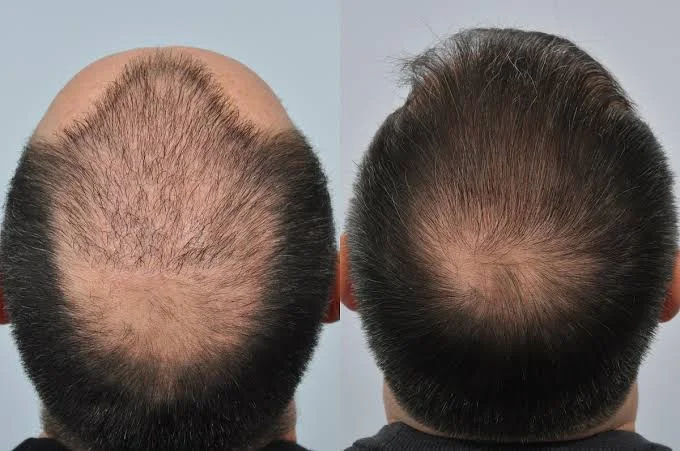
Undergoing a hair restoration procedure is a deeply personal journey aimed at reclaiming your self-confidence, youthful appearance, and long-term aesthetic image. However, the global boom in the hair surgery industry has led to an alarming rise in unlicensed “black market” clinics operated by untrained technicians rather than certified surgeons. The clinical consequences of these low-cost operations are devastating for patients, frequently resulting in unnaturally straight “pluggy” hairlines, incorrect graft growth angles, severe crown multi-hair grouping, and overharvested, depleted donor zones.
If you are living with the psychological and physical aftermath of a failed procedure, a repair hair transplant (corrective hair restoration surgery) provides a specialized surgical pathway to reverse these mistakes. Correcting a prior bad transplant requires far greater microsurgical expertise than a primary operation, as the surgeon must navigate scar tissue, altered blood supply, and limited remaining donor reserves. This comprehensive medical guide details the corrective options available, reviews the repair hair transplant cost parameters, outlines the structural healing phases, and explains why choosing an expert center is paramount.
Table of Contents
What Exactly Is a Repair Hair Transplant and How Does It Work?
To understand how a corrective procedure can fix poor results, we must analyze the structural mechanics of the surgery. A repair hair transplant is a tailored medical approach that uses three primary corrective methodologies depending on the specific aesthetic issues present:
Get Free Consultation
Have any questions? Leave your details and we'll get back to you shortly.
1. Graft Excision and Punch Re-Extraction
When a previous clinic has placed thick, multi-hair grafts directly onto the front rows of the hairline, it creates a harsh, artificial “doll-like” look. To fix this, the corrective surgeon uses ultra-fine micro-punches to carefully extract the misplaced large plugs under local anesthesia. These extracted grafts are then meticulously separated under high-powered microscopes into natural single-hair units and re-implanted at the correct angle and depth.
2. Strategic Camouflage Grafting
If the unnatural grafts are not too heavily grouped or misaligned, the surgeon can leave them in place and use new, ultra-fine single-hair grafts harvested from remaining donor zones to build a soft transition zone directly in front of and between the old plugs. This effectively softens the harsh line and builds a natural multi-layered frame.
3. FUE Scar Repair Hair Transplant Protocols
Many patients who underwent old-school Follicular Unit Transplantation (FUT) are left with a wide, stretched linear scar spanning the back of their scalp. A specialized scar repair hair transplant involves extracting individual follicular units from healthy body or scalp hair and micro-implanting them directly into the fibrous scar tissue. This covers the hairless scar zone and allows the patient to wear shorter hairstyles without self-consciousness.
What Does the Repair Hair Transplant Cost Globally?
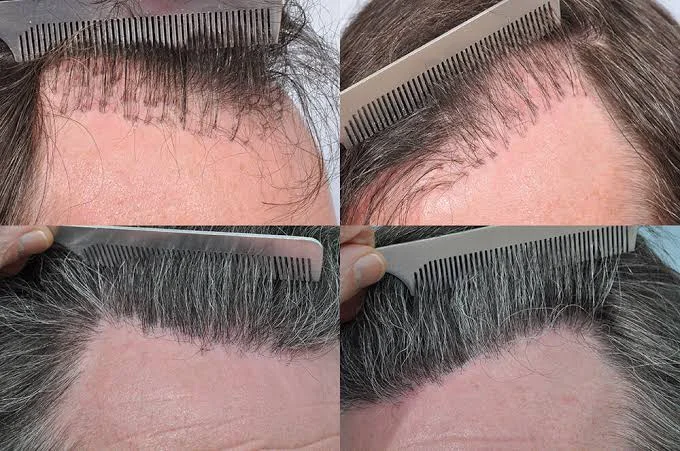
When researching financial parameters, evaluating the global repair hair transplant cost reveals that corrective surgeries are consistently priced higher than primary hair restorations. Repairing damaged scalp tissue requires immense clinical focus, a slower extraction pace, and custom tool mapping.
In the United Kingdom, the United States, and Western Europe, a high-end corrective surgery ranges from €7,000 to €18,000, depending on the extent of the tissue scarring and whether body hair transplant (BHT) is required to supplement a depleted donor area.
Why Is the Repair Hair Transplant Turkey Framework Leading the World?
To access elite-level corrective surgery without paying exorbitant Western prices, choosing a repair hair transplant Turkey framework has become the leading solution for international patients. Because top Turkish clinical teams perform thousands of complex primary and secondary hair restorations annually, they possess unmatched expertise in reconstructing overharvested donor regions and replacing misaligned grafts.
On average, a comprehensive repair hair transplant Turkey package ranges from €2,500 to €4,500. These all-inclusive international health packages combine advanced corrective DHI/FUE technology, master-surgeon execution, luxury 5-star hotel accommodations, and private VIP airport transfers into a single transparent solution, removing the financial strain of fixing a past mistake.
The Complete Corrective Post-Op Healing Timeline
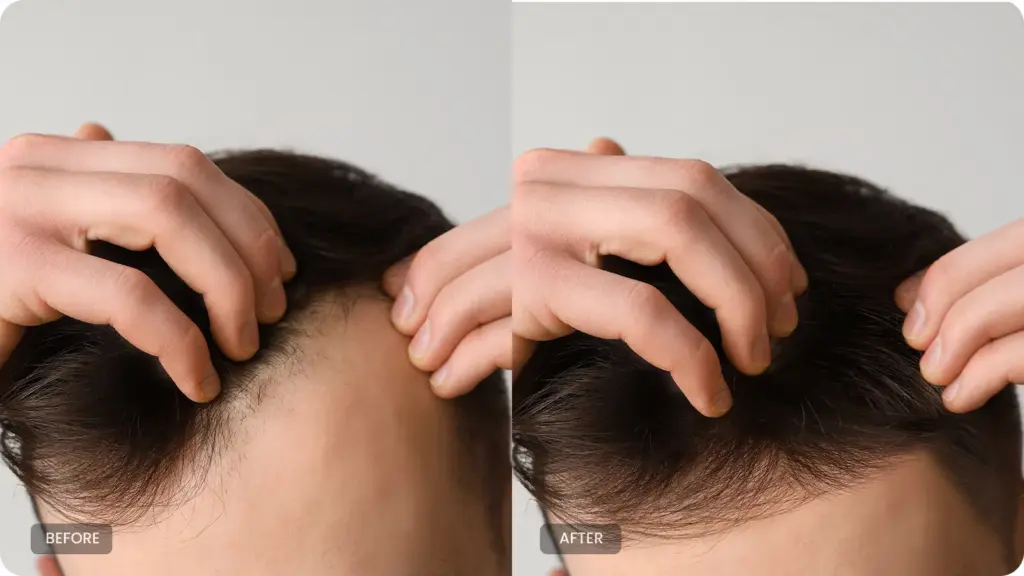
Understanding the progressive stages of tissue correction is essential to set realistic expectations. A typical repair hair transplant before and after journey follows this structured timeline:
- Weeks 1 to 2 (Tissue Healing): The scalp goes through an initial healing phase. Because the surgeon is operating on pre-scarred tissue from the first surgery, mild swelling or localized redness may last slightly longer than a standard primary transplant.
- Months 1 to 3 (The Shock Shedding Phase): The re-implanted and camouflaged hair shafts will temporarily shed. This is a normal physiological response. The scalp skin continues to soften underneath as the underlying scar tissue breaks down.
- Months 6 to 9 (New Shaft Sprouting): New, fine hair shafts sprout through the surface at the corrected angles, bringing a noticeable improvement to the structure and softness of your hairline.
- Months 12 to 18 (The Ultimate Result): The final repair hair transplant timeline is complete. The coarse plugs are entirely softened, the donor scars are camouflaged, and your hairline frames your face with absolute natural density and flow.
Comprehensive Surgical Repair Comparison Matrix
| Clinical Performance Metric | Graft Re-Extraction & Re-Implantation | Strategic Camouflage Grafting | FUE Scar Repair Hair Transplant |
| Primary Aesthetic Goal | Removing harsh plugs & correcting bad angles | Hiding minor pluggy density with soft frames | Covering wide FUT scars or FUE overharvesting |
| Donor Material Required | None (Uses the old misplaced grafts) | Low to Moderate fresh single grafts | Moderate scalp or body hair grafts (BHT) |
| Surgical Precision Level | Ultra-High (Navigating previous scar tissue) | High | High (Implanting into fibrous scar skin) |
| Treatment Reversibility | 100% Corrective shift | Permanent multi-layering | Permanent scar tissue coverage |
| Local Anesthesia Needed | Yes (Complete local numbing protocol) | Yes | Yes |
| Best Suited For | Severe “doll-hair” hairlines & wrong directions | Mild density gaps & slight hairline asymmetry | Stretched linear scars or patchy donor zones |
Frequently Asked Questions (FAQ)
Can a repair hair transplant fix a completely depleted donor area?
Yes, advanced corrective clinics can fix severe donor depletion by using Body Hair Transplantation (BHT). If the hair at the back of your head has been completely overharvested by a previous clinic, a skilled surgeon can safely extract robust, thick hair roots from underneath your jawline (beard area) or your chest to rebuild your scalp density and camouflage the patchy donor zones.
How long must I wait after a failed surgery before getting a repair hair transplant?
You should wait at least 8 to 12 months after your failed surgery before undergoing a corrective repair hair transplant. This extended timeline is crucial because it allows the scalp skin to fully heal, ensures the underlying inflammation subsides, and gives all the hairs from the first surgery time to grow out completely so the surgeon can accurately evaluate what needs to be fixed.
Will the skin where the old plugs were extracted heal completely smooth?
Yes. Corrective surgeons use ultra-fine micro-punches smaller than 0.8 mm to remove old, misaligned plugs. Because the facial and forehead skin has an excellent blood supply and regenerates rapidly, these tiny extraction points heal as microscopic, virtually invisible dots that blend naturally into the surrounding skin, leaving the area looking clean and smooth.

 |
|