Skip to content
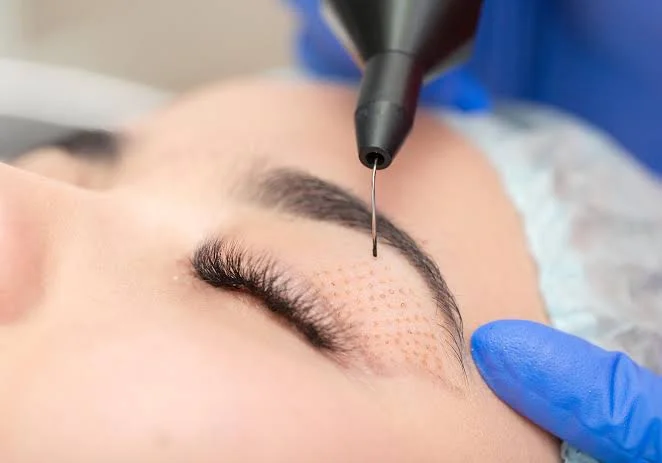
As the delicate skin surrounding the ocular zone undergoes chronological aging, a progressive loss of structural collagen, diminishing tissue elasticity, and continuous gravitational pull create visible structural changes. These changes commonly manifest as hooded upper eyelids, heavy brow drooping, and loose skin folds that obscure the natural eyelid crease. While a traditional surgical blepharoplasty delivers permanent corrections, many individuals hesitate due to the risk of surgical scarring, long downtime, or changes to their natural eye shape.
To bridge this clinical gap, modern medical aesthetics has engineered a series of highly precise, minimally invasive alternatives. A custom non surgical eyelid lift protocol utilizes plasma energy sublimation, skin-contracting fractional lasers, or strategic muscle-relaxing injections to tighten, elevate, and smooth loose eyelid tissue. This comprehensive medical guide explores the advanced modalities driving non-invasive periorbital rejuvenation, breaks down the non surgical eyelid lift cost parameters, outlines what to expect during recovery, and identifies the best non surgical eyelid lift treatment configurations for your specific skin anatomy.
Table of Contents
What Exactly Is a Non Surgical Eyelid Lift Treatment?
To evaluate whether this non-invasive approach matches your cosmetic goals, we must analyze the structural mechanics of the therapy: what is a non surgical eyelid lift treatment from a tissue modification perspective? Unlike a surgical blepharoplasty, which requires a surgeon to physically cut away excess skin and remove underlying fat deposits under sedation, non-surgical lifting relies on tightening existing tissue or dynamically elevating the brow framework.
Get Free Consultation
Have any questions? Leave your details and we'll get back to you shortly.
These non-surgical treatments create highly controlled micro-injuries or temporary muscle shifts in the periorbital layers. By stimulating the body’s natural healing cascade or altering muscle balance, they instantly contract stretched collagen fibers and trigger a long-term production cycle of brand-new elastin and Type I collagen. This process tightens and lifts the sagging eyelid folds, giving the eyes a wider, brighter, and more refreshed appearance naturally.
Exploring the Modalities: Plasma, Laser, and Botox Non Surgical Eyelid Lift
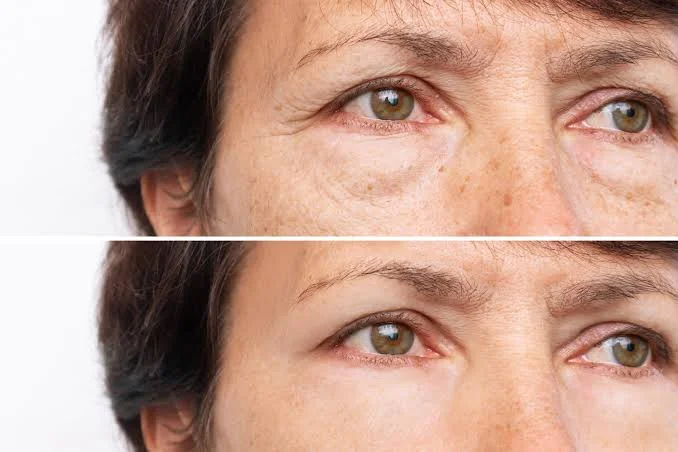
Achieving an optimal aesthetic outcome depends entirely on selecting the correct technology for your specific classification of eyelid laxity. Modern medical aesthetic clinics utilize three primary treatment methods:
1. Plasma Non Surgical Eyelid Lift
Often reviewed as the most direct alternative to a scalpel, a plasma non surgical eyelid lift utilizes a specialized device (such as Plexr) that ionizes atmospheric gases to create a tiny, precise plasma arc. This arc sublimates (instantly converts from a solid to a gas) microscopic dots on the surface of the loose eyelid skin without heating the deeper layers. This creates an immediate tissue contraction, pulling the hooded skin upward and smoothing out fine folds.
2. Non Surgical Eyelid Lift Laser Systems
An advanced non surgical eyelid lift laser treatment utilizes fractional light energy to create thousands of deep, microscopic thermal columns in the eyelid skin. This deep thermal energy shrinks the loose skin surface, stimulates rapid cellular turnover, and dramatically improves thin, crepey skin texture, resulting in a tighter and firmer upper and lower eyelid zone.
3. Botox Non Surgical Eyelid Lift
For patients whose heavy eyelids are primarily caused by a low, sagging eyebrow, a botox non surgical eyelid lift is highly effective. By injecting precise units of botulinum toxin into the lateral orbicularis oculi muscles (the muscles that pull the brow downward), the downward pull is temporarily relaxed. This allows the forehead muscles to pull the brow upward, lifting the hooded upper eyelid skin and instantly widening the eye area.
What Is the Global Non Surgical Eyelid Lift Cost?
When analyzing financial parameters, the non surgical eyelid lift cost varies significantly depending on the specific modality chosen, the number of sessions required, and the geographic location of the medical facility. Because these precise treatments require advanced medical technology and specialist clinical expertise, private facility rates show clear differences worldwide.
In Western Europe, the United Kingdom, and the United States, the average cost for a single plasma sublimation session or an advanced fractional laser treatment ranges from €600 to €1,800 ($650 to $2,000). If you opt for a combination protocol involving both device-based skin tightening and specialized brow injections, total treatment costs can range between €1,500 and €3,500, depending on the number of sessions required.
Why Is Turkey a Top Choice for Non-Surgical Eyelid Rejuvenation?
To access top-tier medical aesthetic procedures without paying high Western prices, traveling to an international cosmetic center in Turkey has become a popular choice. The lower operational facility costs and advanced medical tourism infrastructure allow premium clinics in Turkey to offer the latest FDA-approved lifting technologies at a fraction of the price.
On average, a comprehensive non-surgical plasma or laser eyelid lift package in Turkey ranges from €300 to €800. These popular packages seamlessly combine advanced lifting treatments, master-clinician execution, luxury hotel accommodation, and private VIP airport transfers, providing international patients with an affordable, high-end care experience.
What to Expect During the Non Surgical Eyelid Lift Recovery and Timeline?
Reviewing clinical data and non surgical eyelid lift reviews shows that the recovery process and the arrival of final results depend closely on the specific technology used:
- The Plasma Sublimation Timeline: Immediately following a plasma fibroblast session, a pattern of tiny, carbonized brown crusts (dots) will cover the treated eyelid area, accompanied by moderate swelling for the first 3 to 5 days. The non surgical eyelid lift recovery for plasma requires keeping the area dry until the carbon crusts naturally shed, which typically takes 5 to 7 days, revealing fresh, tighter pink skin beneath.
- The Injections Timeline: A botox-based elevation requires zero downtime. Minor injection marks fade within hours, and the structural lifting results gradually appear between day 4 and day 14.
- The Final Outcomes Phase: While immediate skin tightening is visible after plasma treatments, the true non surgical eyelid lift results develop progressively over 8 to 12 weeks. During this window, deep neocollagenesis (new collagen production) reaches its peak, resulting in a significantly lifted upper eyelid, reduced hooding, and an awake, naturally youthful gaze that lasts 1 to 3+ years depending on the method.
Comprehensive Eyelid Rejuvenation Modality Matrix
| Aesthetic & Clinical Metric | Plasma Non-Surgical Lift (Plexr) | Fractional Laser Tightening | Botox Structural Eyelid Lift |
| Primary Lifting Mechanism | Plasma arc skin sublimation & contraction | Fractional thermal columns & tissue shrinking | Selective muscle relaxation & brow elevation |
| Visible Recovery Downtime | 5 to 7 Days (Carbon dots & mild swelling) | 3 to 5 Days (Redness & mild flaking) | Zero (Instant return to daily activities) |
| Average Clinical Lifespan | 1 to 3+ Years | 1 to 2 Years | 3 to 5 Months (Requires maintenance) |
| Anesthesia Requirements | High-potency topical numbing cream | Topical numbing cream | None (Virtually painless micro-injections) |
| Primary Structural Indication | Moderate skin hooding & deep eyelid folds | Fine lines, crepey skin & mild laxity | Sagging brows & heavy lateral hooding |
| Number of Sessions Needed | 1 to 3 Sessions (Depending on laxity) | 2 to 4 Sessions | 1 Session (Repeated 2-3 times a year) |
Frequently Asked Questions (FAQ)
Are the non surgical eyelid lift results permanent?
No, non-surgical eyelid lift treatments do not stop the natural chronological aging process. While plasma sublimation and fractional laser technologies physically remove micro-portions of excess skin or tighten the tissue matrix for a duration of 1 to 3+ years, your skin will slowly continue to age over time. Botox-based lifts are temporary and last between 3 and 5 months, requiring routine maintenance sessions to preserve the elevated brow line.
How should I manage the non surgical eyelid lift recovery phase to prevent complications?
To ensure safe healing and prevent hyperpigmentation, you must follow strict post-care rules. During the first week after a plasma or laser treatment, keep your eyelids completely clean and dry, avoid picking or scratching the healing carbon dots, and completely avoid makeup. It is absolutely vital to protect the healing pink skin from direct sunlight by wearing UV-blocking sunglasses and applying a high-SPF, non-irritating physical sunscreen daily.
Which treatment is better for heavy eyelids, a surgical blepharoplasty or a non-surgical lift?
The ideal choice depends entirely on your anatomical classification of skin laxity. If you have mild to moderate skin hooding, fine lines, and want to avoid surgery, a non-surgical lift is highly effective. However, if you have severe skin laxity that obstructs your upper visual field, or large herniated fat pads (eyebags), a surgical blepharoplasty remains the clinical gold standard for achieving a complete correction.
Can plasma or laser non-surgical eyelid treatments cause damage to my eyes or eyesight?
When performed by a certified, highly experienced medical aesthetic specialist using proper safety protocols, these treatments are completely safe and pose zero risk to your eyesight. During a laser or plasma procedure, the clinician places specialized, opaque metal shields over your eyes to fully protect your corneas and vision from any accidental energy exposure, ensuring a safe and comfortable treatment.

 |
|