Skip to content
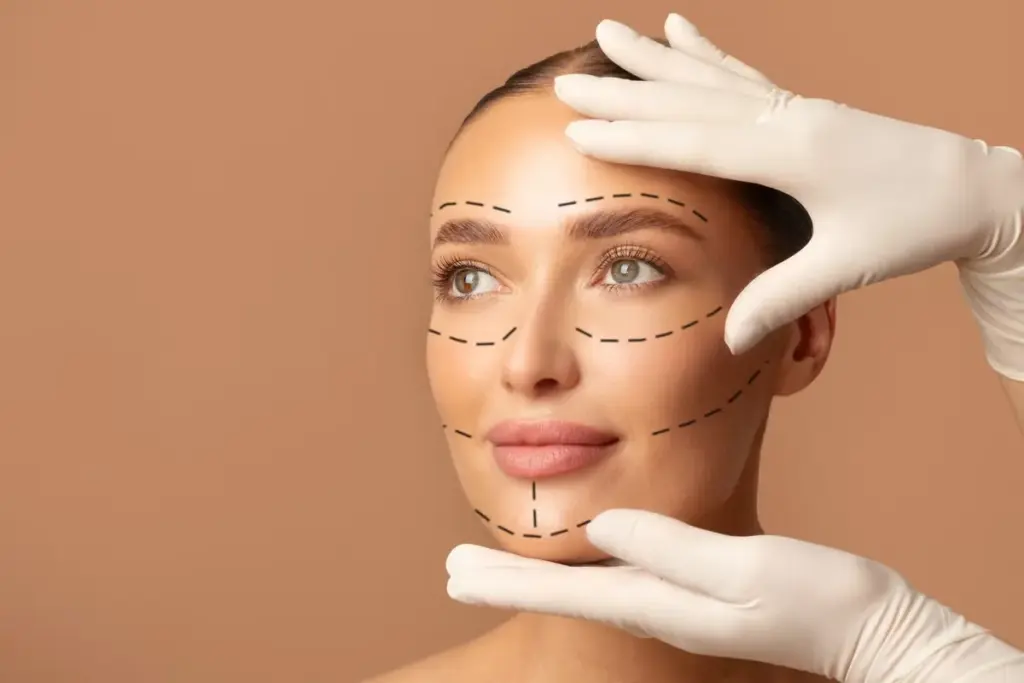
For individuals noticing early to moderate structural changes in their facial geometry the prospect of undergoing traditional plastic surgery can feel overwhelming. The long recovery periods, potential scarring risks, and the requirement of general anesthesia associated with a surgical rhytidectomy make many patients hold back. To bridge this clinical gap, modern medical aesthetics has developed an advanced, non-invasive milestone.
A modern non surgical face lift protocol utilizes a combination of deep-tissue thermal energy, advanced needle suspension networks, and biometric dermal injectables to lift, volumize, and tighten the skin from the inside out. This framework allows patients to achieve a refreshed, natural appearance with minimal downtime. This comprehensive medical guide explores the advanced technologies driving non-invasive lifting, breaks down international pricing models, and identifies the best non surgical face lift combinations for your skin type.
Table of Contents
What Exactly Is a Non Surgical Face Lift and How Does It Work?
To understand why this approach has transformed anti-aging medicine, we must analyze the structural mechanics of the treatment: what is a non surgical face lift from a tissue dynamic perspective? Unlike a traditional surgical facelift, which requires cutting the skin and manually repositioning the underlying Superficial Muscular Aponeurotic System (SMAS) layer, non-surgical alternatives stimulate tissue contraction or create internal suspension nets without a single scalpel incision.
Get Free Consultation
Have any questions? Leave your details and we'll get back to you shortly.
These treatments target the exact same deep SMAS layer using precisely calibrated energy vectors or biostimulatory materials. By delivering thermal stress or lifting support under the skin, they trigger a massive, localized healing response. This process instantly contracts old, stretched collagen strands and kicks off a long-term production cycle of brand-new collagen and elastin fibers, lifting the sagging facial features naturally over time.
What Technologies Form the Best Non Surgical Face Lift Combinations?
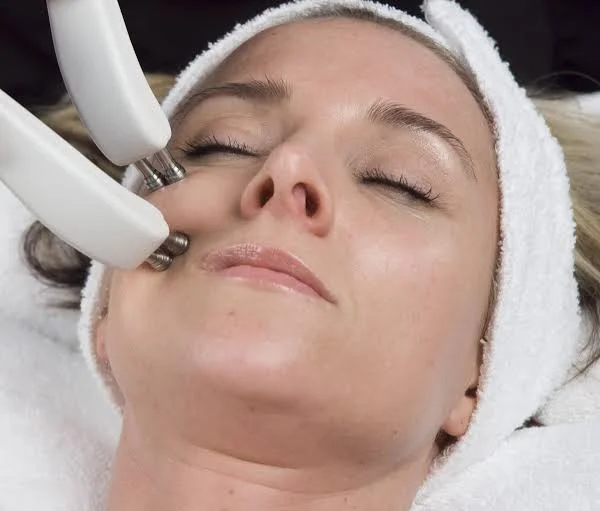
Because facial aging affects multiple layers of tissue causing bone resorption, deep fat pad loss, and skin thinning relying on a single technology rarely yields a complete rejuvenation. The best non surgical face lift outcomes are achieved through personalized, multi-layered combinations:
1. High-Intensity Focused Ultrasound (HIFU)
HIFU systems utilize micro-focused ultrasound beams to safely pass through the skin surface, delivering precise thermal energy dots directly into the deep SMAS layer at temperatures between 60 and 70 degrees Celsius. This triggers instant tissue tightening and structural lifting along the jawline and neck without harming the epidermis.
2. Absorbable Thread Lifts (PDO / PLLA)
This method involves inserting medical-grade, dissolvable threads equipped with microscopic barbs into the subcutaneous fat layer. Once placed, the threads are gently pulled upward, providing an instant mechanical lift to sagging jowls and cheeks. Over the next 6 months, the threads dissolve completely, leaving behind a solid structural pathway of the patient’s own new collagen.
3. Structural Liquid Facelifts
By combining advanced hyaluronic acid dermal fillers with collagen biostimulators (such as calcium hydroxylapatite or poly-L-lactic acid), doctors can rebuild lost deep volume. This directly lifts sagging skin folds by restoring the underlying scaffolding of the cheekbones and temples.
What Does the Non Surgical Face Lift Cost Globally?
When researching financial parameters, evaluating the non surgical face lift cost requires looking at the specific mix of technologies used and the total number of treatment areas. Because these premium procedures demand advanced clinical expertise and expensive medical devices, pricing varies widely based on geographic location.
In Western Europe, the United Kingdom, and the United States, a single full-face energy-based lifting session or a multi-thread suspension procedure generally costs between £1,200 and £3,500 ($1,500 to $4,500). If you opt for a complete liquid lift combined with device-based skin tightening, the total non surgical face lift cost can easily scale between £4,000 and £7,000, depending on the volume of premium injectables required.
Why Choose Turkey for a Non-Surgical Facelift?
To access these premium anti-aging protocols without the high Western price tag, traveling to an international medical aesthetic center in Turkey has become a highly popular alternative. The favorable exchange rates and lower operational facility costs allow top-tier cosmetic clinics in Turkey to offer the latest FDA-approved lifting technologies at a fraction of the price.
On average, a comprehensive energy-based or thread-based face lift package in Turkey ranges from €800 to €1,800. These popular packages seamlessly combine advanced lifting technologies, luxury hotel accommodation, and private VIP airport transfers, allowing international patients to rest and recover in total comfort.
What to Expect During the Non Surgical Face Lift Before and After Timeline?
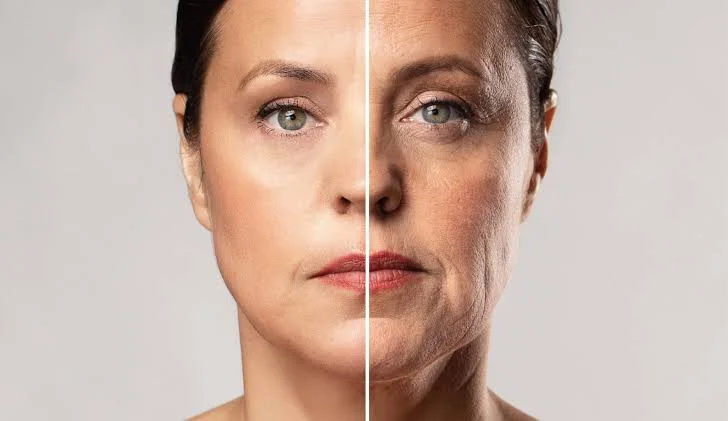
Analyzing a real non surgical face lift before and after timeline shows that patients experience a progressive, natural-looking transformation rather than a sudden, artificial shift:
- The First 24 Hours: Depending on the specific procedure, you may experience mild localized swelling, slight redness, or small injection-site bruises. This can easily be camouflaged with basic skincare or makeup.
- Week 2 to 4: Mechanical thread lifts display an immediate lifting effect along the jawline. For energy-based treatments like HIFU, the initial swelling subsides, and early tissue tightening becomes visible as the skin surface begins to smooth out.
- Month 3 to 6: This is the peak phase for visible non surgical face lift before and after transformations. The deep collagen renewal process is now fully active, resulting in a significantly sharper jawline, elevated cheek contours, and a firmer, younger-looking skin texture that continues to improve for months.
Comprehensive Technical Comparison
| Aesthetic & Clinical Metric | High-Intensity Focused Ultrasound (HIFU) | Advanced PDO/PLLA Thread Lift | Structural Liquid Facelift |
| Primary Lifting Mechanism | Deep thermal ultrasound coagulation | Mechanical suspension via barbed threads | Dermal volume rebuilding and contouring |
| Depth of Tissue Target | Deep SMAS layer (Up to 4.5 mm) | Subcutaneous fat layers | Deep periosteal bone and dermal layers |
| Anesthesia Requirements | None or topical numbing cream | Local infiltration numbing injections | Topical numbing or built-in lidocaine |
| Average Clinical Lifespan | 12 to 18 Months | 18 to 24 Months | 12 to 24 Months |
| Visible Recovery Downtime | Zero (Instant return to daily routine) | 3 to 7 Days (Mild swelling/bruising) | 1 to 2 Days (Minor injection marks) |
| Best Suited For | Skin laxity prevention & jawline defining | Moderate jowl sagging & mid-face lifting | Deep volume hollows & line smoothing |
Frequently Asked Questions (FAQ)
Is a non-surgical face lift painful?
Most patients tolerate these advanced anti-aging procedures exceptionally well. For energy-based treatments like ultrasound lifting, you may feel a warm, prickly sensation deep beneath the skin during the pulses, which represents the collagen contracting. For thread lifts and structural filler placement, local anesthetics are used to ensure the entire treatment is completely comfortable and virtually pain-free.
At what age should I consider a non-surgical facelift?
The ideal candidate is typically between 35 and 60 years old, presenting with mild to moderate skin laxity. Starting these treatments in your late 30s or 40s is highly effective because your body still has a strong capacity to produce new collagen, allowing you to delay or completely avoid the need for invasive plastic surgery down the road.
How many treatment sessions are required to see the final results?
For advanced energy devices like HIFU and mechanical thread lifts, a single, properly configured clinical session is usually all that is needed to achieve your lifting goals. For liquid facelifts, a minor follow-up touch-up may be scheduled 2 weeks later to perfect the symmetry and ensure a balanced distribution of volume.
Can I combine a non-surgical facelift with other skin rejuvenation treatments?
Yes, combining these treatments is highly recommended to address all signs of aging simultaneously. You can safely combine deep non-surgical tissue lifting with skin-resurfacing treatments like micro-needling, gentle chemical peels, or neuromodulators to smooth out dynamic forehead lines, resulting in a comprehensive, full-face rejuvenation.

 |
|