Skip to content
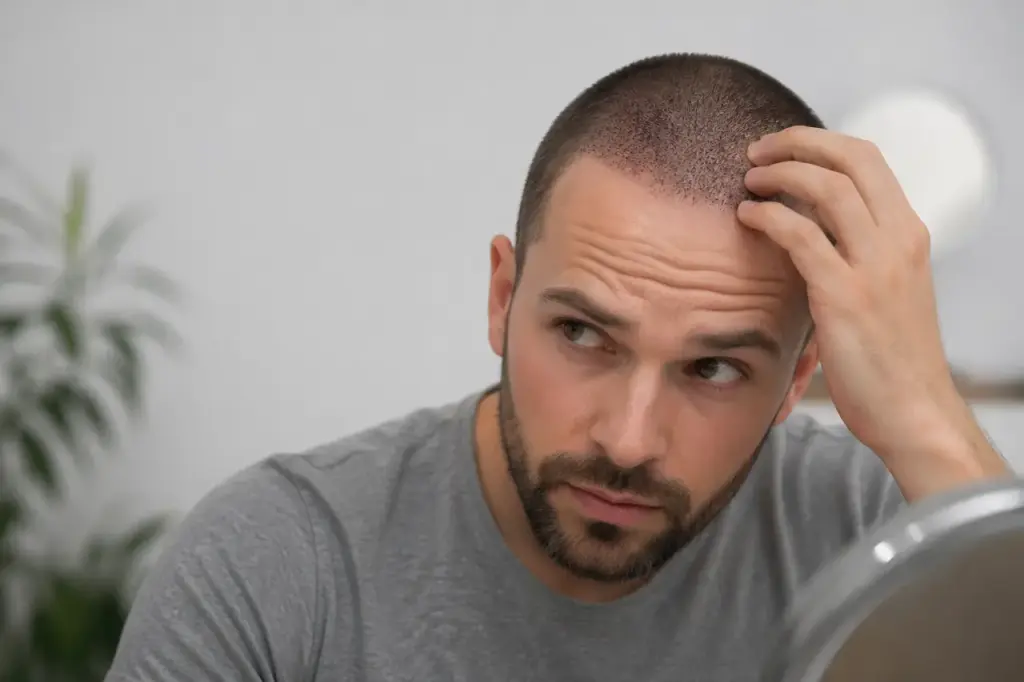
A hair transplant procedure whether performed using Follicular Unit Extraction (FUE) or Direct Hair Implantation (DHI) is one of the most effective solutions for restoring lost hair density. During the operation, thousands of micro-incisions are made across both the donor region and the recipient area to extract and place individual hair follicles. While modern surgical techniques ensure minimal discomfort and high graft survival rates, the scalp undergoes a complex biological healing phase post-surgery. During this recovery window, patients frequently encounter a frustrating symptom: itching after hair transplant.
Navigating post-operative scalp care requires recognizing that itching is a normal hallmark of tissue repair while knowing how to soothe the sensation without disturbing fragile grafts. Patients commonly search for answers regarding why itching after hair transplant occurs, ask how long itching after hair transplant typically lasts, wonder how to stop itching after hair transplant safely, seek remedies for severe itching after hair transplant, and research clinical itching after hair transplant treatment options. This comprehensive clinical guide explores the primary triggers behind post-transplant scalp itch, details recovery timelines, outlines safe relief protocols, and provides a clear management strategy.
Table of Contents
Why Is My Scalp Itching After Hair Transplant Surgery?
To manage discomfort effectively, we must first understand the biological mechanisms behind it: why does scalp itching after hair transplant occur from a dermatological perspective?
Get Free Consultation
Have any questions? Leave your details and we'll get back to you shortly.
1. Histamine Release and Wound Healing
During the first few days post-surgery, thousands of microscopic puncture sites begin to scab over and close. As part of the inflammatory healing cascade, mast cells in the skin release histamines chemical compounds that stimulate nerve endings and signal tissue repair, triggering an intense itching sensation.
2. Nerve Regeneration
Micro-incisions created during graft harvesting and channel opening temporarily sever delicate cutaneous nerve fibers in the scalp. As these nerves begin to regenerate, re-establish connections, and fire signals over the coming weeks and months, they often produce a tingling, prickling, or itchy sensation.
3. Dry Scalp and Scab Formation
As blood, lymphatic fluid, and tissue exudate dry, they form tiny scabs around each implanted graft. These scabs tighten the skin as they dry out, causing mechanical traction that provokes a persistent urge to scratch.
4. New Hair Growth (Shaft Emergence)
Between months 1 and 4, as new hair shafts push through the epidermal layer after the initial shock loss phase, they pierce through healing skin, causing localized mechanical irritation and minor itching.
5. Post-Operative Products or Mild Dermatitis
Frequent washing with specialized shampoos, topical saline sprays, or topical minoxidil (if restarted too early) can disrupt the natural pH of the scalp or cause mild contact dermatitis, worsening the itch.
How Long Does Itching Last After Hair Transplant? Recovery Timeline
Understanding the typical duration helps manage expectations and prevents premature panic:
- Days 1 to 7 (Acute Healing Phase): Mild to moderate itching begins as scabs form and histamine release peaks.
- Days 8 to 14 (Peak Itch Phase): Itching often reaches its peak during scab removal (around days 10–12) as dried crusts loosen from the scalp.
- Weeks 3 to 6 (Sub-Acute Phase): Scalp itching after hair transplant decreases significantly as scabs fall away and primary wounds close.
- Months 1 to 4 (Growth Phase): Mild, intermittent tingling or itching may recur as new hair shafts pierce through the skin.
- Beyond Month 6: Long-term itching should resolve completely. Persistent itching beyond this point warrants a clinical evaluation.
How to Stop Itching After Hair Transplant Safely?
The golden rule of post-transplant recovery is: NEVER scratch, pick, or rub your scalp, especially during the first 10 days. Scratching can dislodge unanchored grafts, introduce bacteria, cause infection, and lead to permanent scarring.
If you are looking for effective ways regarding how to reduce itching after hair transplant and stop itching after hair transplant safely, follow these clinical steps:
ITCH RELIEF PROTOCOL:
1. Saline Spraying: Keep the scalp hydrated every 1–2 hours.
2. Antihistamines: Use oral antihistamines to block histamine receptors.
3. Medicated Shampoos: Wash gently with ketoconazole or soothing shampoos.
4. Cold Compresses: Apply cold packs to the donor area ONLY (never on grafts).
1. Regular Saline Spraying
Keep the recipient area constantly hydrated by spraying sterile saline solution every 1 to 2 hours during the first week. Hydration softens scabs, reduces skin tension, and calms irritated nerve endings.
2. Oral Antihistamines
For moderate to severe itching after hair transplant, your surgeon may prescribe or recommend over-the-counter oral antihistamines (such as cetirizine, loratadine, or chlorpheniramine). These block histamine receptors, providing systemic relief from the inside out, especially at night to prevent accidental scratching during sleep.
3. Gentle Medicated Washing
Follow your clinic’s washing instructions carefully. From week 2 onward, using a mild, pH-balanced shampoo or one containing 2% ketoconazole can help clear excess sebum, dead skin cells, and fungal buildup that aggravate itching.
4. Cold Compresses (Donor Area Only)
Applying a cold gel pack wrapped in a clean towel to the donor area can numb irritated nerves and reduce localized inflammation. Important: Never apply ice or cold compresses directly onto the recipient area containing newly implanted grafts.
5. Steroid or Antibacterial Lotions (Clinical Prescription)
For persistent or severe donor site itching, a dermatologist or hair transplant surgeon may prescribe a short course of a mild topical steroid lotion or an antibacterial solution as part of your itching after hair transplant treatment.
Scalp Itching & Clinical Management Matrix
| Metric / Parameter | Mild / Normal Itching | Moderate / Peak Itching | Severe / Abnormal Itching |
| Typical Onset | Days 3 to 7 post-op | Days 8 to 14 post-op | Any time post-op |
| Primary Cause | Scab formation & mild histamine release | Scab loosening & nerve regeneration | Folliculitis, infection, or severe contact dermatitis |
| Graft Risk Level | Zero (if un-scratched) | Low (if un-scratched) | Moderate to High (if infected or scratched) |
| Recommended Action | Saline spray & gentle washing | Oral antihistamines & saline spray | Clinical consultation & prescription treatment |
| Average Duration | 3 to 5 Days | 1 to 2 Weeks | Requires targeted medical resolution |
Frequently Asked Questions (FAQ)
Is itching after hair transplant a sign of hair growth?
Yes, to an extent. Mild itching or tingling in the months following a hair transplant often indicates nerve regeneration and new hair shafts piercing through the skin surface. However, early itching (during weeks 1–2) is primarily caused by scab formation, wound healing, and histamine release.
What happens if I accidentally scratch my head after a hair transplant?
If you scratch your scalp during the first 7 to 10 days, you risk pulling out newly implanted grafts, which can cause bleeding and permanent patchy results. If you accidentally touch or lightly rub the area, stop immediately, spray sterile saline, and monitor for bleeding or dislodged grafts. If bleeding occurs, contact your clinic.
Can I use anti-itch creams like hydrocortisone on my transplanted hair?
You should never apply over-the-counter creams, ointments, or hydrocortisone directly onto newly implanted grafts without explicit approval from your surgeon. Heavy creams can block oxygen to the grafts, clog pores, and increase the risk of infection.
When should severe itching after hair transplant be evaluated by a doctor?
You should contact your clinic if the itching is accompanied by severe pain, spreading redness, pus-filled pimples (folliculitis), foul-smelling discharge, or a fever, as these symptoms indicate a bacterial infection rather than normal wound healing.

 |
|